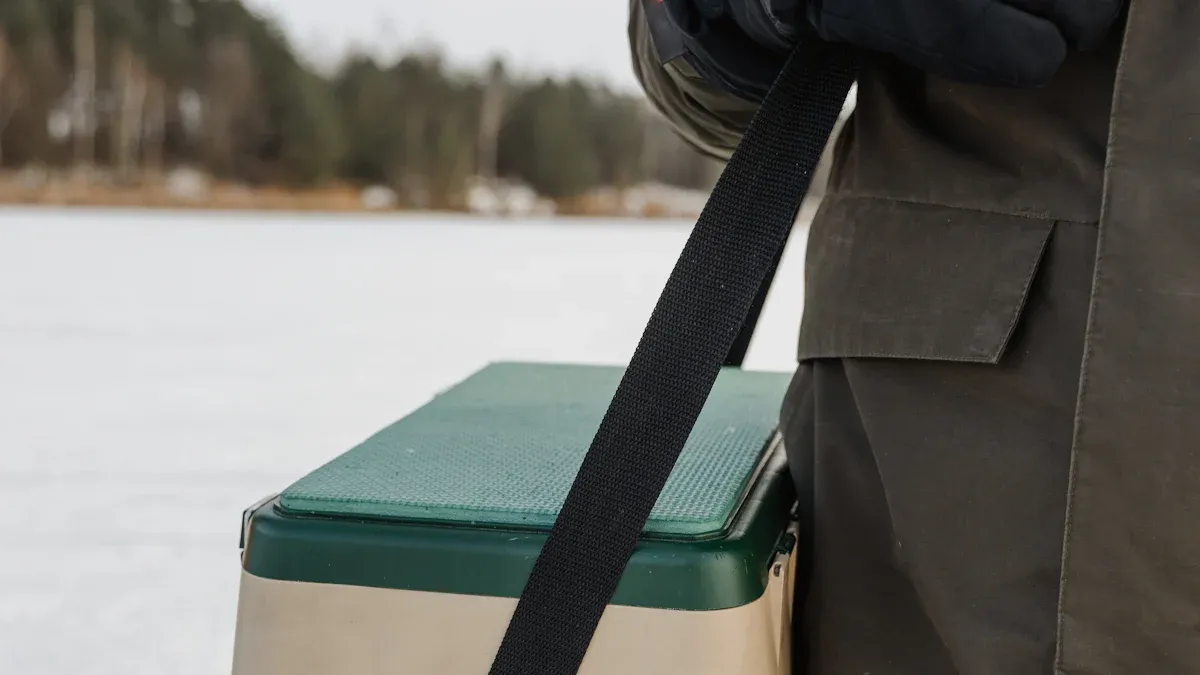

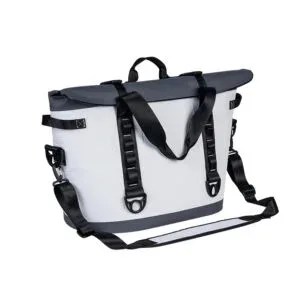
Soft coolers are a practical choice for short trips when portability, lightweight design, and easy storage matter more than maximum ice capacity. They are well suited to day trips, picnics, hikes, beach outings, tailgates, and other activities where you need to carry your cooler frequently.
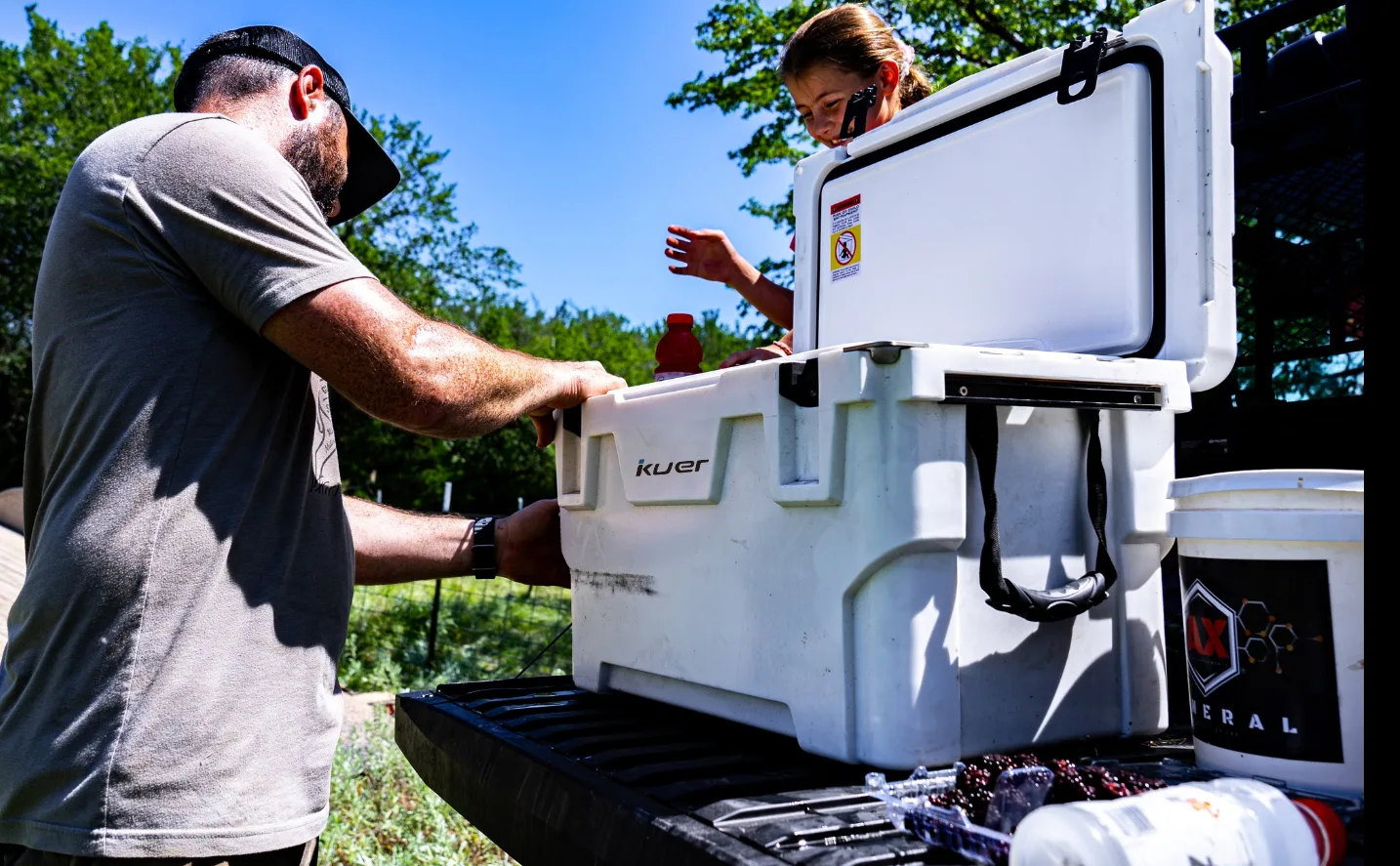
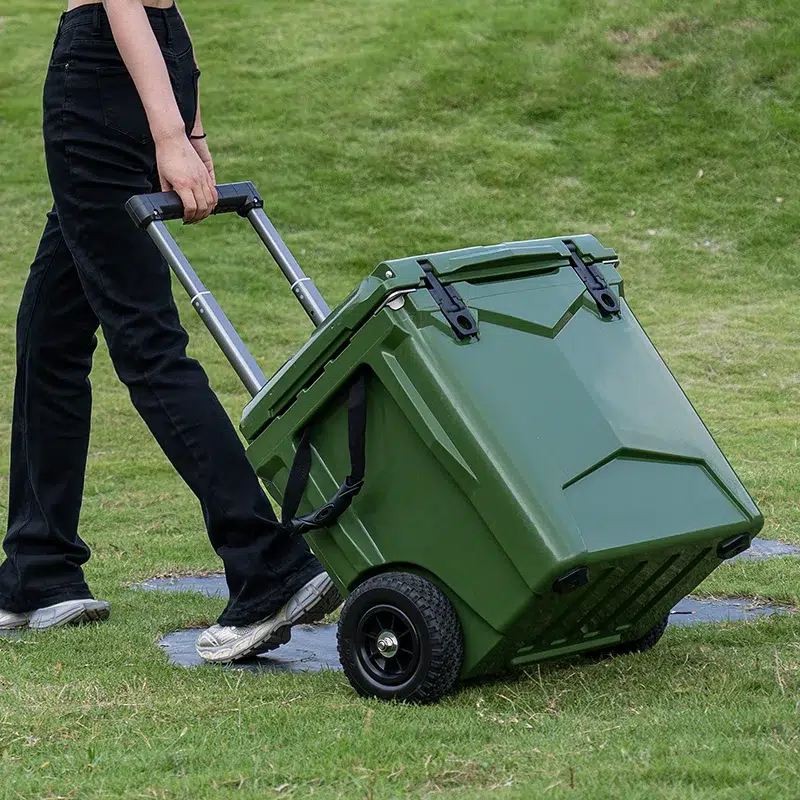
Hard coolers are generally more suitable for multi-day trips, heavy ice loads, and longer cooling periods. This guide explains when to use a soft cooler, when a hard cooler may be more suitable, and what features to consider for your trip.
Key Takeaways
- Soft coolers are ideal for day hikes, picnics, tailgates, and single-day outings where portability is key.
- They are lightweight, fold flat for compact storage, and typically keep ice for up to 24 hours.
- For air travel, soft coolers qualify as carry-ons if they meet 22 x 14 x 9 inch size limits and follow TSA ice guidelines.
- They excel at active trips like hiking, biking, and beach days thanks to waterproof construction and adjustable straps.
- Choose a hard cooler for multi-day camping, extreme heat, or trips where long-term ice retention is required.
Best Use Cases for a Soft Cooler
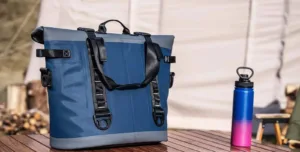
Soft coolers outperform rigid models when ease of transport and flexible storage are top priorities. They work best for trips lasting one full day or less, where you’ll be moving the cooler frequently.
Day Trips, Picnics & Tailgates
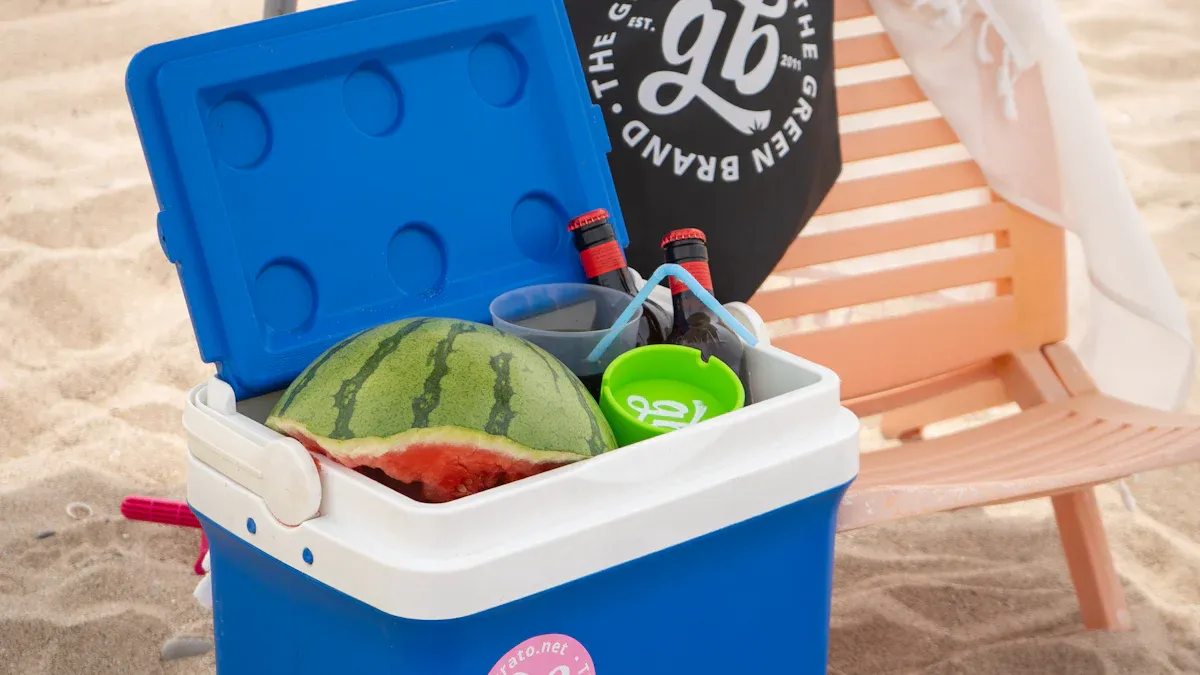
For casual day outings, park picnics, and sporting event tailgates, a soft cooler balances cooling performance with convenience. Weighing far less than hard-sided alternatives, they’re easy to carry across a park, load into a car, or stow under a seat. When empty, they fold flat to save trunk space on the return trip.
Quality options like KUER custom soft coolers feature 840-denier nylon with a TPU coating, delivering a lightweight yet durable exterior that resists water, mildew, punctures, and UV damage. A food-grade liner keeps snacks and drinks safe, while wipeable interiors make cleaning up spills simple.
Hiking, Beach & Water Activities
Active outdoor trips demand gear that moves with you, and soft-sided coolers deliver on flexibility. Backpack-style straps distribute weight evenly for comfortable long hikes, while waterproof, dry-bag construction protects contents from sand, splashes, and rain. Some models even float, adding extra safety for boating or shoreline trips.
Top-performing soft coolers maintain ice retention for 24+ hours — enough to keep food and drinks cold from morning through evening on a beach day or tailgate. For these activities, look for a 24-can or 30-can model with adjustable straps and a wide opening for easy access.
Are Soft Coolers Good for Travel?
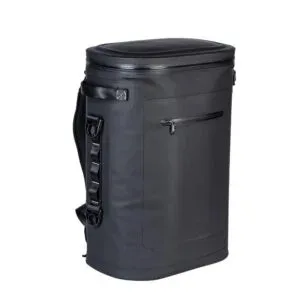
Soft coolers are highly versatile for travel, from air flights to daily commutes. Their flexible shape and light weight make them easy to pack and carry across multiple transport types.
Air Travel (TSA Guidelines)
Soft cooler bags are allowed as carry-on items by the TSA, provided they fit standard carry-on size limits (22 x 14 x 9 inches). Smaller models may even qualify as a personal item.
Follow these rules for ice and contents:
- Fully frozen ice packs and gel packs pass security with no restrictions.
- Melted ice is subject to the 3-1-1 liquids rule; containers must hold 3.4 ounces or less.
- Solid food inside faces no quantity limits.
- Checked soft coolers follow standard luggage rules, with a 50-pound weight limit before oversized fees apply.
Road Trips, Bike Commutes & Everyday Use
On road trips, soft coolers slide easily under car seats or fit in crowded trunks, keeping small items like coffee creamer, cheese, and drinks cold without taking up much space. For bike commutes, they strap to rear racks or fit in panniers, with waterproof exteriors shielding contents from rain.
Beyond travel, they work for daily use too — keeping lunches cold for work or school, then transitioning seamlessly to an after-work picnic.
When to Choose a Hard Cooler Instead
Soft coolers are not one-size-fits-all. For longer trips or harsh conditions, a hard cooler is the better investment.
Multi-Day Camping Trips
Soft coolers generally cannot maintain safe ice retention beyond two days, making them a poor fit for multi-night camping trips without regular ice top-ups. Common pain points on extended trips include:
- Zipper failure: Overloading or rough handling can break zippers, compromising insulation and waterproofing.
- Critter damage: Soft exteriors are vulnerable to chewing from wildlife, which ruins the cooler’s integrity.
- Insufficient seal: A loose zipper seal lets warm air in, drastically reducing ice life even with good insulation.
For camping trips longer than two days, a rigid hard cooler provides more reliable, long-lasting cooling.
Extreme Heat & Long-Term Cooling
In high temperatures, soft coolers lose cold air faster than hard-sided models. They cannot maintain food-safe temperatures for extended periods without access to fresh ice.
Hard coolers hold more ice, feature thicker, rigid insulation, and keep contents cold for days at a time. If you need to keep perishables cold for multiple days without refrigeration — especially in hot climates — a hard cooler is the safer choice.
FAQ
Can a Soft Cooler Keep Food Cold All Day?
Yes. A well-insulated soft cooler can keep food and drinks cold for a day when properly pre-chilled and packed with enough ice or cold packs. Actual cooling time depends on insulation, ambient temperature, and how often the cooler is opened.
Are Soft Coolers Waterproof?
Not all soft coolers are fully waterproof. Water resistance depends on the exterior fabric, liner, seams, and closure system, so check the manufacturer’s specifications if you expect exposure to rain or splashes.
Can You Put Ice Directly in a Soft Cooler?
Some soft coolers are designed to hold loose ice, while others are intended for ice packs only. Check the liner and care instructions before adding loose ice.
How Do You Clean a Soft Cooler?
Empty the cooler, wipe the interior with mild soap and water, then rinse and dry it thoroughly before storage. Avoid harsh cleaners unless the manufacturer specifically allows them.
How Do You Store a Soft Cooler When Not in Use?
Clean and completely dry the cooler before storing it in a cool, dry place. If the design allows folding, avoid storing it while compressed if doing so could permanently crease or damage the insulation.
Conclusion
A soft cooler is the best choice for short, active trips where portability, lightweight design, and easy storage matter most. For day hikes, picnics, tailgates, beach days, and single-day travel, they deliver reliable cooling without the bulk of a rigid hard cooler.
For multi-day adventures, extreme heat, or long-term ice retention, a hard cooler is the smarter investment. The best choice ultimately depends on your trip length, environment, and how much you’ll need to move the cooler throughout the day.
 Request a quote
