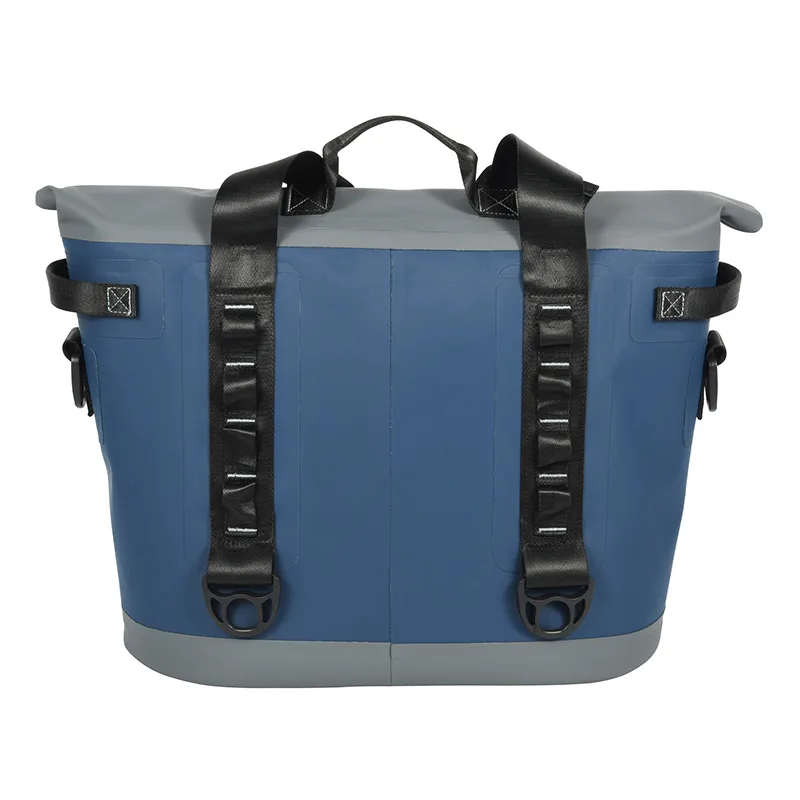

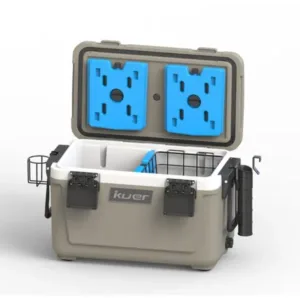
You open your cooler on a hot afternoon and find everything floating in an inch of meltwater — should you pour it out? For most short trips, the answer is no: melted ice water actually helps keep contents cold longer. There are specific scenarios where draining makes sense, but as a general rule, water is a better thermal reservoir than air.
Controlled testing of two identical 55-quart coolers, each loaded with 20 lbs of ice over 6 days, confirms the tradeoff: the cooler drained daily held ice about 2–3 hours longer, while the cooler that retained meltwater stayed colder internally.
Key Takeaways
- Keep melted ice water for short trips — it acts as a cold battery and extends cooling time.
- Drain water for trips longer than 3 days, when you need to lighten your load, or after a raw meat spill.
- Use raised baskets, waterproof bags, or dividers to keep food dry without draining the cooler.
- Always drain and clean immediately after a raw meat spill to avoid bacterial contamination.
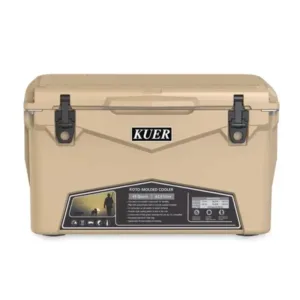
- High-quality rotomolded coolers like KUER hold ice for 5–7 days with or without meltwater.
Why Meltwater Helps Keep Things Cold
The benefit comes down to basic thermodynamics: water has a far higher heat capacity than air — roughly 4184 Joules per kg per °K for water, compared to about 1000 for air. This means water temperature changes much more slowly; it holds onto cold like a thermal battery.
When you drain meltwater, you replace a slow-warming liquid with fast-warming air. That swap speeds up melting of the remaining ice. For 1–2 day trips, the water also fills gaps between items, reducing air circulation and limiting heat exchange every time you open the lid.
Outdoor experts widely agree: cold meltwater has much higher thermal density than air. It keeps food cold almost as well as solid ice and slows further melting. In well-insulated rotomolded coolers, meltwater boosts already strong cold retention even more.
When Should You Drain Melted Ice?
Meltwater is not always beneficial. Once water warms above freezing, its higher thermal conductivity can start to speed up ice melt instead of slowing it. Several scenarios make draining the better choice.
Longer Trips & Maximum Ice Longevity
For trips longer than 3 days, daily draining can extend ice life. In the 6-day test, the daily-drained cooler kept ice 2–3 hours longer than the one that retained water. If ice longevity is your top priority, draining each morning and topping off with fresh ice keeps the cooler box operating at peak performance.
When Drainage Is Necessary
Three clear scenarios call for draining:
- Making room for fresh ice: Old water takes up space that new ice could fill.
- Raw meat spills: Bacteria from raw meat spreads through meltwater and contaminates everything. Drain and clean the cooler immediately.
- Long hikes & weight concerns: Water adds significant weight. Drain before a multi-mile hike to lighten your load.
How to Keep Food Dry Without Draining
You can get the cold-retention benefit of meltwater without soggy food with these simple solutions:
- Raised basket or shelf: Sits above the water line at the bottom of the cooler, keeping items dry while cold water circulates below.
- Waterproof ice bags: Seal ice inside a heavy-duty dry bag. Meltwater stays contained, but cold still transfers through the bag.
- Sealed food containers: Pack leafy greens, bread, sandwiches, and electronics in individual waterproof bags or hard containers to protect from moisture.
- Separate drink cooler: Use a smaller cooler just for beverages. The main food cooler opens less often, reducing warm air intake and meltwater buildup.
Final Rule: Drain or Keep?
The decision boils down to your trip priorities:
- Keep the water for day trips, picnics, and 1–2 day outings. It acts as a cold battery, maintains more stable temperatures, and requires zero extra work.
- Drain the water for trips over 3 days, before long hikes, after raw meat spills, or when you need to add fresh ice.
The simple rule: unless you need to make space, clean up a spill, or lighten your load, leave the melted ice water where it is.
FAQ
Does Melted Ice Water Make a Cooler Colder?
Cold meltwater can help maintain a stable temperature inside the cooler because water absorbs heat more effectively than air. However, how much it helps depends on the cooler’s insulation, the amount of remaining ice, and the surrounding temperature.
Can Food Be Stored Directly in Meltwater?
Yes, if the food is properly sealed and packaged. For items that can be damaged by moisture, such as bread, produce, or paper packaging, use waterproof bags or containers instead of placing them directly in the water.
Does Meltwater From Ice Bags Need to Be Drained?
Not necessarily. If the ice is contained in leak-resistant bags, there may be less loose water inside the cooler, making it easier to keep food dry. Whether you drain the water still depends on the amount of meltwater and your need for space or easier transport.
Is Meltwater From a Cooler Safe for Drinking?
No. Meltwater from a cooler should not be treated as drinking water. It may have contacted food packaging, raw meat juices, dirt, or other contaminants inside the cooler.
Should You Clean a Cooler After the Ice Melts?
Yes. After a trip, drain the remaining water and clean and dry the cooler, especially if food, meat, or other potentially contaminating materials were stored inside. This helps prevent odors, residue, and bacterial growth.
 Request a quote
