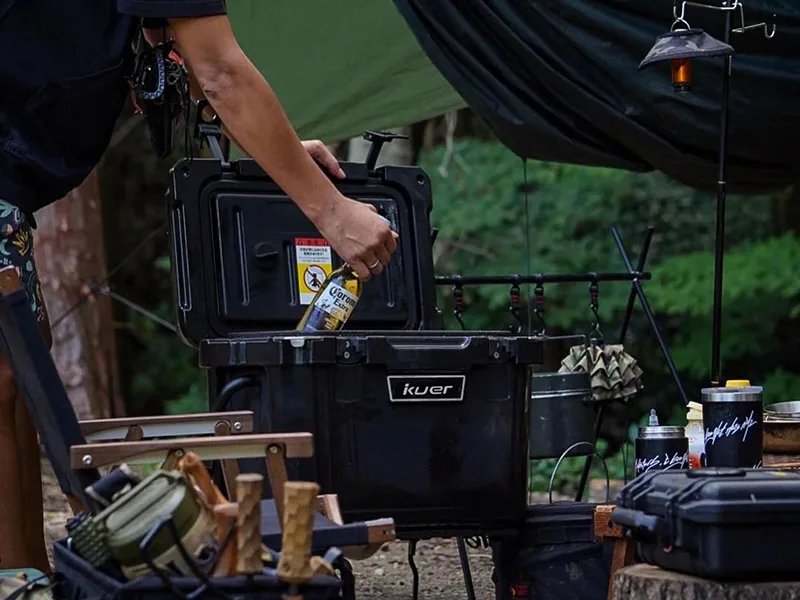

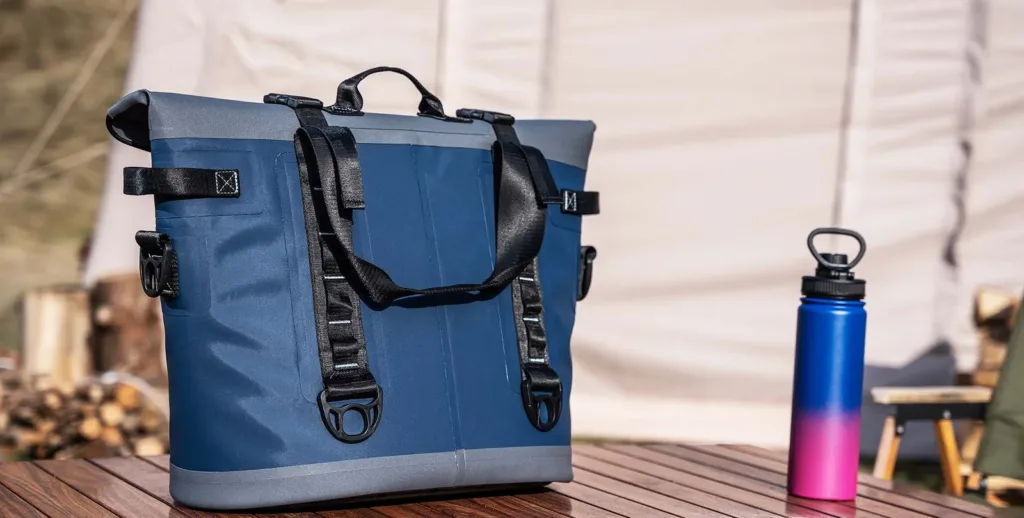
A cooler bag is one of those simple inventions that makes a world of difference—whether you’re heading out for a day at the beach, a weekend camping trip, or a large family gathering. But knowing what to put in a cooler box and how to arrange it properly can turn a so so experience into a seamless one. The difference between melting ice by noon and keeping everything chilled well into the evening often comes down to what you pack, how you layer it, and the quality of the bag itself.
What a Cooler Bag Is & Why Packing Right Matters for Long–Duration Use
At its core, a cooler bag is a portable insulated container designed to maintain low temperatures for food and beverages. But it’s more than just a box with a lid. A well designed cooler bag uses advanced insulation materials—like high density PU foam or closed cell foam—to trap cold air and slow down heat transfer. The best ones feature thick walls, tight sealing lids, and durable outer shells that can withstand the elements.
Why does packing matter so much? Because even the best cooler won’t perform well if you pack it incorrectly. Poor packing leads to uneven cooling, melted ice within hours, and—worst of all—spoiled food. For long duration use, whether it’s a multi day camping trip or a full day outdoor event, smart packing isn’t just convenient—it’s essential for food safety and enjoyment.
When you’re choosing a cooler for extended trips, look for one with proven insulation performance. Some high end models—like those with a PU foam insulation layer of more than 2 inches—can keep ice frozen for 5 to 7 days under normal outdoor conditions. That kind of reliability makes all the difference when you’re far from a grocery store.
Essential Items to Pack in Your Cooler for Large Gatherings
 Drinks & Beverages
Start with the obvious: drinks. Water, soda, iced tea, sports drinks, and maybe a few cold beers. The key here is quantity. A good rule of thumb is about one liter of beverages per person for a full day, plus a little extra. But instead of filling the entire cooler with loose cans, consider freezing some bottled water the night before. They act as additional ice packs and give you cold drinking water as they melt.
For larger gatherings, think in terms of variety and accessibility. Place the most frequently requested drinks—like water and soda—near the top or in an easy to reach side pocket if your cooler has one. This minimizes the time the main compartment stays open, which keeps the cold air inside.
Fresh & Ready–to–Eat Foods
This is where temperature control really matters. Sandwiches, salads, cut fruit, cheese platters, deli meats, and yogurt all need to stay below 40°F (4°C) to remain safe. These perishable items should go in the coldest part of the cooler—typically the bottom, closest to the ice packs.
Pack them in airtight containers or resealable bags to prevent leaks and cross contamination. If you’re bringing multiple meals, consider separating each meal into its own container or bag, so you only pull out what you need at each sitting. This reduces the number of times the cooler is opened and helps maintain a consistent internal temperature.
Snacks & Light Bites
Snacks are the items people grab most often—granola bars, trail mix, chocolate, cheese sticks, and fruit slices. Place these in the top layer or in the exterior pockets of your cooler, so they’re easy to reach without digging through the main compartment. This simple step can extend your cooler’s cooling performance significantly, since every second the lid is open, cold air escapes.
For chocolate or other heat sensitive snacks, keep them deeper in the cooler or wrap them in a small towel to insulate them from temperature fluctuations.
Ice Packs & Cooling Sources
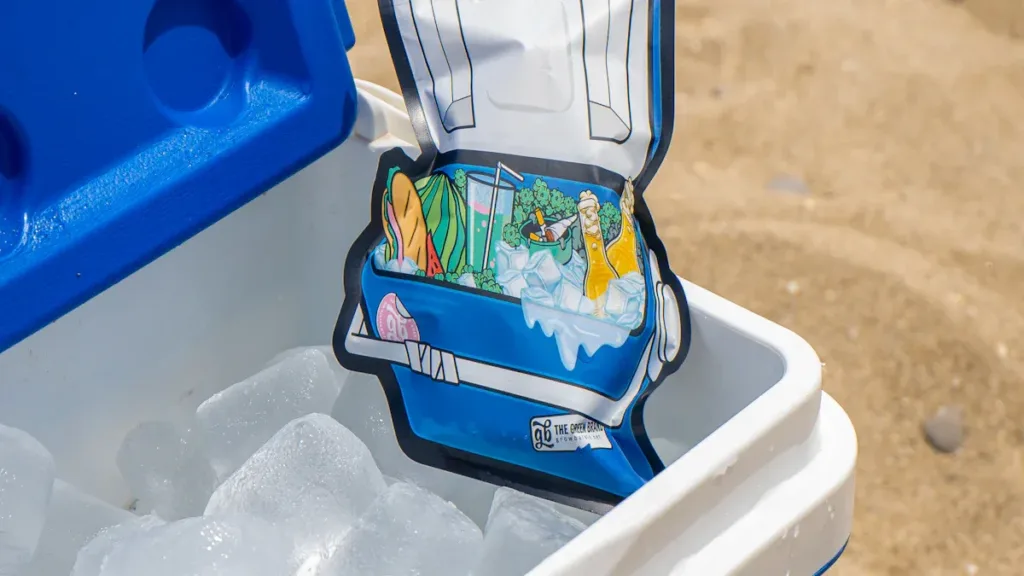
Ice packs are the engine of your cooler. Without enough cooling power, nothing else matters. The general rule is a 1:2 or 1:3 ratio of ice to contents—one part ice for every two or three parts food and drink. But this varies based on outside temperature, how often you open the cooler, and how long you need it to last.
Gel ice packs are great for reusability and consistent cooling. Block ice lasts longer than cubes. Dry ice provides extreme cold but requires careful handling. For most day trips, a combination of gel packs and frozen bottled water works best. For extended outings, consider using block ice at the bottom and cube ice around the contents for even distribution.
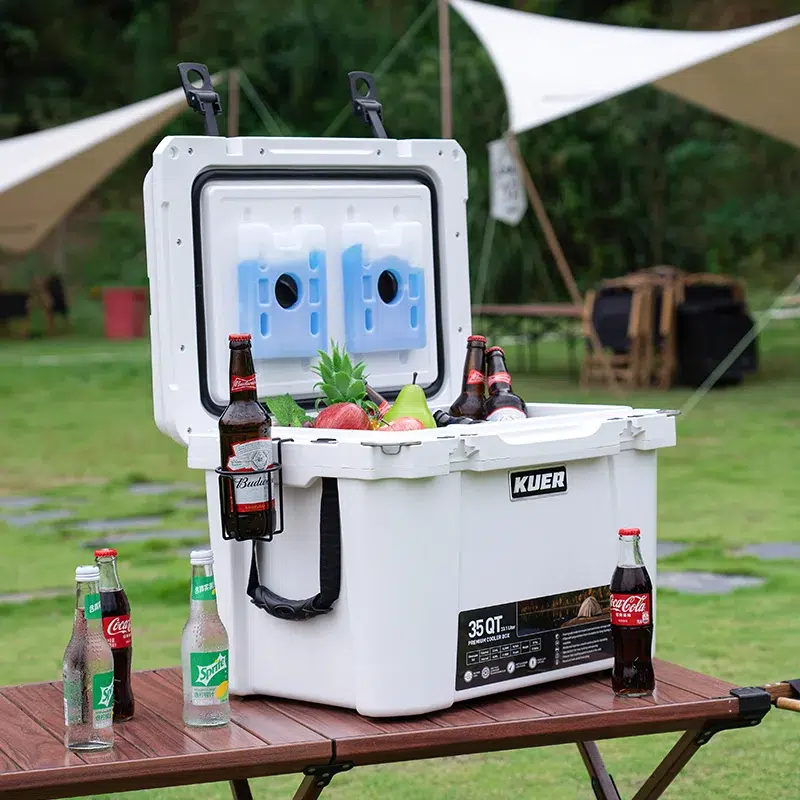
Many high quality coolers also offer optional accessories that make packing easier. For example, some models include a chopping board that divides the interior space for better organization, baskets that attach to the upper edge for dry storage, and gel packs that can be added to enhance ice retention. These small additions can make a big difference when you’re packing for a crowd.
How to Pack a Cooler Bag for Best Freshness & Efficiency
Pre–Chill the Bag & Your Items – A Critical First Step
This is the single most overlooked step in cooler packing. If you put room temperature food and drinks into a room temperature cooler, the ice has to work overtime to cool everything down—wasting valuable cooling capacity.
Pre chill your cooler by storing it in a cool place or even in the refrigerator overnight. Pre chill all your food and drinks too. The colder everything is when it goes in, the longer your ice will last. Some people even pre chill the ice packs themselves (which sounds obvious but is often forgotten). Taking this extra step can extend your cooling time by 20% to 30%, which is significant when you’re planning for a full day outdoors.
Layer Smartly by Temperature – Zone–Based Packing
Think of your cooler as having temperature zones. The bottom is the coldest, the middle is moderately cold, and the top is the least cold (but still chilled).
Here’s a simple layering strategy:
Bottom layer: Ice packs or block ice, plus the most temperature sensitive items—raw meats, dairy, and anything that absolutely must stay at or below 40°F.
Middle layer: Pre cooked foods, salads, fruits, and vegetables—items that need to stay cold but have a little more tolerance.
Top layer: Drinks, snacks, and frequently accessed items.
Place a layer of ice or ice packs between each food layer for maximum cold distribution. And don’t forget to fill empty space—air is the enemy of cold retention. If your cooler isn’t full, stuff the extra space with rolled up towels or newspaper to reduce air circulation.
A well designed cooler makes this layering process much easier. Look for models with a high quality gasket seal that prevents air exchange and minimizes condensation, keeping your contents dry. The seamless rotomolded construction also enhances impact resistance, so you don’t have to worry about cracks or leaks ruining your carefully layered setup.
What Makes a Quality Cooler Bag Worth Choosing for Durable Performance
Not all coolers are created equal. A high quality cooler is an investment that pays off in reliability, longevity, and peace of mind. Here’s what to look for:
Insulation quality. The best coolers use thick, high density insulation materials that trap cold air effectively. Top tier models feature a PU foam insulation layer of more than 2 inches, which can keep ice frozen for 5 to 7 days under normal conditions.
Durable construction. Look for materials that can withstand the rigors of outdoor use—tear resistant fabrics for soft coolers, and impact resistant plastics for hard coolers. Rotomolded coolers are known for their rugged construction. The rotomolding process creates a seamless design that enhances resistance to impacts and environmental factors. Some models also feature modified LLDPE material with a melt flow rate of 7, allowing for efficient processing and excellent surface finish quality.
UV resistance. If you’ll be using your cooler outdoors frequently, check its UV protection rating. Quality coolers offer anti UV grade of 8, meaning they can withstand 8,000 hours of sunlight exposure without significant degradation—maintaining both impact performance and color integrity.
Seal and closure. A tight seal prevents warm air from entering and cold air from escaping. Look for coolers with high quality gasket seals that prevent air exchange and keep condensation to a minimum.
Impact strength. For heavy duty use, impact resistance matters. High quality LLDPE cooler boxes have a suspension impact strength of 27J, ensuring good durability and resilience against physical stressors.
Customization options. For businesses or organizations, the ability to customize color, logo, and size can be a significant advantage. Many manufacturers offer extensive customization options including size, color, logo printing, handle types, and more.
Accessories. The best coolers come with—or offer—useful accessories like chopping boards for organization, cup holders for secure beverage storage, baskets for dry items, gel packs for enhanced ice retention, lid pockets for small item storage, and even cushions that let the cooler double as a seat.
FAQs About Packing a Cooler Bag
What should I put in a cooler to keep food cold the longest?
The best combination is: pre chilled food and drinks + enough pre chilled ice packs or block ice + smart layering + a high performance cooler with thick insulation and a tight seal. Avoid putting warm items in the cooler, and minimize how often you open it.
How long does a cooler keep food cold under regular use?
It depends on the cooler’s insulation quality, the outside temperature, and how often it’s opened. Standard cooler bags keep things cold for 12 to 24 hours. High performance rotomolded coolers with PU foam insulation of more than 2 inches can maintain ice for 5 to 7 days.
Can I put hot food in a cooler?
It’s not recommended. Hot food introduces a large heat load that forces the ice to work harder and melt faster. If you need to transport both hot and cold items, use separate coolers—one for hot holding and one for cold storage.
What size cooler do I need for a full‑day event or group activity?
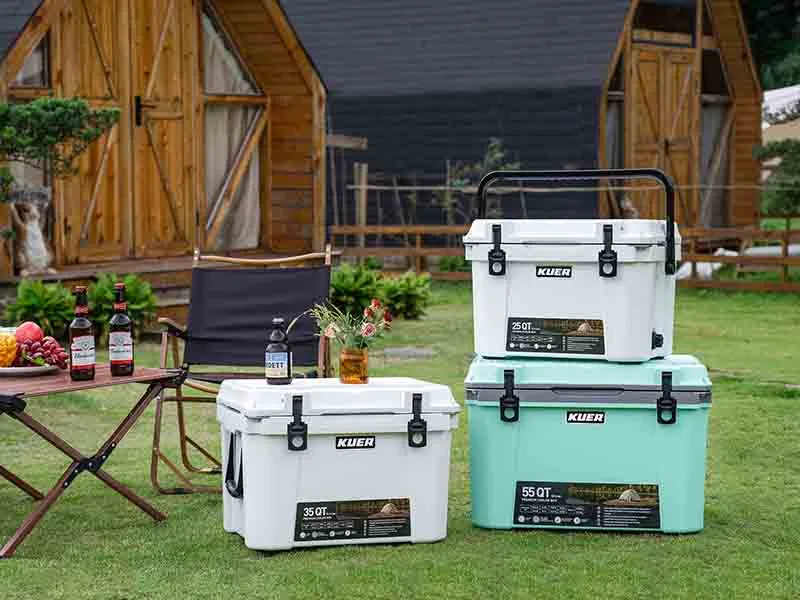
As a general rule, plan for about 2 to 3 quarts per person for a full day, plus extra space for ice packs. For a group of four, a 20 to 30 quart cooler works well. For larger groups or multi day trips, go bigger—50 quarts or more. KUER’s product range covers everything from compact 10 quart rotomolded hard coolers to large 110 quart models with wheels, so there’s an option for every need.
Packing a cooler well isn’t complicated, but it does require a little planning. Choose the right cooler for your needs—one with quality insulation, durable construction, and a tight seal. Pre chill everything. Layer strategically. And keep the lid closed as much as possible. Whether you’re feeding a crowd or just keeping your own lunch cold, these simple steps will make sure your cooler performs at its best, every time.
 Request a quote
