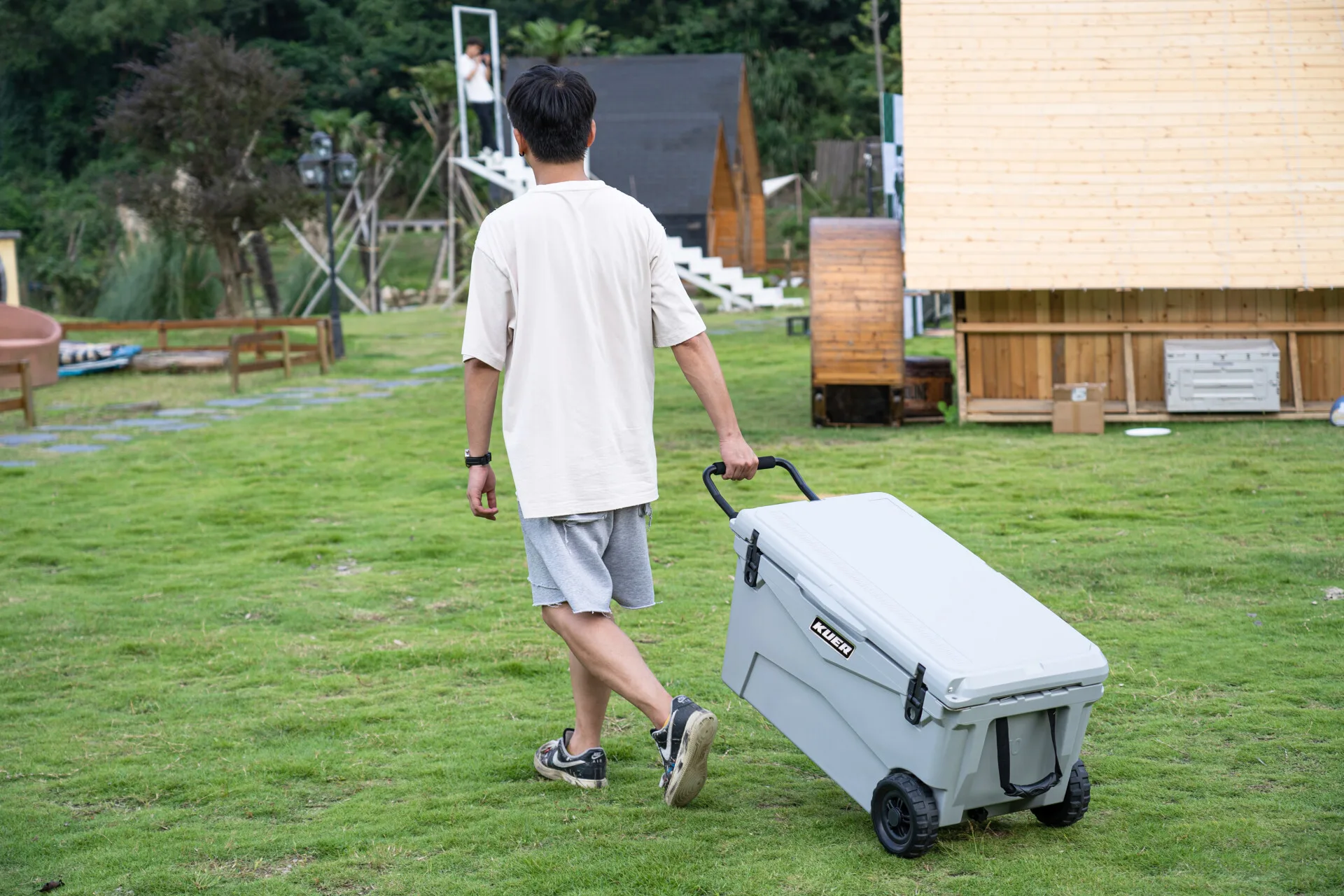

The best cooler for you depends on what you do outside. Hard coolers, like the KUER Cooler Box, are strong and keep ice cold longer. Soft coolers are lighter and easier to carry. Most people buy hard coolers. In North America, they make up over 73% of cooler sales.
| Cooler Type | Common Use Cases |
|---|---|
| Soft-Sided | Day trips, lunches, picnics, sporting events |
| Hard-Sided | Camping, hunting, fishing, group trips |
Key Takeaways
- Choose a hard cooler for long trips like camping because its tough design keeps ice frozen for 5 to 7 days.
- Pick a soft cooler for short trips like picnics because it is lightweight, affordable, and easy to carry.
- Opt for a hard cooler if you want long-lasting durability, as soft coolers tend to wear out and break much sooner.
- Select a large hard cooler to store enough food for groups, or a small soft cooler for single-person use.
- Expect to pay more for a hard cooler as a long-term investment, while soft coolers are cheaper for quick use.
Cooler Comparison
Soft Cooler vs. Hard Cooler
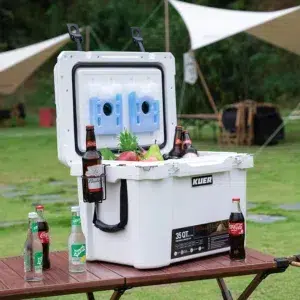
There are two main types of insulated boxes to choose from. Each type has its own specific purpose. Soft-sided insulated boxes are perfect for short trips, such as picnics or games. They are lightweight and portable, and many models even come with shoulder straps. Hard-sided insulated boxes are better suited for longer trips, such as camping or fishing. They ensure your food and drinks are kept safe.
Tip: Consider how long you need to keep your food refrigerated and how much stuff you need to carry. This will help you choose the right insulated box.
The table below compares the performance of the two types of insulated boxes:
| Metric | Hard Coolers | Soft Coolers |
|---|---|---|
| Durability | Made from strong materials, very tough | Not as tough, can wear out faster |
| Ice Retention | Keeps ice for days | Does not keep ice as long |
| Capacity | Holds more, good for long trips | Holds less, good for short trips |
| Portability | Heavier and bigger, some have wheels | Light and simple to carry |
| Cost | Costs more because of strong build | Cheaper, but may not last as long |
Main Differences
Flexible and rigid coolers are not the same. Rigid coolers use thick layers of foam to maintain low temperatures, keeping ice cold for up to five days. Flexible coolers, on the other hand, use foam between layers of fabric and can only keep ice cold for one to three days. Rigid coolers are far more effective at keeping ice cold.
Rigid insulated boxes are sturdy and durable, thus providing better insulation and keeping ice warm for longer. Flexible insulated boxes are more flexible, and the insulation layer cannot be made thicker, so the ice melts faster.
Hard-sided insulated boxes offer greater capacity and are suitable for group travel or long-distance activities. Soft-sided insulated boxes are smaller and best suited for day trips.
Note: If you’re going camping or fishing, hard-sided insulated boxes are more durable and keep items cold for longer. Soft-sided insulated boxes are easier to carry for short trips or lunches.
Both types of insulated boxes have their uses. Which one you choose depends on your activity, how long you need to keep items cold, and the amount of food you’re carrying.
Cooler Durability
Hard Cooler Strengths
Choosing a rigid insulated box means investing in strength and reliability. Rigid insulated boxes use robust and durable materials, such as rotationally molded plastic, making their structure sturdy. The superiority of KUER insulated boxes lies in their rotational molding process. This process creates a seamless, one-piece design, eliminating all weak points. Therefore, this insulated box effectively prevents cracking, leaks, and impacts. Rigorous quality control throughout the production process ensures that every KUER insulated box meets the highest standards. Its service life can reach over 40 years, far exceeding most other rigid insulated boxes.
If you plan to camp, fish, or travel often, a hard cooler offers peace of mind. You do not have to worry about bumps or drops damaging your cooler. The thick walls and sturdy build protect your food and drinks, even in rough conditions.
Soft Cooler Durability
Flexible coolers are made of soft materials such as fabric and foam. They are lighter and easier to carry, but not as robust and durable as rigid coolers. After a few years of use, you may notice wear and tear. Zippers, seams, and fabric are more prone to damage, especially with frequent outdoor use.
The table below lists the average lifespan of various types of coolers:
| Cooler Type | Average Lifespan |
|---|---|
| Soft Coolers | 2–6 years |
| Hard Coolers | Not specified |
Soft-sided insulated cases are suitable for short trips and light use. If you need an insulated case for your daily lunch or for short outings, a soft-sided case will meet your needs. However, if you prioritize long-term durability, a hard-sided insulated case is still the better choice.
Tip: Consider how often you will use the insulated case and where you will take it. If you want a product that can last for decades, a hard-sided insulated case like the KUER insulated case is undoubtedly a wise investment.
Cooler Ice Retention
Hard Cooler Performance
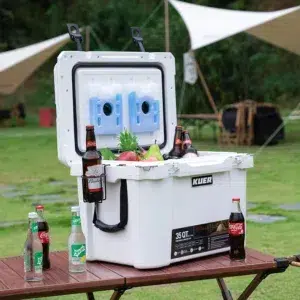
Want to keep your food and drinks chilled for days? A hard-shell insulated box is the perfect choice. KUER boxes feature a special polyurethane foam insulation layer and a strong sealing ring. Even in harsh weather, these components help ice stay frozen for 5 to 7 days.
The ColdLock™ sealing ring, like a refrigerator door, seals tightly, effectively blocking hot air and extending the freezing time of the ice.
The table below shows how the insulation layer and sealing ring help keep the ice frozen:
| Feature | Description |
|---|---|
| Gasket System | Three gaskets make an airtight seal |
| Insulation Thickness (Lid) | 3.5 inches of thick insulation |
| Insulation Thickness (Sides) | 3 inches of insulation |
| Insulation Thickness (Base) | 4 inches of insulation |
| Ice Cavity | Special space keeps air from moving around |
This premium hard-shell insulated box uses polyurethane insulation. The rotationally molded walls are thick and sturdy. Silicone rubber seals effectively prevent leaks. All these design features help keep your food and beverages chilled for days.
Soft Cooler Performance
Flexible coolers are suitable for short trips. They have poor insulation and are quite soft. Most flexible coolers don’t keep ice hot for more than a day. Indoors, ice can keep ice hot for 8 to 12 hours. In hot outdoor weather, ice will only keep ice hot for 4 to 8 hours. Ice packs or ice cubes can help keep ice hot, but the effect is limited.
The table below lists the ice-keeping times for flexible coolers:
| Brand | Ice Retention Time |
|---|---|
| Coleman Chiller 42-Can | About 12 hours |
| RTIC Soft Pack Cooler | Up to 16 hours |
| Typical (Indoors) | 8–12 hours |
| Typical (Outdoors) | 4–8 hours |
| With Ice Packs | 10–14 hours |
| Mild Weather | 16–24 hours |
| Warm Outdoor | 10–18 hours |
| With Block Ice | 24+ hours |
For a day trip or lunch, a soft cooler works fine. For camping or fishing, you need a hard cooler to keep ice for days.
Pick your cooler based on what you do and how long you need things cold.
Cooler Portability
Carrying Hard Coolers
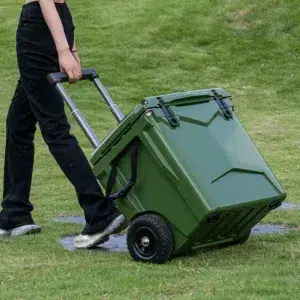
Choosing a hard-shell cooler box will give you robust and durable performance. However, you also need to consider how to transport it. Most hard-shell coolers are heavy, with some models weighing over 50 pounds (approximately 23 kg) even empty. This weight makes them less suitable for hiking or long-distance transport. Hard-shell coolers are best suited for occasions where long-distance transport is not required, such as road trips, camping, outdoor picnics, or boat trips.
Many brands have added features to make them easier to carry. Some common ergonomic features include:
- Puncture-resistant wheels that roll smoothly over rough ground
- Periscoping handles for pulling the cooler behind you
- Molded side handles for lifting with a friend
- Padded, adjustable straps on some models for short carries
Tip: If you plan to move the cooler box yourself, choose a model with wheels and a comfortable handle. These features are very useful when moving heavy items.
Carrying Soft Coolers
Soft-sided coolers offer a completely different experience. They’re easy to carry even on long treks or hiking trips. Their lightweight and flexible design makes them ideal for outdoor activities. You can sling a soft-sided cooler over your shoulder or wear it like a backpack, freeing your hands to carry other gear.
Here are a few reasons why soft-sided coolers are so portable:
- Lightweight build makes them easy to carry for long periods
- Flexible shape fits into tight spaces, like backpacks or car trunks
- Shoulder straps or backpack straps allow for hands-free movement
- Ideal for hiking, biking, or quick day trips
Note: If you need a cooler for hiking, picnics, or short adventures, a soft cooler gives you the freedom to move without feeling weighed down.
Choosing the right cooler depends on how far you need to carry it and what activities you enjoy most.
Cooler Capacity
Hard Cooler Sizes
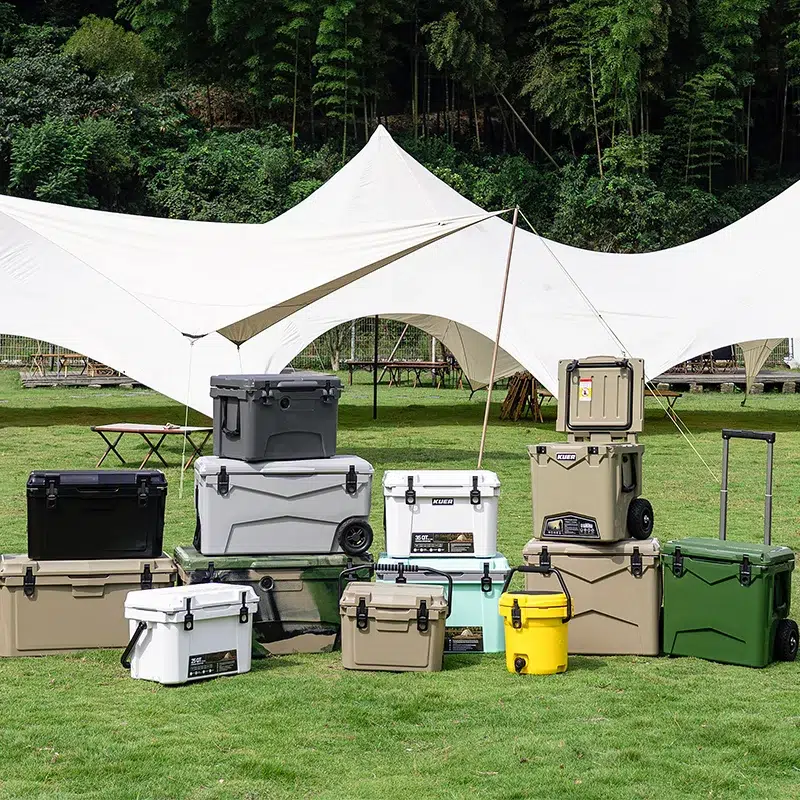
When choosing a hard-shell cooler, you can select from a variety of sizes to meet diverse outdoor needs. KUER coolers are available in four main sizes: 20 quart, 35 quart, 45 quart, and 75 quart. Each size has a different purpose:
- The 20QT size works well for short beach outings. You can pack drinks and snacks for your family without taking up much space.
- The 35QT size provides a balance for day trips. It holds enough food and beverages for a small group.
- The 45QT size fits longer excursions. You get ample space for larger gatherings or multi-day adventures.
- The 75QT size is ideal for extended trips or big groups. You can store all your essentials and keep them cold for days.
You can see how these sizes compare to other popular hard cooler capacities:
| Cooler Size (Quarts) | Typical Use Case |
|---|---|
| 50 to 55 | Grocery shopping, small weekend gatherings, barbecues |
| 65 to 70 | Weeklong trips for two, boating, power outage storage |
Tip: Choose the appropriate size based on the number of people in your group and the length of your trip. Larger refrigerated containers have a greater capacity but may be heavier and more difficult to move.
Soft Cooler Sizes
Insulated soft-sided boxes are typically small in size. Most are made of lightweight fabric and foam, making them easy to carry, but with limited capacity. A typical soft-sided box has a capacity of up to 35 quarts (about 35 liters), which can hold about 30 cans of soft drinks and ice packs. This size is best suited for short trips, lunches, or sporting events.
| Cooler Type | Capacity | Use Case | Advantages | Disadvantages |
|---|---|---|---|---|
| Soft Coolers | Up to 35 quarts | Short trips | Lightweight, flexible | Limited capacity |
| Hard Coolers | Larger options | Extended trips | Better insulation, durable | Heavier |
Note: If you need to pack for a group or a multi-day trip, a hard cooler like the KUER Cooler Box gives you the storage and performance you need.
Cooler Price
Hard Cooler Cost
Rigid coolers come in a wide price range. Brands like YETI and Pelican are expensive, but they keep drinks cold for a long time and are very durable. RTIC coolers perform almost as well but are cheaper, especially during promotions. Coleman and Lifetime are more affordable brands suitable for those who don’t use coolers frequently.
The table below lists approximate prices for rigid coolers:
| Cooler Model | Price Range | Features |
|---|---|---|
| Yeti Roadie 48 | High | Ice retention up to 7 days |
| Pelican Elite | High | Ice retention up to 7 days |
| MultiCooler | Up to $999 | Advanced features like cup holders |
| RTIC 45 QT | Affordable | Excellent value for money |
| Coleman | Budget | Decent insulation for casual use |
| Lifetime | Budget | Decent insulation for casual use |
Tip: If you frequently camp or fish, buying a sturdy hard-shell cooler can save you money.
Soft Cooler Cost
Flexible coolers are generally cheaper than rigid coolers. They are perfect for short trips, picnics, and lunches. You can find a cooler that fits your budget.
| Cooler Bag Tier | Price Range (USD) |
|---|---|
| Premium | $150 – $300 |
| Mid-Range | $80 – $150 |
| Budget | $40 – $80 |
If you’re on a budget, a soft-sided cooler is a good option. High-end soft-sided coolers are more expensive because they use better materials and have additional features. Most people will choose a mid-range or budget soft-sided cooler for everyday use.
Note: If you need a cooler for quick trips or lunch, a soft cooler is a good deal and does not cost much.
Cooler for Activities
Camping and Road Trips
When camping or on a road trip, you’ll need a durable cooler. Outdoor experts say that rigid coolers made using rotational molding are the best choice for these types of travel. Some popular models include the Yeti Tundra series, the RTIC Ultralight Wheeled Cooler, and the KUER Cooler. These coolers can keep things cold for 4 to 7 days, meaning your food stays fresh and your drinks stay chilled. The sturdy shell and secure latches protect your belongings from bumps and animals. If you’re looking to save money, the Lifetime Cooler is a good option, offering larger capacity at a lower price.
Tip: Pick a cooler with wheels or strong handles. This makes it easier to move at campsites or rest stops.
Picnics and Day Trips
A lightweight insulated box is ideal for picnics or short trips. Soft-sided insulated boxes are easy to carry and can be folded for storage. Many people appreciate leak-proof zippers and waterproof outer layers, which help keep the journey clean and convenient. Wheels and sturdy handles make it easy to move even a heavy insulated box.
Note: A soft-sided cooler is simple and convenient for a quick lunch in the park or a day at the beach.
Fishing and Sports
Fishing trips and sporting events all require a durable cooler. Hard-shell coolers are sturdy and durable, keeping fish or drinks cold for extended periods, making them ideal for chilling fish or beverages. The best fishing coolers have thick walls and rust-resistant components that can withstand sunlight and seawater, resulting in a longer lifespan. Soft-shell coolers, such as the Yeti Hopper Flip 12, are easy to carry and can be easily placed in a small boat or backpack. They can keep drinks hot for hours and come with comfortable, padded shoulder straps.
For all-day fishing or team activities, please choose a hard-shell insulated box. For short-duration competitions or activities requiring rapid relocation, please choose a soft-shell insulated box.
Choosing Your Cooler
Key Questions
Before choosing a refrigerator, ask yourself a few questions. These questions will help you find the refrigerator that best suits your needs.
- How long do you want your things to stay cold?
- Will you use your cooler for short or long trips?
- Do you want a light cooler for hiking or a strong one for camping?
- How much space do you need for your stuff?
- How much money do you want to spend?
- What features do you care about, like wheels or handles?
Tip: Write your answers down. This helps you compare coolers and pick the best one.
When choosing an insulated box, what other factors should you consider most important? The table below lists the factors that experts believe are important:
| Metric | Weighting (%) | Description |
|---|---|---|
| Insulation | 50 | Shows how long the cooler keeps things cold |
| Durability | 20 | Tells how well it stands up to use |
| Ease of Use | 15 | Looks at handles, wheels, and cleaning |
| Portability | 10 | Checks how easy it is to carry |
| Additional Features | 5 | Includes extras like cup holders and drain plugs |
Focus on insulation and durability first. These two things matter most for how well your cooler works and how long it lasts.
Matching Cooler to Needs
You can choose the right refrigerator based on your intended use. The table below lists the best refrigerators for different purposes:
| Activity Type | Cooler Type Description | Key Features |
|---|---|---|
| Day Trips and Picnics | Light 10- to 20-liter soft cooler | Easy to carry, small size |
| Camping and Hiking | Packs with insulated sections | Good insulation, padded straps |
| Beach and Water Sports | Waterproof and floatable coolers | Sealed zippers, tough shell |
| Tailgating and Events | Big soft coolers for groups | Large size, easy to roll, strong build |
| Travel and Road Trips | Small cooler bags for cars | Easy straps, fits in small spaces |
Consider the materials and manufacturing process of the cooler. High-quality materials, such as rotomolded polyethylene and stainless steel, extend the cooler’s lifespan. Thick insulation and a large capacity can keep ice frozen for days. Sturdy handles and wheels make moving the heavy cooler easy. If you don’t need fancy features, a lower-priced cooler will also meet your needs perfectly.
Note: If you’re looking for a cooler that provides excellent insulation and keeps things cold for extended periods, the KUER cooler is the perfect choice. Its PU foam insulation layer keeps ice frozen for 5-7 days outdoors. The sealing ring effectively prevents air from entering, maintaining the coolness inside. Even in rough terrain, the cooler won’t crack or leak. It’s lightweight and portable, featuring a comfortable handle. With over 70 patented designs, KUER embodies a commitment to continuous improvement.
KUER coolers are sturdy, durable, easy to use, and reliable. They are perfect for camping, fishing, road trips, and any occasion where keeping food and drinks cold is essential.
Choosing the right refrigerator requires considering your needs, usage habits, and required functions. Take some time to carefully review the various options and select the refrigerator that best suits your lifestyle.
You’ll need to choose the right cooler based on your plans. Hard-sided coolers are sturdy and durable, keeping drinks cold for a long time, making them ideal for camping and fishing trips. Soft-sided coolers are easy to carry and suitable for short trips. Before buying, consider the cooler’s sturdiness, cooling time, ease of transport, capacity, and price.
| Cooler Type | Advantages | Best Situations |
|---|---|---|
| Hard Coolers | Lasts long, keeps ice cold | Camping, fishing, travel |
| Soft Coolers | Light, simple to carry | Picnics, hiking, sports |
If you want a high-performance, reliable cooler, the KUER cooler is a great choice for outdoor recreation.
FAQ
How long does a hard cooler keep ice?
High-quality hard-shell insulated boxes like the KUER cooler can typically keep ice frozen for 5-7 days. The exact time depends on the outside temperature and how often the lid is opened.
Are soft coolers waterproof?
Most insulated coolers are made with waterproof materials and leak-proof zippers. Before purchasing, you should check the product details to confirm its waterproof performance.
What size cooler should you choose for camping?
When camping, you should choose a hard-sided cooler with a capacity between 35 and 75 quarts. This size cooler can hold enough food and drinks for several days and is suitable for most team sizes.
Can you use a soft cooler for fishing?
For short fishing trips, soft-sided coolers are suitable. For longer fishing trips or when you need to store your catch, hard-sided coolers offer better insulation and durability.
Do hard coolers have extra features?
Many hard-sided coolers come with accessories such as cup holders, cutting boards, and ice packs. These features enhance the convenience and organization of your outdoor activities.


 Request a quote
