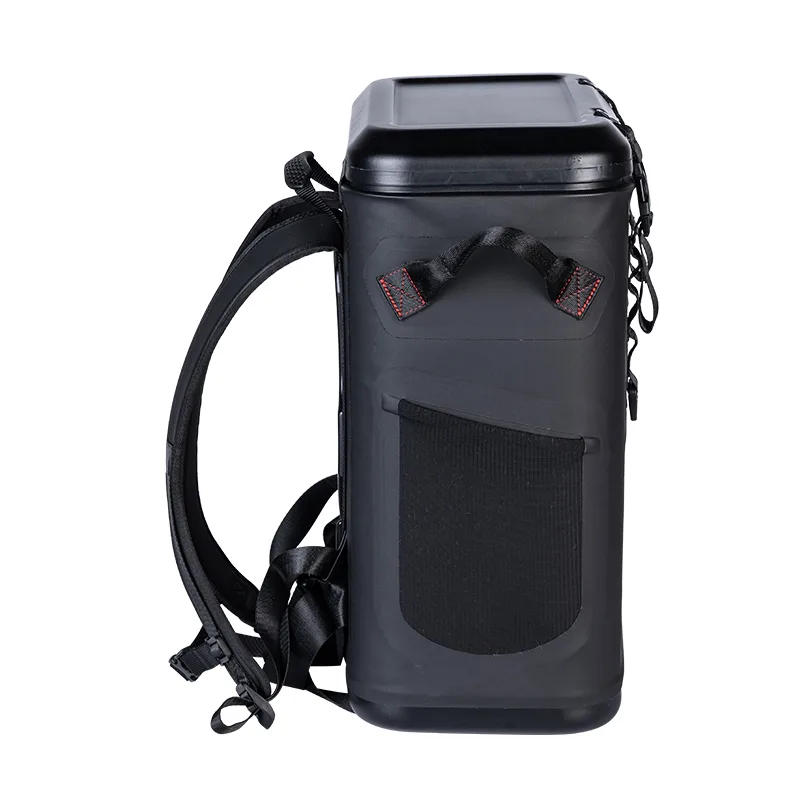

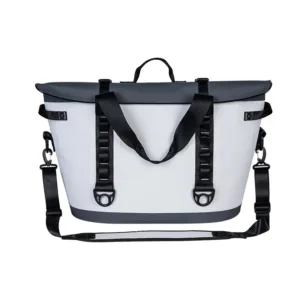
The main trade code for soft insulated bags is under Heading 4202, specifically code 4202.92. Customs officials put flexible thermal bags into this group based on how they are built and their outer fabric. This code covers many types of portable, temperature-controlled items, including soft cooler bags, thermal lunch totes, and flexible drink carriers. For insulated bag manufacturers, understanding this classification is essential when preparing export documents and ensuring products meet international trade requirements. Businesses must list their goods under this exact code when importing them internationally. Matching product details to code 4202.92 keeps trade legal and smooth. It also helps buyers correctly figure out tax rates before shipping food and drink containers to other countries.
Key Takeaways
- To ensure smooth customs approval, flexible thermal bags belong under international base code 4202.92.
- The outside fabrics, such as plastic, artificial fiber, or cotton, decide your specific ten-digit import tax number.
- Hard plastic coolers follow Chapter 39 rules rather than soft travel bag guidelines.
- Correct HTS codes prevent expensive shipping delays, surprise tax rates, and large government fines.
- Working with official customs agents helps companies check fabric details before sending their goods.
Understanding HTS Codes for International Bag Trade Compliance
World trade depends on basic number systems to group products coming into foreign ports. Border agencies put flexible thermal storage items into specific groups based on their main build and practical design. Chapter 42 covers travel items, handbags, trunks, and similar protective cases. Because of this, soft-sided thermal bags made for moving food or drink items fit directly under Heading 4202 in global tax charts.
Subheading 4202.92 acts as the main base group for flexible bags made with outer covers of plastic sheets or fabric materials. Buyers use this main code when sending flexible thermal totes, soft cooler pouches, and lunch bags through border check points. Trade officers check the outer cloth or plastic cover to confirm this group before releasing shipments. Correct alignment with this base code guarantees easy border movements.
Difference Between HS Code and HTS Code for Insulated Bags
The Harmonized System code uses six global numbers recognized by all trading countries. In contrast, the Harmonized Tariff Schedule code expands this setup to ten numbers for goods entering the United States. Buyers of insulated bags must know how these extra four numbers impact trade rules. The first six numbers, 4202.92, stay the same worldwide, while the last four numbers set local tax costs and national trade records.
Global trade rules state that records about a soft-sided insulated bag’s weight and size must match official customs paper requirements. Correctly listing these details guarantees fair tax calculation and simple border clearance under HS Code 4202.92. Proper records stop supply chain stops, official delays, and unexpected entry fees at local destination ports.
Companies must check that outer cover fabrics meet the exact rules listed in the ten-digit tax code. Picking the wrong number can cause bad tax payments or border delays. Partnering with licensed trade agents helps buyers keep correct entry forms across every global shipment.
Main HTS Codes for Insulated Food and Beverage Bags
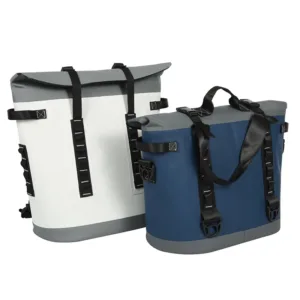
Border officials need exact ten-digit numbers to organize thermal storage items coming into shipping ports. Buyers must check every material layer carefully to choose the right tax lists. Goods fit under subheading 4202.92, but the outer layer material determines the final code extension. Official government decisions help narrow down these specific groups even more for global trade.
For example, U.S. trade rulings put some items under code 4202.92.04 if they have bendable plastic inner linings that stop leaks. Officials also use code 4202.92.0507 for special cooler bags made with strong handles and thick foam padding. Every tiny design change alters final import tax costs for business buyers clearing border checks.
| Tariff Code | Outer Surface Material | Key Interior/Design Feature |
|---|---|---|
| 4202.92.04 | Plastic Sheeting / Textile | Flexible plastic interior lining |
| 4202.92.0507 | Synthetic / Textile Fiber | Specialized thermal cooler structure |
| 4202.92.0805 | 100% Cotton Fiber | Natural woven outer shell |
| 4202.92.0807 | Man-Made Textile Fiber | Synthetic woven outer fabric |
| 4202.92.1000 | Polyethylene Sheeting | Soft-sided food and beverage storage |
HTS Code 4202.92.1000 for Other Insulated Food Beverage Bags
The United States tax schedule gives code 4202.92.1000 to standard thermal storage containers. This special category covers portable insulated bags meant mainly for holding everyday meals and cold drinks. The group includes flexible sacks covered with outer layers of plastic sheets or smooth artificial materials. Factories build these simple holders to keep interior temperatures stable during daily travel.
Border officers examine the outer cover during normal port checks. Plastic outer skins offer water protection and durable frames for daily business use. Buyers use this standard base code when moving soft plastic thermal totes across foreign borders. Using correct codes prevents sudden border holds at local receiving ports, helping managers figure out total shipping costs before freight leaves origin ports.
HTS Code 4202.92.0807 for Man-Made Textile Insulated Bags
Trade charts assign 4202.92.0807 to thermal carriers made with outer covers of artificial textile fibers. Tough woven fabrics like polyester and nylon fill up this common product group. Factory teams pick these strong synthetic fabrics for high tear strength, easy bending, and low factory costs in bulk production.
Sellers must make sure synthetic fibers form the main visible outer surface of the bag. Simple laboratory tests check exact fabric weight percentages during official port reviews. Choosing code 4202.92.0807 keeps soft nylon lunch boxes, insulated bags, and polyester drink carriers totally legal. Custom agents apply exact tax costs based on global synthetic fabric trade deals.
HTS Code 4202.92.0805 for Cotton Insulated Food Bags
Natural fabric builds need unique import numbers under global trade laws. Code 4202.92.0805 belongs directly to food carriers made with outer covers of real cotton. Thick canvas bags, plain cotton sacks, and organic lunch pouches fit right into this specific tax group for commercial sales.
Cotton outer layers give soft textures and a simple stylish look for modern buyers. Customs checking teams look at real fabric samples to separate natural plant fibers from synthetic threads. Traders shipping natural cloth items must report code 4202.92.0805 to pass port checks without getting money fines. Keeping true material paper records protects global sales companies from sudden extra taxes during post-import reviews.
How to Find the Correct HTS Code for insulated bags Manufacturing
Identify Materials Before Ordering Custom Insulated Bags
Fabric choices directly decide which import tax groups apply to your goods. Soft insulated bags feature outside layers made from woven cloth, natural cotton, or plastic sheets. Customs officers put these flexible carriers into Heading 4202 due to their soft design. Importers need to list true fabric blends before starting large factory orders.
Hard containers use totally different border tax rules. Heavy-duty outdoor coolers, such as the KUER Cooler Box, feature a solid molded plastic shell made from strong materials. This firm frame moves the border entry group out of Chapter 42 and into Chapter 39 for hard plastic items.
Evaluate Insulation Functions for Product Classification
Insulation style changes how border ports organize incoming goods. Normal soft thermal totes use simple foil lining or light foam pieces to keep things cool. Customs guidelines rank these lightweight bags by how people carry them instead of their thermal strength. Factory paper details must describe every inner lining material clearly.
Thick thermal layers in solid containers alter how border officers check incoming goods. The KUER Cooler Box uses 2 to 3 inches of dense foam filling to preserve ice for 5 to 7 days. Port decisions classify these sturdy plastic builds as lasting plastic goods in Chapter 39 instead of soft travel cases.
Verify Codes with Official Tariff Classification Resources
Sellers ought to check public tax databases before sending goods across borders. Official websites like the Customs Rulings Online Search System give legal history records for personalized storage items. Checking former government answers helps buyers pick correct ten-digit tax codes for every unique product build.
Customs brokers help factory owners review mixed product materials. Licensed agents compare frame firmness, outer covers, and wall foam layers against active tax charts. Proper technical checks stop unexpected import costs and prevent costly port holds at target destination harbors.
Import Duties and Costs for Insulated Bag Manufacturers
How HTS Codes Affect Customs Duty Calculation
Customs agencies set distinct tariff percentages for every ten-digit trade code in official tariff schedules. Governments collect duty taxes using the total declared value of incoming business cargo. Product classification directly sets the base tax rate for every imported shipment. Flexible bags in heading 4202.92 carry different duty rates than rigid plastic items in Chapter 39. Importers must check tariff schedules early to calculate precise landed costs before making full factory orders.
Minor changes in outer construction materials change duty costs a lot. A synthetic fiber outer shell under code 4202.92.0807 gets a different rate than a cotton outer shell under code 4202.92.0805. Buyers find total landed costs by multiplying the official rate by the invoice price. Estimating these import taxes correctly avoids unexpected fees during port customs checks. Accurate figures help purchasing managers set realistic retail prices and safeguard company profit margins.
Reducing Trade Risks Through Accurate Product Classification
Correct product classification saves shipping companies from expensive border penalties and official compliance problems. Border officers often inspect international cargo to match material declarations with physical builds. Choosing the wrong code causes delayed border shipments, mandatory inspection holds, or steep money fines. Entering exact tariff codes quickens trade clearance through destination ports without administrative trouble. Clear paperwork helps businesses keep high compliance ratings with local customs agencies over time.
Importers lower global trade risks by keeping clear technical specification records from original product suppliers. Factory teams provide true fabric weight breakdowns, surface material lab tests, and core details before shipping goods. Licensed customs brokers help companies by checking these physical material records against active tariff schedules. Importers protect supply chains by verifying tax codes before buying insulated bags for global sales. Smart pre-shipment planning guarantees smooth freight movement across foreign borders.
Choosing a Reliable Insulated Bag Manufacturer for Export
Custom Insulated Bag Manufacturing and Documentation Support
Picking a good wholesale maker makes passing foreign customs easy. Expert suppliers send clear tech sheets and full material lists before goods ship. Global buyers need FDA food safety papers to prove these carriers safely hold meals. Complete factory records confirm true tax groups, check inner layers, and avoid sudden port holds.
Official safety certificates let trade managers quickly judge if a supplier is trustworthy.
| Region / Market | Standard / Certification | Scope & Purpose |
|---|---|---|
| EU / UK | REACH | Restricts over 200 harmful chemical substances (SVHCs) in fabrics, inks, and hardware. |
| EU / UK | RoHS | Regulates hazardous substances (e.g., lead, cadmium) in metal components and zipper accessories. |
| United States | CPSIA | Mandates strict safety limits on lead and phthalates, specifically for children’s items (e.g., lunch/diaper bags). |
| Global / International | OEKO-TEX Standard 100 | Verifies finished textiles are free from toxic dyes, pesticides, and heavy metals. |
| Global / International | GRS & GOTS | Validates recycled material claims (GRS) and organic textile processing (GOTS). |
| Global / International | ISO, BSCI, SEDEX | Covers factory-level social compliance, ethical operations, and quality management audits. |
Reliable Supply Chain for Global Bag Distribution
Skilled bag makers keep quality high while producing large factory orders. Top facilities like KUER offer custom options for buyers wanting steady supply lines. Lab test reports link physical items right to entry papers. Good factory partners reduce shipping risks across global markets and ensure solid bag quality.
Smart supply tracking speeds up ocean shipping for international sellers. Modern export teams help buyers by sending packing lists and entry forms way early. Matching real bag details with correct tax codes ensures quick border releases. Reliable factories protect profit margins and keep delivery schedules running smoothly across the whole trip.
FAQ About Insulated Bags HTS Codes
What is the HTS code for insulated bags?
Flexible carriers for meals and drinks usually fall under basic international trade code 4202.92. United States border officers lengthen this six-digit global number into ten-digit national codes based on outer cover fabrics.
Popular ten-digit U.S. codes are 4202.92.1000 for plastic sheet covers and 4202.92.0807 for synthetic fabrics. Buyers should check these extra numbers to figure out exact tax fees before moving items.
How Do Material Types Affect Insulated Bag HTS Codes?
Outer surface fabrics directly set your official import group. Natural cotton covers need code 4202.92.0805. Synthetic polyester or nylon outer layers fit under code 4202.92.0807 when border teams inspect cargo.
Overall frame firmness also changes product chapters completely. Solid hard plastic coolers move out of soft travel items into Chapter 39 for general plastic goods. Flexible thermal totes stay inside Heading 4202.
How Do I Determine the Correct HTS Code for Insulated Bags?
Buyers should check all physical parts before giving official import numbers to border officers. You review outer cover cloth, inner plastic linings, and foam insulation layers during early quality checks.
Sellers look through online government databases like the Customs Rulings Online Search System for past legal answers. Custom agents match factory material test records against tariff lists to verify entry codes.
How Do Manufacturers Classify Custom Insulated Bags?
Trusted export factories build detailed material list sheets when making initial product samples. Production crews measure exact fiber weights and note build details to aid buyers with import papers.
Makers of custom insulated bags share real safety test reports next to clear technical spec sheets. These product records match physical goods with official tax rules for fast, easy port approvals.
Soft-sided insulated bags fall under primary base trade code 4202.92. Importers use specific ten-digit codes like 4202.92.1000 for plastic sheeting surfaces, 4202.92.0807 for synthetic man-made fabrics, and 4202.92.0805 for natural cotton fibers. Exact material composition legally dictates your final tariff entries during customs reviews. Soft outer textiles and flexible plastic sheets stay within Heading 4202. Conversely, heavy-duty rigid rotomolded plastic bodies shift into Chapter 39 completely. Declaring incorrect tariff classification codes causes expensive port fines and severe cargo delays.
Importers must consult official customs databases or partner with licensed trade brokers to confirm exact regional HTS classifications before booking ocean freight shipments.



 Request a quote
