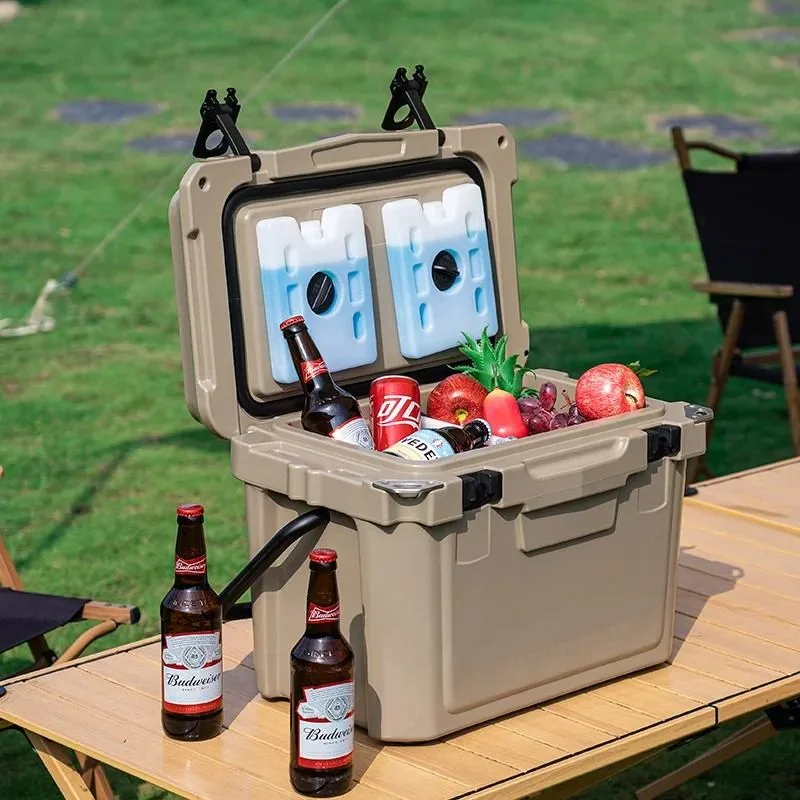

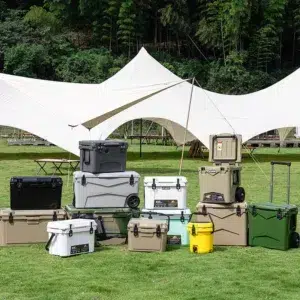
You want your plastic cooler to keep drinks cold and food safe. Sometimes, you open the lid and things feel warm instead. This can be frustrating, especially at a picnic or camping trip. KUER plastic cooler box uses strong insulation and tough materials for good cooling. Fast troubleshooting can help you fix cooling problems quickly. Try these steps and get better cooling results.
Key Takeaways
- Use large blocks of ice or frozen bottles to keep your cooler cold longer. Small ice cubes melt quickly and won’t keep your items cool.
- Check the lid and seal of your cooler regularly. A tight seal prevents warm air from entering and keeps cold air inside.
- Organize your cooler by placing heavy items at the bottom and lighter items on top. This helps cold air circulate effectively.
- Pre-chill your cooler before packing. This simple step can extend ice retention by 1-2 days, ensuring your food and drinks stay cold.
- Clean your cooler and cooling pads often. Regular maintenance keeps your cooler working efficiently and prevents buildup that can affect cooling.
Plastic cooler ice and cooling pack issues
Not enough ice or packs
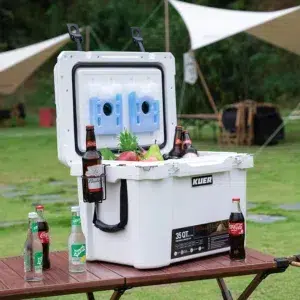
You need to put enough ice or ice packs in your plastic cooler. If not, food and drinks will quickly become lukewarm. Large ice cubes or frozen water bottles keep drinks cold longer than small ice cubes. For example, a 4.6 kg frozen water bottle can keep drinks cold for up to 37 hours in a rotomolded cooler. Large ice cubes work best, but the cooling time depends on the cooler you use. Even with KUER coolers’ excellent insulation, you still need to use the right amount of ice. Always check the remaining ice before you leave.
Ice melting too fast
If the ice melts too quickly, your outdoor plans might be ruined. Hot weather, frequent opening of the lid, and insufficient ice can all cause ice to melt rapidly. KUER plastic coolers are made with thick polyurethane foam, which can help keep ice frozen for 5-7 days, but you still need to keep the cooler in a cool, shaded place, away from direct sunlight.
Tip: Keep the plastic cooler in a cool, shaded place and minimize opening the lid to slow down ice melting.
Arranging ice for best cooling
The way you place ice and ice packs helps keep the temperature low. Place heavier frozen foods at the bottom and lighter foods on top. Use ice packs and loose ice to fill the gaps to keep all items cool. KUER coolers’ rotational molding design helps keep ice in place and promotes cold air circulation.
A cooler that is packed well keeps food and drinks cold for a longer time. With KUER’s strong insulation and smart packing, you can count on your cooler to work well on every trip.
Plastic cooler sealing and lid problems
Loose or damaged lid
A loose or damaged lid can cause a plastic cooler to lose cold air quickly. If the lid isn’t tight, warm air will enter the cooler, and ice will melt rapidly. You may find that food and drinks don’t stay cold for long. A deformed lid usually compromises the seal, causing cold air to leak out and reducing cooling efficiency. Even high-end coolers can experience these problems. Before each trip, you should check the lid for cracks, bends, or other signs of damage.
Checking the seal
The sealing ring around the lid is crucial for keeping cold air inside the refrigerator. If the sealing ring is damaged, your refrigerator will not function properly. A damaged sealing ring will cause cold air to leak out and hot air to enter. You should check the sealing ring regularly. Run your finger along the edge to check for tears or abrasions. Clean the sealing ring with a damp cloth to remove dust and sand. This helps keep the sealing ring soft and flexible.
Keeping lid closed tight
You need to keep the lid closed as much as possible. Every time you open the lid, cold air will escape and hot air will enter. Make sure the latch is secure and keeps the lid firmly closed. KUER coolers use a rotational molding process to create a sturdy, leak-proof lid. This design ensures a tight seal and prevents leaks. In addition, the UV-resistant material protects the lid from sun damage, making it durable and resistant to deformation.
Tip: Always close the lid immediately after removing items. This simple step helps the cooler maintain its low temperature for longer.
Plastic cooler packing mistakes
Properly packing a plastic insulated box helps it achieve its best insulation performance. Even though KUER insulated boxes have excellent insulation properties, how items are arranged is crucial. Proper packing allows for air circulation, thus keeping food and beverages fresh for longer.
Overpacking blocks airflow
If a refrigerator is overcrowded, cold air cannot circulate, making it difficult to maintain a low temperature. Overfilling can also compress the insulation, reducing its performance. Leave space between items to allow for airflow. If every corner is packed full, ice will melt faster, and food will heat up more easily.
Tip: Only pack what you need; don’t overfill your refrigerator.
Organizing items inside
Organizing your refrigerator helps keep food cool and makes it easier to find what you’re looking for. Try dividing your refrigerator into different sections. For example, put meat in one section and fruit in another. This helps maintain the right temperature for the food. Using storage boxes or shelves can save space and promote airflow. Place heavier frozen foods at the bottom and lighter ones on top. Check the refrigerator temperature regularly to ensure it stays cool.
Common packing errors
Many people make simple mistakes when packing their coolers. These mistakes can cause ice to melt faster and waste cold air. Here are some common mistakes:
- Overpacking: This obstructs airflow and compresses the insulation.
- Underpacking: This leaves gaps that quickly become warm.
- Mixing hot and cold items: This causes the cooler to overheat.
- Lack of organization: This affects cooling efficiency.
- Lefts that aren’t properly closed: This allows hot air to get in.
You can avoid these mistakes by planning your packing in advance and checking your cooler before you leave. Properly packed, your plastic cooler will keep your food and drinks chilled throughout your trip. Plastic cooler maintenance and cleaning
Dirty cooling pads
To ensure optimal performance of your plastic radiator, you need to keep the cooling pads clean. Dust, mineral deposits, and mold can accumulate on the pads, reducing heat dissipation efficiency. Clean cooling pads allow for free airflow, maintaining low temperatures. KUER radiators are made with easy-to-clean materials. You can see the effects of dirty cooling pads in the table below:
Low water levels
Water helps keep the cooling pad moist, thus lowering the air temperature. If the water level drops, the cooling pad will dry out, and airflow will weaken. You may notice the air temperature rise and the cooling effect decrease. Please check the water level regularly to ensure your air cooler is functioning properly.
Airflow blockage
Air needs to circulate freely inside the evaporative cooler. Blocked vents or carbon buildup on the cooling pads can impede airflow, leading to localized overheating and uneven cooling. You should check for airflow obstructions and remove any debris. If you find scale or mold, clean or replace the cooling pads.
Tip: Check the evaporator medium monthly for blockages and mineral buildup.
Cleaning and regular checks
Regular cleaning will keep your KUER plastic cooler in top condition. Follow these steps for best results:
- Take the cooler outdoors to avoid getting it dirty.
- Rinse with a garden hose to remove dirt.
- Soak in warm water and a mild detergent for 10 minutes.
- Scrub with a soft brush, paying special attention to corners and seals.
- Let it air dry completely before storing.
For stubborn stains, you can also use a vinegar solution or baking soda paste. Store the cooler in a cool, dry place with the lid slightly ajar. Regularly check the seals and hinges. KUER’s design makes cleaning quick and easy, reducing maintenance time and allowing you to fully enjoy your outdoor adventures.
Plastic cooler quality and pre-chilling
Starting with a warm cooler
You might not realize how much using a hot plastic cooler can affect cooling performance. If you take the cooler directly from the pantry and immediately fill it with items, it will consume a significant amount of ice to lower its temperature. This not only wastes ice but also shortens cooling time. Pre-cooling the cooler can extend the cooling time of your ice by 1-2 days. If you skip this step, your drinks and food will cool down much faster.
Tip: For best results, always pre-cool the cooler before filling it with items.
Pre-chilling steps
To maximize cooling time, you can pre-cool your KUER cooler by following these simple steps: Place ice cubes inside the cooler at least 12 hours before packing. Freeze water bottles for extra use. These bottles can provide cold water when they melt. Refrigerate food and beverages before packing. This reduces the load on the cooler and keeps it cold.
Note: Pre-cooling helps the thick insulation of the KUER cooler perform optimally.
Inspecting for damage
Inspect the refrigerator after each use. Check for cracks, dents, or scratches. Inspect the seals for aging quarterly. Early detection of damaged insulation or worn gaskets can prevent costly repairs. Damaged insulation reduces the refrigerator’s cooling effectiveness. If cracks or broken foam are found, the refrigerator cannot effectively trap cold air, causing food and drinks to heat up faster.
Tip: Regular inspections keep your KUER cooler reliable for every adventure.
You might see your plastic cooler is not cooling well. This can happen for many reasons. Some common problems are weak insulation, dirty seals, and blocked airflow. KUER coolers use strong rotomolded construction and thick foam. This helps ice last 5 to 7 days. Cleaning your cooler often and keeping it dry helps it work better. Try these steps to fix cooling problems:
| Step | Action |
|---|---|
| 1 | Look at the seal for damage or dirt. |
| 2 | Wipe the gasket and all surfaces clean. |
| 3 | Check if anything blocks the airflow. |
You can make your cooler work well again. Then you will have cold drinks every time you travel.
FAQ
How long does ice last in a KUER plastic cooler box?
The ice in the KUER plastic insulated box can keep food and beverages cold for 5 to 7 days. The thick polyurethane foam insulation layer keeps food and beverages cold even at high temperatures.
What should you do if your cooler stops cooling?
Check the lid and sealing ring for damage. Clean the refrigerator and cooling pad. Ensure there is enough ice. Check the vents for blockages. Pre-cool the refrigerator before packing.
Can you use ice packs instead of regular ice?
Yes, you can use ice packs. Ice packs work very well with KUER coolers. For best cooling results, use ice packs with freezer bottles or ice cubes.
How do you clean your KUER plastic cooler box?
Rinse the refrigerator with water. Use mild soap and a soft brush. Pay special attention to cleaning the corners and seals. Always dry the refrigerator thoroughly before storing. Clean it after each trip to ensure optimal performance.
What is the best way to pack your cooler?
Place frozen items at the bottom. Use bins or shelves to organize food. Leave space for air to move. Keep the lid closed tight. Pre-chill food and drinks before packing.
 Request a quote
