
If you went shopping for an ice box in 1923, you would see prices like $27.95 for one with enamel lining. A bigger steel ice box cost $56.95. The price changed based on size, materials, and extra features.
Today, cooler boxes like the KUER Cooler Box have better insulation and last longer. They often cost about the same or less than old refrigerators.
Key Takeaways
- Historical ice box prices ranged from $10 to $56.95 between the 1800s and 1920s, varying greatly based on their size and material.
- Modern cooler boxes like the KUER keep items cold for up to a week because they have superior insulation and are easier to use.
- Electric refrigerators replaced traditional ice boxes in the 1930s to make food storage much more efficient and convenient for families.
- Antique ice boxes can sell for $100 to $3,000 today depending on their age, overall condition, and unique special features.
- Investing in an ice box or cooler with excellent insulation saves you money over time by reducing how much ice you need to buy.
Ice box prices over time
1800s to early 1900s
By the late 19th century, freezers had become commonplace in many households. Most used wooden cabinets lined with tin or zinc. The price of a freezer varied depending on its size and materials. A simple freezer cost between $10 and $25, a considerable sum at the time. Larger freezers with more components or elaborate decorations were even more expensive. The need to frequently purchase ice further increased the cost of living. In cities, ice could be delivered to homes, making food preservation much more convenient.
1920s and 1930s
In the 1920s, businesses began using enamel and steel. These materials could retain low temperatures for longer and were easier to clean. In 1923, an enamel-lined icebox cost $27.95. A larger steel icebox, holding 100 pounds of ice, cost $56.95. Brands like Coleman, Igloo, and Pelican began to gain recognition. People began to value brands. For example:
- Coleman sold ice boxes that families could afford.
- YETI and Pelican cost more because people trusted them.
- Igloo was popular in many homes because it had many choices.
In the 1930s, with the advent of refrigerators, the price of freezers dropped. More and more families bought refrigerators, and the use of freezers decreased accordingly. The price of ice also changed. By the 1940s and 50s, a block of ice cost only a few cents. With technological advancements, people no longer needed to order ice every day.
Note: The government and new technology made refrigerators cheaper. Programs like the Healthy Refrigeration Grant Program and ENERGY STAR helped families save money.
| Evidence Type | Description |
|---|---|
| Energy Efficiency Programs | These gave money to help buy energy-saving appliances. |
| ENERGY STAR Certification | This means refrigerators use less energy and save money. |
| Healthy Refrigeration Grants | These programs helped more people get refrigerators. |
Antique ice box values today
Currently, used freezers range in price from $100 to $3,000. The price depends on its appearance, size, and features. Collectors prefer freezers with more parts or more complete functions. Small freezers are popular because they are easy to move and store. These days, people prefer simple freezers to fancy designs. If you want to buy or sell a used freezer, its age and shape are crucial.
Here are some examples of resale prices:
- Old wooden ice boxes usually sell for $500 to $3,000.
- Small ice boxes often sell for a few hundred dollars.
- Big ice boxes with many parts can cost a few thousand dollars.
- If an ice box has new cooling parts, it can cost even more.
You can see that freezer prices vary greatly. Today’s collectors want freezers that match their home décor. Prices reflect current preferences.
Ice box cost factors
Size and materials
The size of a freezer greatly affects its price. Larger freezers are more expensive because they can hold more food and require more materials to manufacture. Smaller freezers are suitable for home use, while larger ones are used in stores. The materials used in a freezer also affect the price. Early freezers were made of wood, but later steel and enamel were used. Steel is less prone to rust and has a longer lifespan. Enamel is easier to clean. Insulation is crucial for keeping food cold. Polyurethane foam is the best choice, as it can keep food cold for years. Cheaper insulation materials like polystyrene are less effective at keeping food warm and will increase your costs in the long run.
Tip: Choose a cooler with thick insulation and strong materials if you want ice to last longer.
| Insulation Type | Thermal Stability | Typical Lifespan | Impact on Your Cost |
|---|---|---|---|
| PU Foam | Very high | 5-8 years | Lowest long-term cost |
| EPP | High | 4-6 years | Balanced cost and durability |
| EPS | Low | 1-2 years | Higher replacement and spoilage cost |
Features and design
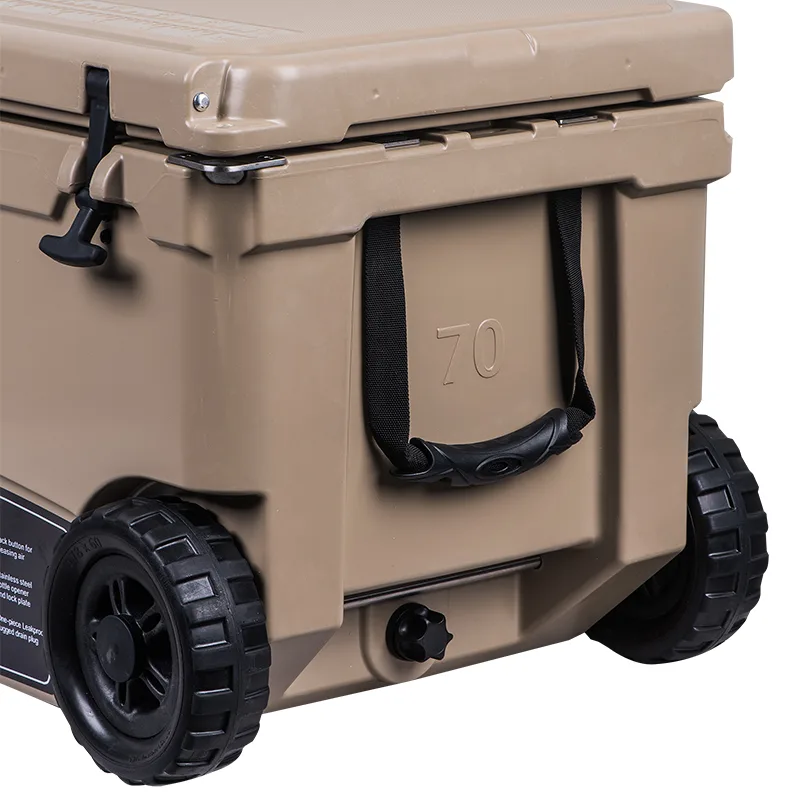
Additional features and design elements enhance the ice pack’s practicality. A molded handle makes it easy to carry. A cup holder makes it convenient to take on the go. A drain plug allows for quick drainage of any water buildup. A sturdy latch ensures the lid closes tightly, preventing hot air from entering. A sealing ring helps prevent leaks and keeps food cold. Polyurethane foam is the best material for keeping food cold. For best results, the lining or casing should be seamless. A two-inch thick layer of foam significantly improves insulation.
Ice delivery and upkeep
The cost of your freezer purchase includes more than just the freezer itself. You’ll need to buy ice regularly to keep food cold. Additionally, you’ll need to clean the freezer twice a year. Repairing damaged parts can be expensive, sometimes costing as much as $2,000. Ice makers consume water and electricity; an ice maker can use approximately 44,000 gallons of water per year. These additional costs can exceed the price of the freezer itself. Proper maintenance will extend the lifespan of your freezer and save you money.
Comparing ice boxes and refrigerators
Early refrigerator prices
The situation changed dramatically when people began refrigerating food at home. Iceboxes were much cheaper than the original refrigerators. For example, in 1984, a Kenmore refrigerator cost $1,359.99, equivalent to about $3,900 today. By 2024, a similar refrigerator would cost around $998. Prices have gradually decreased as technology has advanced and more people have purchased them.
| Year | Model | Price (Nominal) | Labor Hours Required | Adjusted Price (Inflation) |
|---|---|---|---|---|
| 1984 | Kenmore Refrigerator | $1,359.99 | 163 | $3,900 |
| 2024 | Comparable Refrigerator | $998 | 33 | N/A |
| 2025 | Whirlpool Refrigerator | $1,658 | 53 | N/A |
There are many reasons why people are no longer using freezers. They want more convenient and feature-rich products. Companies like General Electric have launched new models with stylish designs and better performance. Older appliances simply don’t seem to work as well anymore.
Transition to modern coolers
With safer refrigerants and better-performing electronic components, people have switched from iceboxes to insulated coolers. The advent of Freon improved refrigerator safety and cooling performance. As prices have fallen, more people can afford insulated coolers, making food refrigeration more convenient and economical.
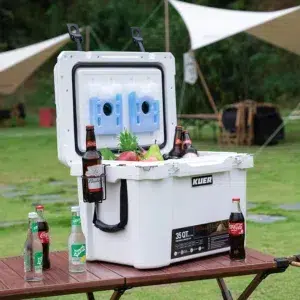
Now, you can choose products like KUER insulated coolers. These coolers use special insulation and lightweight materials, making them easy to carry and keeping food cold for up to a week. Older iceboxes, on the other hand, only keep food cold for about two days. KUER coolers are available in various sizes, ranging from 10 quarts to 75 quarts, allowing you to choose the right size for your needs.
| Model | Volume (QT) | External Dimensions (in) | Weight (kg) | Cooling Time (days) |
|---|---|---|---|---|
| Kuer-A 20QT | 20 | 21.1 x 13.3 x 14.3 | 6.9 | ≥5 |
| Kuer-A 45QT | 45 | 26.4 x 16.1 x 16.3 | 10.9 | ≥5 |
| Kuer-A 75QT | 75 | 33.2 x 18.1 x 17.9 | 15.4 | ≥5 |
| Kuer-B 10QT | 10 | 17.3 x 11.4 x 12.5 | 4.5 | ≥5 |
| Kuer-B 20QT | 20 | 21.1 x 13.3 x 14.3 | 6.9 | ≥5 |
| Kuer-B 35QT | 35 | N/A | N/A | ≥5 |
Modern cooler boxes fix many problems old ice boxes had:
- They use better insulation to keep things cold longer.
- They are lighter and easy to move.
- Handles and smart shapes make carrying simple.
You can see how cooling has changed over time. Now, you have more ways to keep food and drinks cold at home or outside.
The price of iceboxes rose from $10 in the 19th century to $56.95 in the 1920s. Prices varied depending on size, materials, and added features. An early refrigerator from 1927 was equivalent to about $7,000 in today’s money. That was significantly more expensive than today’s iceboxes or freezers. Over time, refrigeration technology became increasingly cheaper and more efficient.
- Electric fans and ice boxes were simple at first.
- Refrigerators and air conditioning made cooling easier for people.
- Cooler boxes like KUER are easy to use and cost less.
Now you can pick the best way to keep things cold.
FAQ
How much did a typical ice box cost in the 1920s?
Enameled ice cube trays cost approximately $28. Larger steel ice cube trays cost approximately $57. Prices vary depending on size and material.
Why did ice boxes become less popular after the 1930s?
Refrigerators are cheaper and more convenient to use. They keep food cold for longer and are easier to operate. Many families are starting to switch to refrigerators.
How long can modern cooler boxes like the KUER Cooler Box keep ice cold?
KUER coolers can keep you cold for five to seven days. The exact time depends on your model and outdoor weather conditions.
What factors affect the price of an ice box or cooler?
Price depends on size, material, and insulation performance. Additional accessories such as handles or drain plugs can also affect the price. Better insulation costs more but keeps ice at a low temperature for longer.

 Request a quote
