
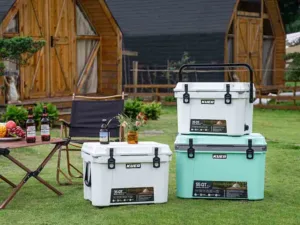
The right cooler size depends on three core factors: trip length, number of people, and what you plan to store. A solo day hike requires far less capacity than a week-long family camping trip. For a weekend trip for two people, a 45-quart cooler hits the ideal sweet spot between capacity and portability. This guide breaks down exact quart ranges for every common scenario, with clear recommendations based on real-world use, so you can keep food fresh and drinks cold without wasting space or overpacking.
Key Takeaways
- Choose cooler box size based on group size and trip duration, with larger capacities needed for longer trips or more people.
- 15–25 quarts work well for solo day trips, while 35–45 quarts suit couples and short weekend trips.
- Families and groups of 4–6 generally need 45–75 quarts, while extended trips may require 75+ quarts.
- Allow roughly 30–50% of the cooler’s capacity for ice when planning how much usable storage you need.
- Consider food, drinks, ice type, and packing style together rather than choosing a cooler based on capacity alone.
How to Choose the Right Cooler Size
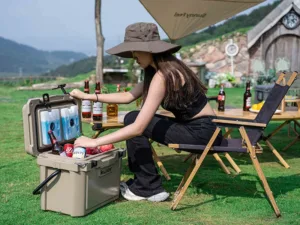
Cooler sizing starts with two core numbers: how many people you’re feeding, and how many days the trip will last. You also need to account for ice, which takes up a significant share of interior space. The table below maps common group sizes and trip durations to recommended capacity ranges:
| Group & Trip Length | Recommended Quart Range | Best For |
|---|---|---|
| Solo, 1 day | 15–25 quarts | Day hikes, picnics, beach trips |
| Couple, 2–3 days | 35–45 quarts | Weekend camping, road trips for two |
| Small group (4–6 people), 2–3 days | 45–75 quarts | Family camping, group weekend outings |
| Extended group / long trips | 75+ quarts | Multi-day family adventures, large group outings |
Small Coolers (15–25 Quarts)
Compact and highly portable, small coolers are ideal for solo day trips, picnics, or short outings with 1–2 people. A 15-quart model holds roughly 15 cans plus snacks, enough for a full day out. A 25-quart size adds extra room for larger lunches or extra snacks without adding unnecessary bulk.
Medium Coolers (35–45 Quarts)
This is the most versatile range for couples and small groups. A 45-quart cooler is the sweet spot for a 2–3 day weekend trip for two: it balances easy carrying with enough room for food, drinks, and ice. When packed properly, it delivers roughly 15 quarts of usable food and drink space with enough ice to keep everything cold for multiple days.
Large Coolers (60+ Quarts)
For families of four or groups of 4–6 people on multi-day trips, 60–75 quarts is the baseline. A 60-quart model provides roughly 30 quarts of food and drink space when packed with 50% ice, enough for a 3-day family camping trip. 75+ quart models work for longer trips, larger groups, or people who prefer to pack extra food and drinks without restocking.
Key Factors That Determine Cooler Size
Number of People and Trip Duration
Group size and trip length are the foundation of cooler sizing. Use this simple formula as a starting point: 2 quarts of food space per person per day, then add 30–50% extra capacity for ice.
For example, a group of four on a 3-day trip needs roughly 24 quarts for food alone. Adding ice pushes the total required capacity to 35+ quarts — and closer to 60 quarts for optimal ice retention on longer trips.
Food, Drinks and Ice Capacity
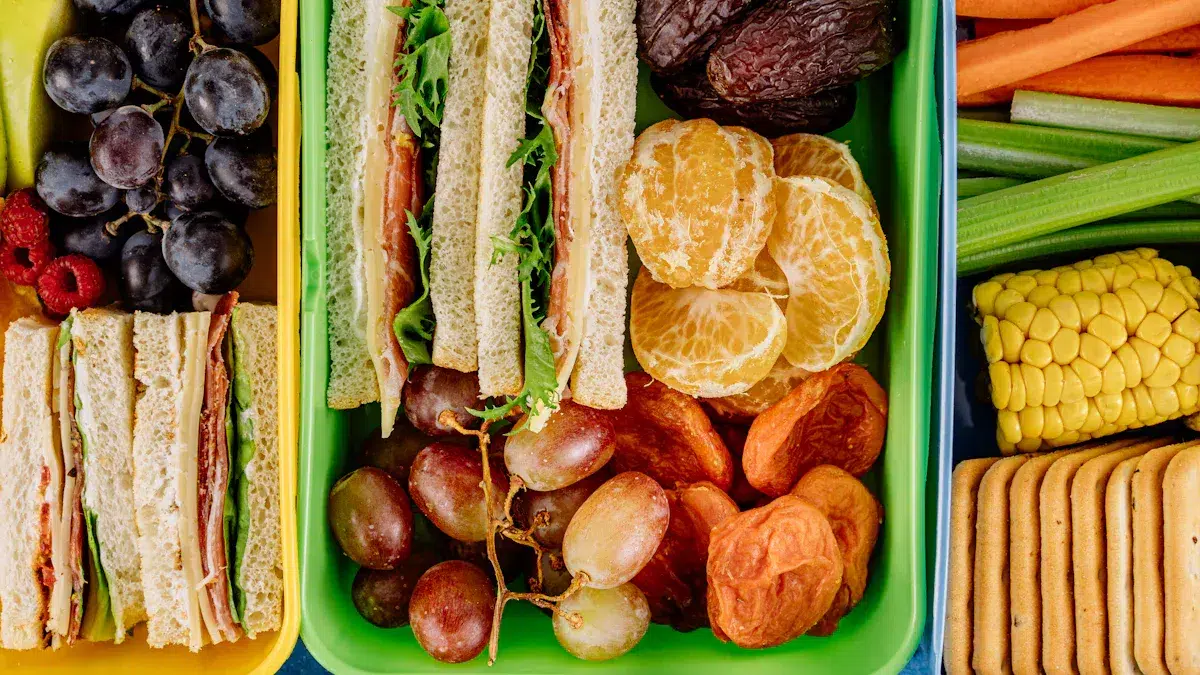
Ice is not an afterthought — it makes up 30–50% of a well-packed cooler. For maximum cooling performance, follow the 2:1 ice-to-goods rule: pack twice as much ice by volume as food and drinks. For 3-day or longer trips, allocate 50% of total capacity to ice.
Block ice is more compact than cubed ice, so it takes up less space for the same cooling power, freeing up more room for food and drinks. No matter what ice type you use, always factor its volume into your size calculation — skipping this is the most common reason coolers end up too small.
FAQ
Is a Bigger Cooler Always Better?
Not necessarily. A larger cooler provides more storage space but can become heavy and difficult to transport when fully loaded. If you rarely need the extra capacity, a smaller model may be more practical.
Does Cooler Shape Affect How Much It Can Hold?
Yes. Two coolers with the same listed capacity can have different usable storage space depending on their internal shape, wall thickness, and compartment design. A wider interior can also make packing larger food containers easier.
Should I Choose a Hard or Soft Cooler?
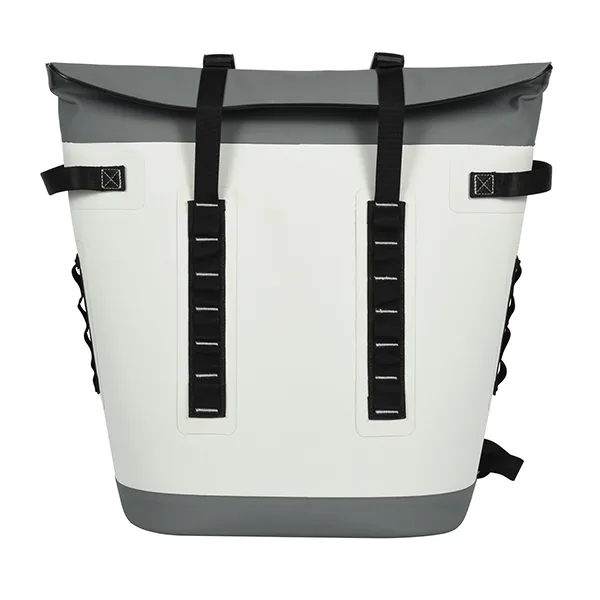
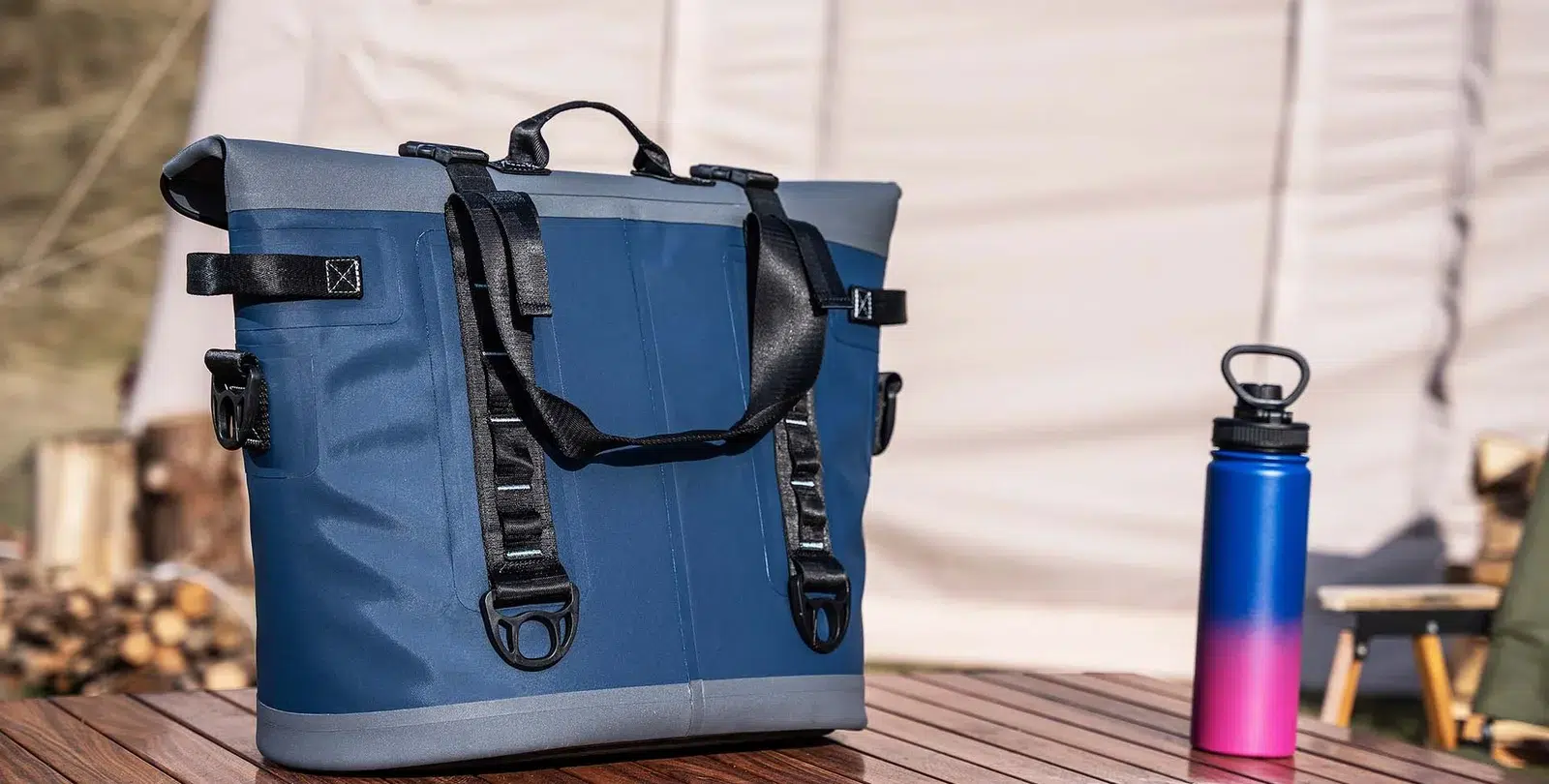
Choose a soft cooler when portability and easy storage are priorities. A hard cooler is generally more suitable when you need greater durability, more rigid storage, or longer-term outdoor use.
How Much Extra Space Should I Leave in a Cooler?
Avoid filling the cooler completely with food and drinks. Some open space makes packing easier and allows you to add ice or rearrange contents during the trip. A little extra capacity can also be useful when your packing needs vary from one outing to another.
Can I Use One Cooler for Both Food and Drinks?
Yes, but separating frequently accessed drinks from perishable food can make the cooler more efficient to use. For longer trips, using separate coolers can also reduce the number of times the food cooler is opened.
 Request a quote
