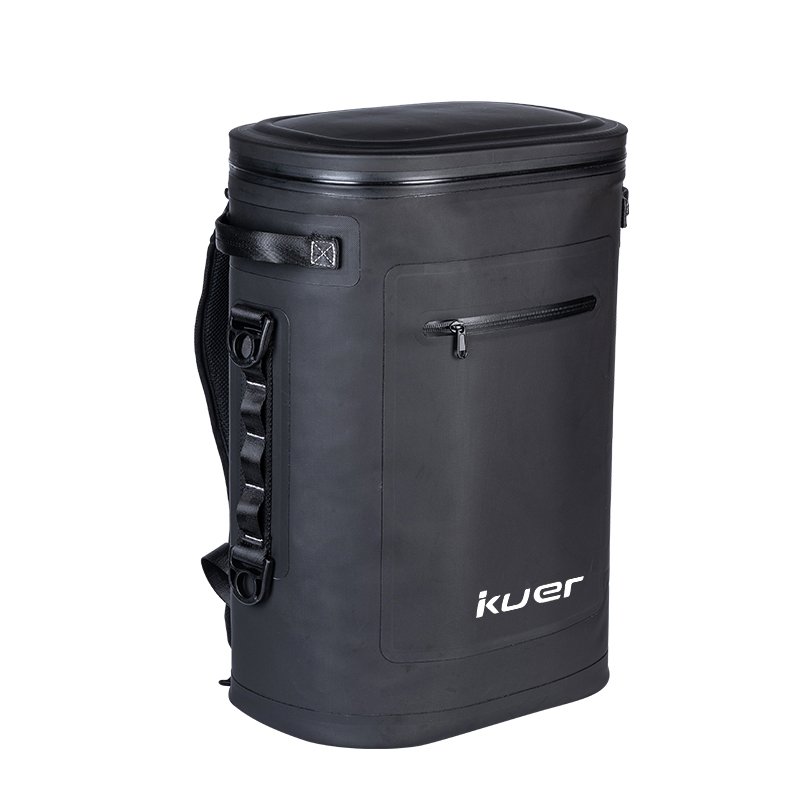

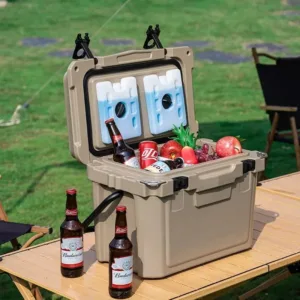
Keeping food safe and drinks icy on road trips, camping getaways, or day outings depends on making your cooler stay cold efficiently. Many people unknowingly waste ice with poor packing habits or wrong gear choices.
This guide breaks down how to pick the right cooler, pre-chill it correctly, pack it for maximum cold retention, and maintain low temperatures from departure to destination.
Key Takeaways
- Pre-chill your cooler and all food/drinks for 24 hours before packing to reduce ice workload.
- Pack tightly with a 2:1 ice-to-contents ratio (two-thirds ice, one-third food) to eliminate warm air pockets.
- Store the cooler in shade and open the lid as rarely as possible to trap cold air inside.
Choose the Right Cooler and Pre-Chill Before Packing
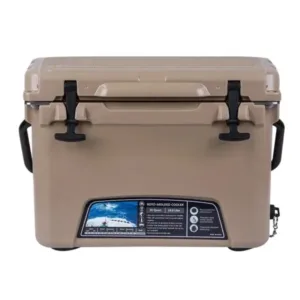
Your cooler’s build quality is the foundation of how long ice lasts. Two factors matter most: insulation performance and lid seal.
Cooler Type Comparison
Rotomolded coolers are built from a single thick plastic piece with no heat-leaking seams, lined with dense foam. Standard coolers use lower-grade foam with much lower insulating value.
| Cooler Type | Wall Thickness | Ice Retention (Normal Conditions) |
|---|---|---|
| Rotomolded cooler | 2.0–3.0 inches | 5 to 10+ days |
| Standard cooler | 0.5–1.5 inches | 12 hours to 2 days |
Lid Seal Quality
A tight rubber gasket seal is just as critical as thick walls. When latched closed, the gasket presses firmly against the cooler body, blocking air exchange. This prevents warm air from seeping in and cold air from escaping, maintaining a steady internal temperature.
Pre-Chill Everything 24 Hours Early
Lowering the starting temperature inside your cooler box is the easiest way to make ice last longer.
- Cool the empty cooler itself for at least 24 hours before packing.
- Refrigerate or freeze all food and drinks ahead of time.
- When items start out cold, ice doesn’t waste energy cooling them down — it only maintains temperature.
For best results, use frozen saltwater bottles instead of regular cubed ice. Saltwater freezes at a lower temperature, stays frozen longer, and provides more consistent cooling. Use airtight containers and heavy plastic bags to keep food dry and protect ice from excess moisture.
How to Pack a Cooler for Travel
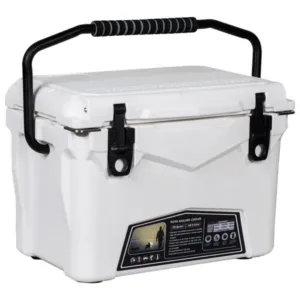
Proper packing can add hours — even days — of cold time. The goal is to eliminate warm air pockets and create a stable cold zone.
Layer Items From Coldest to Warmest
Cold air sinks, so place the coldest, heaviest items at the bottom. Follow this proven layering sequence:
- Line the bottom with block ice for a solid cold base.
- Add frozen goods directly on top of the block ice.
- Fill gaps with cubed ice to remove air pockets.
- Place drinks and ready-to-eat snacks on the top layer for easy access.
- Top with a final layer of ice cubes or ice packs.
Stick to the 2:1 Ice-to-Contents Ratio
For optimal cooling, use twice as much ice as food and drinks (two-thirds ice, one-third contents). This ratio provides enough thermal mass to hold low temperatures for hours.
Combine large block ice (for long-lasting base cold) and cubed ice (to fill gaps) for the best results. Frozen water bottles work double duty: they act as ice blocks and provide drinking water as they thaw.
Fill Every Empty Space
Air pockets are the biggest enemy of ice retention. Empty space warms quickly and speeds up melting. Fill all gaps with extra ice, frozen bottles, or cold food items.
Keep Your Cooler Cold on the Road
Sun and warm outdoor air work against your cooler during travel. These habits preserve ice and keep temperatures steady.
Keep It in Constant Shade
Direct sunlight heats a cooler rapidly. Always park your cooler in a shaded spot — under a tree, behind your vehicle, or under an awning. Move the cooler throughout the day to follow the shade as the sun shifts.
For extra protection, use a reflective mylar blanket or light-colored towel over the cooler. Reflective covers bounce sunlight away and add an extra insulation layer. Parking on the north side of a building provides all-day steady shade.
Open the Lid As Little As Possible
Every lid release lets cold air escape and warm air rush in. Plan ahead: take out everything you need for a meal or snack in one trip, then close the lid immediately.
Pack strategically: place frequently accessed items (drinks, snacks) at the top, and perishables (meat, dairy) deeper down. If space allows, use a separate cooler for drinks so your food cooler stays closed more often.
Check Ice Levels at Rest Stops
During long drives, check ice levels when you stop. If melting is faster than expected, add extra frozen water bottles to top up cold mass and fill gaps. Follow the meltwater rule from earlier to preserve remaining ice.
Keep Food Cold & Safe at Your Destination
Cooler care doesn’t stop when you arrive. Follow these rules to keep supplies safe long after you park.
Maintain Shade & Limit Lid Openings
Continue storing the cooler under a tree, picnic table, or vehicle. Keep using a reflective cover if you have one. Follow the same “one trip” rule for opening the lid to preserve cold air.
Follow Food Safety Guidelines
Bacteria grows quickly above 40°F (4.4°C). Perishables like meat, dairy, and cooked leftovers become unsafe after 2 hours above this temperature.
- Keep a small thermometer inside your cooler to monitor temperatures.
- Store raw meat in sealed containers at the bottom to prevent juices from dripping onto ready-to-eat food.
- Discard any food that has been out of the cooler for more than 2 hours.
- Check ice levels each morning and top up with frozen bottles before supplies run low.
For multi-day trips in extreme heat, dry ice can extend freezing time. Handle with care: always wear gloves, and never store dry ice in a sealed car, tent, or closed room — it releases carbon dioxide gas.
FAQ
How long does a rotomolded cooler keep ice?
A high-quality rotomolded cooler (like KUER models) holds ice for 5–7 days in normal outdoor conditions. Thick PU foam walls and a tight gasket seal slow heat transfer. Staying in shade and limiting lid openings extends this window even further.
Do you need to pre-chill a cooler before a trip?
Yes. Pre-chill the empty cooler and all food/drinks for at least 24 hours before packing. This lowers the starting temperature inside the box, so ice melts much slower.
Should you drain meltwater from a cooler?
No, in most cases. Cold water surrounds remaining ice and acts as a liquid blanket to slow melting. Only drain the cooler if the water level rises high enough to soak your food.
What temperature keeps food safe in a cooler?
Perishables must stay below 40°F. According to the USDA, fresh poultry stays safe at or below 40°F for 1–2 days. Always discard food left out at room temperature for over 2 hours.
How much ice do you need for a well-packed cooler?
Aim for a 2:1 ice-to-contents ratio — roughly two-thirds ice and one-third food/drinks. Use large block ice for the base layer and cubed ice to fill gaps for the best performance.
 Request a quote
