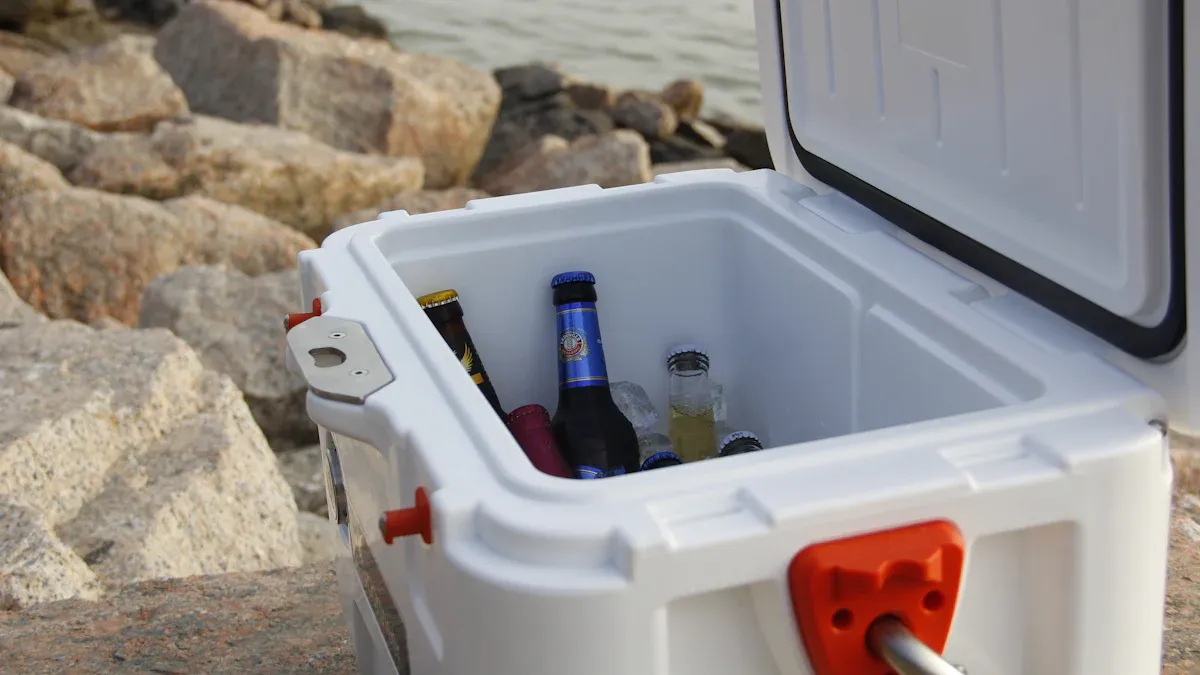

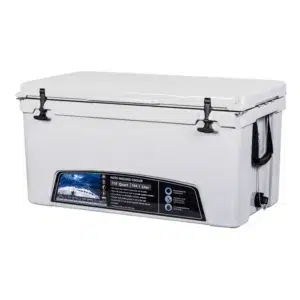
You might see that most people pick a plastic cooler for trips outside. New research says plastic coolers make up about 65% of the camping cooler market. Metal coolers only have 20%. People like plastic coolers because they cost less, are easy to clean, and are not heavy. The table below shows what is important when you choose a cooler:
| Factor | Plastic Coolers | Metal Coolers |
|---|---|---|
| Cooling | Good for most needs | Great in high heat |
| Cost | Budget-friendly | More expensive |
| Maintenance | Easy to clean | Needs rust prevention |
If you want something you can trust, the KUER plastic cooler is a top choice for its good quality and how well it works.
Key Takeaways
- Plastic coolers, like the KUER model, are light. They do not cost much money. They are simple to clean. This makes them great for outdoor fun.
- Metal coolers are very strong. They can handle tough weather. But you need to take care of them more. This stops rust and damage.
- On long trips, plastic coolers keep ice for 5 to 7 days. Metal coolers usually keep drinks cold for about 12 hours.
- Pick a cooler that fits what you need. Use plastic for camping and picnics. Use metal for hard jobs in tough places.
- Always clean and dry your cooler after you use it. This helps it work well and last longer, no matter what it is made of.
Comparing the Cooling Performance of Plastic vs. Metal Coolers
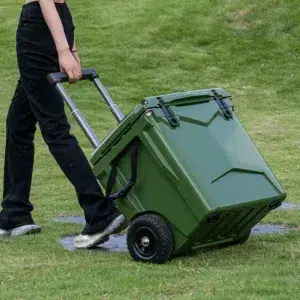
Plastic Cooler Insulation
If you’re looking for a cooler that can keep food and drinks cold for days, insulation is paramount. Plastic coolers typically use thick foam inside the walls to slow heat penetration. KUER plastic coolers excel in this regard. They utilize advanced polyurethane foam that effectively traps cold air and blocks heat. This design allows KUER coolers to keep drinks cold for 5 to 7 days, even when used outdoors in summer. You can confidently pack your food and drinks, ensuring they stay fresh throughout your journey.
Many plastic coolers on the market use similar foam insulation materials, but the thickness and quality vary greatly. KUER coolers use a rotational molding process, meaning the foam fills every space inside the cooler. This process provides superior insulation and reduces weak points where heat can easily penetrate. If you’re planning a camping trip or a long picnic, a high-quality plastic cooler like KUER will provide reliable cooling performance.
Metal Cooler Insulation
Metal insulated cases employ different insulation methods. Many top brands, such as Stanley, use vacuum insulation and double-wall construction. In a vacuum-insulated metal insulated case, a vacuum layer is formed between two layers of stainless steel. This vacuum layer prevents heat transfer within the insulated case by blocking convection. This design can keep beverages cold for over 12 hours and warm for 4 to 6 hours. The double-wall construction further enhances the insulation, making it even harder for external heat to transfer to food and beverages.
Metal insulated cases generally feel robust and durable, able to withstand rough use. This type of insulation is ideal for short trips or situations where beverages need to be kept cold for a day. However, most metal insulated cases do not keep drinks cold as long as high-quality plastic insulated cases. Due to the lack of a thick foam layer, metal insulated cases may lose cold air more quickly, especially with frequent opening.
Performance in Extreme Temperatures
You might wonder how different types of insulated boxes perform in extremely hot or cold weather. Plastic insulated boxes, like the KUER plastic insulated box with thick foam, can keep ice cubes warm for days, even in direct sunlight. The foam layer blocks heat, maintaining a stable internal temperature. Therefore, plastic insulated boxes are ideal for summer camping, fishing, or road trips.
Metal insulated boxes with vacuum insulation also perform quite well, especially in keeping drinks cold all day. The metal outer shell reflects some heat, while the vacuum layer slows down temperature changes. However, if a metal insulated box is exposed to direct sunlight for an extended period, the metal outer shell will become very hot to the touch. If you frequently open the lid, the internal temperature may rise even faster.
Tip: For the best cooling performance, always pre-chill your cooler and use large ice blocks. This works for both plastic and metal coolers.
Durability and Lifespan: Plastic vs. Metal Coolers
Plastic Cooler Durability
If you choose a plastic insulated box, you certainly want it to be sturdy and durable. The KUER insulated box is made using a one-piece molding process, meaning it has no weak points or seams. Thick walls and sturdy corners further enhance its strength. Even if dropped from a height of 15 meters, the KUER insulated box will remain intact. A UV protection layer effectively protects the insulated box from sunlight, and it will not fade or weaken even after being left outdoors for many days. This insulated box is durable and has a lifespan of several years.
Metal Cooler Durability
Metal radiators feel sturdy and durable, and are not easily dented or scratched. However, over time, metal radiators can also develop problems. Repeated heating and cooling can cause cracks at the joints, a condition known as thermal fatigue. Humid environments, especially damp places, can lead to rust. Rust gradually weakens the metal. Sometimes, internal solder can move, causing short circuits and reducing the radiator’s performance.
| Failure Reason | What Happens | When It Happens | How to Prevent |
|---|---|---|---|
| Thermal cycle fatigue | Cracks at joints, burnout | Big temperature changes | Stronger structure |
| Corrosion | Metal wears away, weakens | High humidity | Seal against water |
| Migration | Short circuits, less cooling | Wet conditions | Seal against water |
Longevity Over Time
You’ll certainly want your insulated box to accompany you on many trips. Plastic insulated boxes like KUER are less prone to cracking, fading, or breaking, maintaining their shape and strength for years. Metal insulated boxes can also last a long time if properly cared for and protected from rust, but require more care to remain sturdy and durable. If you want an easy-to-care-for and robust insulated box, a high-quality plastic insulated box is undoubtedly the wise choice.
Maintenance and Cleaning Considerations for Plastic and Metal Coolers
Cleaning Plastic Coolers
You certainly want your insulated box to always be clean and ready for every trip. Cleaning plastic insulated boxes is simple and quick. Most stains and odors can be removed with a simple cleaning. Here are some ways to keep your insulated box clean:
- Mix warm water with a mild detergent.
- Wipe the inside and outside with a soft towel or sponge.
- Rinse with clean water.
- For tough odors or mold, use a mixture of vinegar and water.
- For deep cleaning, use a mild bleach solution, then rinse and let it air dry.
Hard-shell insulated boxes can be scrubbed with more force, which helps remove sticky stains or dirt from outdoor use. KUER plastic insulated boxes will not rust, so you don’t need to worry about water damage during cleaning.
Tip: Always dry your cooler with the lid open after cleaning. This stops mold and keeps it smelling fresh.
Cleaning Metal Coolers
Metal coolers require more careful maintenance. You should wipe them with a damp cloth dampened with mild soapy water. Avoid using strong chemical cleaners, as they can damage the metal surface. After cleaning, be sure to dry the cooler thoroughly. Water residue left in corners or seams can cause rust over time. If any rust is found, clean it immediately to prevent the corrosion from spreading.
Mold, Rust, and Odor
Plastic insulated boxes are not prone to rust, so you only need to be mindful of mold or lingering odors. Regular cleaning and drying will prevent these problems. Metal insulated boxes, on the other hand, are susceptible to various types of corrosion.
- Crevice corrosion happens in tight spaces where water collects.
- Stress corrosion cracking can occur if the cooler faces high stress and heat.
- Microbiologically influenced corrosion starts when bacteria form a film on the metal.
Aluminum coolers may develop pitting corrosion due to impurities in the water. Stainless steel coolers may experience problems if exposed to salt or acidic liquids. Keeping the cooler clean and dry after each use can reduce these risks.
Plastic coolers like KUER are rust-resistant, easy to maintain, and a smart choice for outdoor adventures.
Cost and Value: Plastic vs. Metal Coolers
Plastic Cooler Price Range
There are many plastic insulated boxes on the market at various price points. Most plastic insulated boxes are priced between $20 and $80. KUER plastic insulated boxes offer both high performance and durability within this price range. They feature thick insulation, a robust rotational molding construction, and UV protection. The initial investment is low, and long-term savings are even greater. Cleaning costs are also low, typically only $5 to $15 per year. Furthermore, no special cleaning products or tools are required.
Tip: If you want a cooler for camping, picnics, or road trips, a plastic cooler gives you good value for your money.
Metal Cooler Price Range
Metal insulated boxes are more expensive than plastic ones. Most metal insulated boxes range in price from $60 to $200. Stainless steel and aluminum insulated boxes are generally more expensive. You may also need to spend extra on rust prevention treatments or repairs. Maintenance costs can reach $20 to $30 per year. Metal insulated boxes have a longer lifespan, but you must take good care of them to prevent rust and dents.
Long-Term Value
When comparing total costs over five years, plastic insulated boxes are more cost-effective for most users. Plastic insulated boxes need to be replaced every 2 to 4 years. Metal insulated boxes can last 4 to 8 years, but maintenance costs accumulate over time. The table below shows the cost comparison:
| Cost Factor | Plastic Cooler Box | Metal Cooler Box |
|---|---|---|
| Initial Purchase Cost | $20–$80 | $60–$200 |
| Maintenance Cost/Yr | $5–$15 | $20–$30 |
| Replacement Frequency | 2–4 years | 4–8 years |
| Total Ownership (5 Years) | $70–$110 | $140–$240 |
| Hidden Costs | Replacement, lost insulation | Rust, dents, heavy transport |
In the long run, plastic insulated boxes are more cost-effective. They also avoid rust and hidden costs incurred during transportation. If you want an insulated box that is both economical and functional, a plastic insulated box like KUER is definitely a wise choice.
Design and Portability: Plastic vs. Metal Coolers
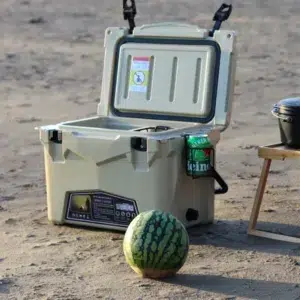
Weight and Handling
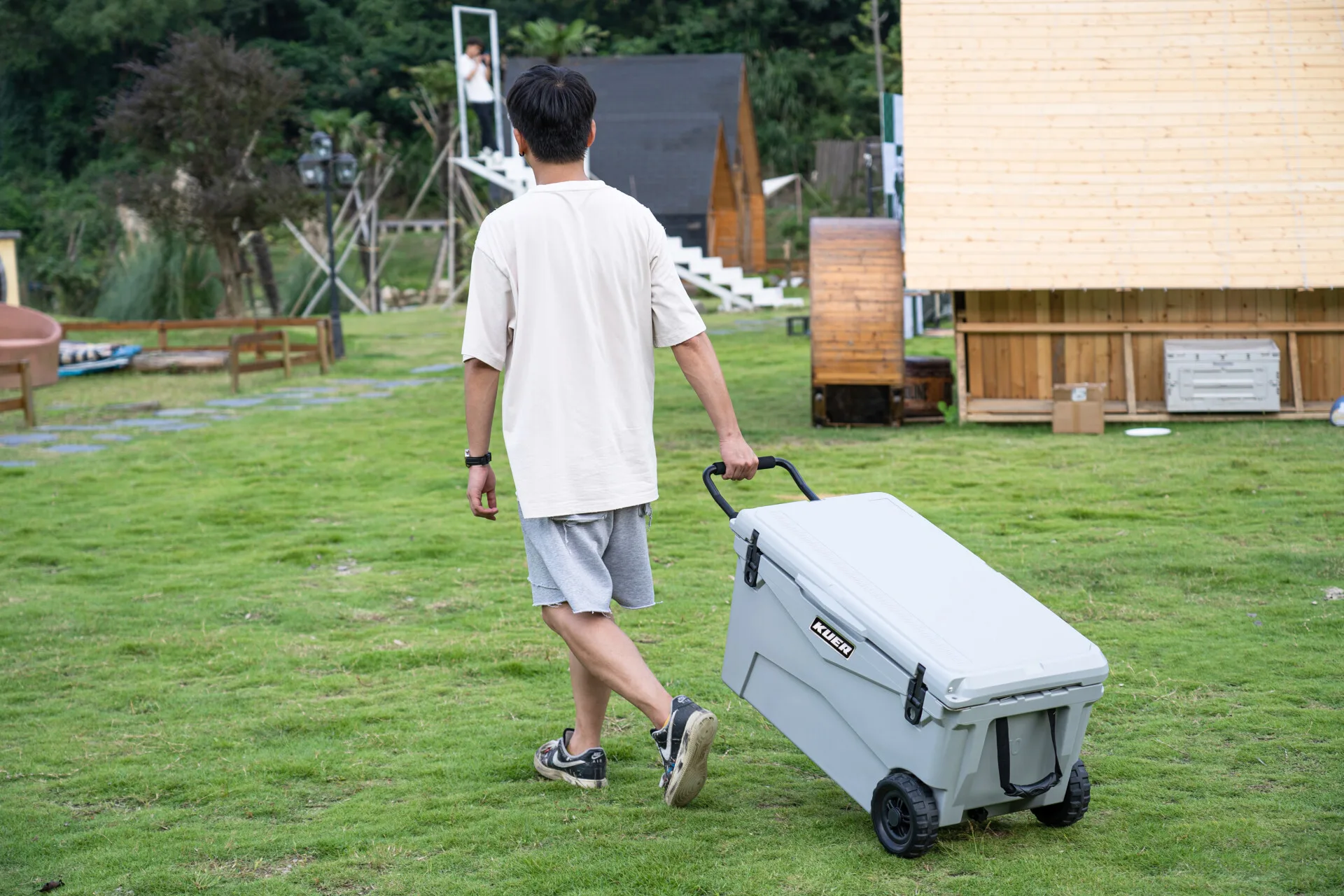
You need a portable cooler. The advantage of plastic coolers lies in their lightweight nature. You can easily lift and move them, making them ideal for camping, fishing, or outdoor picnics. Metal coolers, even empty, feel heavier. The extra weight comes from the metal casing and accessories. If you need to walk long distances or load the cooler into your car, you’ll notice the difference in weight. Many plastic coolers, such as KUER plastic coolers, come with sturdy handles, and some even have wheels. These designs help you move the cooler more easily.
Size and Storage
Insulated coolers come in various sizes. A 50-quart (approximately 45.6 liters) cooler can hold about 50 cans of drinks plus ice. This size is suitable for small weekend trips. Larger coolers offer better insulation because of their superior insulation, keeping ice hot for longer. However, you might find large coolers more difficult to carry and store. Small coolers fit easily in a car trunk or closet, but have a smaller capacity. Plastic coolers are made using a rotational molding process, making them sturdy, durable, and waterproof. You can stack them or slide them into tight spaces. Metal coolers typically have thicker walls and hardware, thus taking up more space. You should choose the appropriate size based on your travel plans and storage space.
Features and Accessories
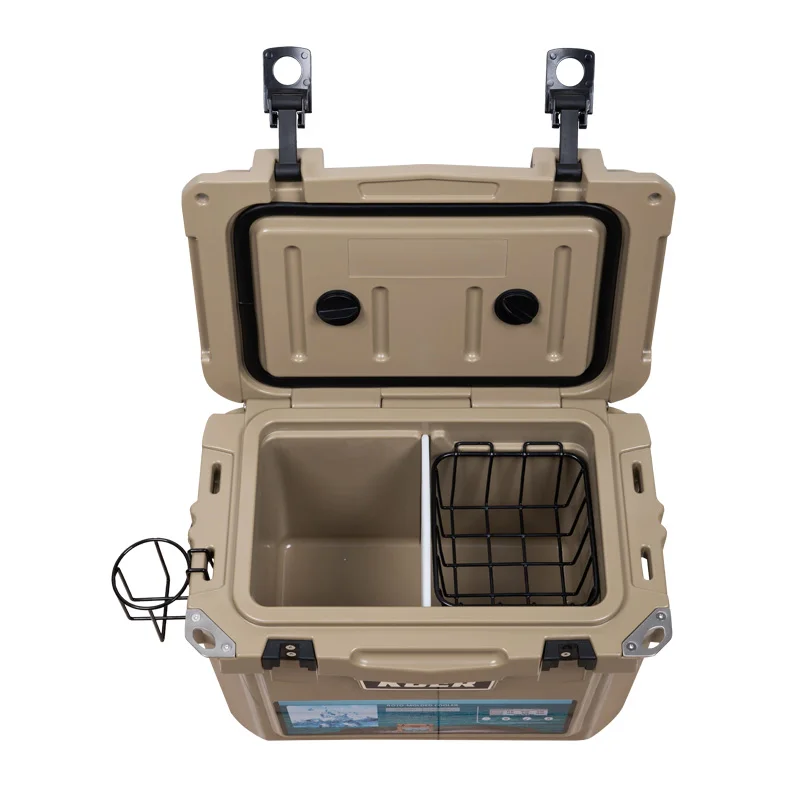
Modern coolers are feature-rich and practical. Plastic coolers typically come equipped with built-in bottle openers, non-slip bases, and sturdy locks. Some models also feature cup holders or fish rulers on the lid. Both plastic and metal coolers may be equipped with wheels and sturdy handles for easy transport. Metal coolers sometimes also feature stylish finishes or more robust hinges. When choosing a cooler, select the features that best suit your needs. A well-designed cooler can make your outdoor experience easier and more enjoyable.
Tip: Choose a cooler with handles and wheels if you plan to move it often. This will save your energy and protect your back.
Environmental Impact: Plastic vs. Metal Coolers
Materials and Manufacturing
You might ask, what impact does the material of an insulated container have on the planet? Plastic insulated containers, such as KUER plastic insulated containers, are made of rotomolded polyethylene and thick polyurethane foam. Producing these materials requires energy. Nowadays, factories are striving to reduce waste and increase efficiency. Metal insulated containers, on the other hand, use stainless steel or aluminum. The mining and manufacturing of metals requires significant amounts of energy and water. Metal production may produce more greenhouse gases than plastic. Therefore, when choosing an insulated container, consider its manufacturing process and the resources used.
Note: Some brands now use recycled materials in their coolers to help the environment.
Recyclability
Both plastic and metal insulated containers can be recycled, but the processes differ. Metal insulated containers are easier to recycle. Scrap metal recycling centers collect steel and aluminum. These metals can be melted down and reused multiple times. Plastic insulated containers can be recycled at specialized recycling centers. Not all recycling centers accept rotationally molded plastic, so it’s best to check beforehand. Some companies also offer used insulated container recycling programs.
| Cooler Type | Recyclable? | How to Recycle |
|---|---|---|
| Plastic | Sometimes | Special recycling centers |
| Metal | Yes | Most scrap yards |
Sustainability
You definitely want an insulated container that will last for many years. A sturdy and durable container means you won’t need to replace it frequently, which is also good for the environment. KUER plastic insulated containers are resistant to UV rays and impacts, ensuring longevity. Metal insulated containers, if properly maintained, can also last a long time. After use, recycling or reusing the insulated container can reduce the burden on landfills. Choosing a high-quality insulated container helps you reduce your environmental impact and make the planet cleaner.
♻️ Tip: Always pick coolers made with recycled materials or those that can be recycled when you are done using them.
Best Use Cases: Plastic vs. Metal Coolers
Plastic Cooler for Outdoor Activities
You need a cooler to match your adventure activities. Experts say hard-shell coolers are perfect for camping and fishing, while soft-shell coolers are best suited for hiking or beach activities. KUER plastic coolers are ideal for long camping trips, fishing, and picnics. Their thick insulation keeps ice cold for up to seven days. Rotational molding makes them even more durable. An internal handle makes them easy to carry. A non-slip base ensures stability on rough terrain. The table below lists the best uses for each cooler:
| Activity | Best Cooler Type |
|---|---|
| Camping (multi-day) | Hard-sided coolers |
| Beach day | Soft-sided coolers |
| Hiking | Soft-sided coolers |
| Fishing trip | Hard-sided coolers |
KUER offers a variety of sizes to suit your needs. This reliable plastic cooler is ideal for road trips, outdoor dining, and family entertainment.
Metal Cooler for Heavy-Duty Use
You need a cooler that can withstand harsh environments. Metal coolers excel in harsh conditions, withstanding high temperatures, salt spray, and machine vibration. They are used in places where failure is unacceptable, such as near large machinery or in areas filled with chemical fumes. Metal coolers are rust-resistant and can operate continuously during critical periods. Here are some applications in harsh environments:
- Extreme heat
- Harsh places like coasts or deserts
- Shaking near machines
- No room for mistakes
Metal coolers are suitable for construction sites and areas requiring heavy physical labor.
Climate and Environment Suitability
You should choose a suitable cooler based on your local climate. In dry, hot weather, evaporative coolers lower the temperature by evaporating moisture into the air. However, in humid environments, the effectiveness of these coolers is significantly reduced, so you may need a more comprehensive cooler. Adjustable coolers can be adjusted to different weather conditions. KUER plastic coolers are UV-blocking and durable, making them suitable for a variety of climates. You can use them in hot, rainy, or cold weather. The table below illustrates how coolers work under different weather conditions:
| Climate Condition | Cooler Type | Performance Effect |
|---|---|---|
| Dry Heat | Evaporative Coolers | Work very well, cool air by adding water |
| High Humidity | Evaporative Coolers | Do not work as well; may need to remove water |
| Variable Weather | Adjustable Coolers | Can change for dry or wet weather |
KUER coolers are strong and flexible, so they are a smart pick for many places.
Plastic insulated boxes like KUER can keep food cold for extended periods. They are lightweight and portable, and quick and easy to clean. Most outdoor enthusiasts choose plastic insulated boxes. Approximately 78% of people like them because they are easy to use and affordable. The table below compares the performance of plastic and metal insulated boxes:
| Feature | Plastic Cooler (KUER) | Metal Cooler |
|---|---|---|
| Ice Retention | Excellent | Good |
| Weight | Light | Heavy |
| Maintenance | Simple | Needs care |
If you’re looking for a sturdy and durable insulated box, choose the KUER plastic insulated box. It effectively keeps food fresh and is easy to use. It’s the perfect choice for your next trip.
FAQ
How long can a plastic cooler like KUER keep ice?
KUER plastic coolers can keep ice cold for 5 to 7 days. Thick insulation and advanced technology help maintain low temperatures even in hot weather.
Are plastic coolers safe for food storage?
Yes, you can safely store food in the plastic insulated box. KUER uses food-grade materials and will not leak chemicals. Please be sure to store raw and cooked foods separately.
Do metal coolers rust easily?
Metal coolers can rust if exposed to water or a humid environment for extended periods. They should be wiped dry after each use to prevent rusting and maintain their good condition.
Which cooler is easier to carry?
Plastic coolers are lighter than metal coolers and can be moved easily even when fully loaded. Many models, such as KUER, come with sturdy handles and non-slip bases for easy gripping.

 Request a quote
