

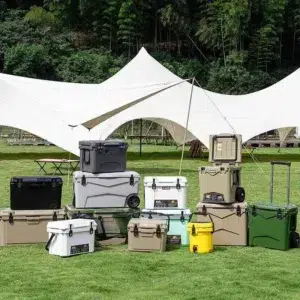
An insulated bag can be as good as a cooler for short trips, light loads, and easy portability. It is lightweight, flexible, and convenient for carrying food and drinks for a few hours. A cooler box, however, is generally better for longer outings because its thicker insulation and rigid construction provide better temperature stability and longer ice retention.
The better choice depends on how long you need to keep food cold, how much you need to carry, and how easy the container needs to be to transport.
Key Takeaways
- Insulated bags are lightweight, flexible, and easy to carry or store, making them ideal for short trips and everyday food transport.
- Coolers generally provide longer ice retention and more stable cooling due to thicker insulation and rigid construction.
- Insulated bags offer flexible storage, while coolers typically provide greater capacity and better protection for food and drinks.
- Choose an insulated bag for short outings such as picnics, lunches, and day trips.
- Choose a cooler for longer outings such as camping, fishing, and multi-day trips.
Insulated Bag vs. Cooler: Which Keeps Food Colder?
Insulation Efficiency
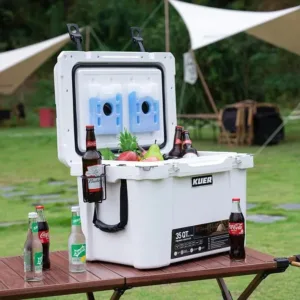
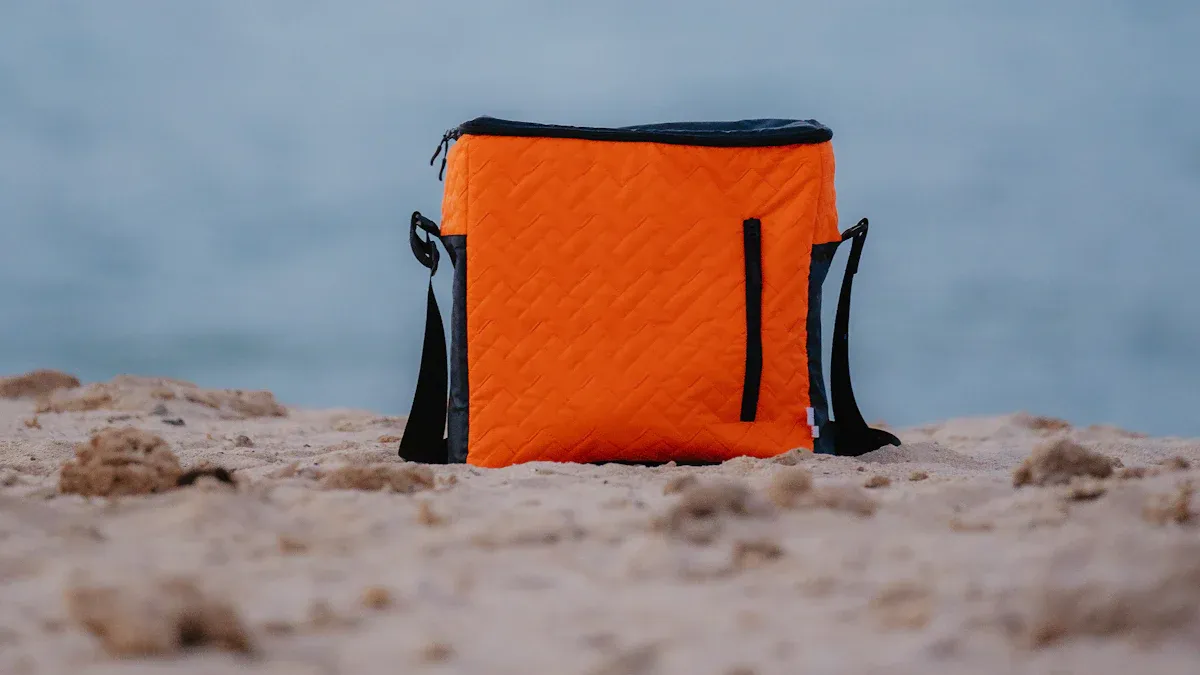
Both insulated bags and coolers are designed to slow heat transfer, but their construction is different. Insulated bags typically use foam insulation between flexible fabric layers. Their soft-sided design keeps them lightweight and easy to carry, but the insulation is often thinner than that of a hard cooler.
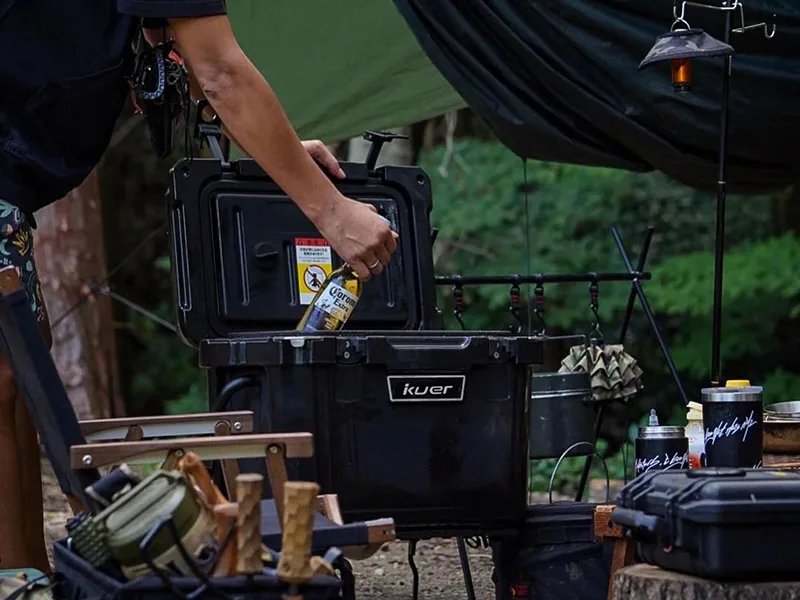
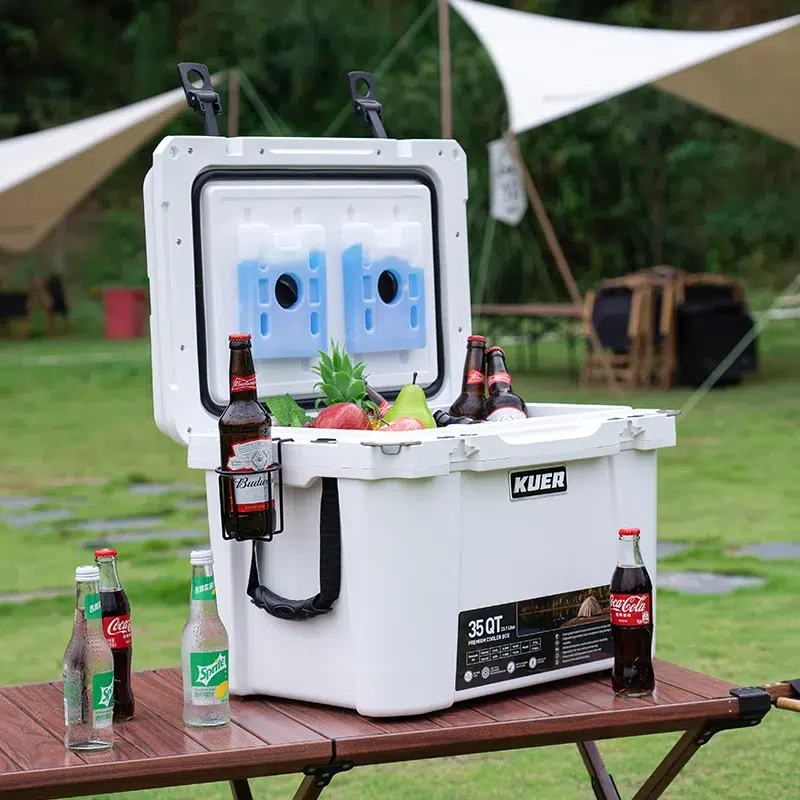
Coolers usually have rigid walls with thicker insulation. Many hard coolers also use tightly fitting lids and gaskets to reduce air exchange. This construction helps maintain a more stable internal temperature, especially when the cooler is exposed to warm outdoor conditions.
Ice Retention Duration
Ice retention is one of the clearest differences between an insulated bag and a cooler. An insulated bag can keep food and drinks cold for several hours, making it suitable for a picnic, lunch, beach afternoon, or day trip.
A well-insulated cooler is designed for longer cold retention. Its thicker walls, rigid construction, and tight lid help reduce heat entering the storage space, allowing ice to remain effective for much longer.
This does not mean every cooler will outperform every insulated bag. Product construction and insulation quality vary widely. However, for extended trips where maintaining a cold temperature is important, a quality cooler generally has the advantage.
Which Is Easier to Carry: An Insulated Bag or Cooler?
Weight and Portability
Insulated bags are usually easier to carry because they use lightweight, flexible materials. Many include shoulder straps, handles, or backpack-style designs that make them convenient for walking, commuting, and short outdoor trips.
A cooler is usually heavier, especially when filled with ice and food. Its rigid body can also make it less convenient to carry over long distances. Some larger coolers include wheels, which can reduce the effort needed to move a heavy load.
The best option depends on how you plan to transport it. If you need to carry the container by hand or over a longer walking distance, an insulated bag may be more practical. If transportation is mainly by car and cooling performance is the priority, the extra weight of a cooler may be worthwhile.
Capacity and Storage
Insulated bags offer flexible storage because their soft sides can fit into tight spaces. They can be folded or compressed when empty, making them easier to store in a car, closet, or backpack.
Coolers have rigid walls and a fixed shape. This takes up more storage space but provides better protection for food and drinks. Their larger capacities also make them suitable for carrying more supplies.
For a quick outing, the compact design of an insulated bag is often more convenient. For camping, fishing, tailgating, or family trips, the larger capacity of a cooler can be more useful.
Which Should You Choose: An Insulated Bag or Cooler?
Choose an Insulated Bag for Short Trips
An insulated bag is often the better choice for short outings. It can hold sandwiches, fruit, drinks, snacks, and other foods without adding much weight.
Its flexible design also makes it easy to pack into a car or carry to a park, beach, sports event, or workplace. If the food only needs to stay cold for several hours, a good insulated bag can provide enough cooling performance without the size and weight of a hard cooler.
For occasional picnics and everyday food transport, portability can be more valuable than maximum ice retention.
Choose a Cooler for Longer Outings
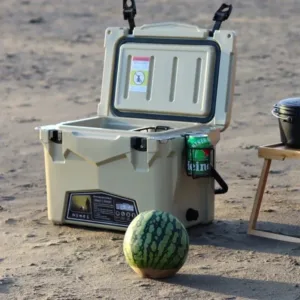
A cooler is generally better for camping and other extended outings. Longer trips require more food, drinks, and ice, while outdoor temperatures can make temperature control more challenging.
The rigid construction and thicker insulation of a cooler provide better protection against outside heat. Larger capacity also makes it easier to store enough supplies for a group or a multi-day trip.
For fishing, camping, tailgating, and other activities where food needs to remain cold for a longer period, a quality cooler is usually the more dependable choice.
FAQ
How Long Does an Insulated Bag Keep Food Cold?
An insulated bag can keep food and drinks cold for several hours, but the actual duration depends on the insulation, closure, ice or cold packs, outside temperature, and how often it is opened. Pre-chilling the contents and using enough cold packs can improve performance.
Can a Cooler Replace an Insulated Bag?
Yes, but it may not always be the most convenient option. A cooler can provide stronger insulation and more capacity, but it is usually heavier and less flexible. For short trips or everyday food transport, an insulated bag may be easier to use.
Is an Insulated Bag Good for a Beach Trip?
Yes. An insulated bag works well for short beach trips because it is lightweight and easy to carry. For longer beach outings or larger amounts of food and ice, a cooler may provide better cold retention and capacity.
Are Insulated Bags Easier to Store Than Coolers?
Generally, yes. Soft insulated bags can often be folded or compressed when empty, while hard coolers keep their rigid shape. This makes insulated bags more convenient when storage space is limited.
Which Is Better for Food Safety: An Insulated Bag or Cooler?
Neither is automatically safer. Food safety depends on maintaining an appropriate cold temperature, using enough ice or cold packs, limiting how often the container is opened, and following proper food-handling practices. For longer periods, a well-insulated cooler can make temperature control easier.
 Request a quote
