
Plastic water coolers are safe if you clean them well. The FDA says many plastics are okay for water. But there are risks like bacteria, mold, BPA, and microplastics. Plastic surfaces let more bacteria grow than metal or glass.
- Biofilms can grow inside coolers. They send bacteria into the water.
- Water that sits still helps bacteria grow fast.
- Commercial dispensers do not have leftover disinfectant.
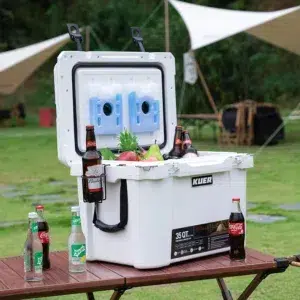
KUER plastic cooler boxes have strong features and last long. You can use bottleless coolers or other choices to lower risks.
Key Takeaways
- Clean your plastic water cooler every three months to prevent the growth of bacteria and mold.
- Choose water coolers with high-quality insulation, such as KUER models, to keep water cold and maintain freshness for longer periods.
- Avoid storing water in the cooler for extended periods, and keep the cooler away from direct sunlight to reduce the risk of chemical leaching.
- Regularly check for signs of contamination, including unusual tastes, odors, or discoloration. Clean the cooler immediately if any of these issues occur.
- Consider using a bottleless water cooler system, which can reduce bacterial contamination risks and eliminate the need for heavy bottle lifting.
How plastic water coolers work
Types of plastic coolers
There are various types of plastic water dispensers available on the market, each manufactured using a different process. For example, KUER brand rotationally molded water dispensers have thick walls and no gaps. Injection-molded water dispensers consist of two parts, so they may have weak points. Blow-molded water dispensers are lightweight and generally cheaper.
| Criteria | Rotomolded Coolers | Injection Molded Coolers |
|---|---|---|
| Durability | Seamless, thick walls. Strong and impact-resistant. | Two-piece design. Seams may crack. |
| Ice Retention | Keeps ice 7–10 days. | Keeps ice 1–3 days. |
| Long-Term Value | Higher cost, lasts longer. | Lower cost, may need replacing. |
Rotationally molded insulated boxes are available in a variety of sizes and styles. You can purchase them from suppliers offering wholesale or custom-made insulated boxes. People like to use them outdoors because they are durable.
Materials and insulation
The insulation layer helps keep drinks chilled for longer. Polyurethane foam is the best choice. Rotationally molded plastic makes the casing strong and durable. An airtight seal prevents leaks and locks cold air inside.
| Material Type | Characteristics |
|---|---|
| Polyurethane foam | Enhances cold retention |
| Rotomolded plastic | Tough, impact-resistant shell |
| Airtight seals | Prevents leaks, keeps cold in |
A refrigerator with thicker insulation works better. Closed-cell foam material traps air and blocks heat. KUER refrigerators use special insulation material that can keep ice cold for up to seven days.
Tip: Always look at the insulation rating before you buy from a supplier or manufacturer.
Storage and dispensing process
Plastic water dispensers store water in an enclosed space. You pour the water in, close the lid, and the insulation keeps the water cold. When you want to drink water, just use the spout or tap. The sealed design can effectively prevent bacteria from entering. To prevent bacterial growth, clean your water dispenser frequently.
- Most plastic water coolers last five to ten years if you use them right.
- You can make them last longer by cleaning them the way the guide says.
Proper use of a cooler provides you with cool, safe drinking water. KUER coolers also feature UV protection and a sturdy, durable handle for easy carrying.
Plastic water coolers: risks
Bacterial and mold growth
You need to know that bacteria and mold can grow inside plastic water dispensers if they aren’t thoroughly cleaned. The U.S. Food and Drug Administration (FDA) tests the safety of bottled water and the materials used in water dispensers and has established strict regulations that companies must follow in processing, packaging, and storing water. These regulations help ensure your safety. However, the risks increase if you don’t follow the correct cleaning procedures.
Here are the most common sources of contamination in plastic water coolers:
- Not cleaning or sanitizing the cooler often enough.
- Air from the room entering the cooler as you dispense water. This air can carry germs.
- Bacteria feeding on rubber seals and other parts inside the dispenser.
- Biofilm forming on surfaces inside the cooler. Biofilm is a slimy layer that holds bacteria and mold.
Studies have shown that biofilms are a major problem. They release bacteria and byproducts into the water. Research in Canada and Italy has found that water dispensers often have higher bacterial counts than the water source itself. Reusing water bottles or failing to clean the dispenser can also lead to the growth of mold and algae.
Note: In one study, 86.8% of water samples from plastic water coolers had fungi. Over half of the samples were highly contaminated. Every sample showed signs of bacterial growth.
You can lower these risks by cleaning your cooler as the manufacturer or supplier recommends.
Chemical leaching and BPA
Plastic water dispensers sometimes release chemicals into the water. One major issue is bisphenol A (BPA). BPA is a chemical used in some plastics. The U.S. Food and Drug Administration (FDA) states that PET plastic and most new water bottles are safe and BPA-free. They set strict limits on the amount of BPA released from plastics.
Problems can arise if water is stored in a water dispenser for extended periods or exposed to direct sunlight. High temperatures can cause BPA levels to rise. For example:
- After 30 days outside, BPA levels in water reached about 9.05 micrograms per liter.
- At room temperature, the average was much lower, around 2.31 micrograms per liter.
Tip: Always keep your cooler out of direct sunlight and do not store water for too long. This helps keep BPA levels low.
Microplastics and contamination
Microplastics are tiny plastic particles that eventually end up in your drinking water. These microplastics can originate from the water dispenser itself or from the water source. Prolonged use of a plastic water dispenser, even minor scratches or abrasions, can lead to the release of microplastics. Studies have shown that microplastics have been found in many water samples worldwide.
You should know that the U.S. Food and Drug Administration (FDA) has regulations to ensure the safety of plastic packaging. They require manufacturers to use virgin plastics or certified recycled plastics. This helps reduce the risk of microplastic contamination. Nevertheless, you should still check your water dispenser for signs of wear or damage. If you find cracks or rough spots, you may need to replace the dispenser.
Regular cleaning and careful use help keep your water safe from bacteria, mold, and chemicals.
Health Risks from Contaminated Plastic Water Coolers
Common symptoms and illnesses
You may feel unwell if you drink water from an unclean water dispenser. Even healthy people may experience mild symptoms. People with weakened immune systems are at higher risk. Please be aware of the following symptoms:
- Stomach pain or feeling sick
- Feeling like you need to throw up
- Having diarrhea or loose poop
- Coughing or a sore throat
- Sneezing or a runny nose
- Water that tastes or smells weird
Sometimes, the water tastes funny or smells weird. This could mean there is bacteria or mold in the tank. After drinking water, you may start to cough or have a sore throat. These problems usually go away on their own, but don’t ignore them. If you feel uncomfortable after using the water dispenser, stop drinking immediately and clean the dispenser.
If you use a cooler at work or share it with others, you need to clean it often. Mold and bacteria can spread fast when many people use the same cooler.
High-risk groups
Some people are more susceptible to illness from drinking from unclean plastic water dispensers. Those with weakened immune systems need to be especially careful. This includes older adults, pregnant women, young children, and those with pre-existing medical conditions. Studies have shown that people with diabetes, kidney stones, or high blood pressure are more prone to health problems from drinking unclean water. Chemicals such as DEHP and BPA found in some plastic products can also increase the risk of type 2 diabetes and other health problems.
If you belong to a high-risk group, be sure to use a safe water dispenser that meets the supplier’s or manufacturer’s specifications. If you use a water dispenser in your workplace or a public place, ask how often it is cleaned. Clean water helps you maintain daily health.
Reducing Risks with Plastic Water Coolers
Cleaning and maintenance tips
Regularly cleaning your water dispenser ensures safe drinking water. Most companies recommend cleaning the interior every three to six months. If the dispenser is located in a high-traffic area, it’s recommended to clean it every three months. Some health experts suggest cleaning and disinfecting the dispenser when changing water bottles. Wipe down parts that people touch daily to prevent the buildup of grime and biofilm. Clean the drip tray weekly.
To disinfect well, use one tablespoon of unscented bleach for each gallon of water. You can also use a food-safe sanitizer made for water coolers.
Here is a table that shows how well different cleaners work:
| Disinfectant Type | Effectiveness | Notes |
|---|---|---|
| EPA-Registered Disinfectants | 99.99% effective against a broad spectrum | Safe and works for most germs. |
| Chlorine Bleach | Works against many germs | Cheap and easy to buy. |
| Quaternary Ammonium Compounds (quats) | Kills many types of germs | Used in many businesses. |
| Hydrogen Peroxide | Gentle and not toxic | Good for most germs. |
| Vinegar | Natural, but not as strong | May not kill all germs. |
Safe usage practices
Using the refrigerator correctly can reduce risk. Always follow the cleaning procedures provided by your company or supplier. Use only safe cleaning agents approved by the U.S. Centers for Disease Control and Prevention (CDC) and the Environmental Protection Agency (EPA). Wear gloves and a mask when cleaning the refrigerator. Dispose of cleaning water and waste according to local regulations.
| Protocol | Explanation |
|---|---|
| Disinfect regularly | Keeps water safe and stops germs. |
| Use approved disinfectants | Makes sure germs die but does not hurt the cooler. |
| Follow manufacturer instructions | Stops damage and keeps your warranty. |
| Wear PPE | Keeps your skin and lungs safe when cleaning. |
| Dispose of waste properly | Keeps your area safe and follows the rules. |
Signs of contamination
Regularly check your refrigerator for signs of dirt and grime. Please pay attention to the following warning signs:
- Water tastes or smells weird
- You see green, black, or white spots inside
- The water looks cloudy or has bits floating
- People feel sick after drinking from it
If you notice any of these signs, stop using your cooler immediately. Clean and disinfect the cooler before using it again. If the problem persists, contact the supplier or company for help, or replace the cooler with a new one.
Tip: Acting fast helps stop bigger health problems for you and others.
Plastic water coolers vs. alternatives
Bottleless coolers comparison
You can choose between a plastic water dispenser or a tankless water dispenser for your home or office. Tankless water dispensers use special filters, such as reverse osmosis, to purify the water. Because the water doesn’t stand still, these dispensers have lower bacterial counts. You don’t need to carry heavy water buckets, and you don’t have to worry about others touching the buckets and spreading bacteria.
- People often forget to clean regular coolers, so they get dirty more.
- Bottleless coolers use filters and less touching to keep water safe.
- Mold and bacteria can grow in regular coolers if you do not clean them.
- Changing jugs can bring in germs.
Here is a table that shows how you take care of each type:
| Feature | Plastic Water Coolers | Bottleless Water Coolers |
|---|---|---|
| Jug Changes | You need to change jugs a lot | No jug changes needed |
| Internal Reservoir Sanitization | Clean inside often | Only a little cleaning each day |
| Delivery Dependence | You wait for jugs to be delivered | No need for deliveries |
| Handling and Storage | You move and store bottles | No bottles to move or store |
| Filter Changes | N/A | Experts change filters on a schedule |
KUER plastic cooler box features
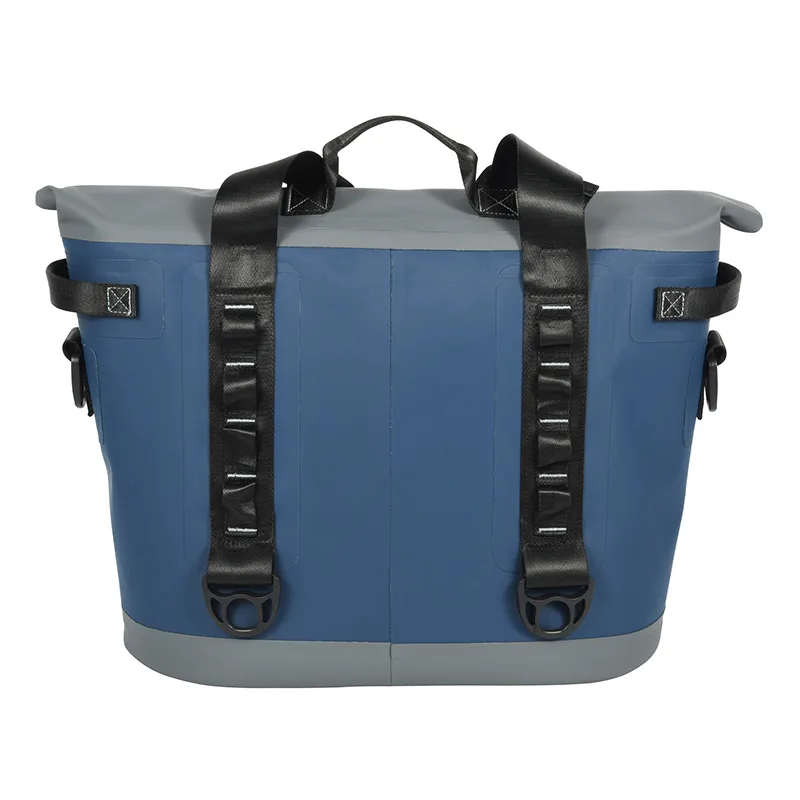
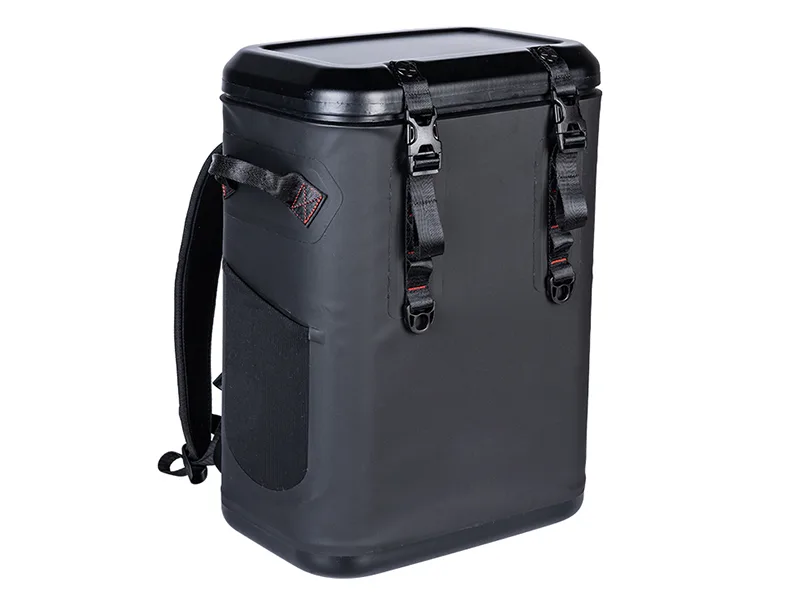
KUER plastic insulated boxes are safe and durable. The box body is made using a rotational molding process, making it sturdy and durable. A high-strength polyester fiber lining further enhances its durability. Polyurethane foam keeps ice cubes cold for up to seven days. The latches close tightly, and the sealing strip effectively prevents leaks. Your food and beverages will stay cold. Sturdy hinges and a waterproof coating make cleaning easy and convenient. The antibacterial lining helps inhibit bacterial growth and odor formation. Food-grade plastic ensures the box is safe and reliable. The leak-proof lining makes cleaning even easier.
| Material Type | Characteristics |
|---|---|
| Rotomolded plastic | Strong shell that does not break easily |
| Heavy-duty polyester | Makes the cooler last longer |
| Polyurethane foam insulation | Keeps things cold for a long time |
| Secure latches | Keeps the lid closed and safe |
| Airtight seals | Stops leaks and keeps the cold in |
| Reinforced hinges | Makes the cooler last longer |
| Water-repellent coatings | Stops spills from soaking in |
| Antimicrobial linings | Cuts down on germs and smells |
| Food-grade plastics | Safe for food and drinks |
| Leak-proof interiors | Easy to clean and take care of |
KUER coolers offer the same excellent cooling performance as other top brands. You can purchase from suppliers, wholesale, or have them custom-made. They are made with environmentally friendly materials and leak-proof linings.
Cost and environmental impact
When choosing a water dispenser, you should consider price and environmental factors. Although plastic water dispensers cost less initially, they will cost more later on to buy new buckets and clean them. Bucketless water dispensers, although more expensive to purchase, can save you money because you don’t have to buy a bucket or pay for shipping. KUER water dispensers are durable and last longer. You don’t need to replace the water dispenser as frequently, thus reducing waste generation.
Tip: Picking a cooler that lasts helps the environment. KUER uses eco-friendly materials and lets you choose what you need.
Bottleless insulated boxes use less plastic and generate less waste. KUER insulated boxes have a longer lifespan and are made with safe materials, making them more environmentally friendly. You can consult with suppliers for information on wholesale or custom-made insulated boxes to meet your business or outdoor travel needs.
Plastic water dispensers are safe to use as long as they are cleaned regularly. The U.S. Food and Drug Administration (FDA) says many plastics are suitable for water storage. Cleaning prevents the growth of bacteria and mold. Check the water dispenser for dirt or bacteria. Disinfect every three months to ensure its safety. When choosing a water dispenser, consider its sturdiness and ease of cleaning. Some water dispensers, such as KUER, have thick insulation and UV resistance. If you want to reduce your use of plastic, a bucketless water dispenser is a great option.
Clean water comes from smart habits and knowing what to do.
FAQ
How often should you clean a plastic water cooler?
Clean the plastic water dispenser every three months. If there are many users, it needs to be cleaned more frequently. Always follow the cleaning instructions provided by the supplier or manufacturer.
Can you store hot water in a plastic cooler?
Most plastic coolers are not suitable for storing hot water. High temperatures can damage the plastic and cause chemicals to leach into the water. Always read the manufacturer’s instructions before using hot water.
What signs show your cooler needs replacing?
Inspect the inside of the refrigerator for cracks, leaks, or rough spots. If mold, unusual odors, or cloudy water are found, replace the refrigerator with a new one. Consult your supplier about custom or wholesale options.
Are KUER plastic cooler boxes food-safe?
Yes, KUER plastic insulated boxes are made of food-grade plastic. These materials are food and beverage safe. You can use it for travel or business purposes.
Where can you buy KUER coolers for wholesale or custom orders?
You can contact KUER or consult their authorized suppliers. They offer wholesale and custom-made refrigerated boxes suitable for businesses, events, or outdoor travel.
 Request a quote
