

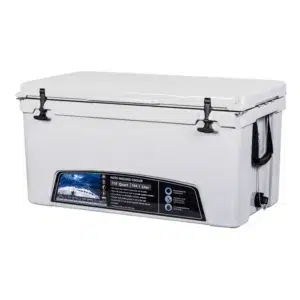
| Feature | Electric Water Coolers | Non-Electric Cooler Boxes (KUER Cooler Box) |
|---|---|---|
| Energy Needs | Need power | Use ice, do not need power |
| Cooling Efficiency | Keep temperature the same | Work as ice melts |
| Maintenance Cost | Have power costs | Only need ice, save money |
| Noise Levels | Make motor noise | Are silent |
This article talks about fixing water coolers, not portable cooler boxes. You can fix many common problems at home.
Key Takeaways
- Most common water cooler problems, such as leaks or no water flow, can be easily fixed at home through simple checks and cleaning.
- Performing regular maintenance like cleaning the dispenser and replacing the filters every six months ensures your water cooler works properly.
- Issues like bad taste or poor cooling are usually caused by dirty components, clogged water filters, or simple power connectivity problems.
- Always unplug the water cooler before troubleshooting to ensure your safety, and contact a professional technician for complex electrical issues.
- Frequent cleaning and timely filter replacements improve water quality, prevent unexpected breakdowns, and extend the overall lifespan of your cooler.
Common water cooler problems
Leaks and puddles
Water dispenser leaks are a common problem. You might see water on the floor or water dripping from the spout. This is usually caused by a loose spout cap. Tightening the cap will likely stop the leak. Sometimes, you need to remove the water bottle and empty the tank to find the leak. Regularly cleaning and disinfecting the water dispenser helps prevent leaks from happening again.
No water dispensing
If your water dispenser isn’t dispensing water, there are several possible reasons. The nozzle may be clogged with minerals or dirt, especially in hard water. Cleaning the nozzle should restore water flow. Sometimes, a loose or damaged power cord can also cause the dispenser to stop working. The filter may also be clogged or incorrectly installed, hindering water flow. Air may also be trapped in the water pipes, causing poor water flow. Bleeding the air will resolve this issue.
Bad taste or odor
Sometimes, the taste or smell of water can change. If the water dispenser is dirty, the water may have a musty or metallic taste. Old water bottles can make the water taste plastic or chemical. Water that has been left standing for too long can also have a stale or spoiled taste. Dirty water, residual cleaning agents, or rusty metal parts can also alter the taste of the water.
Cooling or heating failure
If your water dispenser is unable to cool or heat water, it cannot maintain a suitable temperature. This could be due to a power supply or electrical fault. Overuse of the heater can also damage the system. Ensure the water dispenser is plugged in and all switches are turned on. Sometimes, unplugging the water dispenser for a day and then plugging it back in can solve the problem.
Filter issues
A filter helps keep water clean. If a filter fails, the water may have an unpleasant odor, taste bad, or appear cloudy. You should replace your filter every six months, or when it’s full. Look for any unusual odors, such as the smell of chemicals or chlorine. Proper filter maintenance will help your water dispenser function properly.
Tip: Change the filter cartridge when you reach the amount of water the instructions say.
Troubleshooting and DIY water cooler repair
Step-by-step diagnosis
By following clear steps, you can solve many water dispenser problems. Start with a basic check and gradually move on to more detailed inspections. Here’s a simple guide:
- Check the Water Supply
Make sure the water bottle is full and the supply line is open. Look for any blockages in the line. - Inspect the Dispenser’s Nozzle or Tap
Remove the nozzle and check for dirt or mineral buildup. Clean it with a mild solution if needed. - Check the Power Supply
Confirm the cooler is plugged in. Look at the power cord for any damage. - Examine the Filters
Take out the filter and see if it is clogged. Replace it if you notice any blockage. - Dealing with Airlocks
Press the dispenser tap several times to release trapped air. This can restore water flow. - Investigate the Cooling System
Listen for the fan or compressor. If you do not hear them, there may be a problem with the cooling system. - Look for Frozen Lines
Touch the water lines. If they feel frozen, unplug the cooler and let them thaw. - Professional Help
If these steps do not fix the issue, you should contact a technician.
Tip: Always read your user manual for model-specific troubleshooting steps. Many brands provide guides and support resources online.
Simple DIY fixes
With just a few basic tools and a little patience, you can solve many common problems at home. Why not try the following methods:
- Chilling Issue
Make sure the cooler is plugged in and the power switch is on. If it still does not cool, unplug it, wait 30 minutes, and plug it back in. - Heating Issue
Check that the red heating switch is on. If the water does not heat, unplug and reconnect the cooler, then wait 30 minutes. - No Water Dispensing
For bottled coolers, check if the bottle is empty or if there is an airlock. For plumbed-in models, make sure the isolation tap is open. - Leaking
Tighten the tap connector. Look for cracks in the bottle. For plumbed-in coolers, check the pipework and empty the waste tank if needed. - Filter Replacement
Change the filter every six months or as the manual suggests. This keeps your water tasting fresh.
Note: Always unplug the water cooler before you start any repair. This keeps you safe from electrical hazards.
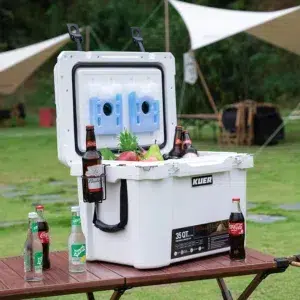
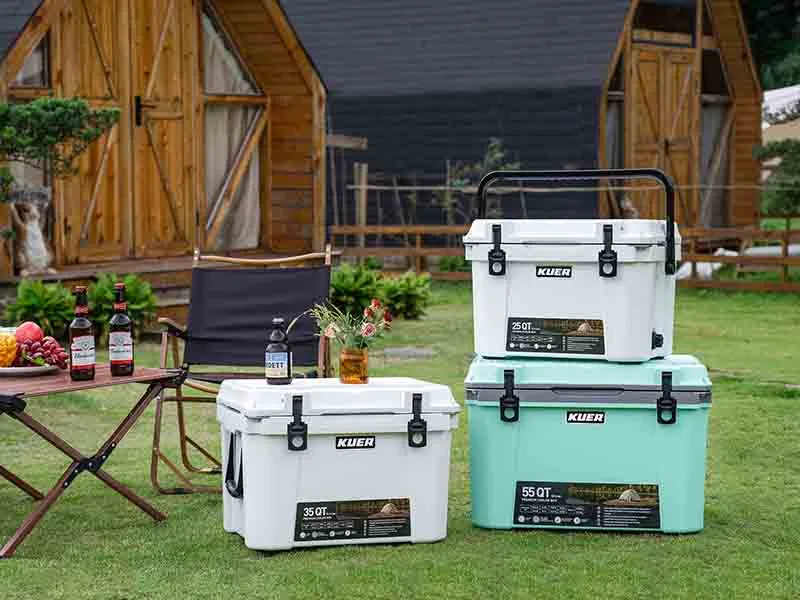
If you’re looking for a cooling solution that requires no power or filter replacements, try a portable cooler like the KUER Cooler Box. It uses ice to keep food and drinks cold, requiring no electricity or complicated maintenance.
When to call a professional
Some issues require professional assistance. If you encounter any of the following situations, please contact our technical staff:
- Electrical malfunctions, such as sparks or burning smells.
- Motor problems that need special tools or knowledge.
- Large leaks that could cause damage or safety risks.
- Issues that do not go away after you try the steps above.
Safety Reminder: Always unplug your water cooler before cleaning or repairing it. Wear gloves when using cleaning solutions. Use only products safe for food-contact surfaces.
Many repair services offer warranties, typically ranging from 30 to 90 days. This provides peace of mind if you need replacement parts or professional repairs.
If you have any questions about your water dispenser, visit the manufacturer’s website for guidance and support. You can also consult an expert for installation, troubleshooting, or technical assistance.
Water cooler maintenance tips
Cleaning routines
To ensure the safe and efficient operation of your water dispenser, please clean it regularly. Wipe the exterior with a damp cloth daily to remove dust. Wash the drip tray weekly with warm soapy water to prevent mold growth. Once a month, unplug the water dispenser and clean the faucet with vinegar. Replace the filter cartridge at the same time. Every three months, it is recommended to have a professional perform a deep cleaning and inspection. These daily cleaning measures help prevent the growth of bacteria and mold.
Tip: Clean your water cooler at least every six months and when you change the filter.
Filter replacement
Replace the sediment filter and activated carbon filter every 3 to 6 months. Replace the filters sooner if the water flow slows down or the taste of the water changes. Always turn off the water supply and release the pressure before removing the old filter. Install the new filter correctly according to the manufacturer’s instructions and flush the system. Reverse osmosis filters and activated carbon filters are both common. Both require regular maintenance to achieve optimal performance.
Preventing breakdowns
Regularly checking your water dispenser can prevent most problems. Check for leaks, loose parts, or unusual noises. Ensure the power cord is intact. For bottled water dispensers, replace the bottle before it’s empty. For piped water dispensers, replace the filter cartridges regularly and have them professionally inspected. Regular cleaning and timely filter replacement ensure proper operation of the water dispenser and guarantee safe drinking water.
Regular care helps your water cooler last longer and keeps water safe to drink.
Most problems with water coolers can be fixed by simple checks and regular care. Regularly cleaning the water dispenser and replacing the filter helps prevent malfunctions. Regular maintenance has many benefits, such as:
- Cleaner water by stopping germs
- Less plastic waste and a smaller impact on the environment
- Cooler works better and saves money
- Happier people at work
If you discover electrical problems or serious leaks, please contact a professional. Please remember that this guide is for water dispensers, not portable refrigerators.
Taking care of your water cooler keeps your water safe and the cooler working well.
FAQ
Can you repair a water cooler at home?
Yes, you can solve most water dispenser problems yourself. You can clean the nozzles, replace the filter, and tighten any loose parts. If it’s an electrical problem, you should contact a technician.
How often should you clean your water cooler?
You should clean your water dispenser monthly. Wipe the exterior daily, wash the drip tray weekly, and perform a deep clean every three months. Regular cleaning ensures safe drinking water.
What signs show your water cooler needs a new filter?
You may notice slow water flow, deteriorating water quality, or an unusual odor. If these signs appear, replace the filter cartridge every six months, or even earlier.
Is it safe to repair a water cooler yourself?
Always unplug the air conditioner before performing any repairs. Wear gloves and use safe cleaning products. For electrical problems, please contact a professional.
What is the difference between a water cooler and a cooler box?
| Water Cooler | Cooler Box (KUER) |
|---|---|
| Needs electricity | Uses ice, no power needed |
| Dispenses water | Stores food and drinks |
| Requires filter change | No filter needed |
 Request a quote
