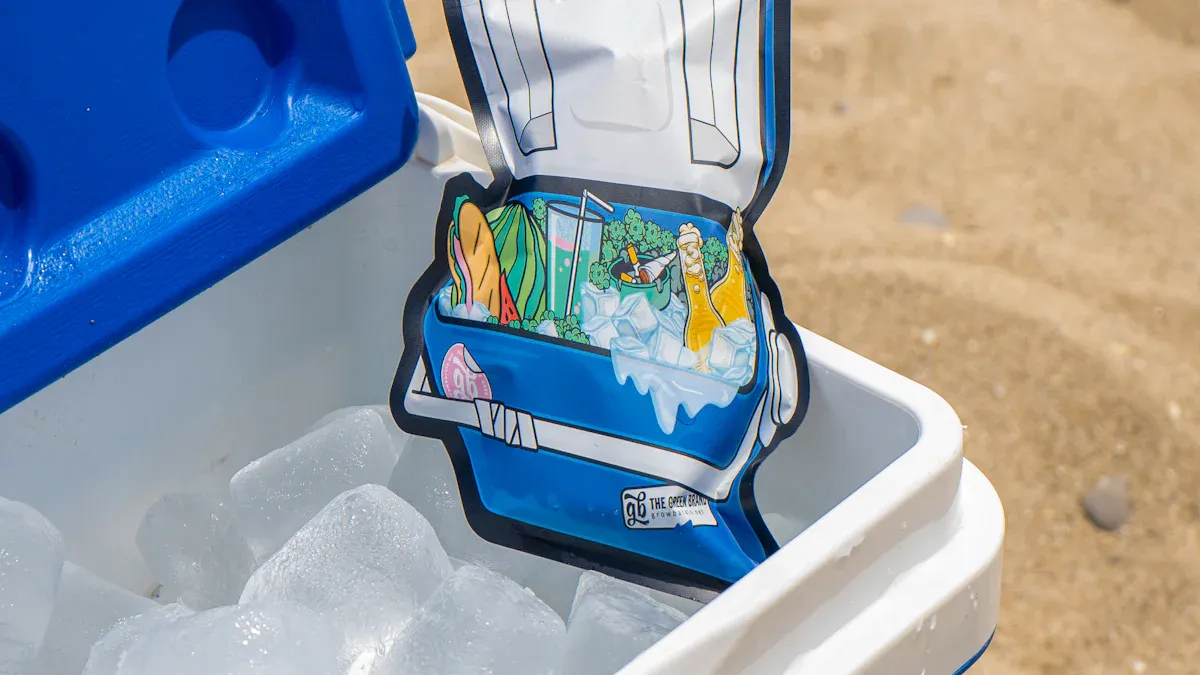

When kept steadily at 40°F (4°C) or below, perishable food stays safe in a cooler box for 1 to 7+ days, depending on cooler quality, packing technique, and ambient temperature. Ice is the limiting factor: once the interior rises above 40°F and enters the bacterial “Danger Zone,” the 2-hour safety rule takes effect. In temperatures above 90°F (32°C), this window shrinks to just 1 hour.
Safe cooler storage relies on three core factors: consistent cold temperature, sufficient ice, and proper packing technique. A well-packed premium cooler can keep food safe for days, while a poorly loaded basic model may only hold a safe temperature for hours. This guide breaks down official food safety rules, expected storage times, and actionable tips to keep perishables safe on every trip.
Key Takeaways
- Keep perishable food at 40°F or below for safe long-term cooler storage.
- Follow the 2-hour rule: food in the Danger Zone (40–140°F) is only safe for 2 hours, or 1 hour above 90°F.
- Pack with a 2:1 ice-to-food ratio and pre-chill all contents to extend safe storage time.
- Use a thermometer to verify internal cooler temperature before every meal.
The 2-Hour Food Safety Rule for Coolers
The countdown starts as soon as perishable food leaves refrigeration. Per official FDA and USDA guidelines, cold perishables must stay at 40°F or below until serving, and may never sit in the Danger Zone for more than 2 hours total.
| Food Type | Safe Holding Temperature | Max Time Out of Refrigeration | Max Time Above 90°F |
|---|---|---|---|
| Cold perishable food | 40°F or below | 2 hours | 1 hour |
| Hot food | 140°F or above | 2 hours | 1 hour |
| Meat, poultry, eggs, seafood | Refrigerate or freeze immediately | Within 2 hours of cooking/purchase | Within 1 hour |
Why the Rule Tightens Above 90°F
Bacteria multiply fastest between 40°F and 140°F — a range known as the Food Temperature Danger Zone. Per the USDA Food Safety and Inspection Service, bacterial cells can double in number in as little as 20 minutes under ideal conditions. At 95°F picnic temperatures, food moves through this high-risk range very quickly, making 1 hour the maximum safe window.
This 2-hour limit is cumulative: it counts every minute food spends in the Danger Zone, from prep to serving to leftovers. The clock does not reset when food is re-chilled. Food held in the zone for 2+ hours is no longer considered safe to eat.
How Long Food Stays Safe in a Cold Cooler
As long as the interior stays at 40°F or below, ice (not time) is the limiting factor for food safety. Storage life varies widely based on cooler quality and packing:
- Basic recreational coolers: Hold safe temperatures for 1–3 days with standard packing.
- Premium rotomolded coolers: Maintain safe temperatures for 5–7 days when properly packed and kept in shade.
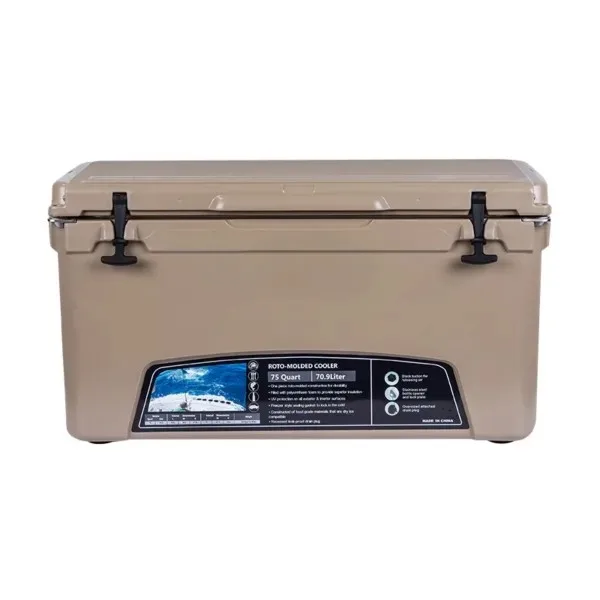
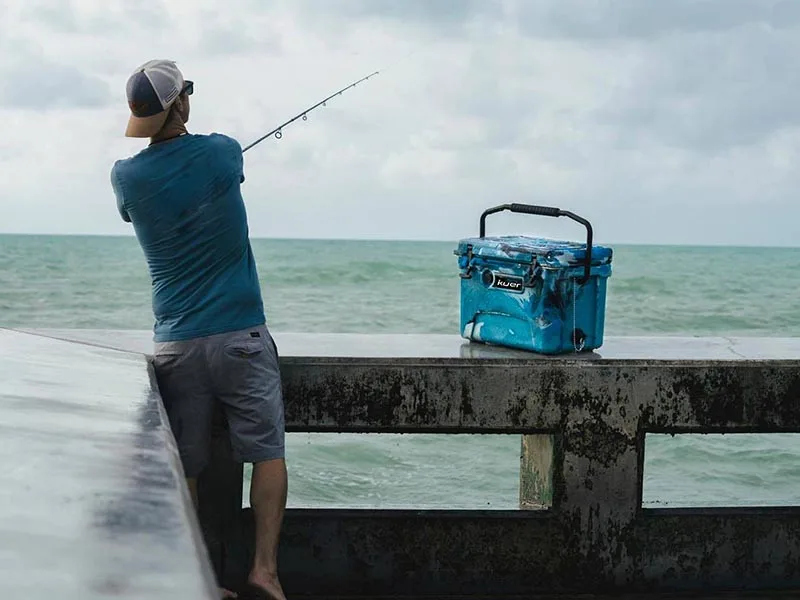
Rotomolded coolers deliver far longer life thanks to seamless one-piece construction, thick pressure-injected polyurethane foam walls, and freezer-grade lid gaskets that block warm air from seeping in. For example, KUER cooler boxes use 2+ inches of PU foam insulation and are rated for 5–7 days of ice retention under normal outdoor conditions, keeping food safely chilled for multi-day trips.
With extra steps like shade coverage, wet towel draping, and frozen water jugs, a well-packed premium cooler can keep food below 40°F for up to a week.
The Danger Zone: Why Temperature Matters
What Is the Temperature Danger Zone?
The Danger Zone is the temperature range where foodborne bacteria grow and multiply at their fastest rate. Standards vary slightly by region:
| Source | Danger Zone Range |
|---|---|
| General global food safety agencies | 39–145°F (4–63°C) |
| USDA FSIS (U.S.) | 40–140°F (4–60°C) |
| UK / Northern Ireland | 46–145°F (8–63°C) |
| Fastest bacterial growth | 70–117°F (21–47°C) |
Bacteria thrive when they have access to nutrients, moisture, and warm temperatures. At peak growth rates, E. coli can divide every 20 minutes in nutrient-rich conditions, per PubMed Central research. Within a few hours, levels can reach high enough to cause foodborne illness. A cooler that drifts above 40°F stops protecting its contents.
Tips to Keep Food Safe Longer in Your Cooler

1. Pre-chill everything before packing
Cold food starts cold. Chill all meat, dairy, and drinks in the fridge overnight before loading. Pre-chilling the empty cooler itself for 12–24 hours before packing also eliminates the “ice tax” of cooling warm plastic walls.
2. Pack full with a 2:1 ice-to-food ratio
A full cooler holds cold far better than a half-empty one, since empty air space lets warm air circulate and speed up melting. The USDA recommends filling remaining space with extra ice if the cooler is not fully packed with food.
Ice type also matters:
| Ice Type | Melt Behavior | Best Use |
|---|---|---|
| Block ice | Less surface area, melts slowly | Long-term cold base |
| Cubed ice | Melts faster, fills all gaps | Fast initial chilling |
Mixing both block and cubed ice delivers the best balance of fast chilling and long-lasting cold.
3. Monitor temperature and limit lid openings
Place an appliance thermometer inside the cooler and check the temperature before every meal to confirm it stays at 40°F or below. Every lid opening lets warm air in and cold air escape — plan one group opening per meal and keep the lid closed the rest of the time. A tight freezer-grade gasket minimizes air exchange between openings.
4. Keep the cooler cool from the outside
Store the cooler in shade whenever possible. Drape a wet towel over the lid in hot weather, and avoid placing it directly on hot pavement or sand.
FAQ
How long does food stay safe in a cooler without ice?
Without ice, perishable food quickly enters the Danger Zone and is only safe for 2 hours total, or 1 hour above 90°F (32°C). A cooler without ice only protects shelf-stable snacks.
Does opening the lid often shorten how long food stays safe?
Yes. Each lid opening lets warm air rush in and cold air escape, speeding ice melt and raising interior temperature. Plan one group opening per meal and keep the lid closed otherwise. A tight gasket seal reduces air exchange between openings.
Can a cooler keep food frozen instead of just cold?
Yes. A high-quality rotomolded cooler packed with block ice or frozen jugs can hold items below freezing for multiple days. KUER cooler boxes, rated for 5–7 days of ice retention, support frozen goods on longer outings.
What size cooler works best for multi-day trips?
Match size to your group size and trip length. Models from 20QT to 75QT cover most use cases; larger boxes hold more ice alongside food, and a full cooler maintains safe temperatures longer than a partially filled one.
How do I know if my cooler is still cold enough?
Use an internal appliance thermometer. Readings at or below 40°F mean contents remain safe. Readings above 40°F start the 2-hour Danger Zone clock; add more ice or discard high-risk perishables.
 Request a quote
