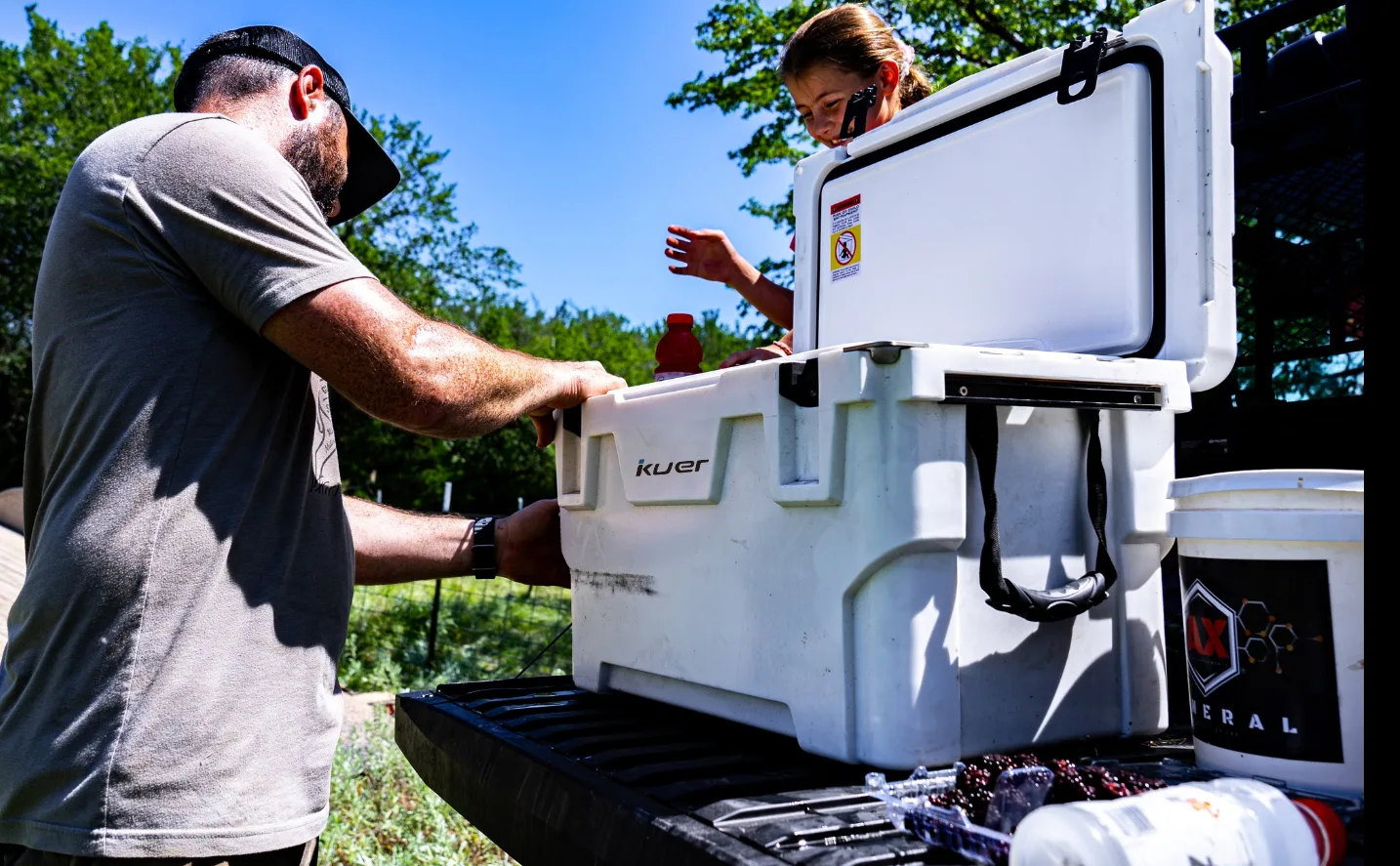

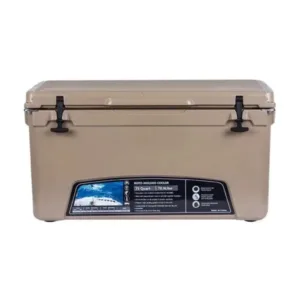
If you’ve ever had a long camping trip ruined by lukewarm drinks and melted ice after just 24 hours, you’ve probably considered upgrading to a rotomolded cooler. Designed specifically for serious outdoor enthusiasts, these heavy-duty coolers offer unmatched durability and keep ice frozen for days on end. However, they also come with noticeable trade-offs: significant weight and a hefty price tag.
This comprehensive guide breaks down how rotomolded coolers compare to standard models, helping you decide whether the premium investment is truly worth it for your specific travel style.
Key Takeaways
- Superior Performance: Rotomolded coolers feature seamless construction that holds ice for 3–10 days and withstands extreme abuse, though they are considerably heavier and more expensive.
- Best for Demanding Use: Ideal for multi-day backcountry trips, hunting, off-grid camping, or environments where ice refills aren’t an option.
- Standard Coolers Save Money & Weight: Traditional injection-molded options are far lighter and cheaper—perfect for day trips, afternoon picnics, or casual weekend car camping.
- Focus on Function: Choose based on how you actually travel rather than paying for a brand name you might not fully utilize.
What Makes a Rotomolded Cooler Better?
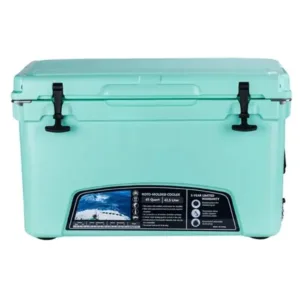
The manufacturing process is what truly sets rotomolded coolers apart from budget options. Short for “rotational molding,” this technique involves placing polyethylene powder into a heated mold that continuously rotates along two axes. As the plastic melts, it evenly coats the entire interior surface, creating a continuous single piece with perfectly consistent wall thickness. Because there are no joints, seams, or structural weaknesses, the outer shell is virtually indestructible.
How Rotomolding Improves Durability
Unlike rotomolded coolers, traditional injection-molded models are assembled from multiple separate pieces. Over time, those connection points become structural liability zones—a hard drop or heavy impact can easily crack the shell right along the seam. Rotomolded designs completely eliminate this risk.
Furthermore, the difference in wall thickness is dramatic:
- Rotomolded Coolers: Feature robust, uniform walls ranging from 35 to 60 mm.
- Injection-Molded Coolers: Typically feature thin walls between 15 and 25 mm.
Cooler box Manufacturers like KUER routinely test their rotomolded coolers against extreme stress, including drops from heights up to 15 meters. Additionally, the food-grade plastic shell resists rust, corrosion, and long-term sun degradation with over 8,000 hours of UV protection.
| Feature | Rotomolded Coolers | Injection-Molded Coolers |
| Construction | One solid, seamless piece | Multiple assembled pieces |
| Wall Thickness | 35–60 mm (Even thickness) | 15–25 mm (Uneven spots) |
| Structural Weak Points | None | Seams vulnerable to cracking |
| Impact Resistance | Extremely High | Moderate |
Superior Ice Retention and Thermal Performance
Beyond raw durability, advanced insulation is the primary selling point of a rotomolded cooler. The thick, hollow walls are pressure-injected with high-density polyurethane foam (usually 2 to 3 inches deep). Because the rotomolded shell has uniform thickness, there are no thin spots or air pockets through which ambient heat can penetrate.
In contrast, standard coolers utilize lighter, lower-density foam to prevent the fragile shell from breaking during assembly. As a result:
- Standard Coolers: Keep ice frozen for 1 to 3 days.
- Rotomolded Coolers: Retain ice for 3 to 10 days under comparable conditions (with models like KUER consistently keeping ice for 5 to 7 days even in direct summer heat).
Whether you’re heading out on a multi-day fishing expedition or a week-long off-grid camping trip, this reliable thermal barrier keeps food safe and beverages icy cold without requiring constant ice runs.
What Are the Drawbacks of Rotomolded Coolers?
Despite their incredible performance, rotomolded coolers carry clear trade-offs that buyers must evaluate before purchasing.
Heavy Weight & Restricted Portability
Thick, dense insulation naturally adds significant weight. A empty 65-quart rotomolded cooler easily weighs around 30 pounds. Once fully loaded with ice, food, and beverages, total weight can quickly exceed 100 pounds, making it challenging for solo users to haul.
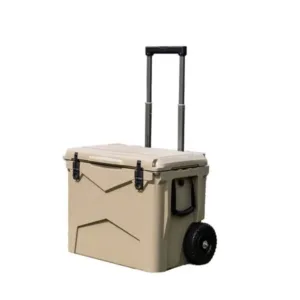
Even wheeled options can face challenges on soft sand, deep gravel, or dense forest trails. If you frequently camp solo or need to carry gear over distance, the physical effort required is a key consideration.
High Upfront Price
High-performance materials and complex manufacturing drive up the retail cost significantly.
| Cooler Type | Price Range | Popular Examples | Approx. Price |
| Rotomolded | $150 – $600+ | YETI Tundra 45, Wyld 50QT, RTIC Ultra-Light 52QT | $200 – $350 |
| Injection-Molded | $100 – $200 | Igloo IMX 70QT, Coleman 316 Series 120QT | $110 – $180 |
While a $150–$200 price gap can easily fund other outdoor gear, the higher price tag buys a product designed to last for decades rather than just a few seasons.
Is a Rotomolded Cooler Worth It for You?
When You Should Buy a Rotomolded Cooler
A rotomolded cooler box is a smart investment if your lifestyle includes:
- Backcountry Hunting & Fishing: Needs to withstand rough rides in truck beds, ATVs, and saltwater corrosion while preserving game or catch for days.
- Multi-Day Off-Grid Camping: Ideal for 4+ day trips without electrical power or access to ice refills.
- Frequent Tailgating & Frequent Use: Holds up to heavy crowd usage in direct sun. Over 50 uses, a $350 cooler costs just $7 per trip—making it an exceptional long-term investment.
| Activity | Recommended Cooler Type | Key Benefit |
| Hunting / Rough Terrain | Rotomolded Hard Cooler | Rugged shell handles bumps and keeps meat cold for days. |
| Multi-Day Camping | Rotomolded Hard Cooler | Maintains food safety through intense, multi-day summer heat. |
| Boating & Marine Fishing | Rotomolded Marine Cooler | Resists saltwater damage and serves as a sturdy casting platform. |
When a Standard Cooler Is the Better Choice
You are better off saving your money and choosing a traditional cooler if you are:
- A Day Picnicker or Weekend Camper: A standard cooler keeping ice for 1–3 days is more than enough for overnight trips or park outings.
- On a Tight Budget: Spending $350+ isn’t practical if you only use a cooler once or twice a year.
- Concerned About Lifting Weight: If you travel alone or prefer lightweight gear, a standard 15 lb cooler is far easier to manage than a 30 lb empty rotomolded chest.
FAQ
How long does a rotomolded cooler actually keep ice?
Most high-end rotomolded coolers retain ice for 3 to 10 days depending on ambient temperatures, ice quality, and capacity. Basic injection-molded coolers typically last 1 to 3 days.
Are rotomolded coolers safe for raw food storage?
Yes. They are constructed using non-toxic, food-grade polyethylene that won’t leach chemicals into drinks or food. Additionally, the seamless interior leaves no hidden crevices for bacteria growth.
What sizes are available?
Rotomolded coolers range from compact 10-quart lunchboxes to massive 110-quart multi-day expedition chests, with optional wheeled models available for easier transport.
How do I properly clean and maintain a rotomolded cooler?
Simply open the drain plug to empty excess water, wash the smooth interior with warm water and mild dish soap, and allow it to fully air dry with the lid propped open to prevent mildew.
 Request a quote
