

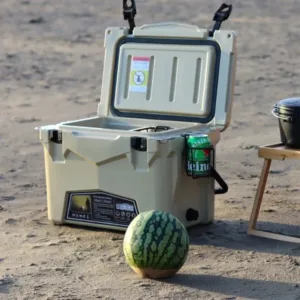
Hard-sided and soft-sided coolers both keep food and drinks cold, but they are designed for different types of use. Hard-sided coolers generally offer better ice retention, durability, and capacity, while soft-sided coolers are lighter, easier to carry, and simpler to store.
The right choice depends mainly on how long you need to keep contents cold, how far you need to carry the cooler, and how much storage capacity you need.
Key Takeaways
- Hard-sided coolers are better for long-lasting cooling, larger capacity, and protection in demanding outdoor conditions.
- Soft-sided coolers are lighter and easier to carry, making them more practical for short trips and activities that involve walking.
- Hard-sided designs generally provide better insulation and ice retention, while soft-sided models are better suited to several hours or one-day use.
- Storage needs differ: hard-sided coolers keep a fixed shape, while soft-sided coolers can fit into tighter spaces and may be folded when empty.
- The right choice depends mainly on trip duration, cooling needs, transportation, capacity, and available storage space.
Hard-Sided vs. Soft-Sided Coolers: Key Differences
Ice Retention and Cooling Performance
Hard-sided coolers typically have rigid walls with thicker insulation, which helps slow heat transfer and maintain a cold interior for longer periods. Many high-performance models can keep ice effective for several days when properly packed and used.
Soft-sided coolers generally use foam insulation between flexible fabric layers. Their insulation is often thinner, so they are better suited to keeping food and drinks cold for several hours or a day rather than extended trips.
Actual ice retention varies by insulation thickness, lid design, ambient temperature, ice-to-content ratio, and how often the cooler is opened.
Durability and Protection
Hard-sided coolers provide a rigid outer shell that protects food, drinks, and other contents from impacts and external pressure. Their strong construction makes them suitable for rough outdoor environments and repeated use.
Soft-sided coolers are more flexible and easier to handle, but their fabric construction is more vulnerable to punctures, abrasion, and zipper damage. They are better suited to everyday outings where heavy impacts are unlikely.
Weight and Portability
Soft-sided coolers have a clear advantage in portability. Their lightweight construction and flexible shape make them easier to carry, particularly when using shoulder straps or backpack-style designs.
Hard-sided coolers are generally heavier, especially after adding ice and food. Larger models can also be awkward to carry over long distances, although some are equipped with wheels or other transport features.
Capacity and Storage
Hard-sided coolers maintain a fixed shape and can offer larger internal capacity. The rigid walls also provide better protection for bulky or fragile contents. However, the same rigid construction means the cooler takes up a relatively fixed amount of storage space when empty.
Soft-sided coolers are easier to fit into tight spaces and can often be folded or compressed after use. Their flexible construction is particularly convenient for vehicles, backpacks, and small storage areas.
When Is a Hard-Sided Cooler the Better Choice?
Camping, Fishing, and Road Trips
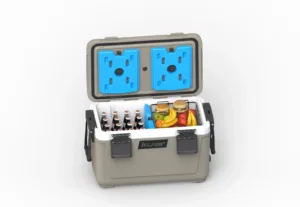
A hard-sided cooler is a better choice when outdoor activities require substantial food and drink storage or longer periods of cooling. Camping trips, fishing excursions, road trips, and group gatherings often benefit from the larger capacity and stronger construction.
The rigid body also provides better protection when the cooler is transported with other equipment or exposed to rough outdoor conditions.
Multi-Day Cooling and Heavy-Duty Use
For trips lasting several days, ice retention becomes more important than lightweight portability. Thick insulation and a well-sealed lid can help a hard-sided cooler maintain lower internal temperatures for longer.
Hard-sided construction is also useful when the cooler needs to withstand frequent loading, transportation, and outdoor use. Some models can even function as an additional seat or work surface when designed for that purpose.
When Is a Soft-Sided Cooler the Better Choice?
Hiking, Picnics, and Day Trips
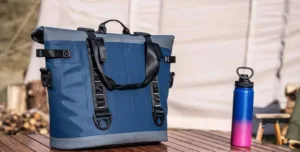
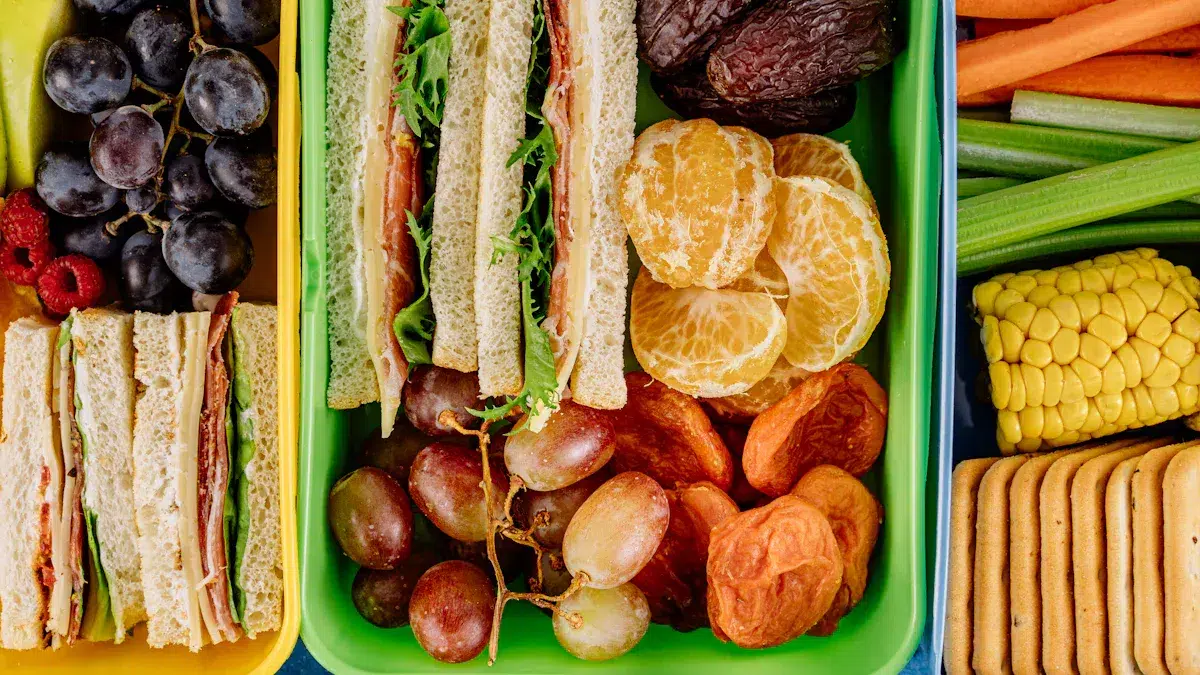
Soft-sided coolers are well suited to activities where portability matters more than extended ice retention. They can carry drinks, sandwiches, snacks, and other foods for hikes, picnics, beach days, sports events, and daily outings.
Shoulder straps and backpack-style designs also make them easier to carry when walking for extended periods.
Lightweight Carrying and Easy Storage
A soft-sided cooler is particularly useful when storage space is limited. Its flexible body can fit into car trunks, backpacks, and other confined spaces, and many models can be folded or compressed when empty.
For short trips where the cooler box will be carried frequently, reducing the weight of the container can make transportation considerably easier.
How to Choose Between Hard and Soft-Sided Coolers?
Consider Your Trip Duration
Start with how long you need to keep your food and drinks cold.
- Several hours to one day: A soft-sided cooler is often sufficient.
- Multiple days: A hard-sided cooler generally provides better ice retention.
- Extended outdoor trips: Choose based on both cooling requirements and available transportation.
Consider Weight and Transportation
Think about how the cooler will be moved after it is packed. If you will carry it on foot, a lightweight soft-sided model can reduce the overall load. If the cooler will mainly travel by car, the additional weight of a hard-sided model may be less important.
Choose a hard-sided cooler when your priorities are long ice retention, durability, and larger capacity.
Choose a soft-sided cooler when lightweight portability, flexible storage, and convenience for shorter trips matter more.
Ultimately, neither design is universally better. The best cooler is the one that matches your trip duration, cooling needs, transportation method, and storage requirements.
FAQ
Can a soft-sided cooler keep food cold all day?
Yes. Soft-sided coolers are suitable for keeping food and drinks cold during day trips, picnics, hikes, and similar short-duration activities. Their performance depends on the insulation and how the cooler is packed and used.
Are hard-sided coolers waterproof?
A hard-sided cooler generally provides a more rigid barrier against moisture than a fabric cooler, but waterproof performance depends on the lid, seams, drain system, and overall construction. Check the manufacturer’s specifications if waterproofing is a specific requirement.
Do soft-sided coolers have enough capacity for a family?
They can be suitable for family day trips, but capacity varies significantly by design. For larger quantities of food and drinks or multi-day outings, a hard-sided cooler generally offers more usable storage space.
Can you sit on a hard-sided cooler?
Some hard-sided coolers are designed to support a person’s weight and can function as an extra seat. This is not a universal feature, so the cooler’s weight-capacity specification should be checked before using it as a seat.
Which type is better for carrying long distances?
A soft-sided cooler is generally more convenient for longer-distance carrying because it weighs less and may include shoulder straps or backpack-style carrying options. This makes it particularly suitable for hiking and walking-based activities.

 Request a quote
