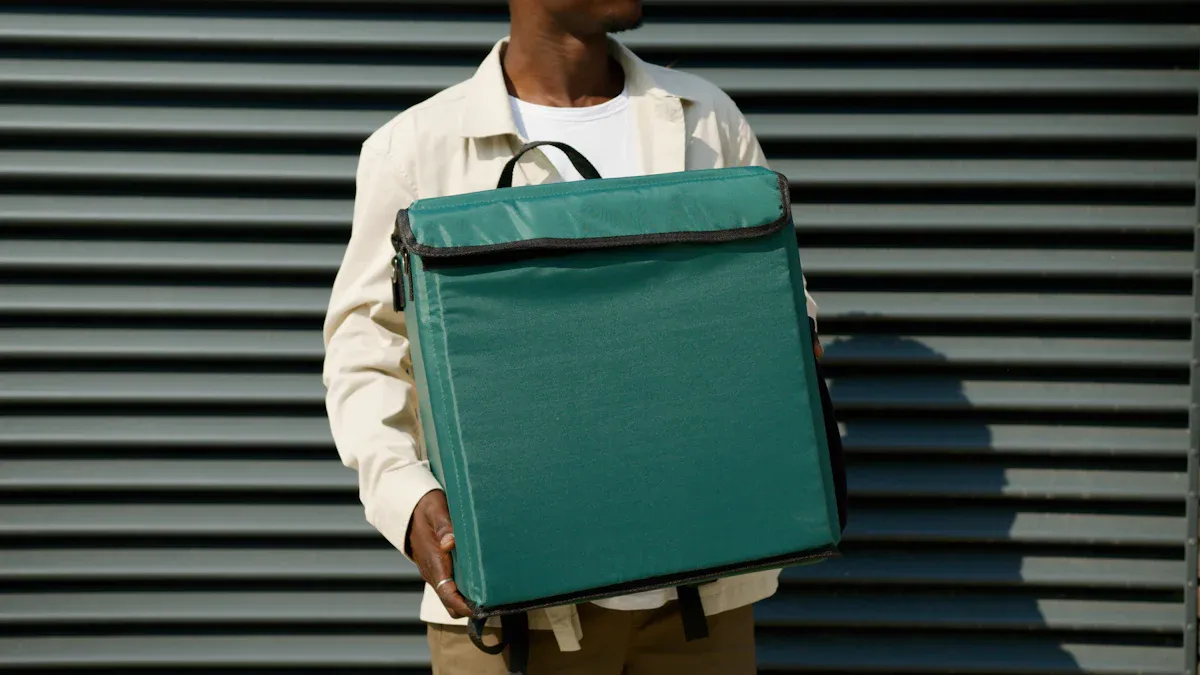

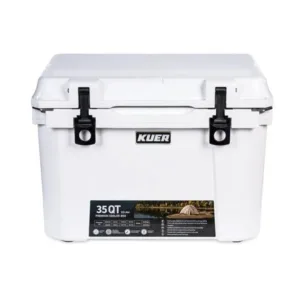
No, cooler colour has minimal impact on ice retention for well-insulated units. The only measurable exception is in direct, full sunlight: lighter-coloured shells reflect solar energy, while darker shells absorb more heat, leading to slightly faster ice melt. Even in this scenario, insulation thickness, lid seal quality, and usage habits drive ice retention far more than shell colour alone.
Key Takeaways
- Cooler colour barely changes ice retention in well-insulated units.
- Light-coloured coolers reflect more sunlight and stay cooler in direct sun, reducing melt rate by 15–25% vs dark units.
- Insulation thickness and a tight lid seal extend ice life far more than shell colour.
- Shaded placement, pre-chilling, and smart packing have a larger impact on ice life than colour.
- Choose light colours for sunny outdoor events; dark colours work fine for shade, indoor, or storage use.
How Cooler Colour Impacts Performance
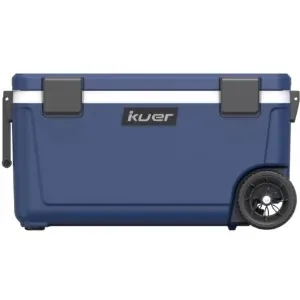
Solar Heat Absorption
Cooler shells behave like any surface exposed to sunlight: darker colours absorb more solar energy, while lighter colours reflect it. In direct midday sun, dark-coloured cooler casings can warm by up to 18–22°C above ambient temperature, and melt ice 15–25% faster than equivalent light-coloured units.
This effect is only significant in unshaded direct sunlight. In shaded areas, garages, or indoor settings, the difference nearly disappears entirely. A cooler box under a tree or canopy performs nearly identically regardless of colour, while a tailgate in an open sunlit parking lot gains a small but measurable benefit from a pale shell.
Colour Performance Comparison
| Colour | Heat Absorption | Best Use Case | Price vs Base Model |
|---|---|---|---|
| White | Lowest; reflects most solar energy | Beach days, tailgates, all-day open sun events | Same price within model lines |
| Light grey | Low to moderate | Mixed indoor/outdoor use | Same |
| Dark grey | Moderate to high | Shaded campsites, indoor events | Same |
| Black | Highest | Shaded/indoor use; hides scuffs better | Same |
Colour choice rarely affects price within a single model line — the decision comes down to use case and aesthetic preference, not performance.
What Impacts Ice Retention More Than Colour
Insulation Thickness
Insulation is the single biggest driver of ice retention. Thick polyurethane foam walls slow heat transfer far more effectively than any surface finish. For context:
- Basic thin-walled injection-molded coolers hold ice for ~24 hours in warm weather.
- Mid-range hard coolers hold ice for 3–5 days.
- Premium rotomolded units with 2–3 inch thick walls can hold ice for 7–10+ days when properly pre-chilled and packed.
For example, KUER rotomolded coolers use thick polyurethane insulation for 5–7 days of ice retention, supported by a seamless one-piece rotomolded structure that eliminates leaky seams.
Lid Seal Quality
A tight, freezer-grade rubber or silicone gasket is equally critical. A loose, friction-fit lid lets warm air seep in and melt ice from the top. Heavy-duty latches that compress the gasket evenly extend ice life significantly, alongside insulation.
Usage & Placement Habits
These factors have a far larger impact than shell colour:
- Shaded placement: Ice lasts up to twice as long in shade vs direct sun. Always place coolers under tables, canopies, or trees when possible.
- Pre-chilling: Cool the empty cooler for 30 minutes to 24 hours (depending on size) before packing. Pre-cooled walls don’t melt ice on contact.
- Smart packing: Use a 2:1 ice-to-contents ratio by volume, layer strategically (block ice at the bottom, perishables in the middle), and minimise lid openings.
Choosing the Right Cooler Colour
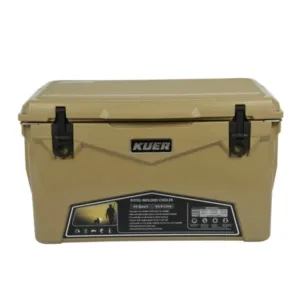
- Choose light/white for: All-day outdoor events, beach days, tailgates, and any use case with prolonged direct sun exposure. The solar reflectance delivers a small but consistent ice retention advantage.
- Choose dark/black for: Shaded campsites, indoor events, garage storage, or high-wear use cases. Dark finishes hide scuffs and wear better than pale shells.
- For mixed use: Light grey is a versatile middle ground.
Note: UV-stabilised shells (like those on KUER rotomolded coolers, with 8,000+ hours of UV resistance) prevent fading, yellowing, and polymer degradation from long-term sun exposure, regardless of colour.
FAQ
Does a white cooler keep ice longer than a black one?
In direct sunlight, yes — white shells reflect more solar energy, and tests show dark casings can melt ice 15–25% faster. In shade or indoors, there is almost no difference. Insulation and lid seal still drive most of the performance.
Does cooler colour matter for indoor or shaded use?
No. Coolers kept indoors or under cover get minimal direct sunlight, so shell shade barely changes ice retention. You can choose any finish you prefer while still getting strong performance from a well-insulated box.
How long does a KUER rotomolded cooler hold ice?
KUER rotomolded coolers use thick polyurethane insulation to keep ice frozen for 5–7 days. The seamless, leak-proof one-piece structure supports this performance, and proper pre-chilling and packing can extend it even longer.
Will sun exposure damage a cooler over time?
Yes, prolonged UV exposure can fade and weaken plastic shells over time. KUER rotomolded coolers offer 8,000+ hours of UV resistance to prevent sun damage and fading, maintaining finish and structural integrity season after season.
Does shell shade change the price of a cooler?
Rarely. Prices are consistent across colour variants within the same model line. Buyers pay for size, insulation, and features — not paint colour. Shade choice is purely a matter of preference once quality is settled.

 Request a quote
