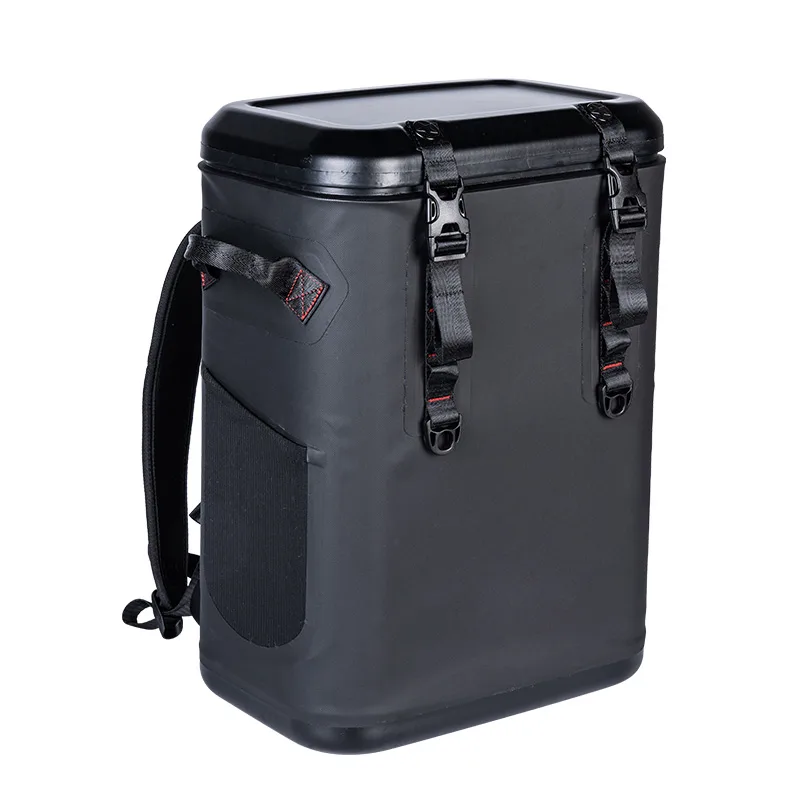

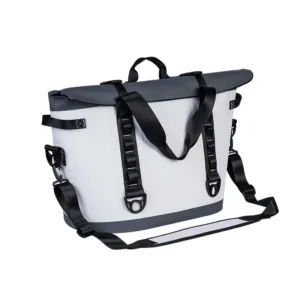
Yes — you can absolutely put ice directly in a well-built soft cooler. High-quality soft-sided bags hold frozen cubes, blocks, and jugs just as effectively as rigid hard coolers. Thick insulated walls and waterproof coated liners trap cold air and contain meltwater, so drinks and food stay cold without a soggy mess.
How long ice lasts comes down to three key choices: picking the right ice type for your trip, using enough ice to fill gaps around contents, and packing in layers with the coldest items on the bottom. Pre-chilling the cooler and food beforehand makes the single biggest difference in ice retention. With a little planning, you can get reliable cold storage for day trips, picnics, and short camping stays.
Key Takeaways
- Ice works safely in soft coolers with food-grade waterproof liners and coated outer fabric.
- Pre-chill the cooler and all contents overnight to extend ice life by up to 30%.
- Pack in layers: block ice on the bottom, cube ice to fill gaps, frequently used items on top.
- Follow a 2:1 ice-to-contents ratio by volume for all-day cold retention.
- Drain meltwater only when refilling with fresh ice to preserve maximum cooling efficiency.
Why Ice Works in Soft Coolers
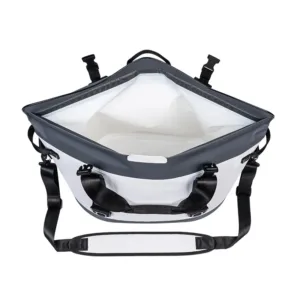
Waterproof Liner & Insulation Construction
A well-made soft cooler uses multi-layer construction to keep ice intact and prevent leaks. For example, KUER Custom Soft Coolers use premium 840D nylon with a TPU coating and food-grade inner liner.
- The sealed food-grade liner gives ice a clean, safe surface to rest on directly.
- The TPU coating blocks meltwater from soaking into the outer fabric, so insulation stays dry and effective.
- Thick foam walls trap cold air inside, slowing melt rates nearly as well as entry-level hard coolers.
Uncoated fabric bags will absorb water and lose insulating power quickly, but any quality soft cooler with a welded or coated liner is designed for direct ice use.
Flexible Fit Advantage
Unlike rigid hard coolers with fixed interior walls, soft bags flex to hug your load. This presses ice against every surface of bottles and containers, for faster, more even cooling. Soft coolers also weigh far less than comparable hard models, are easier to carry long distances, and fold flat for compact storage when empty.
Best Types of Ice for Soft Coolers
Different ice forms serve different purposes, and most trips work best with a mix.
| Ice Type | Key Benefits | Best For |
|---|---|---|
| Cube ice | Chills fast, fills all small gaps | Day trips, quick cooling of drinks |
| Block ice | Melts very slowly, long-lasting cold | Overnight trips, hot weather |
| Frozen water bottles | Double as drinking water as they melt | Day hikes, clean no-mess base layers |
| Gel ice packs | No meltwater mess, reusable | Clean packing, lunch bags, short outings |
| Flat freezer sheets | Thin, space-saving, even cooling | Slim loads, layering between food items |
How to Pack a Soft Cooler With Ice
Follow this method for the longest ice life and driest contents:
- Pre-chill the night before Fill the cooler with a sacrificial bag of ice or a frozen jug 12–24 hours before your trip. Pre-chill all drinks and food in the fridge first. A cooler only holds cold — it does not cool warm items quickly. Testing shows a pre-chilled cooler retains ice ~30% longer in 85°F weather than one packed warm.
- Use the 2:1 ice-to-contents ratio Aim for 2 parts ice to 1 part food and drink by volume — roughly two-thirds of the bag should be ice. When in doubt, add more ice. Extra ice always extends cold life, and empty air space speeds up melting.
- Layer strategically
- Bottom layer: block ice or frozen gel packs (cold air sinks)
- Middle: least-accessed items and food that needs the most cold
- Gap fill: cube ice packed tightly around all items to eliminate air pockets
- Top: frequently used drinks and snacks
- Cap with a flat frozen sheet or towel to hold in cold air
Note: Only use dry ice if your cooler manufacturer explicitly approves it. For most soft coolers, stick to regular ice, frozen jugs, and gel packs to avoid damaging the liner.
How to Make Ice Last Longer
Manage meltwater the right way
Standing meltwater is often seen as the enemy, but cold water actually insulates remaining ice better than warm air would. The best practice:
- Do not drain after every opening — cold water slows further melting.
- Drain only right before adding fresh ice to keep the bag light without wasting cooling power.
- Seal raw meat and proteins in leakproof containers and place them on the bottom to avoid cross-contamination.
More ice-preservation habits
- Keep the cooler in the shade, or drape a light-colored towel over it to block radiant heat.
- Limit openings to planned grabs only — each rush of warm air melts ice faster.
- For all-day trips, consider a separate small drink cooler so the main food compartment stays sealed.
- Fill all dead space completely. A tightly packed cooler always outperforms a half-empty one.
FAQ
How much ice do I need for a soft cooler?
Follow the 2:1 rule: two parts ice to one part food and drinks by volume, or roughly two-thirds of the cooler’s total capacity. When in doubt, add extra ice — more ice always means longer cold retention.
Can you put ice directly in a soft cooler bag?
Yes, in any quality soft cooler with a waterproof food-grade liner and coated outer fabric. The sealed liner contains meltwater and protects the insulation layer, so direct ice contact is safe and effective.
Should you drain meltwater from a soft cooler?
Cold water insulates remaining ice better than warm air, so draining after every opening actually shortens ice life. The most practical approach is to drain only right before you add fresh ice.
Do gel packs work better than ice cubes?
Not necessarily. Gel packs are cleaner and reusable, but ice cubes chill faster and fill gaps better. Most people use both for best results: gel packs for steady cold and ice for fast, even cooling.
Can you put dry ice in a soft cooler?
Only if the manufacturer explicitly rates the cooler for dry ice use. For nearly all standard soft coolers, stick to regular ice, frozen water jugs, and gel packs to avoid damaging the liner and to stay safe.

 Request a quote
