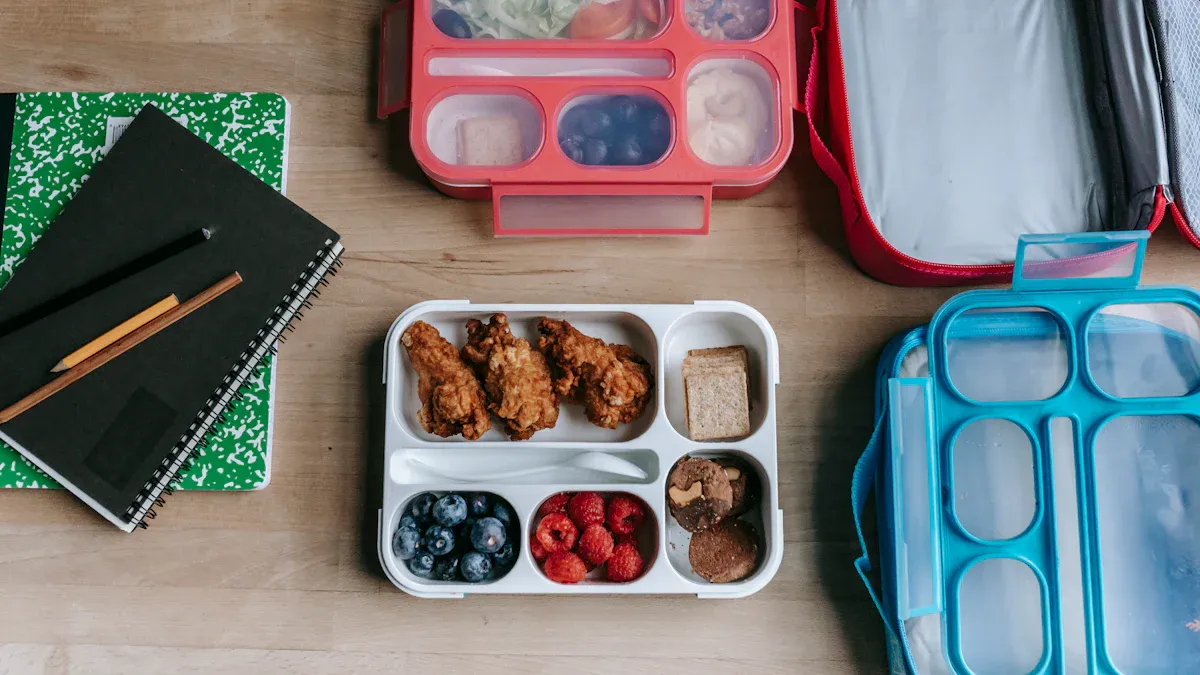

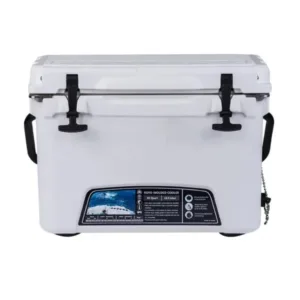
For most anglers, a 48–55 quart cooler is the sweet spot for a full day of fishing. It holds a full day’s catch plus food, drinks, and ice without wasted space or excess weight. Solo shore or kayak trips work with smaller 20–30 quart models, while group outings or large catches call for 65–75 quart chests.
The right size depends on your group size, how you get to the water, whether you keep your catch, and how long you’re out. Matching your cooler to your most common trip — not your biggest rare outing — gives you the best balance of portability, ice retention, and usable space.
Key Takeaways
- 48–55 quarts is the standard sweet spot for a full day of fishing for 1–2 anglers.
- Aim for a 2:1 ice-to-contents ratio by volume for all-day cold retention.
- Hard-sided rotomolded coolers keep ice 3–7 days; soft-sided models last 12–24 hours for day trips.
- Size up for groups, kept catch, and multi-day trips; size down for walk-in or kayak access.
- Buy for your most frequent trip, not your biggest one — a full cooler holds cold far better than a half-empty one.
Key Factors That Determine Your Ideal Cooler Size
1. Group size, food & drink volume
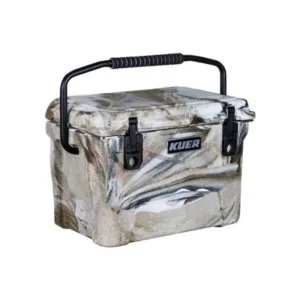
More people means more food, drinks, and storage space. Bulky items like full meat cuts, large drink bottles, and meal kits take up far more room than compact snacks. Plan meals ahead of time to estimate capacity, and always reserve extra room for your catch — the cooler has to hold both your starting supplies and what you bring home.
Pro tip: Serious anglers often use two coolers: one for food and drinks, and one dedicated to catch on ice. This keeps food colder (the lid opens less often) and separates fish from consumables.
2. Ice-to-contents ratio
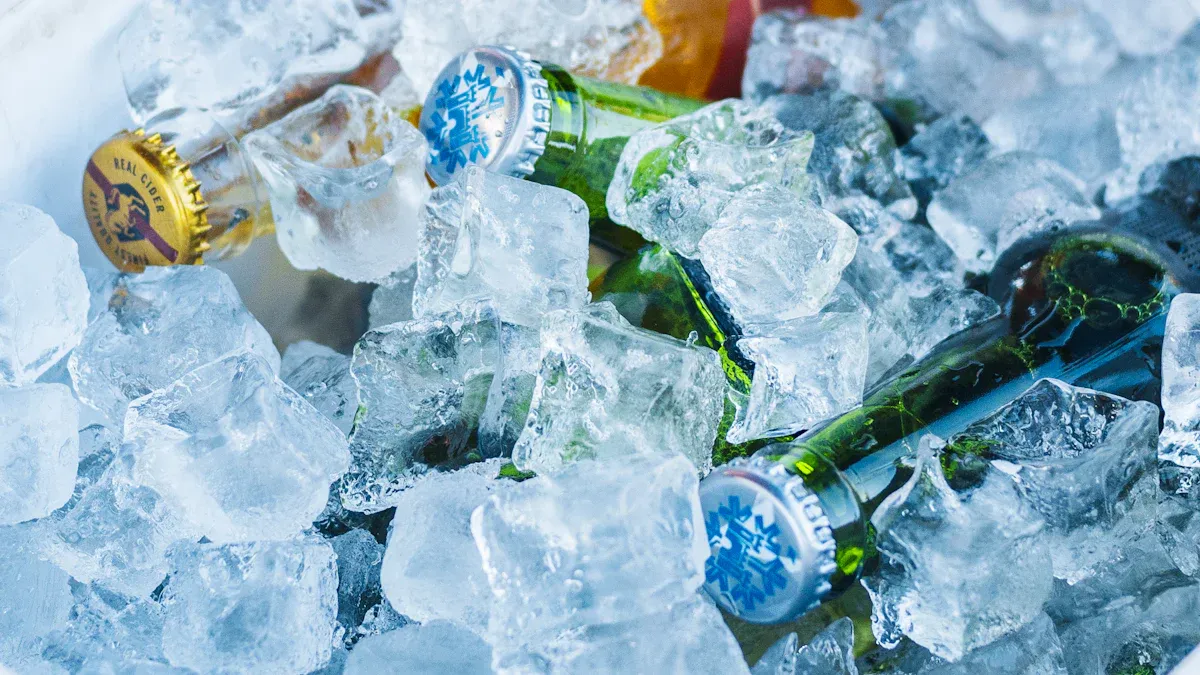
Ice retention depends heavily on how full you pack the cooler. A full cooler holds cold far better than a half-empty one. For all-day fishing trips, aim for a 2:1 ice-to-contents ratio by volume — roughly twice as much ice as food/drinks/catch.
Block ice lasts significantly longer than cubed ice for day trips and beyond. Larger blocks melt slowly and release cold water gradually. For a standard day trip, a well-insulated mid-range cooler with enough block ice performs nearly as well as a premium model.
3. Portability & access
How you get to the water sets a hard limit on size:
- Walk-in / kayak: Favor smaller models or soft-sided coolers that are lighter and easier to maneuver. A narrow hull may not fit a wide rigid chest.
- Boat / truck access: Size is far less of a constraint. Hard-sided wheeled models work well for easy transport.
4. Trip duration
Single-day trips need far less capacity and insulation than overnight outings. Multi-day trips demand larger boxes with thicker insulation and more ice reserve.
5. Storage space at home
Large coolers take up significant room in garages or truck beds. Measure your storage area before buying an extra-large model — you will rarely use a cooler that is a hassle to store.
6. Whether you keep your catch
Catch-and-release anglers can get away with much smaller coolers. If you keep fish, add 20–30% to your capacity estimate to make room for ice and fish.
Hard vs. Soft Fishing Coolers: Which Is Right for You?
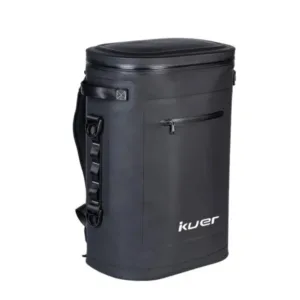
Hard and soft coolers serve very different use cases on the water.
| Aspect | Hard-Sided Cooler | Soft-Sided Cooler |
|---|---|---|
| Ice retention | 3–7 days (depends on model) | 12–24 hours |
| Durability | 10–20 year lifespan; rotomolded shell resists impact | 3–5 year lifespan; fabric exterior |
| Portability | Heavier; wheeled options available for transport | Lighter; folds flat for storage |
| Best for | All-day trips, kept catch, multi-day outings, boat use | Short walk-in trips, kayak use, light loads |
| Price range | Mid to high | Low to mid |
Hard rotomolded coolers like KUER’s Fishing Cooler Box use food-grade LLDPE shells with thick PU insulation for 5–7 day cold retention, with sizes from 10–110 quarts. They include features like non-slip TPR foot mats for wet decks, recessed drain plugs, and optional accessories like rod holders and cup holders.
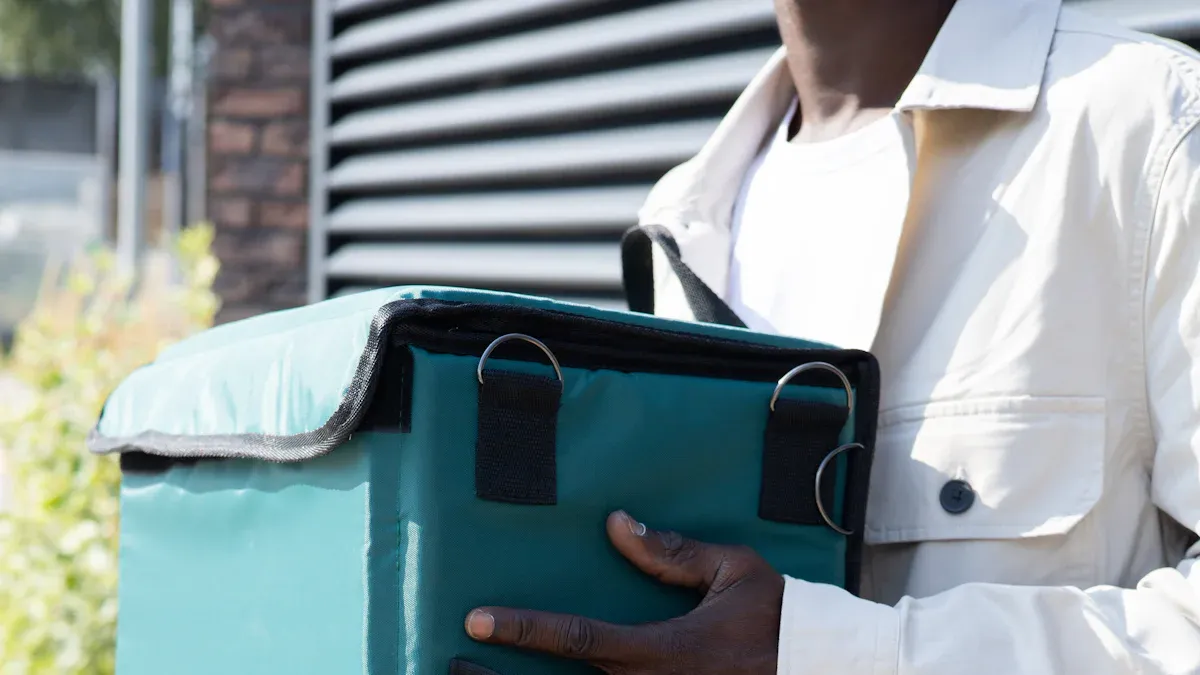
For short, light trips, soft coolers win on convenience and weight. They fold flat for storage and slide easily into kayak hatches. For all-day use with kept catch, hard boxes win on insulation and protection.
Common Fishing Trip Scenarios: Exact Recommendations
Solo Kayak / Shore Trip
A solo angler needs very little space. A 20-quart cooler carries lunch, a few drinks, and ice with room to spare, and stays light for short walks or paddle launches. It also fits behind a seat or under a bungee without tipping.
If you plan to keep fish, size up to 45–55 quarts. Test fit in your kayak first — narrow hulls may not accommodate wide rigid chests. Soft coolers often work better for tight hatch spaces.
Buddy Boat Trip (2 Anglers)
Two people sharing a full day on the water do best with 45–55 quarts. The 55-quart size is the workhorse here: it holds food, drinks, and a shared catch without crowding the ice. For shorter trips with lighter meals, 45 quarts works with block ice.
Family Day Trip (4+ People)
Groups of four or more should start at 65–75 quarts. For best results, split into two coolers: one for food and drinks, and one for catch. This keeps the food cooler (fewer lid openings) and preserves ice for the ride home.
FAQ
Is 55 quarts the best size for a full day of fishing?
For most 1–2 angler day trips, yes. A 55-quart cooler holds a full day’s catch plus food and drinks without wasted space. Solo trips with only lunch can drop to 20 quarts; larger groups or big catches should move up to 65–75 quarts.
How much ice do I need for a day fishing trip?
Aim for a 2:1 ice-to-contents ratio by volume. Block ice lasts longer than cubed ice for all-day trips. A full cooler holds cold better than a half-empty one, so match your load to your cooler size.
Does block ice or cubed ice last longer in a fishing cooler?
Block ice lasts significantly longer. Larger blocks melt slowly and release cold water gradually, instead of melting fast like small cubed ice.
Should I get a hard or soft cooler for day fishing?
Soft coolers are best for light walk-in or kayak trips where portability matters. Hard coolers win for all-day ice retention, kept catch, and boat use. Match the type to your trip, not just the brand name.
Is a bigger fishing cooler always better?
No. A half-empty cooler holds cold much worse than a full one. Buying for your biggest rare trip means you’ll carry extra weight and get worse ice performance on your regular outings. Buy for your most common trip type.
 Request a quote
