

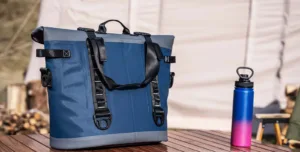
Yes, you can put ice in an insulated cooler bag. Ice helps keep your drinks and snacks cold during outdoor events. You protect food from spoiling and enjoy fresh, safe meals. This makes your outings more enjoyable. You get reliable cooling for picnics, hikes, or beach trips.
Key Takeaways
- Put ice in your insulated cooler bag to keep food and drinks cold and safe when you go out.
- Put ice at the bottom of your cooler bag, then put perishable items on top. This helps keep things cold for longer.
- Pick the right kind of ice. Use gel packs for short trips. Use block ice for longer trips. This helps keep the temperature just right.
Why Use Ice in an Insulated Cooler Bag
Keeping Items Cold
On a trip, you’ll definitely want your drinks and snacks to stay chilled. Ice cubes work well in insulated cooler bags because they absorb heat from the items inside. With gel ice packs, the cooling process is based on thermodynamic principles. The gel’s initial temperature is lower than the temperature of the food and beverage. As the gel absorbs heat, it melts slowly, thus maintaining a low temperature. This process creates a cool zone around the item, allowing you to enjoy chilled drinks and snacks for a longer time.
Tip: Place ice packs or block ice at the bottom of your insulated cooler bag. This helps keep everything cold and prevents warm air from reaching your food.
Food Safety Benefits
Maintaining food safety is crucial when dining out. Low temperatures slow bacterial growth and protect food. Food temperatures should always be kept below 40°F. The table below shows how food changes at different temperatures:
| Temperature Range | What Happens? |
|---|---|
| Below 40°F | Food stays safe longer |
| 40°F – 140°F | Bacteria grow quickly |
| Above 140°F | Food can dry out |
You reduce the risk of foodborne illness when you use ice in your insulated cooler bag. This simple step keeps your snacks fresh and safe, so you can focus on enjoying your day.
Best Ice Types & Usage Tips for Cooler Bags
Ice Packs vs. Loose Ice
You can choose to use ice packs or loose ice in an insulated cooler bag. Ice packs are clean and convenient, and won’t leak when they melt, so your food stays dry. Ice packs can be reused multiple times. While loose ice also cools food quickly, it produces water when it melts, which can make the food soggy. If you choose to use loose ice, you’ll need to use a resealable bag or liner.
Block Ice and Cubes
Both ice cubes and blocks of ice can keep things cool, but they work on different principles. Block ice melts slowly because it has a smaller surface area in contact with warm air. Ice cubes melt quickly but can rapidly cool items. You can see the differences in the table below:
| Feature | Block Ice | Ice Cubes |
|---|---|---|
| Melting Rate | Slower due to lower surface area | Faster due to higher surface area |
| Cooling Duration | Longer cooling duration | Shorter cooling duration |
You get longer cooling with block ice. Ice cubes work well for short trips or when you need fast chilling.
Using Frozen Bottles
Frozen water bottles give you several benefits in your insulated cooler bag:
- Cleanliness: No loose water means less mess.
- Drinkable: You can enjoy cold water as the bottles thaw.
- Cooling efficiency: Bottles fill empty space and boost cooling.
You can mix frozen bottles with ice packs or block ice for the best results. You keep your food and drinks cold and dry during your outing.
Packing Ice in an Insulated Cooler Bag
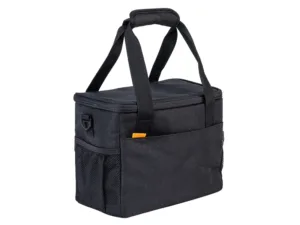
Layering for Efficiency
You can improve the cooling effect of an insulated bag by using the correct layering method. First, place the coldest item or ice pack at the bottom. This step creates a solid cold base. Next, place the food and drinks on top of the ice. Cold air sinks, so this arrangement helps keep food and drinks cold for a longer time.
Here’s a simple layering method for insulated bags to help you achieve the best results:
- Place ice packs, block ice, or frozen bottles at the bottom.
- Add items you want to keep coldest, like meat or dairy, directly above the ice.
- Stack other snacks and drinks on top.
- Fill any empty spaces with towels or extra clothing to reduce air gaps.
Tip: Pack items tightly. Less air inside means less heat can enter, so your food stays cold longer.
Preventing Leaks and Soggy Food
Melted ice will leave water inside the insulated bag. To keep food dry and safe, use a liner or resealable bag to prevent leakage. Store food in an airtight container or resealable bag. This step effectively waterproofs and protects your snacks.
You can also use a dedicated waterproof liner. The table below lists some good liner and resealable bag options:
| Material Type | Properties |
|---|---|
| PEVA | Waterproof and easy to clean |
| Food-safe vinyl | Durable and leak-resistant |
| TPU liner | Flexible, durable, suitable for heat-sealed construction |
| Coated nylon | Provides a barrier against leaks |
| Aluminum foil laminated | Reflective and adds insulation |
Before packaging, you can freeze items such as meat, vegetables, and beverages. This step helps keep food cold and reduces the amount of ice needed. Don’t discard the melted ice water immediately; the cold water helps maintain the temperature.
- Use ice packs or block ice for longer trips, especially in a soft cooler bag.
- Pack items tightly and fill gaps with towels or clothes.
- Choose ice gel packs that have been frozen for at least 48 hours for better cooling.
Note: Always check that your insulated cooler bag is fully closed to keep the cold air inside.
Step-by-Step Guide to Preparing Your Insulated Cooler Bag
Pre-Chilling the Bag
Pre-cooling insulated bags can improve their cooling effect. This helps keep food and drinks cold for longer. Try these best practices:
- Place ice packs or frozen items inside the bag for at least 30 minutes before you start packing.
- If you have more time, store the cooler bag in your freezer overnight. This makes sure the bag is cold when you need it.
- Keep the bag in a shaded or cool spot before you fill it.
- Pre-chill your drinks, meat, dairy, fruit, and prepared food in your refrigerator or freezer.
- Freeze items like water bottles or juice boxes ahead of time. These can double as ice packs and drinks.
Tip: Pre-chilling both the bag and its contents helps maintain a safe temperature for your food.
Organizing Contents
How you organize your cooler bag affects how long your items stay cold and safe. Use these steps for the best results:
- Start with a bottom layer of block ice, ice packs, or frozen bottles to create a cold base.
- Place perishable foods like meat or dairy in airtight, leak-proof containers above the ice.
- Add a layer of snacks, drinks, or ready-to-eat items on top for easy access.
- Use containers that fit closely together to reduce empty space and keep cold air inside.
- Store meats and fresh produce in less accessible areas to prevent cross-contamination.
- Keep items you will reach for often, like drinks or fruit, near the top.
Note: Layering and using airtight containers help prevent leaks and keep your food safe.
By following these steps, you make the most of your insulated cooler bag and enjoy fresh, cold food on every outing.
Maintaining Insulated Cooler Bag Temperature
Keeping the Bag Closed
Keeping your cooler bag sealed as much as possible helps it function better. Every time you open the bag, cold air escapes and warm air enters. This rapid temperature change makes it difficult to keep food and drinks cold. You should plan ahead and only open the bag when needed. This simple habit will help your cooler bag maintain a stable low temperature for longer.
Tip: Group items you will use together. This way, you open the bag fewer times and keep the inside colder.
Storing in Shade
Avoiding direct sunlight can extend the lifespan of insulated bags. Sunlight will quickly heat the bag, reducing its cooling effect. Storing insulated bags in a cool, shaded place will help preserve food and drinks.
- Keeping an insulated cooler bag in the shade helps maintain a lower internal temperature.
- Sunlight can quickly heat up the cooler bag, making it harder to keep items cold.
- Preventing direct sunlight exposure is crucial for effective cooling.
You can use a tree, umbrella, or even a towel to create shade. This small step helps your cooler bag perform at its best during any outdoor activity.
What to Use Instead of Ice in Your Insulated Cooler Bag
Gel Packs
Ice packs are a smarter choice than ice cubes. They keep food and drinks cold without making a mess. Even after freezing, ice packs remain soft, making them easy to wrap items in. Made of durable materials, they are not easily broken and don’t leak. Ice packs are reusable, saving you money and being environmentally friendly.
Here is a simple comparison between gel packs and traditional ice packs:
| Property | Gel Packs | Traditional Ice Packs |
|---|---|---|
| Temperature Retention | Keeps things cold for a longer time | Melts faster, good for short trips |
| Flexibility | Stays soft and bends when frozen | Gets hard and stiff when frozen |
| Durability | Made with strong, tough materials | Not as strong, can leak if broken |
| Environmental Impact | Can be reused, safe for the planet | Usually used once, adds to trash |
Tip: Gel packs are great for short trips or when you want to keep food dry.
When to Use Alternatives
In some situations, you should use other methods of keeping things cold instead of ice. Gel ice packs are best suited for short trips and don’t pose the dangers of dry ice. Ice blocks and frozen water bottles can keep items cold on long trips, but they can’t completely freeze them. Dry ice can keep items frozen for extended periods, but you must be careful as it can burn your skin.
You can use gel packs with ice bricks or frozen bottles to get the best cooling. This helps keep your food and drinks cold for any adventure.
Recommended: Waterproof Insulated Cooler Bag
Key Features
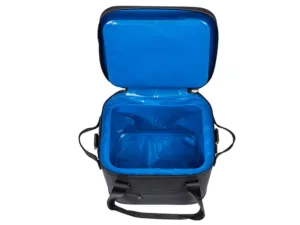
When choosing an insulated bag for your outings, you definitely want it to keep your belongings cool and dry. This waterproof, soft-sided insulated bag stands out with its clever design and durable materials. Here’s a brief overview of what makes this insulated bag unique:
| Feature | Description |
|---|---|
| Insulation Thickness | Thick foam (up to 12mm) keeps your food and drinks cold for hours. |
| Inner Lining | TPU lining resists leaks and is easy to clean. |
| Leakproof Design | Welded seams and sealed interiors stop melted ice from leaking out. |
| Zippers and Seams | Heavy-duty, waterproof zippers add extra protection. |
| Outer Fabric Durability | PVC and TPU-coated fabrics handle tough outdoor use and keep water out. |
This beverage bag holds 20-30 cans of drinks, making it ideal for group activities or business use. Its lightweight design and comfortable shoulder strap make it easy to carry.
Why It’s Ideal for Ice and Outdoor Use
You need a cooler bag that works well with ice and fits your outdoor plans. This insulated cooler bag uses thick closed-cell foam to slow heat transfer, so your ice lasts longer. Welded seams and leak-proof liners keep your food dry, even as ice melts. The bag’s size and insulation make it a smart choice for picnics, camping, or company outings.
For B2B customers, this cooler bag supports wholesale, custom branding, and bulk supply. You can rely on its performance for manufacturing, supplying, or resale needs.
You get a portable, reliable solution that keeps your items cold and fresh, whether you use ice packs or block ice.
Ice helps keep food cold and safe in insulated bags. Choose the type of ice best suited for your trip. Pack all items tightly to extend the cooling time.
Use the Waterproof Insulated Soft Cooler Bag when you go out next time.
| Factor | Recommendation |
|---|---|
| Packing Density | Less warm air, keeps cold inside |
| Ice Type | Blocks stay cold longer than cubes |
FAQ
Can you put ice directly in a soft cooler bag?
You can put ice directly into a soft insulated bag. For best results, it is recommended to use a sealed ice pack or ice liner to keep the food dry and the bag clean.
How long does ice last in an insulated cooler bag?
Ice can last up to 24 hours in a high-quality insulated cooler bag. The exact time depends on the ice type, outside temperature, and how often you open the bag.
Is the Waterproof Insulated Soft Cooler Bag good for wholesale or custom orders?
Yes! You can order this cooler bag in bulk for wholesale, custom branding, or as a supplier for outdoor events and company promotions.

 Request a quote
