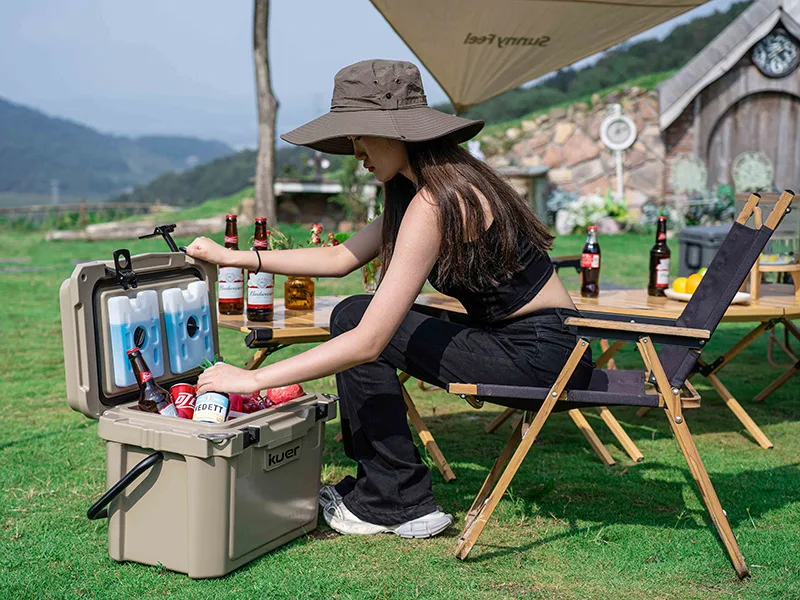

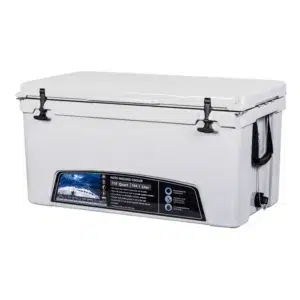
When you need your food and drinks cold for days, hard coolers work best. They are strong and keep things cold well. This makes them a favorite for many people. The KUER Cooler Box is a great hard cooler. It is tough and keeps ice for a long time. Many outdoor fans, suppliers, and makers trust these coolers. They know the coolers are reliable. More than 73% of cooler sales in North America are hard coolers. This shows that most people like hard coolers.
Key Takeaways
- Hard cooler boxes can keep ice frozen for 5–7 days, making them ideal for extended outdoor trips.
- Thick PU foam insulation improves ice retention and enhances overall durability.
- Choose a cooler size that matches your group size and storage needs.
- Soft coolers are lightweight and convenient for day trips, picnics, and solo use.
- A high-quality hard cooler offers greater durability, longer performance, and better long-term value.
Hard coolers insulation
Ice retention
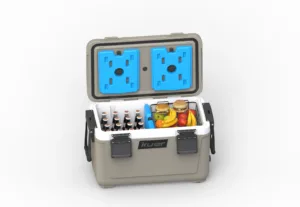
If you want to keep your food and drinks chilled for days, insulation is crucial. Hard-shell insulated boxes excel at this. KUER insulated boxes use a special rotational molding process and thick polyurethane foam to create a robust outer shell that effectively blocks heat from entering. Even on long journeys, KUER insulated boxes can keep ice at a low temperature for 5 to 7 days.
You’ll find a significant difference between hard-shell and soft-shell coolers. Tests show that hard-shell coolers can keep items cold for 2 to 5 days. Some top-of-the-line models, such as the KUER cooler, can keep items cold even longer. Soft-shell coolers typically only keep items cold for 12 to 36 hours. Even the best soft-shell coolers rarely keep items cold for 48 hours. Hard-shell coolers are best suited for camping, fishing, or trips requiring long-term refrigeration.
Tip: For best results, pre-cool your cooler and use lots of ice. Try not to open the lid often to keep the cold air inside.
Insulation materials
The insulation layer inside a refrigerator is crucial for keeping items at a low temperature. Most rigid refrigerators use closed-cell foam or rigid polyurethane foam. These materials trap cold air and prevent heat from entering. KUER refrigerators use thick polyurethane foam for excellent insulation.
The table below lists common insulation materials used in rigid refrigerators and compares them:
| Insulation Material | Key Properties | Effectiveness |
|---|---|---|
| Closed-cell foam | Has tiny air bubbles that keep heat out. | Works better than open-cell foam. Used by brands like YETI, RovR, and Engel. |
| Rigid polyurethane foam | Light, strong, and good at keeping things cold. | Makes insulation better and keeps the cooler easy to carry. |
| Polystyrene foam | Light and strong. | Helps keep things cold and works well. |
Polyurethane foam is the best material for long-term cold insulation, keeping food cold for 24 to 72 hours. In top-of-the-line coolers like the KUER Cooler Box, it can even keep food cold for up to a week. Therefore, it is favored by suppliers, manufacturers, and custom cooler users.
If you want your food and beverages to stay chilled for days, choose a rigid insulated cooler with good insulation. Suitable insulation will make your journey much easier and more enjoyable.
Durability of hard coolers
When choosing an outdoor insulated box, ruggedness is paramount. You need an insulated box that can withstand drops and harsh weather. Hard-shell insulated boxes like the KUER box are robust, durable, and well-made. Their seamless design helps extend their lifespan. Many suppliers and manufacturers favor these boxes because they perform exceptionally well in harsh environments.
Impact resistance
You might ask if the refrigerator can withstand bumps and drops. KUER refrigerators are made using a rotational molding process, resulting in a robust structure with no weak points. Even after repeated use, they remain highly durable. The table below shows the durability of KUER refrigerators in various harsh environments:
| Feature | Description |
|---|---|
| Construction Type | Rotomolded, seamless body with no weak spots |
| Drop Resistance | Survives drops from heights up to 15 meters |
| Leak Prevention | Seamless design prevents leaks, even when ice melts |
| Material | Modified LLDPE for strength and UV resistance |
| Surface Finish | Smooth surface resists fading and cracking from sun and weather |
You can use this cooler for camping, fishing, or long trips. Even if it’s accidentally dropped or exposed to direct sunlight, it will keep your food and drinks safe.
Longevity
The lifespan of insulated boxes is important, especially when used frequently or when multiple boxes are purchased at once. Rigid insulated boxes have a significantly longer lifespan than flexible insulated boxes. The table below shows the lifespan of various insulated boxes:
| Cooler Type | Lifespan (Ice Retention) | Features |
|---|---|---|
| Hard Coolers | Over a week | Durable, bear-proof, multi-functional |
| Soft Coolers | Up to 2 days | Lightweight, portable, less insulation |
Hard-sided coolers are more durable and less prone to damage, making them more valuable. KUER coolers are robust and durable, lasting for many years. This makes them ideal for outdoor enthusiasts, suppliers, and anyone who needs a durable cooler.
Note: A seamless, rotomolded cooler will leak less and last longer, even outside.
Portability and Weight: Hard vs. Soft Coolers
Carrying hard coolers
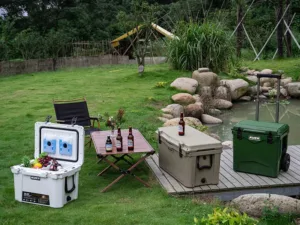
When traveling, carrying a cooler is essential. Hard-sided coolers like the KUER cooler come with special handles for easy gripping. Made from lightweight materials, they are of moderate weight, making them easy to lift even when fully loaded. Their structural design makes them sturdy and durable, and the handles are resistant to breakage. Many companies choose hard-sided coolers because they are durable and easy to move.
There are some problems when you carry hard coolers outside:
- A cooler full of food and drinks can be heavy and hard to move.
- Some coolers have wheels that help you pull them. Wheels make it easier on your back and arms. But wheels can make the cooler bigger and may break after a while.
Rigid insulated boxes can keep ice in place for extended periods and are very sturdy. However, this also makes them relatively heavy, inconvenient for long-distance transport or traversing rough terrain. You should consider your route and the distance you need to move the insulated boxes.
Tip: If you need to move your cooler a lot, get one with wheels or extra handles. This will help you carry it without hurting yourself and makes moving it easier.
Soft cooler advantages
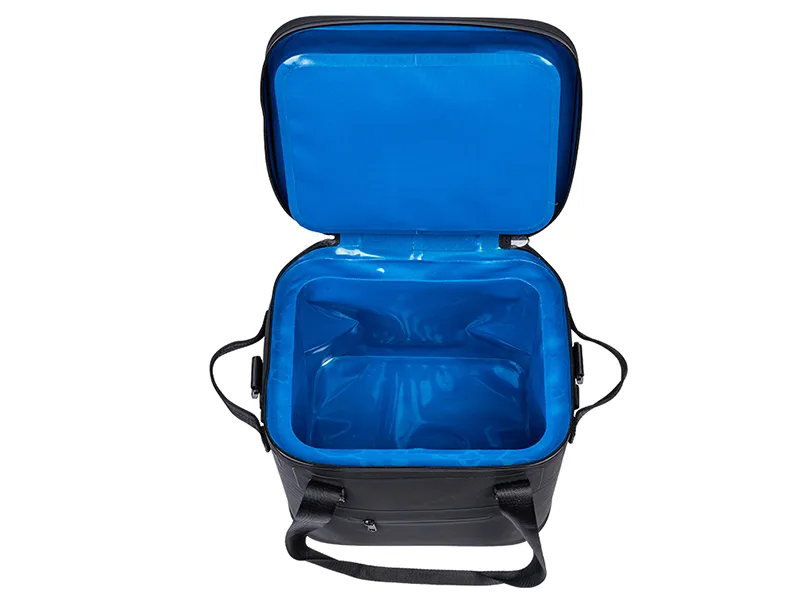
Flexible cooler cases are easy to carry. You can move them using the straps or handles. You can carry them by hand or over your shoulder. Their soft shape allows them to fit in small spaces. This is very convenient for solo travelers or those traveling in small groups.
Here are some advantages of flexible cooler cases:
- They are lighter and bend more than hard coolers.
- Straps you can change make them comfy to carry.
- You can put them in small spots when you are not using them.
- They are easy to carry in busy places.
- You can fold or squeeze them into bags or car trunks.
Flexible coolers are best suited for solo travel. Their lightweight design allows you to go further and stay longer. Their shape also makes them ideal for short trips, hiking, or simply exploring the city.
| Cooler Type | Portability Features | Best Use Cases |
|---|---|---|
| Hard Coolers | Ergonomic handles, wheels (optional) | Group trips, camping |
| Soft Coolers | Adjustable straps, flexible design | Solo travel, day trips |
Choose an insulated box that suits your needs. If you need a sturdy, durable box that can keep things cold for a long time, choose a hard-shell box. If you want a lightweight, portable, soft, and comfortable box, choose a soft-shell box.
Comprehensive Cooler Size Comparison: Hard Coolers vs. Soft Coolers
Hard coolers for groups
When planning a trip with friends or family, you’ll need a cooler with enough capacity to hold all the food and drinks for everyone. Hard-sided coolers come in many sizes, allowing you to choose the perfect one for your group. Common sizes include 20-quart, 35-quart, 45-quart, and even 75-quart. For example, a 20-quart cooler is ideal for a short beach trip with family. If you have a larger group or are planning a longer trip, a 75-quart cooler will provide ample space for even more food and drinks.
| Cooler Size (Quarts) | Typical Use Case |
|---|---|
| 20 | Short beach outings for families |
| 35 | Day trips for small groups |
| 45 | Longer excursions for larger gatherings |
| 75 | Extended trips for big groups |
| 50 to 55 | Grocery shopping, small gatherings |
| 65 to 70 | Weeklong trips for two, boating |
Hard-shell insulated boxes like the KUER cooler box utilize high-performance insulation materials and a robust, durable design. They can reliably keep you cold for days, which is crucial for group camping or outdoor activities. Many suppliers and manufacturers focus on these characteristics and incorporate them into both wholesale and custom orders.
“The hard coolers segment is anticipated to reach USD 1.1 billion by 2035. Hard coolers are trending toward enhanced ice retention and rugged designs, with a focus on durability for multi-day outdoor trips.”
Soft coolers for solo trips
If you’re traveling alone or need to make short trips, a soft-sided cooler is a wise choice. Personal soft-sided coolers on the market range in size from 5 to 16 quarts. These coolers are lightweight and portable, perfect for hiking, kayaking, or short picnics. Their compact size is just the right amount to hold your snacks and drinks.
- Lightweight design makes transport easy.
- Compact size fits solo trips or two-person outings.
- Insulation keeps items fresh for several hours.
Flexible insulated boxes are versatile and not limited to picnics. They can be used for fishing, camping, or road trips. Their flexible shape makes them easy to store in small spaces, making them ideal for saving space.
| Cooler Size (Quarts) | Best Use Case |
|---|---|
| 5 to 16 | Solo or two-person trips |
| 17 to 35 | Small family outings |
| Above 36 | Larger gatherings, long trips |
You should choose the appropriate cooler size based on the number of people in your group and the length of your trip. Hard-sided coolers are suitable for larger groups and long-distance travel. Flexible coolers are best suited for solo travel and short trips.
Hard vs. Soft Coolers: Cost Comparison
Hard coolers pricing
Hard-shell insulated boxes are generally more expensive than soft-shell insulated boxes because they use more robust materials, offer better insulation, and have a longer lifespan. KUER insulated boxes are made using rotational molding and thick polyurethane foam, features that make them popular with outdoor enthusiasts and suppliers. Hard-shell insulated boxes are priced in three tiers:
| Cooler Bag Tier | Price Range (USD) |
|---|---|
| Premium | $150 – $300 |
| Mid-Range | $80 – $150 |
| Budget | $40 – $80 |
High-end hard-shell insulated boxes can cost up to $300. The price will indeed be higher if you need additional accessories or a larger capacity. Mid-range insulated boxes are sufficient for most travel needs. Economy insulated boxes are suitable for short trips but may not be very durable. People are willing to spend more money on hard-shell insulated boxes because they keep drinks cold longer and are more robust and durable.
Note: At the top price, hard and soft coolers can cost the same. You pay for how well the cooler works and how long it lasts, not just the name.
Soft coolers affordability
Flexible coolers are generally cheaper than rigid coolers. Some flexible coolers start at just $35. They use lighter materials and have a simpler design. If you only need a cooler for short trips, an affordable flexible cooler will suffice. There are many price options available for flexible coolers:
- Budget soft coolers: $35–$80
- Mid-range soft coolers: $80–$150
- Premium soft coolers: $150–$300
Prices vary depending on the material of the cooler and the frequency of use. More expensive soft-sided coolers have a longer lifespan and better insulation. If you use a cooler frequently, it’s wise to buy a more robust and durable model. Many companies also offer customization services, allowing you to choose the right cooler based on your needs and budget.
Tip: Pick a cooler that fits your plans. If you go outside a lot, a strong hard cooler like the KUER Cooler Box is a good buy. For short trips or light use, a soft cooler saves money and space.
Versatility and Features: Hard vs. Soft Coolers
Hard coolers accessories
You can make your outdoor trips better with hard cooler add-ons. The KUER Cooler Box has extra items you can buy to help you stay organized.
- Cup Holder ($10.00): Holds your drink so it does not spill.
- Cutting Board Divider ($15.00): Keeps food and drinks apart and gives you a place to cut food.
- Freezer Ice Pack Divider ($12.99–$14.99): Helps keep things cold and neat inside the cooler.
Some companies sell specialized tools, such as cutting boards and cooler dividers from Adventure Ready Camp. These tools help keep coolers organized and ensure food safety. You can use them to prepare food or divide coolers. Many manufacturers produce cutting boards in various sizes to fit all types of coolers. This is very convenient for those who want to customize coolers or buy multiple coolers at once.
Rigid coolers are very sturdy; you can sit on them or use them as a table. The rotomolded body can support your weight. You can sit by a campfire or place snacks on them. This is very practical for group trips and outdoor activities.
Tip: Pick a hard cooler with the add-ons you need. You can set up your cooler for camping, fishing, or tailgate parties.
Soft coolers flexibility
Flexible coolers are versatile, available in various shapes and sizes, from small models suitable for single use to larger models for multiple people. They are lightweight and portable, easily carried by hand or over the shoulder using handles or shoulder straps.
Flexible coolers fit easily into tight spaces such as car trunks or boat cabins. When not in use, they can be folded or rolled up for storage. They are ideal for camping, fishing, hiking, kayaking, and road trips. Their compact and lightweight nature is especially useful when space is limited.
Pick your cooler based on what you want to do. Hard coolers are tough and have more features. Soft coolers are easy to carry and move around.
Best Uses: Hard vs. Soft Coolers
Outdoor adventures
You need a cooler to match your adventures. Hard-shell coolers are best suited for camping, fishing, and long road trips. They can keep food cold for days and protect it from wildlife and harsh weather. KUER coolers are made of robust rotomolded plastic and have thick insulation. You can rely on them for multi-day hikes, group camping, or boating. Many suppliers and manufacturers choose hard-shell coolers for wholesale and custom outdoor gear because of their durability.
The table below can help you compare which cooler is best suited for your outdoor needs:
| Factor | Hard Coolers | Soft Coolers |
|---|---|---|
| Durability | Made from rotomolded plastic, very durable. | Made from foam, nylon, and plastic, less durable. |
| Weight and Portability | Heavier and bulkier, harder to carry. | Lighter and more compact, easier to transport. |
| Insulation Performance | Better insulation for extended cooling. | Good insulation, but less effective over time. |
| Versatility | More features for food prep, but bulkier. | Easier to carry for various activities. |
| Cost | Generally more expensive due to materials. | Often less expensive, budget-friendly option. |
For extended periods of cold storage or travel with a group, a hard-shell insulated box is the better choice. Soft-shell insulated boxes are suitable for short hikes or short fishing trips; they are easy to carry and fit in small spaces.
Everyday convenience
You also need an incubator in your daily life. Soft insulators excel in this regard. They’re lightweight and flexible, so you can take them on picnics, to the supermarket, or to school events. Many soft coolers come with adjustable straps or handles. After use, you can fold or roll them for easy storage.
Hard-shell insulated boxes remain highly practical for situations requiring prolonged cooling, such as sporting events or backyard parties. With their superior insulation and numerous additional features, KUER boxes are a wise choice for suppliers and outdoor enthusiasts seeking enhanced gear performance.
Tip: Choose a cooler based on your activity. Hard coolers are best for long, tough trips. Soft coolers are perfect for quick, everyday use.
Choose your cooler based on your needs. Hard-sided coolers are best suited for long trips or large groups. They are also a good choice if you want sturdy insulation and a robust cooler. KUER coolers can keep ice frozen for up to 7 days. They are well-made and feature smart technology. Many people say they perform similarly to expensive brands but at a lower price. If you want a lightweight and portable cooler, soft-sided coolers are better suited for shorter trips. Please see the table below for a comparison:
| Feature | Hard Coolers | Soft Coolers |
|---|---|---|
| Insulation | Keeps ice for days | Good for hours |
| Durability | Very strong | Less robust |
| Portability | Heavier | Lightweight |
| Use Cases | Camping, wholesale | Day trips, gym |
If you go outside a lot or need a cooler for work, the KUER Cooler Box is a great pick.
FAQ
How long does ice last in a hard cooler?
In a high-quality hard-shell cooler like the KUER Cooler Box, ice can stay cold for 5 to 7 days. The exact time depends on the outdoor temperature and how often the lid is opened.
What makes hard coolers more durable?
These rigid insulated boxes are made using rotational molding and robust materials. The seamless construction allows them to withstand bumps and harsh weather. Suppliers and manufacturers alike prefer them for outdoor use.
Are hard coolers easy to carry?
Hard coolers come with easy-grip handles. Some coolers also have wheels for easy movement. They’re often made from lightweight materials, but large coolers can feel heavy when filled.
Can I use a hard cooler for wholesale or custom orders?
We are a supplier and manufacturer offering wholesale and custom-made rigid refrigerators. You can choose the size, color, and accessories to suit your business needs.
What accessories can I add to a hard cooler?
You can add cup holders, cutting boards, and ice packs to your hard-shell insulated box. These accessories help keep your food and drinks clean during outdoor trips.


 Request a quote
