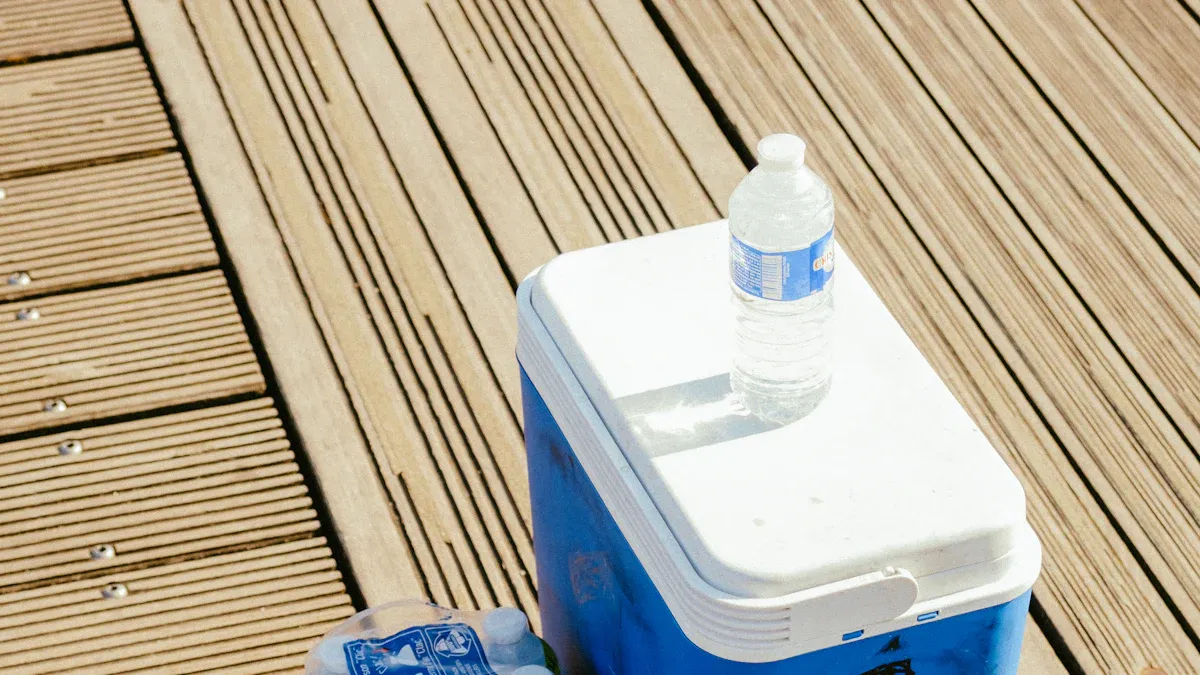

Yes, you can safely store hot food in a rotomolded cooler for short-term holding, as long as you follow basic food safety rules and take simple steps to protect the cooler interior. The same thick, dense insulation that keeps ice frozen for days also slows heat loss from warm dishes, working like a large thermal food carrier rather than an oven. Food will stay warm for hours, not days, and a few simple preparation steps make a dramatic difference in both temperature retention and food safety.
This guide covers how rotomolded insulation works for hot food, whether it will damage your cooler, step-by-step warming tips, and critical food safety guidelines.
Key Takeaways
- Preheat the cooler box and food containers with hot water first to stop cold plastic from absorbing heat from your meal.
- Use tightly sealed containers and fill empty space with towels to minimize heat loss.
- Check internal food temperature regularly with a probe thermometer to stay out of the bacterial danger zone.
- Keep hot food above 140°F and follow the 2-hour safety rule (1 hour in temperatures above 90°F).
- Use a solid divider to separate hot and cold items in the same cooler to protect both loads.
Why Rotomolded Coolers Hold Heat (and How Well They Work)

Rotomolded coolers are designed to slow temperature transfer in both directions, not just keep things cold. The dense polyurethane foam core between the inner and outer plastic walls traps millions of tiny air pockets, which are poor conductors of heat. This means the same thick walls that slow heat from entering to melt ice also slow heat from escaping when storing warm food.
The insulation does not generate heat — it only slows temperature change. Thicker foam walls will hold warmth longer than thin budget coolers, but all coolers will gradually lose heat over time. A tight lid gasket and closed drain plug are also critical: gaps let warm air escape and drop internal temperature quickly.
Important Limitations
A rotomolded cooler is not a hot holding oven. It will keep food warm for several hours, but it cannot maintain safe hot holding temperatures overnight or for full-day events without a secondary heat source. Performance also depends on outside air temperature: cold ambient conditions will drain warmth faster than mild weather.
Will Hot Food Damage a Rotomolded Cooler?
For normal hot food temperatures (140–180°F, typical of cooked casseroles, chili, or side dishes), a rotomolded cooler will not be damaged. Food-grade polyethylene can safely handle standard serving temperatures without softening, warping, or leaching chemicals.
There is one key precaution: do not place a pot directly from a stovetop or oven onto the bare inner plastic. Extreme direct heat from a boiling pot can overheat and potentially warp the inner liner. Always set hot dishes on a thick towel, trivet, or folded blanket to spread heat evenly and protect the cooler floor.
Hot food also does not shorten the cooler’s overall lifespan when used correctly. The foam core and plastic shell are engineered for temperature extremes, and normal hot food use falls well within their design limits.
How to Keep Food Hot in a Rotomolded Cooler
Follow these steps, recommended by an experienced cooler box manufacturer, to maximize heat retention and safe holding time:
1. Preheat Everything First
A cold cooler interior will steal a huge amount of heat from food the moment you close the lid.
- Fill the empty cooler with hot tap water, close the lid, and let it sit for 5–10 minutes to warm the inner walls.
- Drain all water completely and dry the interior before packing.
- Pre-warm food containers the same way: rinse with hot water and dry before adding meals.
2. Seal Containers Tightly
Loose lids let heat and steam escape quickly.
- Use containers with locking, airtight lids.
- Add a layer of aluminum foil or plastic wrap under lids for an extra seal.
- Tape edges of large trays if lids feel loose to prevent leaks and heat loss.
3. Pack Strategically
- Place the hottest dishes at the bottom of the cooler, since heat rises.
- Fill all empty gaps with folded towels, newspaper, or extra insulated containers. Open air space allows heat to circulate and escape; a full cooler holds temperature far better.
- Add a thick towel on top of all dishes before closing the lid to trap rising warmth.
4. Monitor Temperature Regularly
- Check the internal temperature of food with a probe thermometer every 2–3 hours.
- Always measure the center of the thickest dish, not just the surface.
- If temperatures drop toward 140°F, plan to serve or reheat food promptly.
Safety Considerations When Using a Cooler for Hot Food
Food Safety Rules for Hot Food in Coolers
Bacteria multiply rapidly in the 40°F to 140°F danger zone. Follow these rules to keep food safe to eat:
- Hold hot food at or above 140°F at all times.
- Perishable food can safely spend a maximum of 2 hours total in the danger zone.
- In outdoor temperatures above 90°F, shorten this window to 1 hour.
- Never guess temperatures — always use a clean probe thermometer for an accurate reading.
- Cool leftovers to 40°F or below within 2 hours after serving.
Can You Store Hot and Cold Items in the Same Cooler?
Yes, hot and cold items can share one cooler with proper separation, but there are important tradeoffs:
- Use a solid plastic divider or separate insulated basket to keep the two zones apart.
- Warm dishes will accelerate ice melting on the cold side, so pack extra ice for cold items.
- Fill gaps on both sides with towels to limit air circulation between zones.
- Always seal raw meats separately and keep them away from ready-to-eat hot food to avoid cross-contamination.
For all-day events, two separate coolers will give far better temperature performance for both hot and cold loads.
Best Use Cases for Hot Food in a Rotomolded Cooler
This setup works best for short-term holding and serving windows:
- Tailgating and outdoor sporting events
- Potlucks and group picnics
- Catering drop-offs and on-site meal service
- Road trips with warm meals served within a few hours
For multi-day trips or all-day hot holding, a dedicated insulated food warmer or portable oven is a better choice.
FAQ
Can a rotomolded cooler keep food warm overnight?
No. Dense foam slows heat loss but does not stop it entirely. Warm food will stay hot for hours, not days. Overnight holding requires an additional heat source to maintain safe temperatures.
What temperature is safe for hot food holding?
Hold hot dishes at or above 140°F to stay out of the bacterial danger zone (40°F to 140°F). Always measure temperature at the center of the dish with a probe thermometer for an accurate reading.
How long is hot food safe in a cooler?
Perishable food remains safe for about 2 hours total after dropping below 140°F. In outdoor temperatures above 90°F, reduce this window to 1 hour. Tight seals and preheating extend the safe holding window.
Do I need to preheat a cooler before adding hot food?
Yes. Cold plastic walls will absorb a large amount of heat from food immediately. Fill the cooler with hot water for 5–10 minutes, drain fully, and dry before packing. Pre-warm food containers the same way for best results.
Can hot and cold food share the same cooler?
Yes, with a solid divider or separate basket between zones. Hot items will speed up ice melting on the cold side, so pack extra ice. Always keep raw meats sealed and separated from ready-to-eat hot food to prevent cross-contamination.

 Request a quote
