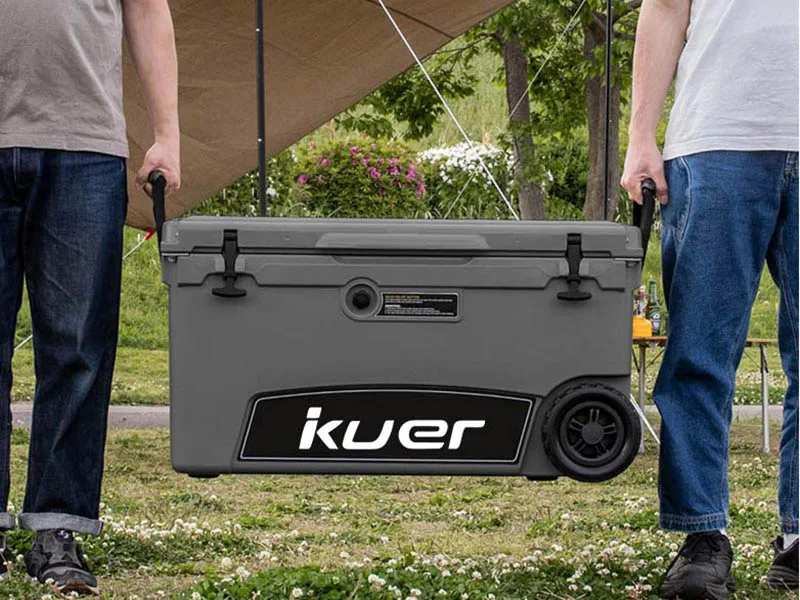

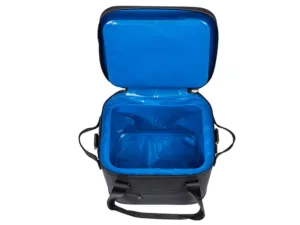
You may ask if you need a cooler or a lunchbox for your meals. A cooler has more space and keeps things cold for longer. It is best for picnics or camping trips. Lunchboxes hold one meal and are good for work or school. The table below shows how each choice fits different needs:
| Feature | Cooler Bags | Lunch Bags |
|---|---|---|
| Size and Capacity | Bigger, for groups and trips | Smaller, for one person |
| Insulation | Strong, keeps cold for a long time | Light, keeps cold for a short time |
| Intended Use | Outdoor trips, long adventures | Work, school, daily meals |
You can find examples like the KUER Hard Lunch Cooler. This cooler shows the special benefits of new cooler designs.
Key Takeaways
- Coolers are larger containers designed to keep food cold for multiple days during outdoor activities like camping and picnics.
- Lunchboxes are smaller, single-meal containers designed for daily, short-term use at work or school.
- Choose a large cooler if you need to carry food for groups or a compact lunchbox if you are only packing for one person.
- Coolers feature thick insulation to maintain cold temperatures for long periods, while lunchboxes use lighter insulation for brief outings.
- Select a tough, rugged cooler to handle outdoor conditions, or opt for a simple lunchbox that is lightweight and easy to clean.
Cooler Size And Lunchbox Size
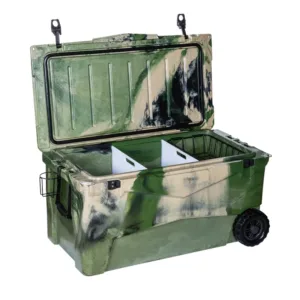
Typical Cooler Capacity
When you look for insulated boxes, you’ll find they come in many sizes. Most insulated boxes on the market are designed for multiple users. You can see this in the table below:
| Size Range | Market Share (%) |
|---|---|
| <25 quarts | N/A |
| 25-50 quarts | N/A |
| 50-75 quarts | 38.1 |
| 75-100 quarts | N/A |
| >100 quarts | N/A |
Insulated boxes with a capacity of 50-75 quarts are popular. This size can hold enough food and drinks for several people. You can use it for family picnics, camping trips, or sporting events. Some insulated boxes, such as the KUER hard-sided lunchbox, combine large capacity with portability.
Lunchbox Capacity
The lunchboxes are smaller and designed specifically for everyday meals. You can see the differences in the table below:
| Lunchbox Type | Capacity |
|---|---|
| Easyfun Lunch Bag for Adults | 11 liters |
| Bentgo Kids Lunch Box | 19.2 ounces |
Most lunchboxes are large enough for one meal. Some can also hold several containers or a bottle of beverage. If you’re preparing a larger lunch or want to bring snacks, you may need a larger lunchbox. Be sure to check the internal dimensions to make sure your containers fit.
Tip: Think about your meal size and how many people you need to feed. A small lunchbox works well for one person. A larger lunchbox can help if you want to pack food for two or more.
Which Is Better For Your Needs?
You should choose based on the amount of food you need to bring. Here is a brief guide:
| Capacity (Liters/ml) | Number of People | What it Holds |
|---|---|---|
| 500 ml – 750 ml | Individual | A complete meal for one person. |
| 1 L – 1.2 L | Two people | Two complete portions. |
| 2.5 L or more | Five or more | Main courses, side dishes, and drinks. |
If you need to keep food fresh for a group of people, an insulated box is the best choice. If you’re just packing lunch for yourself, a lunchbox will suffice. Consider your plans and choose the capacity that best suits your needs for the day.
Detailed Insulation Comparison Between Coolers and Lunchboxes
Cooler Insulation
When checking the cooling performance of a refrigerator, the insulation layer is crucial. Manufacturers use various materials to keep cold air inside and prevent heat from entering. Here are some materials you might see:
- Expanded polystyrene is a common choice for keeping things cold.
- Mineral wool works well for many uses.
- Plant-based options like cork and cotton are good for the planet.
- Recycled materials, such as plastics and glass, help cut down on trash.
- Aerogel insulation is light and keeps heat out very well.
- Vacuum insulation panels are thin but block heat strongly.
- Reflective insulation uses shiny layers to bounce heat away.
Insulated lunchboxes like the KUER hard-shell lunchbox are filled with thick polyurethane foam. This foam effectively traps cold air, maintaining a comfortable temperature for extended periods. Even in hot weather, this insulated box can keep food cold for five to seven days. Its unique design allows it to withstand various harsh weather conditions, such as summer or winter. The thick insulation layer keeps the internal temperature low, protecting food from the effects of external high or low temperatures.
Lunchbox Insulation
Lunch boxes have thin insulation because they only need to keep food fresh for a few hours. The most common types of insulation include closed-cell foam, vacuum-sealed insulation, and reflective linings. You can see how they work in the table below:
| Insulation Type | Effectiveness |
|---|---|
| Closed-Cell Foam | Maintains temperature for 4-5 hours |
| Vacuum-Sealed Insulation | Keeps food hot or cold for 6-8 hours |
| Reflective Linings | Enhances insulation performance when combined |
Most lunchboxes can keep food fresh for two to four hours. With ice packs, cold food can stay cold for six to eight hours. For hot food, you can preheat the lunchbox or use an insulated bag to keep it warm for up to six hours. These features make lunchboxes ideal for going to school, work, or short trips.
Tip: To keep your lunch cold longer, use an ice pack or pick a lunchbox with vacuum-sealed insulation.
How Long Do They Keep Food Cold?
You might be wondering how long each type of food storage container can keep food warm. The answer depends on its effectiveness in keeping food warm and the outside weather. Below is a chart of lab test results:
| Type | Average Cold Retention Time (hours) | Description |
|---|---|---|
| Insulated Bags | 4–14.5 | Good for school lunches or short picnics |
| Injection-molded coolers | 38.62 | Works for camping or road trips |
| PS Foam Coolers | 54.32 | Keeps food cold for over a day |
| Rotomolded Coolers | 63.72 | Holds ice for more than two days, great for long trips |
Coolers like the KUER hard-shell lunchbox performed exceptionally well in these tests. Even at temperatures as high as 84 degrees Fahrenheit (approximately 29 degrees Celsius), it kept food chilled for over eight hours and up to a week. This makes it ideal for camping, fishing, or any occasion requiring long-term food preservation. Most lunchboxes are best suited for everyday use and short-term preservation. They can keep food fresh all day (to school or work), but they don’t keep food cold as long as coolers.
Note: Coolers also protect food in winter. The thick insulation keeps freezing air out, so your meals do not get too cold during outdoor fun.
Materials and Durability: Coolers vs. Lunchboxes
Cooler Materials
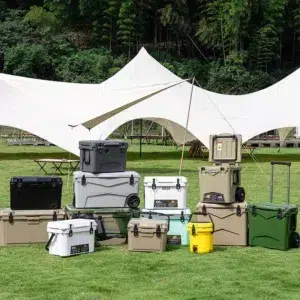
Outdoor insulated lunchboxes must be robust and durable. Manufacturers use high-strength materials to ensure food safety and maintain low temperatures. The KUER hard-shell lunchbox features a food-grade LLDPE shell and is insulated with thick PU foam. These materials help protect the insulated box from impacts, scratches, and sunlight. The KUER hard-shell lunchbox withstands over 8,000 hours of UV exposure and is bear-proof, making it ideal for outdoor use.
Many coolers have special safety certifications. Some examples are:
- UL Panel Certification
- NSF (National Sanitation Foundation)
- Intertek/ETL UL1715 Certification
These tests demonstrate that this cooler can withstand rough use and adapt to various temperatures. Rotationally molded coolers like the KUER hard-shell lunch cooler feature a robust, one-piece shell. This shell helps prevent cracking and damage. Strong latches and sealing gaskets maintain a low internal temperature and prevent leaks. UV blockers and fade-resistant coatings protect the cooler from sunlight, keeping it looking new for a long time.
Lunchbox Materials
Everyday lunchboxes are made of various materials. You might see stainless steel, glass, or BPA-free plastic. Each material is safe, sturdy, and environmentally friendly. The table below provides a comparison:
| Material | Safety | Durability | Eco-Friendly | Best For |
|---|---|---|---|---|
| Stainless Steel | ★★★★★ | ★★★★★ | ★★★★★ | Kids & Adults |
| Glass | ★★★★★ | ★★★ | ★★★★ | Office |
| BPA-Free Plastic | ★★★ | ★★★★ | ★★★ | Budget |
Stainless steel lunch boxes are the most durable and resistant to dents. Glass lunch boxes can keep food fresh, but they are easily broken if dropped. BPA-free plastic lunch boxes are lightweight and inexpensive, but may not be as durable as metal lunch boxes.
Durability Factors
You certainly want your food containers to keep for a long time. This applies whether you’re at work, school, or traveling. Many factors can affect how long food containers can keep food:
- Shell material: Strong plastic or metal lasts longer.
- Insulation thickness: Thicker insulation keeps food cold.
- Latches and seals: Good parts stop leaks and keep food safe.
- UV protection: Stops sun damage and fading.
- Rugged construction: Handles drops and bumps without breaking.
KUER hard plastic lunchboxes with rotationally molded shells are durable. People say KUER hard plastic lunchboxes stay in good condition even after multiple trips. Lunch boxes made of stainless steel or thick plastic are also suitable for everyday use and are very durable.
You can see how price matches features and durability in the chart below:
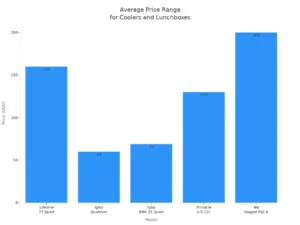
Tip: For durability, choose a sturdy, well-sealed container. For outdoor travel, a certified, UV-resistant cooler like the KUER hard-shell lunchbox offers the best protection.
Features and Organization: Coolers vs. Lunchboxes
Cooler Features
Modern insulated lunch boxes offer a variety of practical features. The KUER hard-shell lunch box is made using a rotational molding process, making it extremely sturdy and durable. It’s leak-proof, so you can safely carry beverages and soups. Stainless steel latches ensure a tight seal. Thick polyurethane foam keeps food and soups at a low temperature for extended periods. A special pressure relief valve inside makes it easy to open. This insulated box has individual compartments for storing food and drinks. Cleaning is also simple. Just empty the contents, rinse thoroughly, wash with soap, and let it air dry. When storing, leave the lid slightly ajar to maintain the freshness of the contents for future use.
Tip: Pick a cooler with leak-proof seals and strong locks to keep your food safe on trips.
Lunchbox Features
Lunch boxes are designed for convenient everyday meals. Many lunch boxes have special features to make packing your lunch easier. Some lunch boxes have multiple compartments for different foods. Others are insulated to keep food warm. Leak-proof lunch boxes prevent food from spilling, ensuring food safety. This is especially useful for soups and liquids. The table below lists some lunch box types and their features:
| Lunchbox Type | Features | Benefits |
|---|---|---|
| Glass Partition Box | Multiple compartments (2, 3, or 4) for different meals | Ideal for serving a variety of dishes |
| Insulated Lunch Box | Retains food temperature for several hours | Keeps food fresh and at the desired temperature |
| Leakproof Lunch Box | Airtight design prevents spills and contamination | Safe for storing liquids like soups |
Most lunchboxes are easy to clean. You can wipe them with a sponge and soap. For tough stains, use a toothbrush. Some lunchboxes can go in the washing machine, which makes cleaning even easier.
Compartments And Portability
Compartmental designs help keep food organized. You can separate snacks, main courses, and drinks to avoid mixing them. This is especially useful for those who don’t like food mixed together. Products like the KUER hard-shell lunchbox have many compartments for easy food organization. You can carry everything you need for a picnic or trip. Lunch boxes also feature compartmentalization to keep food neat. Both insulated boxes and lunchboxes are easy to carry and usually come with handles or shoulder straps. Their lightweight design makes them ideal for school, work, or outdoor activities.
Note: Always look at how many compartments there are and how you carry it before you buy. This helps you choose the best one for you.
Intended Uses of Coolers vs. Lunchboxes
Coolers For Outdoor And Extended Use
For extended outdoor activities, you need a reliable way to keep food and drinks chilled. Insulated lunchboxes are the perfect choice for camping, fishing, road trips, or family picnics. You can hold enough food and drinks for many people. Thick insulation keeps food chilled for days, even in hot weather. You won’t have to worry about food safety during long outdoor adventures. Many insulated lunchboxes, such as the KUER Hard-Shell Lunch Cooler, feature a robust shell and leak-proof seals. These features protect your food from impacts, sunlight, and even wildlife. You can use insulated lunchboxes for group activities, outdoor meals, or any occasion where food needs to be kept fresh for extended periods.
Lunchboxes For Daily Meals
You use a lunchbox every day, whether you’re going to work, school, or out and about. A lunchbox helps you pack your meals, snacks, and drinks into a small container. It allows you to organize your food, saving time on busy days. Many lunchboxes are insulated, keeping food cold or warm for several hours. You can easily put them in your backpack or refrigerator. Here are some common ways people use lunchboxes:
- Carrying meals, snacks, and beverages to school or work
- Organizing food for quick access during short breaks
- Keeping food fresh and safe for a busy schedule
Lunchboxes work best for single meals or snacks. You can rely on them for daily routines and short trips.
Choosing The Right Option
Before choosing between a lunchbox and an insulated box, you should first consider your needs. Think about how much food you want to carry, how long you need it to stay fresh, and where you will be using it. The table below compares key features:
| Feature | Lunch Box | Mini Cooler |
|---|---|---|
| Size | Compact (L 22cm x H 17.5cm x D 14.5cm) | Larger (L 23cm x W 23cm x H 24cm) |
| Capacity | Suitable for single meals | Accommodates multiple meals or snacks |
| Convenience | Fits easily into bags and fridges | Offers more space for extra items |
| Ideal Use Case | On-the-go lifestyles | Group meals or extra snacks |
| Freshness | Keeps meals fresh | Maintains coolness for longer periods |
Tip: If you need to prepare food for multiple people or keep food cold for an extended period, choose an insulated box. If you simply want to take your lunch to work or school, a lunchbox is the best option.
You can choose the right container based on your lifestyle. Outdoor adventures require a cooler. For everyday life, a lunchbox is sufficient.
You’ll need to choose the right lunchbox or insulated box based on the amount of food, the desired cooling time, and where you’ll be using it. Lunchboxes are suitable for single meals and short trips. Insulated boxes have a larger capacity and can keep food cold for several days. Insulation performance is crucial. Foam and glossy materials help keep food fresh. If you want a sturdy, durable insulated box that keeps food cold for longer, consider the KUER hard-shell lunchbox.
| Aspect | Expert Advice | What You Want |
|---|---|---|
| Durability | Pick strong materials | Long-lasting use |
| Usability | Easy to carry and clean | Simple and practical |
| Temperature Control | Good insulation | Food stays fresh |
| Style | Choose what fits your taste | Sleek or fun designs |
FAQ
What is the main difference between a cooler and a lunchbox?
Insulated boxes are used for long-term food refrigeration or storing large quantities of food. Lunch boxes are used for single meals or short trips.
Coolers offer stronger insulation and bigger capacity.
How long can a cooler keep food cold?
Most insulated boxes can keep food cold for several days. For example, the KUER hard-shell lunchbox can keep ice cold for 5-7 days.
Lunchboxes usually keep food cold for only a few hours.
Can you use a lunchbox for outdoor trips?
You can use your lunchbox for short trips or day trips.
- Lunchboxes work best for single meals.
- For camping or picnics, choose a cooler.
What materials make a cooler durable?
The insulated box is made of tough materials such as LLDPE and PU foam.
| Material | Benefit |
|---|---|
| LLDPE | Impact resistant |
| PU foam | Keeps cold in |
Are coolers easy to clean?
Most refrigerators can be cleaned quickly.

 Request a quote
