
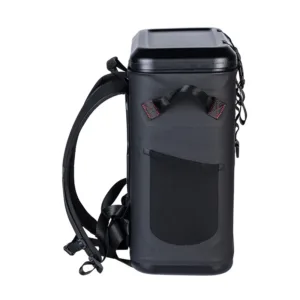
You might ask what HS code is used for your cooler box. The most used code for insulated containers is 4202.92.
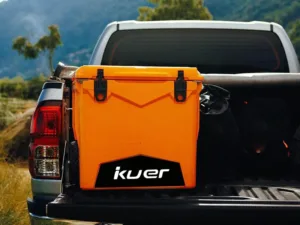
The KUER Cooler Box is made from rotomolded plastic. It is a good example of a strong insulated product. Picking the right HS code is important for many reasons:
- The right code changes tariff rates and follows rules.
- Using the wrong code can lead to extra costs and late shipping.
- You should check the code so you do not pay more tariffs.
Key Takeaways
- The most used HS code for insulated cooler boxes is 4202.92. You should always check the code before you ship. This helps you avoid paying extra money.
- HS codes help sort products for customs. They also affect taxes and shipping rules. Using the right code makes trading with other countries easier.
- Look at what your cooler box is made of and its features. This helps you pick the correct HS code. Coolers made from different things may need different codes.
- Use official tools like the HTSUS and Schedule B to check HS codes. These tools give you the newest information for picking the right code.
- Do not make mistakes like guessing codes or not updating them after changes. Checking your codes again can help you avoid expensive problems.
Key Facts About HS Codes for Cooler Boxes

Purpose in trade
When shipping refrigerated containers across borders, it is essential to use the correct HS Code. HS Codes assist customs officials in classifying your products. This system is designed to ensure compliance with international trade regulations and also serves to facilitate the calculation of duties and taxes. The HS Code communicates to customs officials the materials comprising the product as well as its intended use. This information is critical for determining the appropriate tariff rates and for meeting various shipping regulatory requirements.
Tip: Before shipping, be sure to carefully verify the HS Code for your refrigerated containers. Taking this step can save you valuable time and money.
Structure overview
HS codes describe products through a series of numbers, each of which provides further details about the specific item. The first two digits identify the primary product category; the next two digits refine this down to a specific subcategory; and the final two digits offer a more detailed description. For instance, the HS code for an insulated container made of plastic may differ from that of an insulated container made of metal.
Customs authorities typically employ the following methods to verify the accuracy of the HS codes you use:
- Request the HS code from your manufacturer, but be sure to verify it yourself.
- Consult your country’s customs tariff database or the World Customs Organization’s HS database.
- Review past customs rulings regarding similar products to obtain additional guidance.
By fully understanding how HS codes function, you can effectively avoid errors and ensure that your cargo shipping process runs more smoothly and efficiently.
HS codes for cooler box
Common codes for plastic coolers
When shipping insulated containers, you must determine the correct HS code. The specific code to be selected depends on the container’s material and intended use. For most plastic insulated containers, the primary HS code categories involved are as follows:
- 3924: This code covers household articles and kitchenware made of plastic. Many customs authorities apply this code to plastic insulated containers—particularly when such containers are intended for food storage or picnic use. For instance, KUER coolers, which are manufactured using the rotational molding process, are typically classified under this code category.
- 4202: This code applies to insulated containers, such as insulated bags and insulated boxes. If your insulated container features thermal insulation capabilities and is used for storing chilled food or beverages, this code may be applicable. Customs authorities may apply this code to both soft-sided and hard-sided insulated containers.
- 3923: This code covers plastic containers used for packaging or transporting goods. Some customs authorities apply this code to insulated containers, provided that such containers are primarily intended for transport purposes rather than for the direct storage of food.
- 9403: This code covers furniture and its parts. If your cooler features built-in components such as a seat or a tabletop, Customs may apply this code.
Note: Always check the product details before picking a code. The wrong code can cause delays or extra fees.
Variations by material or use
You must carefully examine the materials and functional characteristics of the cooler box to determine the correct HS Code. Customs authorities in different countries may classify the same product differently. For instance, a plastic cooler box featuring thick insulation might be classified under Chapter 4202 in one country, yet fall under Chapter 3924 in another.
If your cooler box is constructed from metal, customs authorities may apply a different code. Furthermore, if the product possesses additional features—such as wheels or built-in furniture components—you may need to utilize Code 9403. It is imperative to always base your determination on the product’s “primary use.” If its primary function is food storage, Codes 3924 or 4202 typically apply; however, if it is primarily intended for transport purposes, Code 3923 may be more appropriate.
Tip: Please consult the relevant guidelines issued by your local customs authorities. Should you have any doubts, you may also seek advice from a qualified professional. Taking this step will help you avoid errors, thereby ensuring a smoother shipping process.
How to Find the Right HS Code for Your Cooler Box
Check product features
First, you need to carefully examine the various characteristics of the cooler box. Please check its material, dimensions, and primary intended use. Is it made of plastic or metal? Does it feature thermal insulation capabilities designed to keep contents fresh and cool? If your cooler box is primarily intended for storing food or beverages, you may need to select a classification code such as 3924 or 4202. Conversely, if its primary purpose is the transport of goods, code 3923 may be more appropriate. Furthermore, pay attention to the presence of any additional features—such as wheels or built-in seats—as these specific details may influence the final HS code classification. Before proceeding to search for the specific code, it is advisable to compile a checklist detailing the key characteristics of the cooler box in question.
Use official resources
You should always utilize official resources to verify HS codes. Both customs authorities and trade websites provide up-to-date information. For instance, the U.S. *Harmonized Tariff Schedule* (HTSUS) and *Schedule B* are two reliable resources. By consulting these databases, you can obtain the latest codes and tariff rates. The table below lists several useful resources:
| Resource Type | Description | Link |
|---|---|---|
| HTSUS Codes | Used by U.S. Customs to determine tariff rates for imports. | HTSUS Database |
| Schedule B | Classifies physical goods for export, based on HS codes. | Schedule B Search |
You can also use online tools such as the GlobalPost HS Classification Tool. This tool helps you quickly find the correct HS code. Using the correct code is crucial, as it helps avoid delays and additional fees.
When to consult experts
At times, you may feel unsure about exactly which HS code to use. If your insulated container possesses unique characteristics, or if you are unable to find a definitive answer, it is advisable to seek assistance from an expert. Customs brokers and trade consultants can provide valuable support; they are well-versed in relevant regulations and can guide you through the entire process. Additionally, you may contact your local customs authorities to obtain advice. Expert assistance helps you avoid errors and ensures that your goods clear customs smoothly.
Tip: Accurate product classification helps ensure the smooth transit of your goods and prevents costly errors. Be sure to verify your HS code—preferably by cross-checking—through official channels or by consulting with an expert.
Tips and mistakes for cooler box HS codes
Documentation tips
Maintaining clean and accurate shipping documentation is crucial. First, please clearly list the key characteristics of your products. Specifically detail their materials, dimensions, and intended use. This assists customs officials in accurately identifying the items you are shipping. Be sure to enter the correct HS codes on both the invoice and the packing list. If you make any changes to the products or their characteristics, please update the relevant documentation immediately.
Tip: Always carefully review your documentation before each shipment. This helps you detect and correct errors early on.
Please retain your past shipping records in a secure manner; these records will prove helpful should Customs make any inquiries. If you have engaged a customs broker, be sure to provide them with detailed information regarding your products. Effective communication helps prevent confusion and delays.
Common errors to avoid
Many importers frequently make errors when selecting classification codes for their products. By drawing upon the experiences of others, you can effectively avoid these pitfalls. Last year, the number of enforcement actions triggered by coding errors surged by 40%. Some exporters, having failed to consult relevant regulations, inadvertently applied incorrect codes. Once a coding error occurs, it can trigger a host of thorny issues during an audit, potentially resulting in substantial financial losses for you.
Please be on guard against the following common errors:
- Speculating on codes without verification.
- Failing to update codes following product changes.
- Using generic codes—such as EAR99—without verifying the applicable rules.
- Failing to review codes annually.
If you use an incorrect classification code, you may face serious consequences:
- Customs authorities may impose fines and late fees.
- The shipment of your goods may be delayed as a result.
- You may incur additional storage and handling charges.
- You may face additional taxes, duties, and customs audits.
- Your supply chain could be disrupted, leading to customer dissatisfaction.
Please ensure that you verify your HS codes at all times—particularly following any changes to your products. Making this a regular practice will help your business avoid costly errors.
You are now familiar with the primary HS codes for cooler boxes: 3924, 4202, 3923, and 9403. Before selecting a code, be sure to verify the specific materials and characteristics of the cooler boxes you are using. If you have any doubts, it is recommended that you consult official resources or seek advice from a professional.
Furthermore, please ensure that you cross-check this information with your local customs authorities. Taking this step will help you avoid potential shipment delays and prevent the incurrence of additional costs.
FAQ
What is an HS code?
You can use HS codes to classify products intended for international trade. Customs officials utilize these codes to identify goods, determine tariffs, and verify compliance with relevant regulations. Each type of product corresponds to a unique code.
How do I know which HS code fits my cooler box?
Verify the material, primary use, and functional characteristics of the cooler box. Subsequently, cross-reference these details with official customs documentation or seek assistance from trade experts.
Can I use the same HS code for all cooler boxes?
No. You must assign the appropriate HS code based on the material and intended use of the cooler. For example, plastic picnic coolers typically use code 3924, while insulated containers might use code 4202.
What happens if I use the wrong HS code?
You may face delays, extra costs, or fines. Customs can hold your shipment or ask for more documents. Always double-check your code before shipping.
Where can I find official HS code information?
You can visit your country’s customs website or use the World Customs Organization’s HS database. These sources give you the latest codes and rules.

 Request a quote
