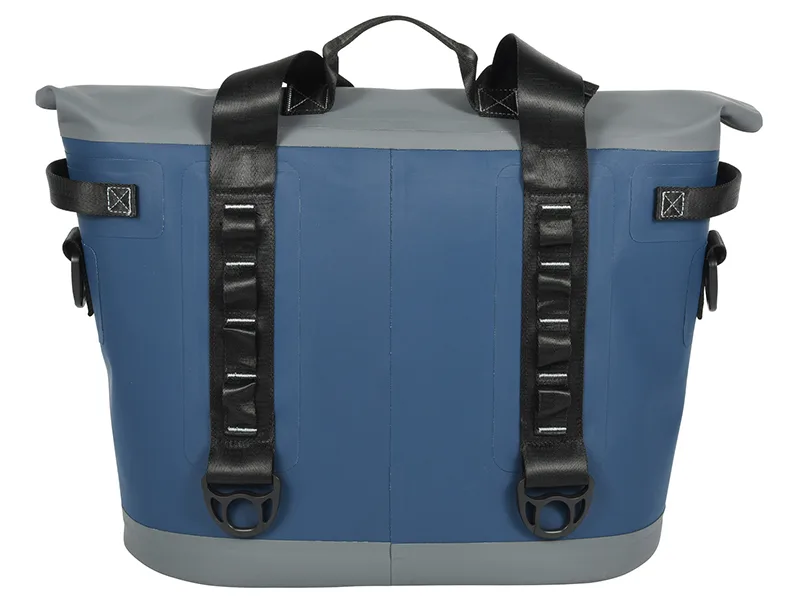

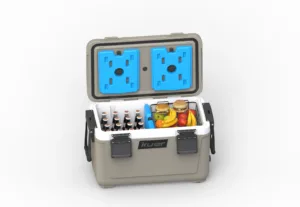
Yes, you may bring a cooler on board an aircraft. Specific regulations vary depending on the airline and the guidelines established by the U.S. Transportation Security Administration (TSA). You will need to carefully verify the cooler’s dimensions, materials, and packaging method. Some airlines have strict requirements regarding these matters, so it is highly recommended that you double-check the rules before your flight. If you are looking for a reliable cooler, a KUER cooler can help make your journey smoother and more convenient.
Tip: Please ensure that your cooler complies with all airline regulations and TSA standards to avoid any unexpected issues at the airport.
Key Takeaways
- Coolers are generally allowed on flights, but always check your airline’s rules on size and materials in advance
- Follow TSA liquid regulations: containers must be under 3.4 oz and fit within a single quart-sized clear bag
- Use frozen gel packs or dry ice for cooling; ensure gel packs are fully frozen when passing security
- Store food in sealed containers to prevent leaks and keep the cooler clean
- Confirm airline-specific policies before departure to avoid issues at the airport
Airline & TSA Cooler Box Rules
General Allowance & Restrictions
You might be wondering whether you can bring a cooler through airport security. The good news is that the Transportation Security Administration (TSA) treats insulated bags and coolers just like standard luggage. You have the option to carry them on board as carry-on luggage or check them as checked baggage. However, there are a few points you should keep in mind:
- The TSA does not impose specific mandatory regulations regarding the size or material of coolers. Your cooler simply needs to comply with the carry-on or checked baggage size restrictions set by the airline you are flying with.
- You must place your cooler into the X-ray scanner at the security checkpoint for inspection.
- If your cooler is empty, you typically won’t encounter any issues. However, if the cooler contains items, you must strictly adhere to the TSA’s regulations regarding the transport of liquids.
- Solid foods, snacks, and frozen items are generally permitted.
- Liquids, gels, and semi-solid items must be stored in containers with a capacity of no more than 3.4 ounces (approximately 100 ml), and all such containers must fit completely inside a single, clear, quart-sized resealable bag.
If you are looking for a travel-friendly cooler, KUER Coolers offers a variety of sizes designed to meet the baggage requirements of most airlines. Their robust, durable construction and leak-proof design make them a smart choice for air travel.
Tip: If you attempt to carry items that do not comply with TSA regulations, your food may be confiscated, and you could even face penalties. Therefore, be sure to carefully review the relevant regulations before packing your luggage.
Carry-On vs. Checked Cooler Box
You may choose to carry your cooler on board the aircraft as carry-on luggage or check it in as checked baggage. Here are the key points you need to know:
- Carry-on Luggage: Your cooler must be able to fit into the overhead bin or under the seat in front of you. Most airlines allow passengers to bring one carry-on bag and one personal item. If your cooler is small in size, you may carry it on board as your carry-on luggage.
- Checked Baggage: Larger coolers—such as the KUER 75QT model—are best suited for being checked in as baggage. If you are using dry ice inside the cooler, please ensure that the lid is securely fastened and that the cooler is properly labeled.
- Empty coolers typically pass through security screening without any issues. If you are carrying food or beverages inside the cooler, please be sure to comply with the “3-1-1” security rule regarding liquids.
- Solid foods and frozen items may be packed in either your carry-on luggage or your checked baggage.
We strongly recommend that you consult the official website of your specific airline to confirm their precise baggage regulations, as some airlines may impose additional restrictions regarding the size or weight of coolers.
Ice Packs & Cooling Methods
Keeping food at a low temperature is crucial, but you must employ the correct refrigeration methods. Here are some guidelines to ensure safe handling:
- Frozen gel packs are an excellent choice. The Transportation Security Administration (TSA) permits you to carry these gel packs, provided they remain completely frozen when passing through security checkpoints.
- If your ice packs show even the slightest signs of melting, they will be classified as liquids and must adhere to the “3-1-1” rule.
- You may also use frozen food items as a substitute for ice. These items serve a cooling function while also being permitted by the TSA for carry-on.
- Dry ice is another viable option. You are permitted to carry up to 5.5 pounds (approximately 2.5 kg) of dry ice inside a cooler. You must affix a label to your luggage clearly marked “Dry Ice”—along with the weight—and notify airline staff when checking in.
The KUER cooler delivers exceptional performance when paired with gel ice packs or dry ice. Its thick insulation layer and sealed gasket design work together to keep the contents inside at a low temperature for extended periods.
Tip: Please ensure that the ice packs you use are non-toxic and securely sealed. This not only safeguards food safety but also effectively prevents liquid leakage.
By following the advice above, you can travel with this cooler with complete peace of mind, allowing you to enjoy fresh, delicious snacks wherever your journey takes you.
Cooler Box Types Allowed
Size & Material Limits
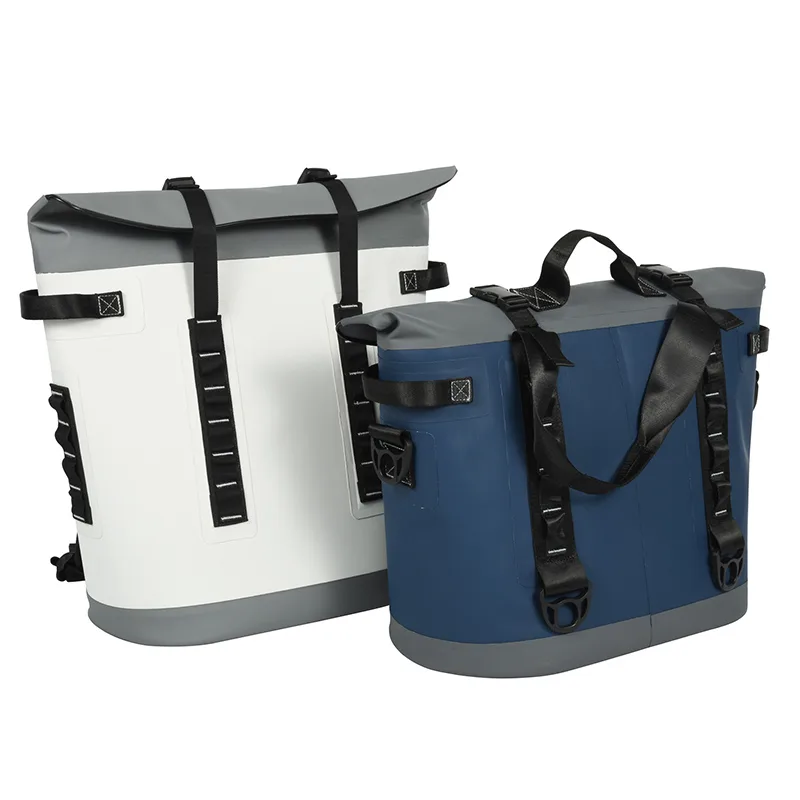
When selecting a cooler for air travel, you have a variety of options. Most airlines permit the transport of hard-sided, soft-sided, and rotomolded coolers. You simply need to ensure that the dimensions of your chosen cooler comply with the airline’s specific regulations for carry-on or checked baggage. Soft-sided coolers are lightweight and portable, and can typically be stowed under the seat. Conversely, hard-sided or rotomolded coolers—such as those offered by KUER—are ideal for use as checked baggage due to their rugged durability and superior ice retention capabilities.
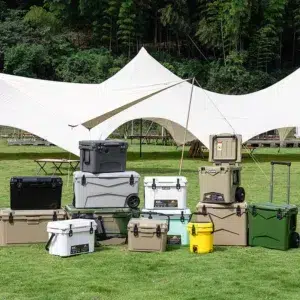
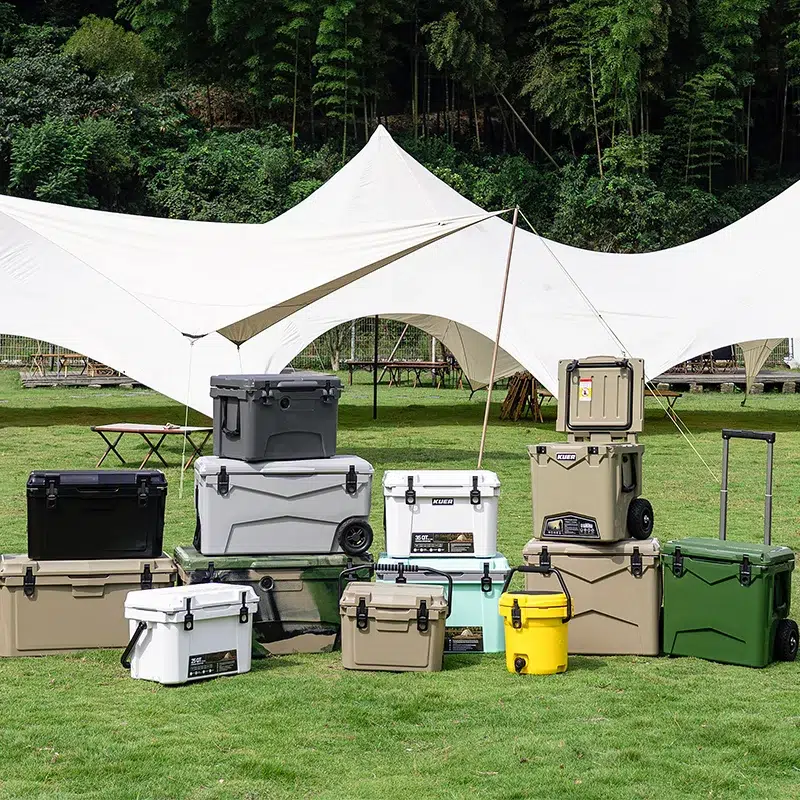
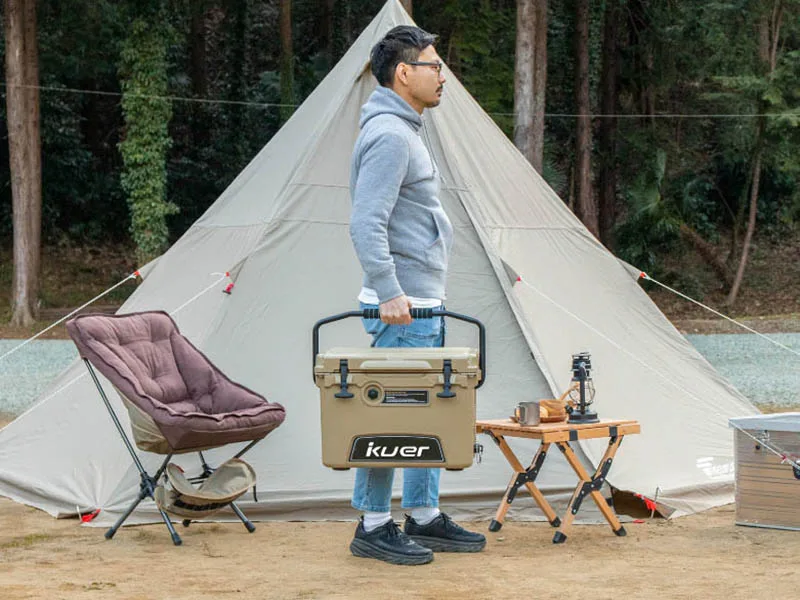
KUER coolers are available in a wide range of sizes, ranging from 20QT to 75QT. You can select the model that best suits your travel needs. Thanks to their sturdy handles and lightweight design, they are easy to carry—even within an airport.
Prohibited Items
You need to know which items can be placed in a cooler and which cannot. Some items are not permitted—particularly liquids and ice packs. The table below will help you remember:
| Item | Prohibited | Exceptions |
|---|---|---|
| Liquids over 100ml | Yes | Baby food, medicine, breast milk (declare) |
| Partially melted ice packs | Yes | Must meet 3-1-1 liquids requirements |
| Frozen Liquid Items | Yes | Must be frozen solid at screening |
Note: Please ensure that the ice packs remain completely frozen at all times before passing through security. Once melted, you may be required to discard them.
Airline Variations
Every airline has its own unique regulations. Some airlines permit only soft-sided coolers as carry-on luggage, while others allow you to check larger, hard-sided coolers. Therefore, it is essential to consult the official website of your specific airline before packing your bags. Furthermore, some airlines may impose additional, specific requirements regarding the materials or dimensions of the cooler. The KUER cooler series offers a wide range of options, allowing you to select the size and style that best suits your travel needs.
By following the advice outlined above, you can travel with your cooler with ease, ensuring that your snacks remain fresh and safe throughout your journey.
Packing & Travel Tips For Cooler Boxes

Packing Steps
Traveling by air with a cooler requires a little advance planning, but the process itself is actually quite simple. First, be sure to pre-chill your food and beverages before packing them. Place gel packs or standard ice packs in the freezer until they are completely frozen solid. When you are ready to depart, pack the cooler at the very last moment—just before heading to the airport. Start by lining the bottom of the cooler with a layer of frozen ice packs; then, add your food and drinks, and finally, place another layer of ice packs on top. If you are transporting raw meat or seafood, ensure it is securely sealed and placed at the very bottom of the cooler. Use towels or soft items to fill any empty spaces inside the cooler; this serves the dual purpose of preventing items from shifting during transit while also effectively insulating against warm outside air. During your journey, try to avoid exposing the cooler to direct sunlight.
Tip: Before packing, be sure to consult the specific regulations of the airline you are flying with. Some airlines may have special requirements regarding the transport of coolers and ice packs.
Preventing Leaks
No one wants to end up with a messy suitcase. By simply sealing all food items in airtight containers or resealable bags, you can effectively prevent liquid leaks. The KUER cooler serves as an invaluable aid in this regard; its integrated sealing gasket creates an airtight barrier that completely eliminates any risk of leakage. Furthermore, the thick PU foam insulation layer not only keeps the contents chilled for days on end but also effectively prevents condensation buildup. This ensures that your food remains dry and your suitcase stays clean at all times.
If you use dry ice, please place it at the bottom of the insulated container and ensure that the container remains ventilated for safety.
Security Screening Tips
Upon reaching the airport security checkpoint, you will need to place your cooler through the X-ray scanner. It is imperative to ensure that your ice packs are completely frozen solid; if they show even the slightest sign of melting, security personnel may confiscate them. If you are traveling with dry ice, you must inform the TSA officers and clearly label the cooler with the weight of the dry ice. When packing your cooler, ensure that it is easy to open, allowing security personnel to easily access and inspect the contents if necessary. Using a product like a KUER cooler—which features an easy-access lid and internal dividers—can make this security screening process much smoother and more efficient. Throughout this entire process, remember to remain calm and patiently answer any questions the security personnel may ask.
Tip: Meticulous packing, combined with a solid understanding of relevant security regulations, will help you breeze through security with ease and ensure that your food remains safe and secure throughout your journey.
When traveling with a cooler, please be sure to keep the following key rules in mind:
- If you pack ice packs or gel packs inside the cooler, be prepared for additional security screening.
- When bringing gel packs through security, they must be completely frozen. Once a gel pack has melted, it becomes subject to the “3-1-1” rule for liquids.
Before your flight, be sure to check the specific policies of your airline as well as the relevant regulations set by the U.S. Transportation Security Administration (TSA). KUER coolers stand out thanks to their rugged, durable construction, food-grade safe materials, and exceptional, long-lasting cold retention capabilities. With proper packing and advance planning, you can enjoy fresh, delicious food throughout your journey.
FAQ
Can I bring a cooler box as my carry-on item?
Yes, you may bring one. Your cooler must be able to fit in the overhead compartment or under the seat in front of you. Please check the size restrictions of your airline prior to your trip. The small-sized KUER cooler is ideal for this purpose.
Do I need to empty my cooler box before airport security?
If you are carrying only solid food, you do not need to empty it. Liquids and gels must comply with the “3-1-1” rule. Frozen gel packs must be in a completely frozen, solid state at the security checkpoint.
What is the best way to keep food cold in my cooler box on a plane?
Note: Please use frozen gel packs or dry ice. At security checkpoints, please ensure that the gel packs are completely frozen. Dry ice must be labeled, and its weight must not exceed 5.5 pounds.
Are there any foods I cannot pack in my cooler box?
With the exception of baby food, breast milk, or medications, you may not carry liquids exceeding 3.4 ounces. At security checkpoints, please be sure to proactively declare such items. Solid foods and frozen items are generally permitted.
Does the KUER Cooler Box work for air travel?
Absolutely! The KUER cooler features exceptional insulation and a secure gasket design, and its portable size ensures that your food remains cool and safe throughout your flight.
 Request a quote
