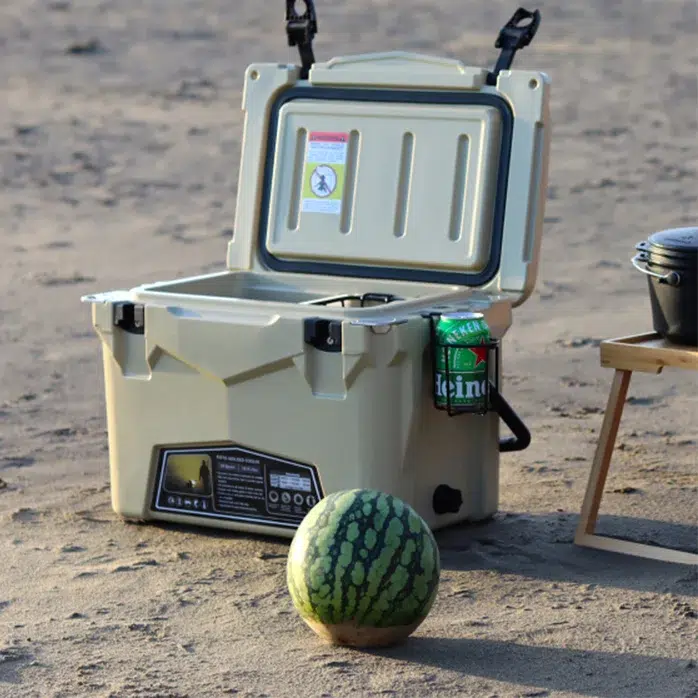

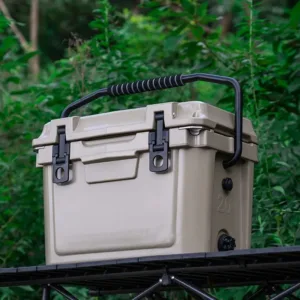
Yes, you should regularly drain melted ice water from your cooler box in most cases. Draining meltwater extends ice life, prevents mold and musty odors, and protects the cooler’s interior from long-term moisture damage — though there are a few specific exceptions where leaving water in place makes sense.
Key Takeaways
- Drain meltwater regularly to slow ice melt and keep contents colder longer.
- Always empty standing water before adding fresh ice to avoid wasting cooling power from new supplies.
- Clean the interior with mild soap and water after every trip, then air dry completely.
- Store your cooler with the lid slightly ajar to prevent trapped moisture and musty odors.
- Avoid abrasive scrubbers and harsh chemicals that can scratch and damage the interior surface.
Why Draining Water Helps Ice Last Longer
The case for drainage comes down to basic temperature science. Solid ice stays at or below freezing (32°F / 0°C). Once it melts, the resulting water sits above freezing temperature.
This layer of water transfers heat much faster than the cold air inside the cooler — effectively wrapping the remaining ice in a “warm blanket” that speeds up melting. Removing it lets the remaining frozen contents hold their low temperature longer.
For food safety, the USDA recommends storing all perishables in watertight sealed containers. This prevents packages from sitting in pooled meltwater, which can cause uneven chilling, packaging leaks, and cross-contamination between items.
When It’s OK to Leave Water in the Cooler
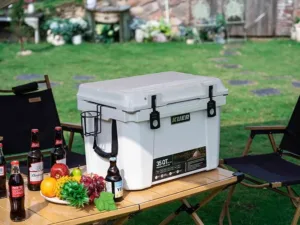
Draining is not a hard rule for every situation. There are a few scenarios where leaving meltwater in place makes sense:
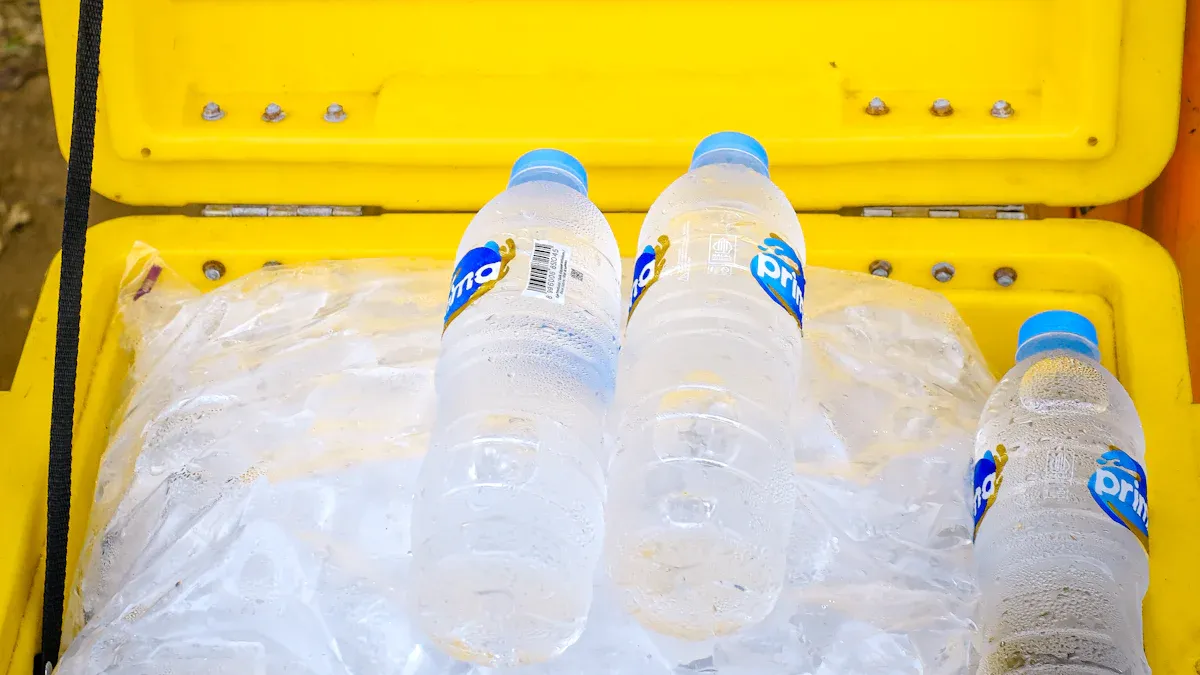
- Short trips with sealed drinks: Canned or bottled beverages stay safely sealed, and cold water surrounding them helps maintain consistent temperature.
- When you need the water: If you plan to use meltwater for washing, cooking, or cleaning on a trip, you can leave it in place for convenience.
- Until you refill with fresh ice: Cold water acts as a temporary thermal buffer. It is still best to drain fully right before adding new ice, so fresh ice doesn’t waste its cooling power warming up old meltwater.
For most multi-day trips with food and unsealed items, daily drainage is still the recommended best practice.
Why Regular Draining Prevents Mold & Interior Damage
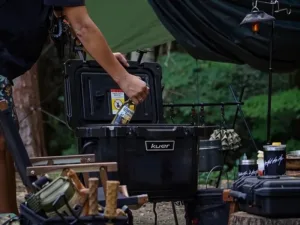
Standing moisture is the biggest cause of musty odors, mold, and interior degradation in coolers. The EPA confirms that standing water and wet surfaces are a breeding ground for bacteria, viruses, and mold, and that wet surfaces need to dry within 24–48 hours to prevent growth.
A closed cooler with trapped water cannot meet that drying window. Over time, repeated damp storage leads to persistent odors, stained interior surfaces, and degraded gaskets. These issues are hard to reverse once they set in, so regular drainage and drying are critical for long cooler life.
How to Drain, Clean & Store Your Cooler Correctly
How Often Should You Drain?
For best ice retention during active use, drain meltwater once per day. A cooler manufacturer can provide product-specific guidance on drainage and ice management. Always drain fully before adding fresh ice—new ice dropped into warm meltwater will waste much of its cooling power chilling the old water instead of your food and drinks.
Step-by-Step Drain & Clean Routine
- Remove all contents and set them aside in a shaded spot.
- Move the cooler to a drain, gutter, or outdoor ground level.
- Open the drain plug at the base and tilt the cooler slightly to let all water flow out completely.
- Wipe down the interior, lid, and gasket with a soft cloth and mild soap mixed with warm water.
- Rinse all surfaces thoroughly to remove all soap residue (which can leave a film and off-taste for future use).
- Scrub the drain plug channel to remove trapped food debris and buildup.
Storage Best Practices
- Leave the lid fully open until the entire interior is completely air dry.
- Wipe the gasket and drain plug dry by hand before putting the cooler away.
- Store long-term with the lid slightly ajar to let air circulate and prevent trapped moisture.
- Double-check that the drain plug is fully closed before storage to avoid leaks later.
Common Mistakes to Avoid
- Storing a damp cooler closed: This is the #1 cause of musty moldy odors. Even a thin film of leftover water is enough for mold to grow in the dark, warm enclosed space.
- Using harsh cleaners or abrasive pads: Scouring chemicals and rough scrubbers scratch the interior plastic, creating tiny grooves that trap residue and make future cleaning harder.
- Ignoring the drain plug: Debris buildup in the plug can cause clogs and stale odors. Always check and clean the plug as part of your routine.
FAQ
Does draining water make remaining ice melt faster?
No. Meltwater sits above freezing and transfers heat to ice much faster than cold air. Removing standing water slows ice melt and improves overall ice retention.
Is it ever fine to leave water in a cooler?
Yes, for short trips with only sealed drinks, or if you need the water for washing or cooking. For multi-day trips with food, regular draining is still the safer, higher-performance choice.
How often should I drain my cooler?
Drain once per day during active use. Always drain completely right before adding fresh ice, so new ice doesn’t waste its cooling power warming up old meltwater.
What causes a musty smell in a stored cooler?
Trapped moisture from putting the lid on while the interior is still damp. Mold grows in the dark, warm, wet environment. Fix it by washing the interior, drying fully, and storing with the lid slightly open.
Can harsh cleaners damage a cooler interior?
Yes. Abrasive pads and strong chemicals scratch the plastic surface, creating grooves that trap residue and make cleaning harder over time. Mild soap, warm water, and a soft cloth are all you need for regular cleaning.


 Request a quote
