

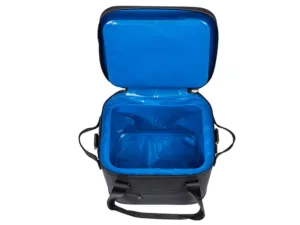
When you need to keep your food safe and fresh, choosing the right container matters. For most people, an insulated lunch box works well for daily meals at work or school. You get enough temperature control for a few hours. If you want long-lasting cold and extra durability, a hard cooler like the KUER Hard Lunch Cooler stands out. Matching your choice to your needs keeps your food safe and your day stress-free.
Key Takeaways
- Insulated lunch boxes are great for daily use. They keep food fresh for 2 to 4 hours. They are light and simple to carry.
- Hard coolers, like the KUER Hard Lunch Cooler, have better insulation. They keep food cold for 12 hours or more. This makes them good for outdoor trips.
- Think about what you need. Pick a lunch box for short trips. Choose a hard cooler for long trips or group meals.
- Both choices can be used again. This helps cut down on waste and saves money over time. Try to pick eco-friendly materials if you can.
- Clean lunch boxes and coolers often. This stops bacteria and keeps your food safe.
Lunch Box vs. Cooler Comparison
Main Differences
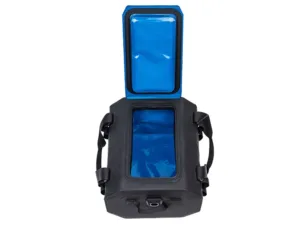
Comparing insulated lunch boxes and hard-shell insulated boxes, you’ll find some obvious differences. If you want an insulated lunch box that offers excellent temperature control and durability, the KUER hard-shell insulated box is a good choice. Here’s a simple comparison of the two:
| Material Type | Lunch Boxes (Typical) | Hard Coolers (e.g., KUER Hard Lunch Cooler) |
|---|---|---|
| Outer Shell | Polyester, nylon, or fabric | Rotomolded plastic, food-grade plastics |
| Insulation | Thin foam or padded lining | Thick polyurethane foam |
| Seals and Closures | Zippers, Velcro | Secure latches, airtight seals |
| Durability | Light, flexible | Tough, impact-resistant, reinforced hinges |
| Cleaning | Wipe-clean, sometimes washable | Leak-proof interiors, easy-drain features |
Most people use lunchboxes for work or school. Lunchboxes are lightweight and portable. Insulated lunchboxes, like the KUER hard-shell lunchbox, have thicker insulation and are made of more durable materials. They can keep food cold for longer periods and withstand outdoor travel.
Here are two common users of insulated lunchboxes:
| Product Type | User Demographics |
|---|---|
| Insulated Lunch Boxes | Busy professionals, students, families with children |
| Hard Coolers | Outdoor enthusiasts, individuals enjoying leisure activities |
Tip: If you only need your food cold for a few hours, a lunch box is perfect. If you will be outside all day or need to keep food for a group, a hard cooler is better.
Pros and Cons
Choosing between a lunchbox and a hard-shell insulated box depends on your needs. The following table can help you make a choice:
| Feature | Insulated Lunch Boxes | Hard Coolers (e.g., KUER Hard Lunch Cooler) |
|---|---|---|
| Durability | Lighter, easy to carry | Built for long-lasting use, very sturdy |
| Insulation | Good for short trips or daily use | Excellent for keeping things cold for days |
| Weight | Very light, super portable | Heavier, but protects your food better |
| Storage | Holds a meal or two, limited compartments | More space, extra compartments for drinks and snacks |
| Cleaning | Usually easy to wipe out | Leak-proof and easy to drain and clean |
| Price | Usually more affordable | Higher price, but offers top performance |
Many people use both lunchboxes and hard-shell insulated boxes depending on their plans. If you only need your lunch to stay fresh until noon, a lunchbox is convenient and quick. If you’re going camping or to the beach, you’ll need a hard-shell insulated box, which has a larger capacity and keeps food cold for longer.
Soft-sided insulated bags and lunchboxes are easy to fold and carry, making them ideal for everyday lunches, short picnics, or when you need to travel light. Hard-shell insulated boxes, like the KUER hard-shell lunchbox, are better suited for situations where you need to keep food and drinks cold for longer periods, or when you need to carry a large amount of food.
Temperature Retention: Insulated Lunch Boxes vs. Coolers
How Long Food Stays Cold or Hot
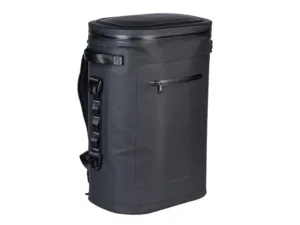
You might wonder how long food stays warm or cold in different containers. If you’re using a lunchbox, food can stay fresh for a few hours. Most small lunch bags keep food warm or cold for 2 to 4 hours. Medium-sized insulated bags can extend that to 4 to 6 hours. Large insulated boxes, especially hard-shell insulated boxes like the KUER hard-shell lunchbox, can keep food cold for up to 12 hours or more. Some hard-shell insulated boxes can even keep food cold for several days, making them ideal for camping or long trips.
If you’re planning a day outdoors or need to properly store food for a group of people, a hard-shell insulated lunchbox will give you peace of mind. For school or work, a lunchbox is sufficient for a short period of time.
Safety for Daily Use and Trips
Maintaining food safety is crucial. You need to prevent bacterial growth and food spoilage. Here are some tips to help you ensure food safety:
- The safe temperature range for perishable food is between 41 to 135 degrees Fahrenheit.
- Perishable food should not stay in this danger zone for more than 2 hours.
- Foods in a cooler should be kept at 40 degrees Fahrenheit or colder.
- Pack cold food, use ice packs, and try not to open your cooler too often.
If you bring your lunch to school or work, a lunchbox can keep it fresh for a few hours. But for camping or family trips, an insulated box like the KUER hard-shell lunchbox can keep food cold and safe for longer. This ensures both health and peace of mind when enjoying your meal.
Portability and Convenience: Lunch Boxes vs. Coolers
Carrying to Work or School
When preparing lunch for work or school, you need a portable container. An insulated lunchbox can make your life easier. It’s lightweight and portable, fitting easily into a backpack or locker, and comes in a variety of fun designs. You can simply grab the handle and go. Kids love them because they’re both lightweight and stylish.
Hard-shell insulated lunchboxes, like the KUER hard-shell lunchbox, offer better insulation, keeping food cold for longer. They come with sturdy handles and secure locks. However, they are heavier and bulkier. Carrying a hard-shell insulated lunchbox to work or school every day is practically a workout. Most people only use hard-shell insulated lunchboxes on special occasions.
You might also face some challenges with both options:
- Food stains, especially from sauces, can happen.
- You need to clean your container every day.
- Spills can make a mess, so a leakproof design helps a lot.
Outdoor and Family Use
When planning a picnic, camping trip, or family outing, you need to consider how much food to bring and how long it needs to stay fresh.
Lunchboxes are perfect for short hikes or day trips to the park. They keep food cold for hours and are easy to carry. For longer outdoor activities, hard-shell insulated boxes are superior. Made with thick foam and a sealed design, they effectively lock in cold temperatures. You can pack enough food for the whole family without worrying about spoilage.
If you want a quick and easy lunch, bring your lunchbox. But for long outdoor activities, the KUER hard-shell lunch cooler is your best choice.
Capacity and Size: Lunch Box vs. Cooler
For One Person
When preparing your own lunch, you’ll definitely want it to be the right size. Most insulated lunchboxes have a capacity between 500 ml and 750 ml, enough to hold a sandwich, a snack, and a drink. You can easily slip it into your bag and head out the door. If you need more space, some lunchboxes can hold up to 1.2 liters. This size is perfect if you like to bring extra fruit or snacks.
Here’s a quick look at how much you can fit:
| Capacity (Liters/ml) | Number of People | What it Holds |
|---|---|---|
| 500 ml – 750 ml | Individual | A complete meal for one person. |
| 1 L – 1.2 L | Two people | Two complete portions. |
Single-person hard-sided insulated boxes, such as compact ones, offer more capacity than lunchboxes. You can pack a meal, several drinks, and even keep food chilled for longer. If you plan to be outdoors all day, a small hard-sided insulated box is a wise choice.
Tip: If you only need to keep your lunch fresh for a few hours, a lunchbox is the most convenient option.
For Groups
Planning a picnic or family trip? You’ll need more space. Hard-sided insulated coolers come in various sizes, so you can choose one that suits your group.
If you plan to pack enough food for five or more people, choose an insulated box with a capacity of 2.5 liters or more. This will give you ample space for main courses, side dishes, and various drinks. Whether you’re traveling alone or with a group of friends, the KUER hard-sided lunchbox allows for flexible packing and makes all kinds of adventures easy.
Cost vs. Value: Lunch Boxes vs. Coolers
Price Comparison
You might be wondering which is more cost-effective: an insulated lunchbox or a hard-shell insulated box. Price is important, especially if you use a lunchbox daily. Let’s look at some popular models and compare their performance:
| Model | Price Range | Insulation Performance |
|---|---|---|
| KUER Hard Shell Lunch Box | $60-$120 | Keeps ice for over 8 hours in 84°F heat |
| Coleman 9 Can Cooler | $18.14 | Maintains below 40°F for ~6.5 hours w/ ice packs |
| Yeti Hopper Flip 8 | $200 | Keeps contents below 40°F for ~6.5 hours |
You’ll find that lunchboxes and soft-sided coolers are cheaper than hard-sided coolers. KUER hard-sided lunchboxes fall somewhere in between, offering excellent insulation and durability at a significantly lower price than high-end brands. If you only need to keep your lunch cold for a few hours, a regular lunchbox will suffice. But if you want your food to stay cold all day or even days, then investing in a hard-sided cooler makes sense.
Tip: Consider how often you’ll use your lunchbox or cooler. If you need a reliable product, spending a little more upfront will ultimately save you money in the long run.
Long-Term Investment
When considering cost-effectiveness, you’ll certainly want a product that is durable and ensures food safety. Here are some factors you should consider:
- Insulated lunch boxes rarely leak, so you waste less food and spend less on replacements.
- High-quality lunch bags keep their shape and work well for years.
- Hard coolers can crack or develop holes if you use them often, which means you might need to replace them sooner.
- Lunch boxes give you steady performance, even with daily use.
Insulated lunch boxes are made with sturdy stitching and durable materials, maintaining their condition even after multiple trips to school or work. Hard-shell insulated boxes, such as the KUER Hard-shell Lunch Cooler, are designed for outdoor adventures and rough use. They are very durable, but should still be checked for damage after each use. If you want a long-lasting container, choose a product that suits your lifestyle and frequency of use. Investing in quality products is worthwhile, allowing you to enjoy fresh food every day.
Durability and Cleaning: Lunch Boxes vs. Coolers
Longevity
When choosing a lunchbox or insulated lunchbox, everyone wants it to be durable. The choice of material is crucial. Most insulated lunchboxes are made of polyester, nylon, or soft fabrics. These materials are lightweight and flexible, suitable for everyday use, but they are prone to wear and tear if used frequently or filled with heavy items. Zippers and stitching may also break down after a period of use.
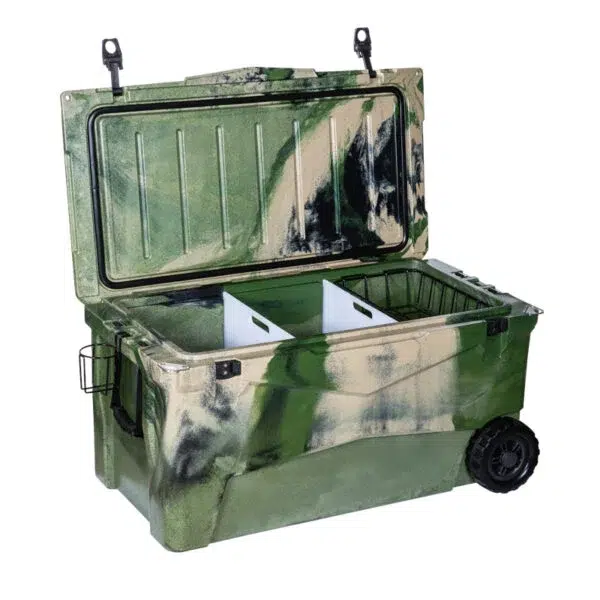
Hard-shell insulated lunchboxes like the KUER are made from rotomolded LLDPE and other tough plastics, along with thick polyurethane foam. These materials are resistant to cracking and denting, and can withstand rough handling. Even if dropped or exposed to direct sunlight, a hard-shell insulated lunchbox will still function normally. If you love outdoor adventures or need an insulated lunchbox suitable for family travel, a hard-shell insulated lunchbox is an ideal choice that can last for years.
Tip: If you want a durable insulated box, choose a hard-shell insulated box. For lightweight daily use, an insulated lunch box is sufficient.
Maintenance
Keeping your lunchbox or insulated container clean is crucial to your health. Food scraps and spilled liquids can easily breed mold and bacteria. Regular cleaning ensures food safety and keeps the container smelling fresh.
Both types of materials can be cleaned with simple tools:
- Mild dish soap diluted with water can remove most stains.
- A soft cloth or microfiber towel helps to wipe and dry without leaving lint.
- Diluted white vinegar can kill bacteria and deodorize.
If you encounter stubborn stains, try this method:
- Mix three tablespoons of baking soda with one tablespoon of warm water.
- Spread the paste on the stain.
- Let it sit for 15–20 minutes.
- Scrub gently with a soft brush.
- Wipe clean and let it air dry.
Damp environments and food residue can easily breed mold, which is harmful to health. Regularly washing lunch boxes or insulated containers can prevent bacterial growth and ensure food safety.
Eco-Friendliness: Insulated Lunch Boxes vs. Coolers
Reusability
You might want a reusable lunchbox. Reusable products can save you money and protect the planet. Insulated lunchboxes and hard-shell coolers are both highly reusable, but they achieve this in different ways.
- Many eco-friendly insulated bags use materials that you can recycle at the curb. This makes them a smart choice if you care about the environment.
- Insulated bags often skip the use of EPS foam, which is not recyclable or biodegradable. You avoid adding more waste to landfills.
- These bags keep your food at the right temperature and help you live a greener life.
Hard-shell insulated lunchboxes like the KUER are durable and long-lasting. You can take it on numerous trips without worrying about it getting damaged. Its robust construction means you won’t need to buy new insulated boxes frequently. This saves resources and reduces waste.
Tip: Choose reusable lunch boxes or insulated containers to protect the planet and save money.
Reducing Waste
Switching from single-use plastics to reusable containers can make a huge difference. Wool or cotton insulated lunchboxes are a sustainable option. You won’t need to use plastic bags every day. This simple change can reduce a significant amount of plastic waste.
Using rigid insulated boxes or reusable lunchboxes helps reduce plastic pollution. You also set a good example for your family and friends. Every time you pack your food in a reusable container, you’re demonstrating that small choices can have a huge impact.
If you want to be environmentally conscious, start with your lunch. Choose durable products made from natural materials and avoid single-use plastics. Your choices help protect the planet and benefit everyone.
Choosing the Right Lunch Box or Cooler
Best for Daily Lunches
You certainly want your lunch to stay fresh and safe before you eat it. Choosing the right container is crucial. The table below can help you understand which factors are most important when choosing a lunchbox or insulated box for everyday use:
| Key Factors | Description |
|---|---|
| Insulation Efficiency | Keeps food at safe temperatures for longer periods. |
| Portability | Lightweight designs make carrying easier for busy days. |
| Capacity | Choose a size that fits your meal needs. |
| Durability | Puncture-resistant materials handle daily wear and tear. |
| Ease of Cleaning | Smooth interiors or liners make cleaning simple. |
| Additional Features | Leak-proof designs and compartments add convenience. |
If you’re walking or taking public transport, you’ll likely need a lightweight, portable lunchbox. For most people, a lunchbox with a leak-proof liner and several compartments is perfectly adequate. You can confidently pack sandwiches, fruit, and drinks in it.
Best for Outdoor Adventures
Planning a day camping or beach vacation? You’ll need a durable container that can keep things cold for a long time. Some insulated boxes and lunch packs are perfect for outdoor activities.
When choosing an insulated box, you may also see brands like Yeti, RTIC, and Goat. These brands are highly regarded for their excellent cooling performance and long-lasting insulation.
Tip: For long trips or group travel, hard-shell insulated boxes like the KUER hard-shell lunchbox offer optimal temperature control and durability.
Special Considerations
Think about your daily routine and where you eat. Do you need a food container that fits in your backpack? Are you bringing food for one person or for multiple people? If you want easy cleaning, choose a food container with a smooth lining or a removable tray. If you care about the environment, reusable food containers help reduce waste.
- Choose a lunch box for school or work if you want something light and simple.
- Pick a hard cooler for camping, fishing, or family picnics.
- Look for extra features like leak-proof seals or extra pockets if you want more convenience.
You can find the most suitable option based on your own needs and plans for how to use the container.
You need a suitable lunchbox to pack your day’s food. Families prefer large-capacity insulated boxes because they can hold more food and keep it warm for longer. Frequent travelers prefer lightweight, portable lunchboxes. Outdoor enthusiasts need sturdy, durable insulated boxes to carry their travel rations.
Choose products that best suit your lifestyle. The KUER hard-shell lunchbox is excellent because it’s sturdy, durable, and keeps food cold for extended periods.
FAQ
How long does the KUER Hard Lunch Cooler keep food cold?
The KUER hard-shell lunchbox features thick insulation and a sealed design, keeping food cold for up to 5-7 days. This cooler is ideal for camping, road trips, or extended outdoor activities.
Can I use an insulated lunch box for hot foods?
Yes, you can use an insulated lunchbox to pack hot food. It can keep food warm for about 2-4 hours. You should pack it while it’s still hot and tighten the lid.
What is the best way to clean a lunch box or cooler?
Use mild soap and warm water.
Wipe inside and out with a soft cloth.
Let it air dry before packing for the next meal.
Which option is better for family outings?
| Option | Best Use |
|---|---|
| Insulated Lunch Box | Short trips |
| Hard Cooler | Group picnics |
When traveling with family, you should choose a hard-shell insulated box. It can hold more food and keeps it warm for longer.
Are lunch boxes and coolers eco-friendly?
Using reusable lunchboxes and insulated containers is a way of contributing to protecting our planet. They reduce the use of single-use plastics. Many brands use recyclable materials. You’re making a smart choice for the environment.

 Request a quote
