
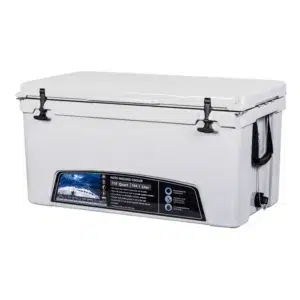
You can bring a hard cooler box on a plane, but you need to follow TSA and airline rules. Cooler size makes a big difference. People use coolers for lots of reasons, like carrying baby bottles, packing special diet foods, keeping medicine cold, or just wanting fresh snacks. The KUER Cooler Box works well for travel because it’s tough and keeps things cold. Whether you fly with food, fish, or medicine, choosing the right cooler helps your trip go smoothly.
Key Takeaways
- Hard coolers are allowed on planes if they meet TSA regulations and your airline’s size requirements.
- If using dry ice, clearly label the cooler and ensure proper ventilation to meet airline safety rules.
- Frozen gel packs or ice packs must be completely solid when passing through airport security checkpoints.
- Check your airline’s cooler and dry ice policies before departure to avoid unexpected issues at the airport.
- Organize items neatly inside the cooler so TSA inspections can be completed more efficiently and smoothly.
Hard cooler box TSA and airline rules
TSA guidelines for hard cooler boxes
If you wish to bring a hard-shell cooler on board, you must comply with the regulations of the U.S. Transportation Security Administration (TSA). The TSA allows you to bring a cooler as carry-on or checked baggage. If you are bringing dry ice, special regulations apply. Your cooler must have a vent to allow gas to escape. You also need to label the cooler “dry ice” or “solid carbon dioxide.” The label must indicate the net weight. Airlines expect you to inform them before bringing dry ice.
Note: If you are using ice packs or ice bags instead of dry ice, please ensure they are completely frozen before security screening. If they melt, the Transportation Security Administration (TSA) will treat them as liquid.
Airline policies and restrictions
Airlines have their own regulations regarding cooler cases. Most major airlines follow the regulations of the Federal Aviation Administration (FAA) and the Transportation Security Administration (TSA). You should check with your airline before your flight. Some airlines consider your hard-shell cooler as carry-on baggage. If the cooler can be placed under your seat, some airlines will consider it personal belongings. If you use dry ice, the airline may limit the number you can bring. They also require the use of ventilated containers with clear labeling.
Note: Always check your airline’s website or call customer service before your trip. Rules can change, so you don’t want surprises at the airport.
Size and weight limits
Please be aware of the size and weight restrictions for hard-sided insulated luggage. Airlines have their own regulations for carry-on and checked baggage. If your insulated luggage meets the size requirements for carry-on baggage, you can bring it on board. If it is too large, it must be checked. Most airlines limit carry-on baggage size to approximately 22 x 14 x 9 inches (56 x 35 x 23 cm). Checked baggage is usually limited to 50 pounds (23 kg). If your insulated luggage is too heavy or too large, you may be charged extra.
Airlines also have regulations regarding lost or damaged insulated luggage. For lost, damaged, or delayed baggage, airlines offer a maximum compensation of $4,700. If you declare valuable items, the compensation can reach up to $5,000. You must report lost or delayed baggage within 4-12 hours. Damaged baggage must be reported within 24 hours. Airlines do not compensate for fragile items, electronic products, or items not properly packed in hard-sided luggage. They also do not compensate for special losses such as inconvenience or additional expenses.
Friendly reminder: If you are using a KUER cooler, its robust and durable design will effectively protect your belongings. Please make sure all items are properly packed, and if you are carrying perishable foods or dry ice, please label the cooler.
Hard cooler box as carry-on or checked bag
Carry-on requirements
You want to keep snacks within easy reach and drinks chilled. Bringing a hard-shell insulated suitcase on board is allowed, but you need to follow airline regulations. Most airlines allow one carry-on bag and one personal item. If your insulated suitcase meets size and weight restrictions, you can bring it on the plane. Here’s what you need to know:
- Carry-on bags must not exceed 45 linear inches in total.
- Common size limits are 22 inches long, 14 inches wide, and 9 inches deep.
- Weight limits usually stay around 40 pounds.
If your hard-shell cooler meets these requirements, you can bring it into the cabin. This allows you to easily access food and drinks during the flight and avoids waiting at baggage claim. Please remember that if you are carrying ice or ice packs, they must remain completely frozen when going through security. If they melt, the Transportation Security Administration (TSA) will treat them as liquids.
Tip: Choose a cooler with sturdy handles and a lightweight design. The KUER Cooler Box makes carrying easier and fits many airline size limits.
Checked baggage requirements
Sometimes your cooler is too large or heavy to bring into the cabin. You will need to check it in as baggage. Airlines allow you to check in hard-shell coolers, but you must comply with their regulations. If you are carrying dry ice, you must label the cooler and ensure it has ventilation openings. The Federal Aviation Administration (FAA) has set weight limits for dry ice to ensure everyone’s safety. Too much dry ice can increase the carbon dioxide concentration in the cabin, which is very dangerous.
- Checked bags usually have a weight limit of 50 pounds.
- You must label your cooler if you carry dry ice.
- Proper ventilation is required for safety.
Check your cooler to free up more space for food, drinks, or fish. No need to worry about size limitations. Pack your bags and get ready for a beach vacation or fishing adventure. KUER coolers are sturdy and durable, protecting your belongings from rough handling.
Note: Checked bags can get lost or damaged. Pack your cooler carefully and use luggage straps for extra security.
When to check your hard cooler box
You might be wondering when you should check a cooler box in instead of carrying it with you. Here are some situations:
- Your cooler is too large or heavy for carry-on limits.
- You need to transport dry ice or large amounts of perishables.
- You want to avoid carrying extra items through the airport.
- You plan to bring food and drinks for a group or an outdoor event.
Checked-in coolers are convenient for long-distance travel, allowing you to carry more items and freeing up your hands. However, checked baggage may be lost or damaged, resulting in the loss of food or drinks. While coolers are convenient to use, size and weight regulations must be strictly observed.
- Benefits of checking a cooler: More space, convenience, and the ability to bring more food and drinks.
- Risks of checking a cooler: Possible damage and lost luggage.
- Benefits of carrying a cooler: Easy access to snacks and drinks.
- Risks of carrying a cooler: Size and weight restrictions.
Tip: With a KUER cooler case, you’ll get excellent insulation and a sturdy outer shell. Whether you’re carrying it on or checking it in, it will keep your belongings safe and cold.
Packing your hard cooler box for air travel
Preparing the cooler for inspection
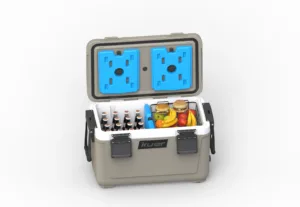
To ensure a smooth journey, it’s essential to prepare a cooler for airport security in advance. Here’s a simple checklist to help you get ready:
- Freeze your ice packs completely before you leave home. TSA only allows frozen solid packs.
- Pick a compact cooler that fits under the seat. The KUER Cooler Box comes in several sizes, so you can choose one that works for your flight.
- Pack liquids the right way. If you carry baby food or medicine, put them in a clear quart-sized bag and declare them at security.
- Label dry ice clearly if you use it. Make sure your cooler has vents for safety.
- Check customs rules if you fly internationally. Some foods aren’t allowed in other countries.
- Store your cooler wisely during travel. Keep it out of direct sunlight and avoid opening it too often.
Note: Security personnel may ask you to open the refrigerated compartment. Please ensure all items are clearly visible and neatly arranged.
Packing ice, gel packs, and perishables
You have several refrigeration options available. Dry ice can be carried in small quantities, but it must be properly packaged to allow gas to escape. Frozen liquids do not require refrigeration if they are solid at security. Ice packs work very well, especially for medications, and can be used even if they are not frozen, but must be declared truthfully.
- Dry ice: Use vented containers and label them.
- Frozen ice packs: Only solid packs pass security.
- Gel packs: Great for medicine; declare them if not frozen.
- Perishables: Pack tightly to keep them cold longer.
The KUER insulated box features thick insulation and a sealing ring to keep food and beverages chilled for days. You can also add accessories such as ice packs or cutting boards to organize your items.
Securing and labeling your cooler
During your trip, you need to ensure the cooler is secure. Use the luggage straps to secure the lid. If you are carrying dry ice or medical supplies, please label the cooler. Each package containing dry ice must be labeled “UN 1845, Carbon Dioxide, Solids,” along with the net weight and a 9-diamond label. Please affix the label to a flat, visible side and remove old labels to avoid confusion.
Note: Hard-shell insulated cases with ventilation openings, equipped with pop-out plugs or pinholes, are the safest option for air travel.
KUER insulated cases are reliable and effectively protect your belongings. As long as they are properly packed and labeled, your insulated case can easily handle any flight.
Getting through airport security with a hard cooler box
Security screening process
When you arrive at airport security, please place your hard-shell cooler on the conveyor belt. Security personnel will scan it like any other luggage. If you are using ice packs or ice packs, please ensure they are completely frozen. If you are using dry ice, please check that the cooler has ventilation holes and clear labeling. You may need to open the cooler so that security personnel can inspect the contents. This will help them check for any prohibited items.
Handling TSA inspections
Sometimes, officers from the U.S. Transportation Security Administration (TSA) will inspect the inside of your cooler. Remain calm and answer their questions. Open the lid when asked. If you are carrying food, medication, or fish, inform them immediately. Show them labels for any dry ice or medical supplies. If you are using a KUER cooler, its sturdy handle and easy-to-open lid will make this process quick and easy. Officers may take swab samples or test liquids inside the cooler. They simply want to ensure everyone’s safety.
Tips for a smooth experience
Make your security screening experience easier by following these simple steps: Arrange your items neatly in the cooler so that security personnel can clearly see everything. Use clear bags for small items. If you are carrying special items, label the cooler. Here are some strategies to speed up security screenings:
| Strategy | Description |
|---|---|
| Establish Clear Search Protocols | Know what screening methods TSA uses and avoid packing prohibited items. |
| Communicate Rules in Advance | Read TSA and airline rules before you pack your hard cooler box. |
| Optimize Entry Layout | Use the correct security lane and keep your cooler ready for inspection. |
Friendly reminder: Please arrive at the airport as early as possible. Allow some time in case security checks take longer than expected. Planning ahead will be very helpful!
Special uses for hard cooler boxes
Transporting food and beverages
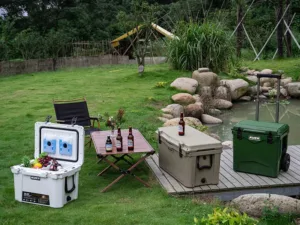
You’ll definitely want your food and drinks to stay chilled and fresh during your flight. A KUER cooler makes it easy. Its thick insulation and airtight seal keep snacks, sandwiches, and drinks cold for up to a week. Pack your favorite foods for a picnic or bring homemade meals for your family. If you’re using ice packs, make sure they’re completely frozen before going through security. If you’re carrying dry ice, be sure to label your cooler with “Dry Ice,” “UN 1845,” and its weight. This helps airport staff understand the contents.
Tip: Choose a smaller cooler for short trips. For long trips, opt for a larger KUER cooler to ensure all your items stay cold.
Flying with fish or meat
You might want to bring home some fresh fish or specialty meats. Airlines and the U.S. Transportation Security Administration (TSA) allow you to store these items in a cooler. Here are some things you need to remember:
- Meat, seafood, and other non-liquid foods are allowed in both carry-on and checked bags.
- Keep meat frozen solid to avoid problems at check-in.
- Use frozen gel packs instead of ice to prevent leaks.
- Dry ice is allowed, but you must label your cooler and keep the amount under five pounds.
- Make sure your cooler has vents for safety.
KUER coolers can keep your fish cold for 5-7 days, even during long flights. If you are using dry ice, be sure to label the cooler.
Traveling with medication or medical supplies
You may need to refrigerate medications while traveling. A KUER cooler is perfect for this need. Here’s how to prepare it:
- Carry your prescription or a letter from your doctor.
- Keep medicine in original containers with labels.
- Use a clear plastic bag for easy inspection.
- Bring extra ice packs or thermal pouches for temperature-sensitive meds.
- Pack a backup supply if possible.
If you are traveling to another country, please carry translated documents. If you are using dry ice, please mark your cooler. KUER coolers feature strong insulation and a sealing gasket to help protect your medications from high temperatures.
Note: If you are carrying medical supplies, be sure to inform a U.S. Transportation Security Administration (TSA) officer. Please show them your documents and allow them to inspect your cooler.
You can bring a hard-shell insulated box on board as long as you follow the correct steps. Be sure to check the regulations of the U.S. Transportation Security Administration (TSA) and the airline before packing. Here are some key tips to keep in mind:
- Freeze your food or medicine before you travel.
- Pick a vented cooler that fits airline size rules.
- Mark your cooler if you use dry ice.
Many travelers forget to bring enough ice or fail to store liquids in sturdy containers. KUER coolers stand out with their robust construction and excellent insulation, making your journey easier and keeping your belongings cooler.
FAQ
Can you use a hard cooler box as a carry-on?
Yes, you can bring a hard-shell insulated box as carry-on baggage if it meets the airline’s size restrictions. Please make sure your insulated box is empty or filled with frozen food. KUER insulated boxes are available in various sizes to fit most flights.
Do you need to label your cooler if you pack dry ice?
If you are carrying dry ice, you must label the cooler container. Write “Dry Ice” and the net weight on the outside. For safety reasons, airlines require containers with ventilation openings. Be sure to check the airline’s regulations before your trip.
What is the best way to keep food cold in your cooler during a flight?
Freeze ice packs or gel bags before traveling. Pack food tightly into the cooler. KUER coolers feature thick insulation and sealing gaskets to keep food cold for days.
Can you bring fish or meat in your cooler box on a plane?
You can store the fish or meat in a cooler. Make sure it is completely frozen. If possible, use ice packs or dry ice. Always comply with the packaging and labeling regulations of the U.S. Transportation Security Administration (TSA) and the airline.


 Request a quote
