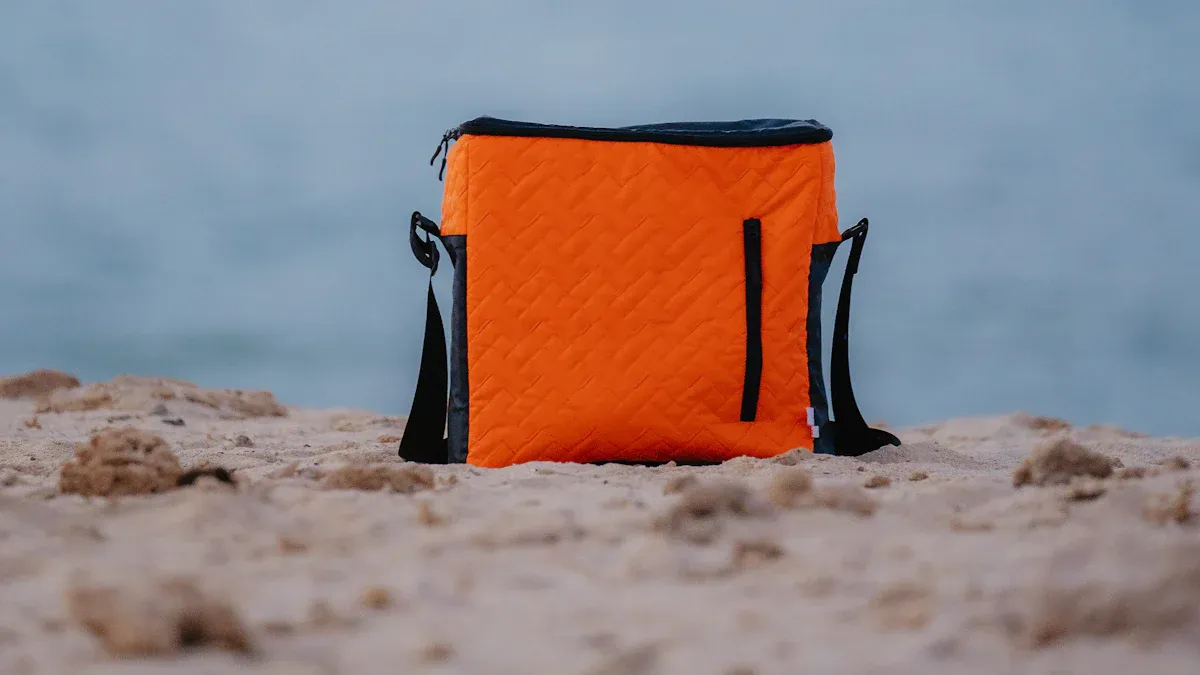

A plain insulated bag keeps food at safe temperatures for only 1 to 3 hours. You must use proper cooling packs if you want to take longer trips. To start, cool down your bag before packing it with any meals. Then, use two ice sources, layer items carefully, and fill in all extra empty spaces. Taking these easy steps protects your food and keeps everything cold throughout the day.
Key Takeaways
- Freeze your empty insulated bag for thirty minutes before packing to make the cold last half again as long.
- Mix soft gel packs with hard ice blocks and metal foil to protect your food from warm air all day.
- Put heavy ice on the bottom and stuff any leftover gaps with small towels to stop warm air from moving around.
Pre-Chilling and Packing Your Insulated Bag
Pre-Chill Gear and Food
Put your empty insulated bag in the fridge or freezer for 30 minutes before packing. Warm inside walls melt ice packs fast. Pre-chilling cools down the bag materials first. This easy step slows heat movement and keeps food safe 50% longer on hot days.
Pre-chill your bag: Before packing, place your empty insulated bag in the refrigerator or freezer for 30 minutes to give it a head start.
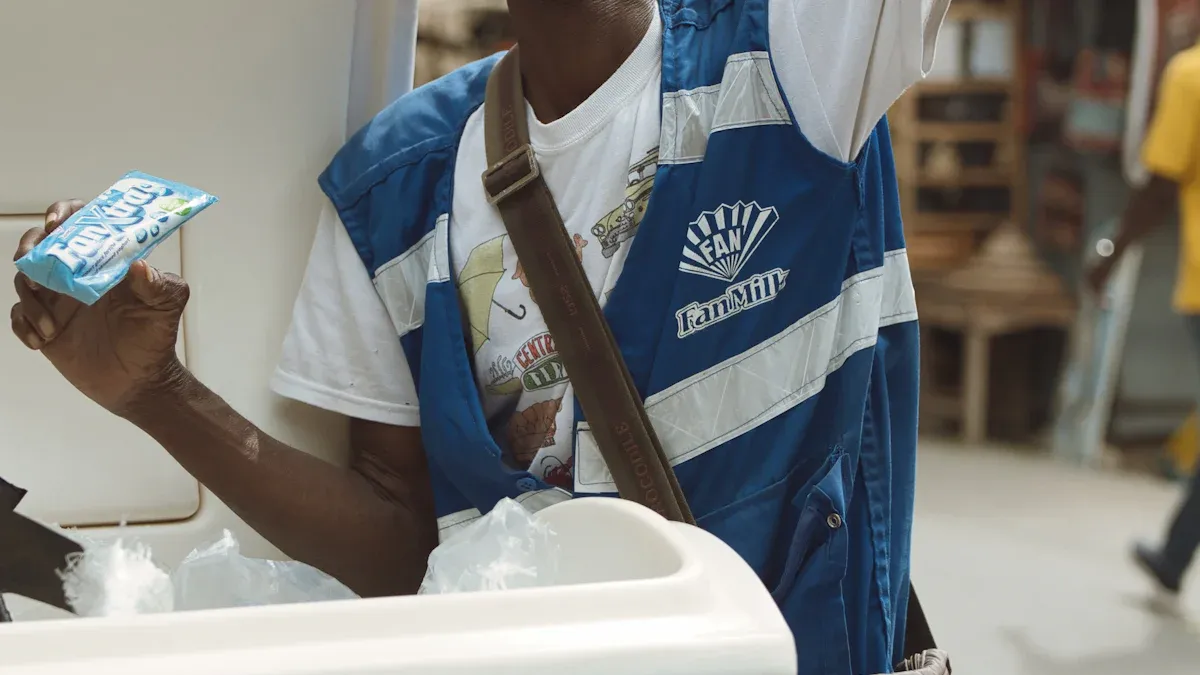
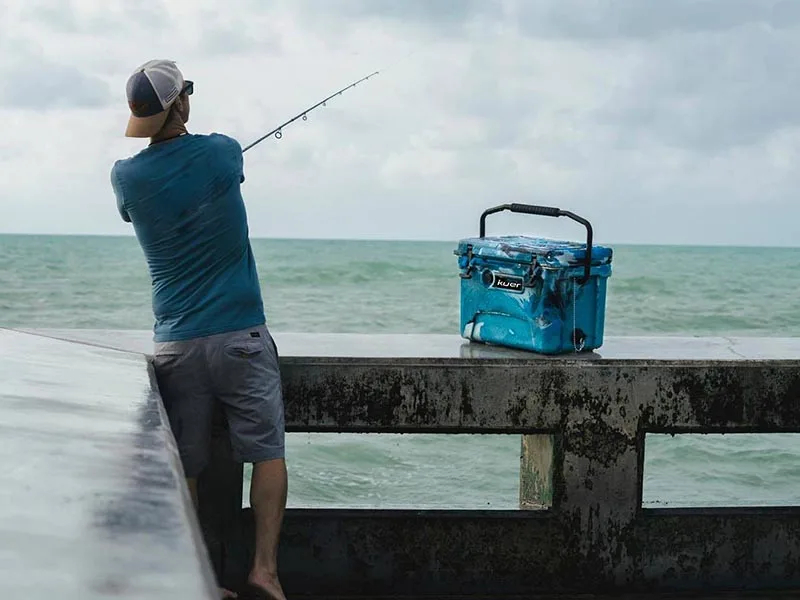
Cold food and drinks help your ice packs last longer. Never pack warm meals right next to cold items. Delivery workers and trip leaders trust great gear from a reliable manufacturer. A Kuer Outdoors soft cooler bag keeps things cold for hours when you chill the inside space first.
Select Dual Cooling Sources
Mix two different ice sources inside your bag for the best results. Use soft gel packs with hard block ice or frozen water bottles. Gel packs wrap easily around lunch boxes without making a wet mess. Hard ice blocks melt very slowly to keep everything cold all day.
| Property / Application | Quantitative Finding | Relevance to Cooler Bag Lining |
|---|---|---|
| Thermal Reflectivity | Reflects up to 95% of radiant heat | Bounces radiant heat away from your cold food core |
| Low Emissivity | Emits very little heat energy | Prevents the lining material from emitting heat inward |
Put a sheet of aluminum foil on the bottom of your bag before adding ice packs. Aluminum foil blocks up to 95% of outside heat from reaching your cold items. Top sellers often suggest using foil with custom ice setups to keep your food cold much longer.
Thermal Layering and Air Gap Management in the Insulated Bag
Layer Items by Temperature
Organize your food in the insulated bag by starting with the coldest items. Put heavy ice packs at the very bottom. Place hard-to-keep-fresh foods, like raw meats and milk, right next to those ice packs. Set lighter, ready-to-eat snacks on the top layer. Testing shows that filling your soft bag to 85% or 92% full keeps things cold for the longest time.
You can also wrap cold food items in thick layers of newspaper to protect them. Newspaper blocks warm air and moisture, acting as a great temporary shield. Top gear makers and store suppliers often suggest this easy trick for long trips. This extra layer protects delicate food from sudden temperature shifts.
Eliminate Empty Air Space
Empty spaces make the inside of your bag warm up much faster. Warm air moves around quickly in open spots, which melts your ice packs. Fill all extra spaces with small towels, clean rags, or napkins so your containers fit tightly. Closing these open areas stops heat from entering and keeps the temperature steady inside your insulated bag.
Food Safety Rule: Refrigerate perishable foods within 2 hours of purchase or cooking, and always keep cold food at 40°F or below.
Outdoor heat above 90°F cuts your safe storage time down to only 1 hour. Check the temperature of your food every 2 hours to keep it safe during trips. Throw away any perishable food if it stays warm for too long.
Follow this quick checklist for maximum cooling performance:
- Pre-chill gear and food.
- Layer dual ice sources.
- Seal extra air gaps.
- Keep the bag zipped shut.
Always maintain cold food at 40°F or below. Refrigerate perishables within a strict 2-hour window to ensure food safety during outdoor trips and daily commutes.
FAQ
How long can an insulated bag keep food safe without ice?
An unassisted insulated bag maintains safe temperatures for only 1 to 3 hours. You must add proper ice packs to keep food fresh for longer trips.
At what temperature should you keep cold food?
Always keep cold food at 40°F or below. Refrigerate perishable items within 2 hours to prevent harmful bacteria growth and protect your meals.
Why should you pre-chill your bag before packing?
Pre-chilling your empty bag for 30 minutes cools internal materials. This simple step slows heat movement and keeps your food safe up to 50% longer.
 Request a quote
