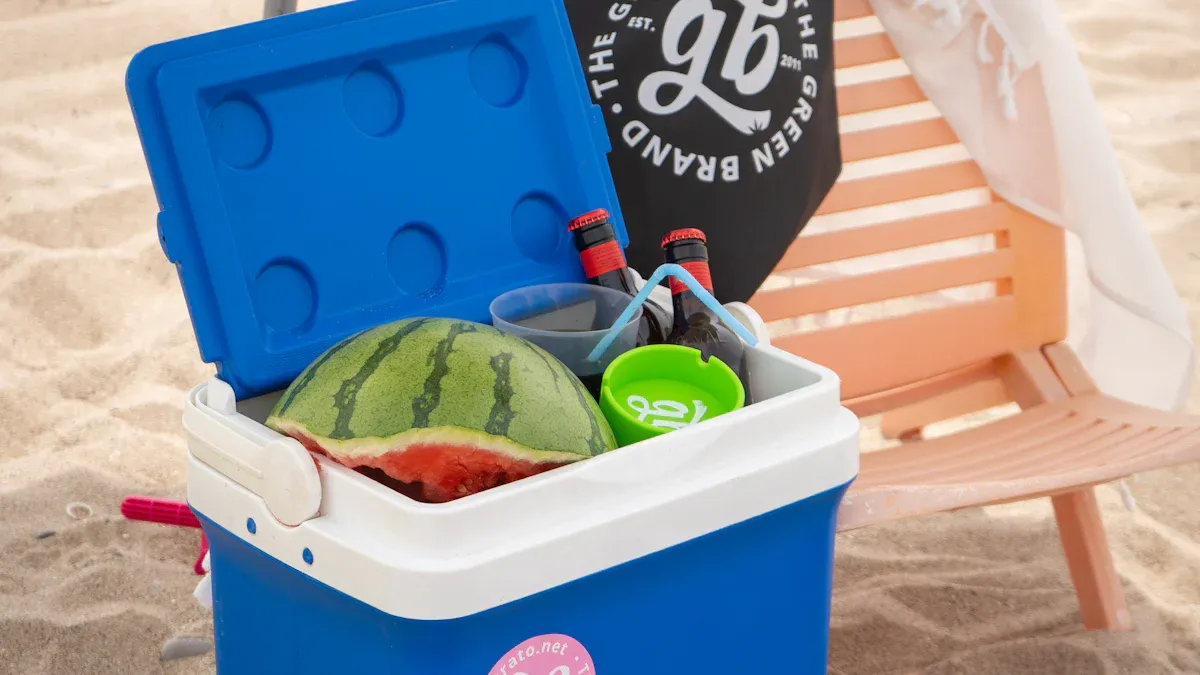

You keep food and drinks cold in an insulated cooler bag because it slows heat from getting in. The bag has special materials that stop heat from moving through. These layers hold cool air inside and keep warm air out. Many people pick a cooler bag because it is waterproof, light, and holds a lot. You can carry it easily and it looks nice. Insulated bags are easier to move than old coolers and work well for things like picnics or lunches at work.
Key Takeaways
- Insulated cooler bags keep food and drinks cold with special layers. These layers stop heat from getting in. This keeps your food fresh for many hours.
- It is important to know about heat transfer. Insulation slows down conduction, convection, and radiation. This helps your things stay cool.
- Pick a cooler bag that has a waterproof outside. This keeps your food safe and makes it easy to clean.
- Pack your cooler in a smart way. Use ice packs and chill your items first. Fill any empty spaces to help keep things cold.
- Clean your cooler bag often to stop bad smells and germs. A clean bag will last longer and keep your food safe.
Insulation Science: How Cooler Bags Work
Heat Transfer Basics
To understand how heat is transferred, you need to understand how an insulated bag works. Heat always flows from warmer to cooler areas. There are three main ways heat is transferred: conduction, convection, and radiation.
- Conduction is the process by which heat is transferred through a solid. You can feel this conduction if you touch a hot pot. In an insulated bag, the insulation layer slows down this process, preventing heat from being quickly transferred to the food.
- Convection is the process of heat transfer in air or a liquid. Warm air tries to enter your bag, but the sealed closure and thick bag walls block it. This keeps cool air inside the bag and warm air outside.
- Radiation comes from the sun or other heat sources. The shiny, reflective lining inside the insulated bag reflects this heat, keeping your drinks and snacks cold for longer.
Tip: Be sure to seal the insulated bag tightly. This will prevent hot air from getting in and help keep the items at a low temperature.
Here is a table that shows how long different bags keep things cool in hot weather:
| Product | Performance in Hot Weather (above 85°F/29°C) |
|---|---|
| Insulated Bag | 2-6 hours |
| Soft Cooler | Up to 24 hours |
| Hard Cooler | 24-72+ hours |
Why Insulation Works
The insulation layer makes your cooler bag stand out. It uses scientific principles to insulate against heat and retain coolness. Here’s how it works:
- Insulating materials, like foam, trap air. Air does not let heat move fast. This slows down conduction.
- The inside of your cooler bag often has a shiny layer. This layer reflects heat away, so less heat gets to your food.
- Sealed zippers and strong seams stop warm air from entering. They also keep cold air from escaping. This blocks convection.
By using insulated bags, you can take full advantage of these ingenious designs. You can rest assured that food and drinks will stay fresh and chilled for hours. The next time you pack for a picnic or trip, you’ll know that your insulated bag uses science to help you enjoy your time to the fullest.
Cooler Bag Materials
Outer Shell
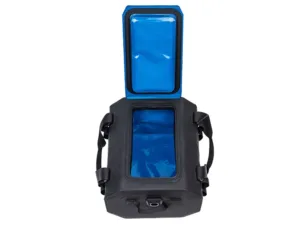
When you pick up an insulated bag, the first thing you notice is its outer layer. This outer layer protects the items inside. Most insulated bags are made of high-denier nylon or polyester fabric. These materials are tough, durable, and not easily torn. You can confidently take an insulated bag to the park or the beach.
The outer shell is lightweight and easy to carry. It protects against rain and liquid spills that could wet food. The canvas material is attractive and breathable, but its waterproof performance is slightly less.
Here is a table that compares how strong different materials are:
| Material | Durability Characteristics |
|---|---|
| Polyester/Nylon | Strong, resistant to wear and tear |
| Oxford Fabric | Thicker texture, premium feel, suitable for long-lasting bags |
| Cotton | Biodegradable, eco-friendly, less durable than synthetics |
| Laminated | Waterproof, easy to clean, enhances durability |
| Tyvek® | Lightweight, tear-resistant, high durability |
| Oxford/Polyester | Considered the most durable option due to strength and wear resistance |
Tip: When traveling, choose an insulated bag with a waterproof outer shell. This will ensure food safety and keep the bag in pristine condition.
Foam Layer
The foam layer sits between the outer shell and the inner lining. This layer traps air and slows heat transfer. Because the foam layer blocks heat from entering, your beverage stays chilled for longer.
Different foam materials have different insulation properties. EPE foam is common and offers good insulation. EVA foam provides even better insulation. Composite foam offers the best insulation performance.
A thicker foam layer means your ice pack can maintain a low temperature for a longer time. For example, an 8mm thick EPE foam bag containing aluminum foil can keep the ice pack below 10 degrees Celsius for more than 6 hours. Better insulation means a longer-lasting cooling effect.
| Foam Insulation Thickness | Approximate Ice Retention |
|---|---|
| 3 mm foam | 1–2 hours |
| 5 mm foam | 2–4 hours |
| 6–8 mm foam | 4–6 hours |
| 8–10 mm foam | 6–8 hours |
| 10 mm+ foam | 8–12 hours |
Note: The thickness of the foam is the main reason why the thermal bag keeps the temperature low.
Inner Lining
The lining comes into direct contact with food and beverages. This layer must be waterproof and easy to clean. Most insulated bags use PEVA, EPE with aluminum foil, or PVC linings. These linings prevent leakage and avoid liquid spills.
Special sealing and welding processes ensure the seams are completely leak-proof, so you don’t need to worry about liquid seepage. PEVA and EVA linings help prevent water penetration. The aluminum foil lining reflects heat and is easy to clean.
The lining is very easy to clean. Simply wipe away spilled liquids and debris with a damp cloth. The lining blocks bacteria and moisture, ensuring food safety.
Important Note: Always ensure your insulated bag’s lining is leak-proof. This will keep food fresh and the bag clean.
Cooler Bag Design
Layer Structure
Insulated bags are more than just simple bags. Their multi-layered structure is the secret to keeping items at a low temperature. Each layer works together to prevent heat from entering. The outer layer is waterproof and shockproof. The middle layer is a foam material containing microbubbles. These bubbles slow down heat transfer, helping to maintain a low temperature. The inner lining provides another barrier and is easy to clean.
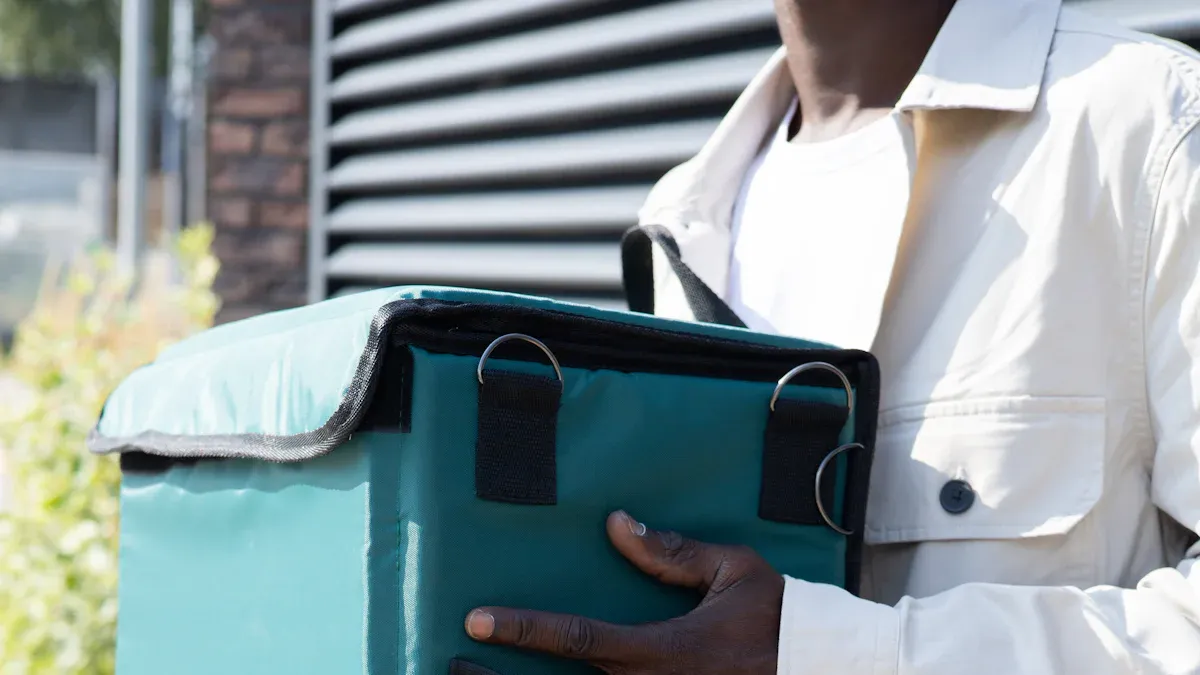
The designers wanted you to carry a lot of things without feeling overwhelmed. They made the bags thick yet lightweight. Sealed closures, such as magnetic zippers or Velcro closures, prevent hot air from entering while keeping cold air inside. You can carry up to 30 cans of drinks without feeling too heavy.
Reflective Barriers
The reflective layer is crucial for maintaining cooling effectiveness. These shiny reflective layers deflect heat away. When sunlight or heat sources hit the outside of the cooler bag, the reflective layer reflects the heat back. This keeps the inside of the bag cool and prevents food and drinks from warming up quickly. The foam layer and reflective layer work together to block heat from all directions.
Tip: Always seal the cooler bag tightly after use. This helps the reflective and insulating layers work together for optimal cooling performance.
Many people care about the appearance and functionality of cooler bags. Surveys show that 67% of people want cooler bags made of high-quality materials, about 58% want them to be versatile, and about 45% prefer custom designs.
Getting the Most from Your Cooler Bag
Cooling Factors
To improve the cooling effect of insulated bags, it’s crucial to pay attention to the following key factors. Weather and packing method are paramount. Hot weather is detrimental to cold retention, while indoor or mild outdoor environments help insulated bags achieve better cooling performance.
| Environment Condition | Performance Impact |
|---|---|
| Indoor Air-Conditioned Setting (20–25°C) | Maximum performance; food can last much longer with proper cooling elements. |
| Moderate Outdoor Weather (25–30°C) | Moderate reduction; cold retention time reduced by 30–40% compared to indoor settings. |
| Hot Summer Day (35–40°C+) | Significant challenge; safe holding time for perishable food drops drastically, often to 1–2 hours. |
Ice packs and gel bags also play an important role. Using enough ice packs can keep food cold for 6-8 hours. High-performance insulated bags with multiple ice packs can extend the cold time to over 12 hours. Gel bags can extend the safe refrigeration time to 4 to 12 hours, depending on the type of insulated bag and the outside temperature.
Usage Tips
You can maximize the effectiveness of insulated bags through clever packaging and usage methods. Try these expert tips:
- Pre-chill your bag by placing it in the fridge or freezer for 30 minutes before packing.
- Chill all food and drinks ahead of time.
- Pack your cooler just before you leave to trap the cold inside.
- Place ice packs or blocks at the bottom, food and drinks in the middle, and more ice packs on top.
- Fill empty spaces with smaller cold items to prevent warm air from entering.
- Use larger ice blocks instead of small cubes to slow melting.
- Keep the bag zipped tightly.
- Store your bag in a shaded area.
Tip: For best cooling results, use twice the amount of ice as liquid.
Cleaning & Care
Clean the insulated bag after each use to maintain its hygiene. Wipe the inside with a damp cloth or soft sponge to remove food residue and stains. For stubborn stains, use a mild detergent. Let the insulated bag air dry in a well-ventilated place. Avoid using steel wool, alcohol, bleach, or strong cleaners. Never soak or machine wash the insulated bag.
- Clean after each use to prevent odors and bacteria.
- Deep clean weekly or monthly if you use your bag often.
Friendly reminder: Regular cleaning can maintain the waterproof performance of the insulated bag and help extend its lifespan.
This insulated bag features a smart insulation layer design that effectively blocks heat, keeping your food and drinks cold. It meets a variety of needs:
- Great for daily lunches, family trips, and outdoor events
- Handy for food delivery and medical transport
- Helps you cut down on plastic waste
| Maintenance Tip | Benefit |
|---|---|
| Wipe after each use | Stops odor and buildup |
| Store in a dry place | Prevents mold |
| Inspect seams monthly | Extends bag lifespan |
Follow these tips to enjoy fresh snacks and drinks every time.
FAQ
How long can my Cooler Bag keep food cold?
Ice packs can keep food cold for 4-8 hours. Thicker insulation and more ice can extend the cooling time. Hot weather may shorten the cooling time.
Can I use my Cooler Bag for hot food?
You can use an insulated bag to pack hot food. The insulation effectively locks in the heat. Put the hot food in the bag and then seal it.
Is the Cooler Bag waterproof?
You get a waterproof Cooler Bag. The outer shell blocks rain and spills. You can wipe it clean after use.
How do I clean my Cooler Bag?
Simply wipe with a damp cloth to clean the insulated bag. For stubborn stains, use mild soap. Allow the insulated bag to air dry before storing.
What is the best way to pack my Cooler Bag?
Place an ice pack at the bottom of the bag, put cold food and drinks in the middle, put some small items in the gaps, and finally zip the bag up.

 Request a quote
