
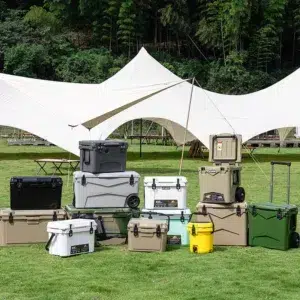
You can often see cooler boxes made from HDPE. HDPE is a strong and trusted plastic. HDPE means high-density polyethylene. This material makes your cooler box last long and stay light. Brands like KUER use HDPE to make tough, rotomolded coolers. These coolers are great for outdoor trips. The material you pick is important. You want gear that stays strong in rough weather. Here is a quick look at HDPE features:
| Feature | Description |
|---|---|
| Durability | HDPE cooler boxes are strong and last long. |
| Lightweight | They are easy to move because they are light. |
| Resistance to Impact | HDPE helps protect against bumps and hits. |
| UV Resistance | It keeps things safe from sun damage outside. |
Key Takeaways
- HDPE is a strong and light material. It is great for cooler boxes. It helps coolers last during outdoor trips.
- Pick cooler boxes made with rotomolded HDPE. These coolers are tough and resist impacts. They also protect from UV rays. This makes them last longer in hard places.
- Find coolers with polyurethane foam insulation. This keeps things cold for a long time. Ice stays solid for days. Your food will stay fresh.
- Make sure your cooler box has food safety certifications. Look for NSF or FDA labels. This means it is safe for food and drinks.
- You can recycle HDPE cooler boxes. This helps the environment. Always check your local recycling rules.
HDPE in Cooler Box Construction
What Is HDPE?
HDPE stands for High-Density Polyethylene. This plastic is widely used in a variety of robust and durable products. HDPE has a simple chemical structure, yet offers numerous benefits. Manufacturers use special processes to make insulated boxes from HDPE. Here are their manufacturing methods:
- Workers load powdered HDPE into an aluminum mold shaped like a cooler box.
- The mold goes into an oven and rotates on two axes. The heat melts the plastic, and it coats the inside of the mold.
- The mold moves to a cooling station. Air or water cools the mold so the plastic hardens and keeps its shape.
- When the mold cools, workers open it and remove the new cooler box body. At this point, they usually add insulation foam between the walls.
High-density polyethylene (HDPE) possesses many properties that make it an ideal material for outdoor gear. You can see these properties in the table below:
| Property | Value |
|---|---|
| Density | 0.941-0.965 g/cm³ |
| Melting Point | 120-130°C |
| Tensile Strength | 26-33 MPa |
| Chemical Resistance | Excellent resistance to acids, bases, alcohols, and solvents |
| Temperature Range | -50°C to 80°C (short-term to 100°C) |
| Flexural Modulus | 800-1,400 MPa |
| Moisture Absorption | Low |
| Durability | High resistance to wear, impact, and environmental stress cracking |
Why HDPE Is Used for Cooler Boxes
You certainly want your cooler to accompany you on every adventure. HDPE (high-density polyethylene) can help you achieve this.
Manufacturers like KUER use a process called rotational molding (or rotomolding) to create insulated boxes from high-density polyethylene (HDPE). This method allows for a seamless design. Thick walls and insulation help resist damage and keep the internal temperature within the box for days. KUER insulated boxes are a prime example. Made from rotationally molded HDPE, they offer a robust and reliable product suitable for camping, fishing, or any outdoor trip.
It’s easy to understand why HDPE is the material of choice for insulated boxes. It’s durable, won’t break even from drops, is resistant to cracking, and maintains its shape for a long time. Tests show that HDPE insulated boxes can withstand drops from heights and thousands of hours of exposure to direct sunlight without damage. The seamless design also means fewer weak points, resulting in a longer lifespan and better performance for your insulated box.
Tip: By choosing a refrigerator made of high-density polyethylene (HDPE), you will get a product that can withstand rough use and keep food safe and refrigerated.
Cooler Box Materials Compared
HDPE vs. LLDPE and Other Plastics
The outer shell of a cooler box primarily uses two types of plastics: high-density polyethylene (HDPE) and linear low-density polyethylene (LLDPE). HDPE is robust, durable, and lightweight, capable of withstanding rough handling and harsh weather. It won’t crack or deform even if dropped or impacted by rocks. LLDPE is more flexible than HDPE, effectively absorbing impact and is less prone to cracking. Both HDPE and LLDPE have good scratch resistance. These plastics make coolers durable. Manufacturers choose them because they allow for the construction of robust and reliable coolers, ideal for outdoor travel.
Insulation Materials: PU Foam and Alternatives
The outer shell of a refrigerator is only one part of it. Inside, there’s an insulation layer to maintain the low temperature. Most high-quality refrigerators use polyurethane foam as insulation. Polyurethane foam has a high R-value, meaning it effectively prevents heat from entering. Even a thin layer can keep ice from melting for days. The foam fills every gap inside the refrigerator, forming an airtight barrier.
Below is a brief introduction to some common insulation materials:
| Insulation Material | Thermal Performance | Durability and Features |
|---|---|---|
| Polyurethane Foam | High resistance, keeps cold in for days | Air-tight, thick walls, superior insulation |
| Polystyrene Foam | Decent, but less than polyurethane | Lighter, less durable, can crack under pressure |
Polyurethane foam (PU foam) is better suited for cold insulation than high-density polyethylene (HDPE). While HDPE is strong, its insulation properties are inferior to polyurethane foam. This is why most insulated boxes use polyurethane foam inside. This helps retain ice temperature better and extends refrigeration time.
Note: When choosing an insulated box, check the box body and insulation layer. Suitable materials contribute to better performance.
HDPE Benefits for Cooler Boxes
Durability and Impact Resistance
When you choose a cooler box for outdoor use, you want it to last. HDPE stands out because it can handle tough conditions. The ISO 180 Izod Test measures how well HDPE resists sudden impacts. This test shows that HDPE has high toughness and can take hard hits without breaking. You can drop your cooler box or bump it against rocks, and it will keep its shape.
KUER uses a rotomolded design for their cooler boxes. This method creates a seamless shell. The shell has no weak spots, so it resists cracks and dents. Many outdoor fans like HDPE cooler boxes because they stay strong even after years of use. Consumer reviews often mention that these coolers perform better than those made from other materials. You can trust your cooler box to protect your food and drinks on every trip.
HDPE also stands up to sunlight. If you spend a lot of time outdoors, your cooler box will face UV rays. Over time, UV rays can damage plastic. Manufacturers add UV stabilizers to HDPE to help it last longer in the sun. This means your cooler box will not get brittle or lose strength, even after many sunny days.
Temperature Retention and Insulation
You’ll definitely want your cooler to stay cold for as long as possible. High-density polyethylene (HDPE) forms a robust outer shell, effectively achieving this. KUER uses a rotational molding process, resulting in thick, seamless walls that effectively prevent heat from entering the cooler through gaps or seams.
The cooler’s interior is filled with polyurethane foam. This foam has extremely low thermal conductivity, effectively insulating heat and keeping the interior cold. Some high-end coolers, especially with additional insulation, can keep things cold for up to 10 days. KUER coolers can keep ice cubes frozen for up to 7 days, even in hot weather. Design features such as freezer-grade sealing rings and robust latches help seal the interior and maintain the cold temperature.
HDPE coolers perform better at keeping temperatures than other plastics. You get longer-lasting ice preservation and fresher food. Therefore, HDPE is ideal for camping, fishing, or any outdoor adventure.
Tip: If you want a cooler that can keep temperatures low and last for many years, look for coolers made of rotationally molded high-density polyethylene (HDPE) and high-quality insulation.
HDPE Cooler Box: Environmental and Safety Aspects
Recyclability of HDPE Cooler Boxes
After use, you can recycle high-density polyethylene (HDPE) insulated boxes. Many recycling centers accept HDPE plastic. Recycling insulated boxes helps protect the environment. Moving HDPE insulated boxes consumes energy and causes pollution. Cleaning reusable insulated boxes also consumes energy and water, which exacerbates their climate impact. Recycling HDPE does help reduce waste. However, because HDPE is heavier, recycling it requires more energy than recycling lighter materials. This means its benefits are not as significant as with other materials. Before disposing of insulated boxes, be sure to check local recycling regulations.
Tip: Recycling HDPE reduces waste and protects the planet. Choosing to recycle items is contributing to the planet.
Food Safety and Health Considerations
You certainly want your insulated box to ensure food safety. High-density polyethylene (HDPE) meets stringent food safety standards. Agencies like the U.S. Food and Drug Administration (FDA) require HDPE to pass food contact safety tests. These tests check whether substances in the plastic can leach into food. The FDA reviews the test results and health reports to ensure your safety. They also set regulations for the chemicals that can be added to the plastic.
Here are some signs that indicate your insulated box meets food safety standards:
| Certification | Description |
|---|---|
| NSF International | Makes sure the cooler meets world safety rules. |
| UL EPH Mark | Checks that it is clean and works for food use. |
Agencies like the FDA and EFSA prohibit certain plastics from coming into contact with food. They ensure that harmful chemicals do not enter your food. High-density polyethylene (HDPE) insulated boxes bearing these symbols are reliable. They ensure the safety and freshness of your food while you are outdoors.
Note: Always check the food safety symbols on the insulated box. These symbols indicate that the product is safe for your health.
HDPE helps cooler boxes stay strong and last a long time. It protects them from bumps and sunlight. This means your gear will not break easily. When you pick a cooler box, look at what it is made of. Try to find one that can be recycled. KUER uses rotomolding and good insulation in their cooler boxes. You get a cooler that works well and lasts for many trips.
Tip: Make sure your cooler box has food safety marks and is good for the environment before you buy it.
FAQ
How do you clean an HDPE cooler box?
You can clean high-density polyethylene (HDPE) insulated boxes with mild soapy water. Use a soft sponge or cloth. Rinse thoroughly and then let air dry. Avoid using harsh chemicals.
Can you leave an HDPE cooler box in the sun?
You can place the HDPE insulated box outdoors. HDPE material is UV resistant, and its color and strength will remain in good condition even after multiple uses. For best results, store it in a cool, dark place when not in use.
Is HDPE safe for storing food and drinks?
Yes, HDPE material meets food safety standards. You can store food and beverages in the insulated box. For added peace of mind, look for safety certification marks such as NSF or FDA.
Can you recycle an HDPE cooler box?
Please consult your local recycling center. High-density polyethylene (HDPE) is recycled in most places. Recycling helps reduce waste and protect the environment.


 Request a quote
