

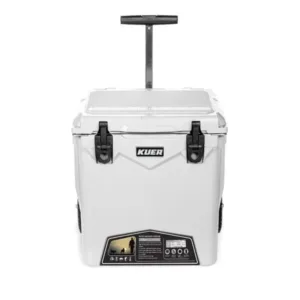
Choosing the right camping cool box comes down to five core factors: capacity, power type, ice retention performance, portability/durability, and budget. The best option matches your trip length, group size, and campsite conditions — there is no one-size-fits-all cooler. A weekend car camping trip needs very different performance than a week-long remote backcountry stay, and picking the right fit avoids paying for unused capacity or underperforming on long trips.
This guide breaks down the decision step by step, so you can match a cooler to how you actually camp, not just catalog specs.
Key Takeaways
- Size your cooler to your group size and trip length; extra room for ice improves cold retention.
- Choose a passive ice cooler for remote sites without power, and an electric cool box for campsites with electrical hookups.
- Prioritize thick insulation and a tight lid seal first — these have the biggest impact on how long ice lasts.
- Look for portability features like wheels and wide carry handles to make moving a full cooler easier.
- Budget for solid insulation first, then add accessories like baskets and dividers later if needed.
Step 1: Choose the Right Camping Cool Box Capacity
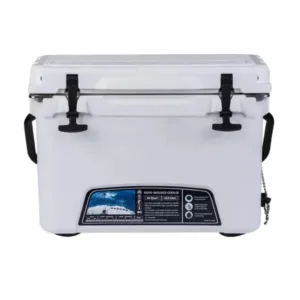
Capacity is the first decision, and it should be driven by two factors: group size and trip length.
How to size your cooler
- A solo or couple’s weekend trip works with a compact model.
- A family of 4 on a 2-night trip fits comfortably in a mid-size cool box.
- Groups of 6+ on 5+ day trips need a large, high-ice-retention model.
When in doubt, size up slightly. Extra space allows for more ice and better air circulation, and a fuller cooler holds cold far better than a half-empty one.
The capacity vs. weight tradeoff
Larger coolers hold more supplies but get very heavy when fully loaded. Always consider:
- Whether you will need to lift the box into a vehicle
- How far you will carry it from the car to your campsite
- Whether wheels are available to handle the weight
Wheeled hard coolers solve this for most car camping trips. For hike-in sites, a lightweight soft backpack cooler is a better fit. Always check loaded weight before buying — an oversized box that stays in the car all trip is wasted money.
Step 2: Choose Your Cooler Type
Power type: Passive vs. electric
| Type | How it works | Best for | Key benefit |
|---|---|---|---|
| Passive ice cooler | Uses ice, ice packs, or cooling elements | Remote campsites, tent camping, off-grid trips | No power required; simple, reliable operation |
| Electric cool box | Plugs into campsite power or a vehicle outlet | Base camps with electrical hookups | No daily ice runs; consistent temperature for long stays |
Always check your campsite rules first: access to power and on-site ice availability will narrow your choice immediately. If camp store ice supplies are limited on busy weekends, pack extra cooling elements to extend ice life.
Build type: Hard-sided vs. soft-sided
Hard-sided coolers
Hard coolers have a rigid plastic shell and thick insulation. They come in three common builds:
- Rotomolded: Thick, impact-resistant walls with excellent ice retention; best for long trips and rough use
- Injection-molded: Lighter, more affordable; good for regular weekend camping
- Blow-molded: Budget-friendly, lightweight; ideal for casual family trips
They hold their shape, protect food from impacts, and deliver far longer ice retention than soft models. They also double as extra seating or a prep surface at the campsite.
Soft-sided coolers
Soft coolers use flexible insulated fabric. They pack down small, are lightweight, and work well for day trips, short hikes, and carrying drinks. They have far shorter ice retention than hard-sided models and do not protect fragile items from impact.
Step 3: Prioritize Insulation and Ice Retention in a Camping Cool Box
Insulation quality is the single biggest factor in how long a cooler keeps food cold. Two features drive performance:
- Wall thickness: Thicker foam insulation slows heat transfer and extends ice life.
- Lid seal: A tight, gasketed lid prevents cold air from escaping and warm air from seeping in. Even thick walls are wasted with a leaky seal.
Outside conditions also matter: a cooler in direct sun will lose cold far faster than one in shade.
Tips to maximize ice retention
- Pre-chill the empty cooler with a bag of ice the night before loading.
- Pack pre-chilled food and drinks — room-temperature items melt ice much faster.
- Keep the cooler in shade whenever possible.
- Limit lid openings to keep cold air inside.
Step 4: Evaluate Portability and Durability of a Camping Cool Box
Durability features to check
A cooler only works if it holds up to camping use. Look for:
- Strong, reinforced hinges
- Secure, tight-latching closures
- A continuous lid gasket for an airtight seal
- Impact-resistant shell material
All of these protect the insulation inside and ensure consistent performance for years.
Portability features that matter
- Wheels: Essential for large, fully loaded hard coolers; make them easy to move across grass, gravel, and uneven ground.
- Wide carry handles: Distribute weight for easier two-person lifting.
- Drain plug: Makes emptying meltwater fast and mess-free at the end of a trip.
These small details have a huge impact on how often you actually use the cooler. A durable box that is a hassle to move will spend most of its time in storage.
Step 5: Set a Realistic Camping Cool Box Budget
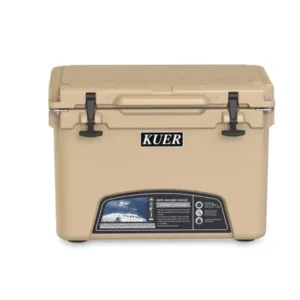
Insulation and build quality drive price. High-performance thick-wall rotomolded coolers cost more upfront, but they deliver far longer ice life and last for many seasons.
Budget priority order
- Solid insulation and a tight lid seal
- Durable hinges, latches, and construction
- Portability features (wheels, handles)
- Accessories (baskets, dividers, dual-zone cooling)
Accessories like baskets can be added later — never sacrifice core cooling performance for extra features. Also factor in ongoing costs: passive coolers require ongoing ice purchases, while electric models rely on campsite power access.
Pro tip: Base your budget on the trip you take most often, not the most extreme trip you might take someday. This keeps the purchase practical and cost-effective.
FAQ
How do I pick the right cool box size?
Start with your number of people and number of nights. Extra space for ice improves cold retention, so size up if you are unsure. Always check the loaded weight to make sure you can lift and move it comfortably.
When is an electric cool box worth it?
Electric cool boxes make sense when you have a guaranteed power hookup at your campsite. They eliminate daily ice runs and hold a steady temperature for long stays. For sites without power, a passive ice cooler is the only practical option.
What makes ice last longer in a camping cooler?
Thick insulation and a tight lid seal are the two biggest factors. Pre-chilling the cooler the night before, using extra ice packs, and keeping the box in shade all extend ice life significantly.
What are the most important cooler features?
Wheels and wide handles make moving a full load much easier. A drain plug simplifies cleanup. For long-term durability, confirm the cooler has strong hinges and secure latches — these protect the insulation and determine the box’s usable lifespan.


 Request a quote
