

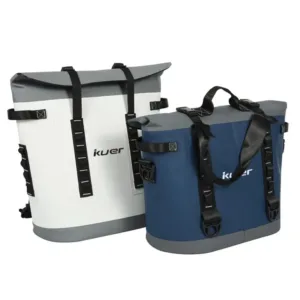
Yes, you can safely wash cooler bags and insulated lunch bags — as long as you follow the care label and use the right method for the material. When done correctly, washing will not damage the foam insulation or waterproof liner. There are three standard cleaning methods: hand washing (safest for most designs), gentle machine washing (only if the label approves), and spot cleaning for small, fresh messes.
Proper regular cleaning prevents odors, stains and mold, and helps your cooler bag retain its cold-holding performance for years.
Key Takeaways
- Always check the care label first to confirm the safest washing method for your specific bag.
- Hand washing with mild soap and a damp cloth is the recommended method for nearly all soft-sided cooler bags.
- Only use a gentle, cold-water machine cycle if the care label explicitly allows machine washing.
- Spot clean fresh spills immediately with a damp cloth to avoid deep stains and odor buildup.
- Always air dry the bag fully inside out in a well-ventilated spot to prevent mold and protect the insulation.
3 Safe Methods to Wash Cooler Bags
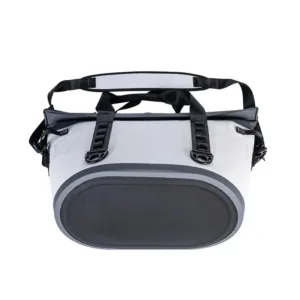
The right method depends on your bag’s materials and how soiled it is. Always defer to the manufacturer’s care tag for model-specific rules.
1. Hand Washing (Safest for Most Bags)
Hand washing is the gentlest, most reliable method for almost all soft-sided insulated lunch bags. It avoids over-soaking the foam insulation layer. Follow these steps:
- Fill a basin with warm water and add a small amount of mild dish soap.
- Dip a soft cloth in the sudsy water, wring it out fully, and wipe down the interior liner.
- Pay extra attention to corners and seams, where crumbs and spilled food collect.
- Rinse the cloth with clean water and wipe away all soap residue.
- Turn the bag inside out and leave it to air dry completely in a well-ventilated area.
Important: Never fully submerge a cooler bag in water. Water can seep through seams into the foam insulation layer, reducing cooling performance and causing mildew.
2. Machine Washing (Only If Label-Approved)
Some fabric-only soft coolers are safe for machine washing, but many are not — always confirm with the care tag first. Rigid-frame or hard-base cooler bags should never go in the washing machine. If the label allows machine washing:
- Select a gentle, cold-water cycle.
- Use a small amount of mild detergent.
- Skip the high-speed spin cycle if possible, as heavy agitation can warp the liner and crush the foam insulation.
3. Spot Cleaning (For Small, Fresh Messes)
Light spills and surface marks rarely need a full wash. Spot cleaning saves time and limits moisture exposure for the insulation.
- Blot fresh spills with a dry cloth first to soak up excess liquid.
- Wipe the area with a damp, soap-free cloth, working from the center outward to avoid spreading the stain.
- Add a tiny drop of mild soap only for sticky residue, and wipe clean with a fresh damp cloth afterward.
- Let the area air dry fully before closing the bag.
How to Remove Odors and Stubborn Stains from Cooler Bags
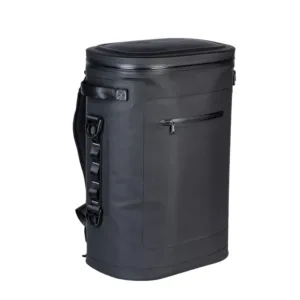
Spills that sit too long can cause lingering smells or set-in stains. Address them as soon as you notice them for the best results.
Odor Removal
For stale or food-smelling interiors:
- Vinegar spray: Mix equal parts white vinegar and water in a spray bottle. Lightly mist the interior liner, then leave the bag open to air dry fully. Vinegar neutralizes odors and inhibits bacteria without harsh chemicals.
- Baking soda: For persistent odors, sprinkle a thin layer of baking soda inside the bag, close it, and leave it overnight. Shake out all powder the next morning and wipe the liner clean.
Greasy & Set-In Stains
For oily or sticky spills:
- Blot excess grease with a dry paper towel first.
- Apply a tiny amount of mild detergent to a damp cloth and gently dab the stain. Do not scrub hard, as this can fray fabric or damage the waterproof liner.
- Wipe away soap residue with a clean damp cloth, then air dry.
- For terrycloth-lined bags, use the same gentle dabbing method to avoid fraying fibers.
Daily Care and Proper Storage of Cooler Bags
Regular quick maintenance reduces the need for deep washes and extends the life of your cooler bag.
- Wipe the interior liner with a damp cloth after every use to remove crumbs and small spills.
- Always leave the bag open to air dry fully before storing. Never fold or zip up a damp cooler bag — trapped moisture causes mold and mildew.
- Never put an insulated cooler bag in a clothes dryer. High heat warps the waterproof liner and breaks down the foam insulation layer.
- Store the bag open or loosely zipped in a cool, dry cupboard, away from damp floors.
Many high-quality soft coolers are made with waterproof, mildew-resistant materials such as 840D nylon/TPU with a food-grade liner. These surfaces wipe clean easily and stand up well to regular gentle cleaning.
FAQ
Can you put a cooler bag in the dryer?
No. High heat from a dryer will warp the waterproof liner and break down the foam insulation layer. Always line dry cooler bags inside out in a well-ventilated area to protect performance and prevent mold.
Does washing a cooler bag ruin its insulation?
No, not when done correctly. Gentle hand washing with mild soap and a damp cloth will not damage the insulation layer. The biggest risks are full submersion, high heat, and harsh scrubbing, which can break down foam and warp liners.
How often should you wash an insulated lunch bag?
Wipe the interior after every use to prevent buildup. Do a full deep hand wash every 2–4 weeks, or immediately after any spilled food or noticeable odor.
Is vinegar safe to use on cooler bag liners?
Yes. A diluted 50/50 white vinegar and water solution safely neutralizes odors and inhibits bacteria without damaging food-grade liners. Mist lightly, leave to air dry, and wipe clean before next use.
Can mold grow inside a cooler bag?
Yes, if the bag is stored while damp. Trapped moisture in seams or the insulation layer creates ideal conditions for mold and mildew. Always dry the bag fully inside out after washing, leave it open to air between uses, and store it in a dry location.

 Request a quote
