
Yes, you can safely use dry ice in a hard-sided cooler — as long as you use a properly insulated model and follow critical safety rules for handling and ventilation. Dry ice delivers far colder temperatures than regular ice with no messy melt water, making it ideal for camping trips, frozen food transport, and tailgates. A few simple precautions prevent frostbite, pressure buildup, and cooler damage.
Key Takeaways
- Use dry ice only in thick-insulated hard-sided coolers with a working drain or vent for gas escape.
- Never touch dry ice with bare skin — always wear thick insulated gloves or use tongs to avoid instant frostbite.
- Keep the cooler drain plug open to let carbon dioxide gas escape and prevent pressure buildup, cracking, or bursting.
- Wrap dry ice in newspaper, cardboard, or towels, and separate it from food with barriers to prevent freezer burn.
- Dry ice lasts roughly 18–24 hours in a well-insulated hard-sided cooler.
Cooler Requirements for Dry Ice Use
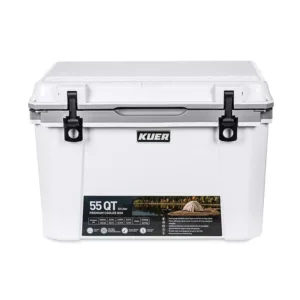
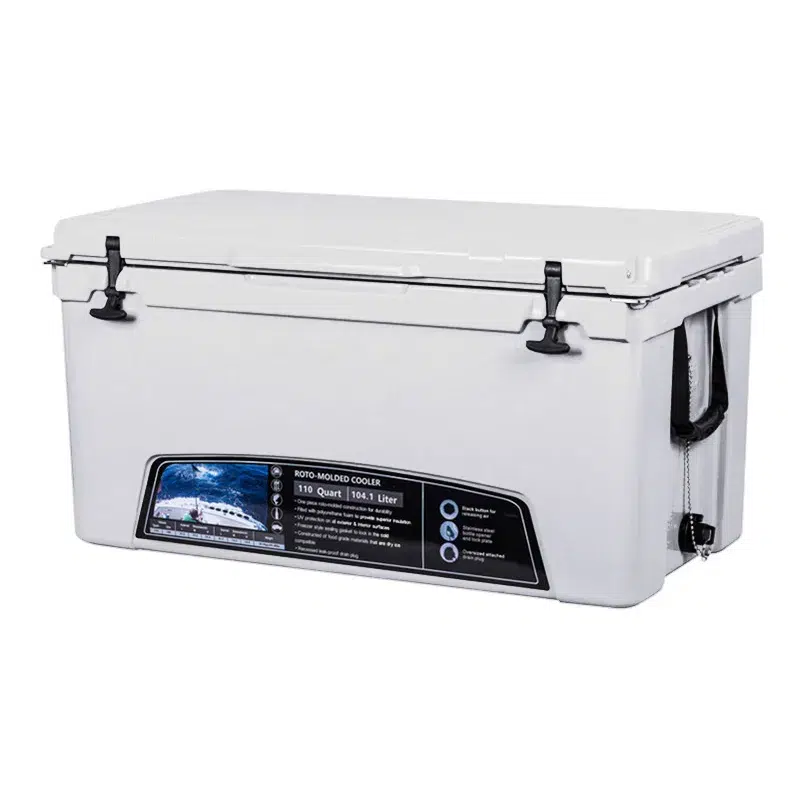
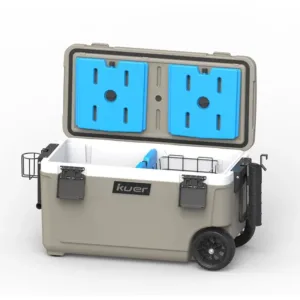
Not all hard-sided coolers are suitable for dry ice. The best models have thick, rotomolded walls with at least 2 inches of PU foam insulation, a tight EVA gasket seal, and a functional drain plug that can act as a vent. For example, KUER hard coolers (20QT to 75QT sizes) meet these standards, holding regular ice for 5–7 days in normal outdoor conditions.
Thicker walls slow sublimation and protect plastic from extreme cold damage. Even with a tough shell, never let dry ice touch plastic directly — use cardboard, foam separators, or thick paper as a buffer to prevent cold spots and freezer burn on the cooler walls.
Why Ventilation Is Non-Negotiable
Dry ice does not melt — it sublimates directly from solid to carbon dioxide (CO₂) gas. One pound of dry ice produces 8.3 cubic feet of CO₂ gas, and the process runs continuously at room temperature.
Without an escape path, pressure builds inside a sealed cooler and can cause swelling, cracking, or even bursting. Leaving the drain plug open gives gas a safe exit route.
CO₂ is heavier than air and sinks to low points in enclosed spaces. In a closed car, tent, or room, buildup can cause dizziness, rapid breathing, confusion, or loss of consciousness. Always transport dry-ice coolers in the cargo area (never the passenger cabin) and crack windows for airflow during transport.
How to Pack Dry Ice in a Hard-Sided Cooler
Follow these steps for safe, long-lasting dry ice cooling:
- Buy right before use: Purchase dry ice the day of or night before your trip. Never store dry ice in a fully airtight container.
- Choose your form: Blocks sublimate slower for long weekend trips; pellets freeze items faster for quick picnics or drink chilling.
- Wrap for insulation and protection: Wrap blocks in newspaper, thick towels, cardboard, or kraft paper. This slows sublimation and shields cooler walls from extreme cold. Crumple paper into gaps to reduce air circulation.
- Separate from food: Never let dry ice touch food or drinks directly — it causes freezer burn and ruins texture. Use cardboard, foam sheets, or the cooler’s built-in baskets/dividers as barriers.
- Choose your layout:
- Bottom placement: Keeps items cold longest
- Top placement: Freezes items faster
- Side placement: Separates dry ice and food with a divider for easy access
- Fill gaps: Stuff empty space with crumpled newspaper or foam blocks to slow warm air infiltration.
- Pre-chill first: Chill the cooler and contents beforehand to avoid wasting dry ice cooling warm items.
Critical rule: Always keep the cooler box drain plug open to let CO₂ gas escape. Never place heavy weight on top of a dry-ice-filled cooler.
Dry Ice Safety Precautions
Frostbite Prevention
Dry ice is -109.3°F — cold enough to cause severe frostbite on bare skin in seconds, often without immediate pain.
- Always handle dry ice with thick insulated gloves or tongs.
- If bare skin touches dry ice: Move to a warm area, soak the area in lukewarm (not hot) water for 15–30 minutes, and do not rub or massage the injury. Seek medical care for severe burns, blisters, or white/grayish-yellow discolored skin.
Carbon Dioxide Safety
- Never seal a cooler with dry ice inside — pressure will build and can rupture the container.
- Early CO₂ exposure symptoms: Headache, dizziness, rapid breathing, confusion, fast heartbeat. Move to fresh air immediately if symptoms appear; seek medical help if they worsen.
- Never use dry ice in unventilated rooms, tents, or passenger vehicle cabins.
How Long Does Dry Ice Last in a Cooler?
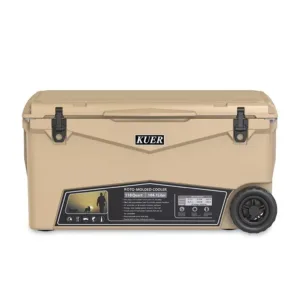
In a well-insulated rotomolded cooler, dry ice lasts roughly 18–24 hours. Exact time depends on block size, outside temperature, and how often you open the lid. Large blocks, minimal lid openings, and shaded placement can extend life closer to 48 hours; hot weather and frequent access can cut it to less than a day.
Tips to Extend Dry Ice Life
- Pre-chill the cooler with regular ice or frozen bottles the night before
- Use one large block instead of small pellets (less surface area = slower sublimation)
- Wrap blocks in newspaper or cardboard for extra insulation
- Fill empty gaps with crumpled paper or foam
- Keep the cooler in a shaded spot, away from sunlight and warm surfaces
- Open the lid as infrequently as possible
FAQ
Can you put dry ice in any hard-sided cooler?
No. The cooler needs thick insulation, a tight gasket, and a working drain/vent. Rotomolded models with 2+ inches of PU foam work best.
Is it safe to put dry ice in a cooler with food?
Yes, as long as dry ice never touches food directly. Wrap blocks in paper/cardboard and use a divider to prevent freezer burn while still allowing cold air circulation.
What happens if you seal a cooler with dry ice inside?
Pressure builds as dry ice sublimates into CO₂ gas, which can crack or burst the cooler. Always keep the drain plug open to let gas escape safely.



 Request a quote
