

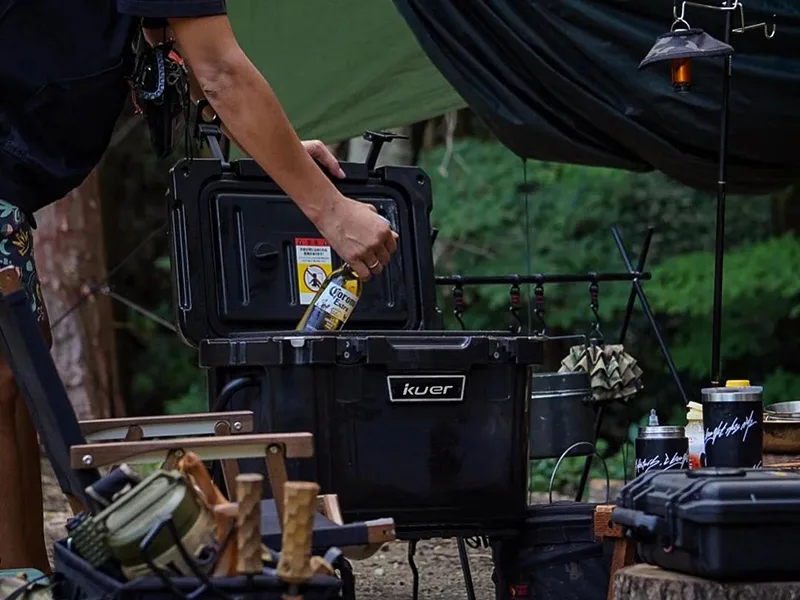
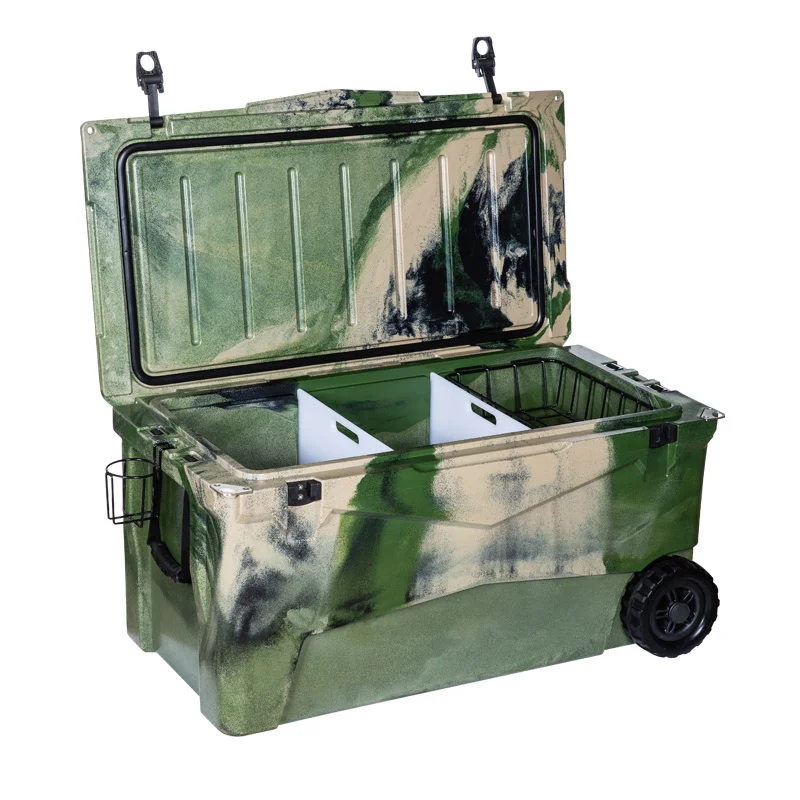
Most people believe that hard-sided coolers are better suited for everyday use than foam coolers. Hard-sided coolers keep things cold longer, have a longer lifespan, and are less prone to damage. Some coolers, such as the KUER 110QT, even come with wheels and latches, making them even more convenient to use. Foam coolers are suitable for short trips or one-time events. They are easily damaged and don’t keep things cold for very long. You should choose the right cooler based on how long you need to keep things cold.
Key Takeaways
- Hard-sided coolers keep things cold longer than foam coolers. Suitable for camping or long trips.
- Foam coolers are lightweight and inexpensive. Suitable for short activities or one-day trips.
- Consider the durability of the cooler. Hard-sided coolers are more durable and less prone to damage than foam coolers.
- Understand the type of insulation material. Rotomolded hard-sided coolers offer the longest ice retention, keeping things cold for several days.
- Consider environmental factors. In the long run, hard-sided coolers generate less waste, while foam coolers contribute to pollution.
Cooler Insulation Types Compared
Choosing the right cooler insulation material helps extend the time food stays cold. Each type of insulation material has its unique working principle. There are three main types: foam, hard-sided, and soft-sided. The following sections will describe how each type works and its characteristics.
Styrofoam Cooler Insulation
Foam coolers use expanded polystyrene foam for insulation. This foam traps air in tiny pockets, slowing down the transfer of heat into the cooler. People typically use foam coolers for short trips or day trips. These coolers are very lightweight and less expensive than other types of coolers. However, foam coolers are prone to cracking or damage. Once damaged, the cooler can no longer maintain a low temperature.
Tests show that foam coolers have decent ice retention. The table below shows the cooling time for different types of insulated coolers:
| Cooler Type | Average Cold Retention Time (hours) | Standard Deviation (hours) |
|---|---|---|
| Injection Molded | 38.62 | ± 8.53 |
| PS Foam (Styrofoam) | 54.32 | ± 19.33 |
| Rotomolded | 63.72 | ± 13.56 |
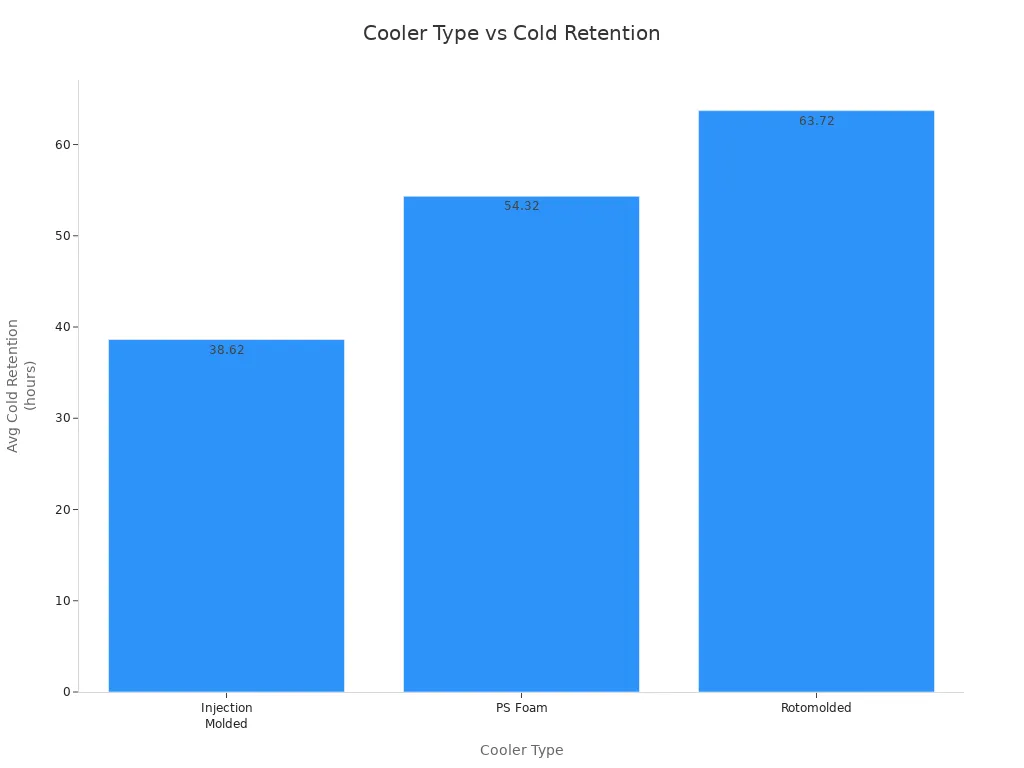
The chart shows that styrofoam coolers sometimes have a longer cooling time than injection-molded coolers. However, styrofoam coolers are not as durable as rotomolded coolers. Styrofoam coolers are best suited for short-term use.
Hard-Sided Cooler Insulation
Hard-shell coolers use thick plastic walls and high-density foam. Rotomolded coolers, such as the KUER 110QT Rotomolded Hard-Shell Cooler B, are robust and offer excellent cooling performance. These coolers feature thick walls and a high-density polyurethane foam liner. This design allows ice to stay frozen and beverages to remain cold for days.
The KUER 110QT Rotomolded Hard-Shell Cooler B can keep contents cool for up to a week. This makes it ideal for camping, fishing, or long outdoor trips. The table below compares the KUER model with other hard-sided coolers:
| Cooler Model | Ice Retention Duration | Insulation Type / Features |
|---|---|---|
| KUER 45-Quart Large | 5 to 7 days | Rotomolded, thick foam, airtight seal |
| YETI Tundra 45 | 4+ days (97 hours) | Premium rotomolded, 3-inch insulation |
| RTIC 52 QT Ultra-Light | 5+ days | Injection-molded, thick insulation |
| Canyon Pro 45 | 5+ days | Rotomolded, thick insulation |
| Bison 50 QT | Up to 7 days | Rotomolded, dense insulation |
| Engel 45 | 7-10 days | Rotomolded, premium insulation |
In most cases, hard-sided coolers outperform foam coolers. Thick foam and tight seals prevent warm air from entering and keep cold air inside. Those who need to keep items cold for extended periods should choose a hard-sided cooler.
Soft-Sided Cooler Insulation
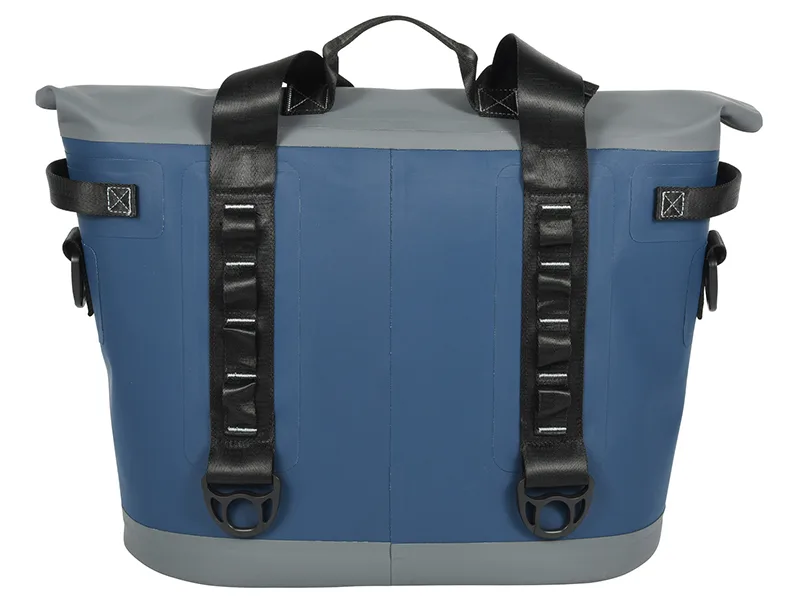
Soft-sided coolers use flexible fabric and thin foam. These coolers are lightweight and easy to carry. Many people use soft-sided coolers for picnics, lunches, or short trips. Soft-sided coolers do not insulate as well as foam or hard-sided coolers. Most soft-sided coolers can only keep things cold for a few hours.
Soft-sided coolers are easy to carry and use. However, their insulation is not as effective as rotomolded or foam coolers. If you need to keep food cold for extended periods, you should choose a different type of cooler.
Tip: Pre-cool your cooler before adding food and drinks. This helps improve insulation performance.
Cooler Performance: Keeping Items Cold
Cooler Ice Retention
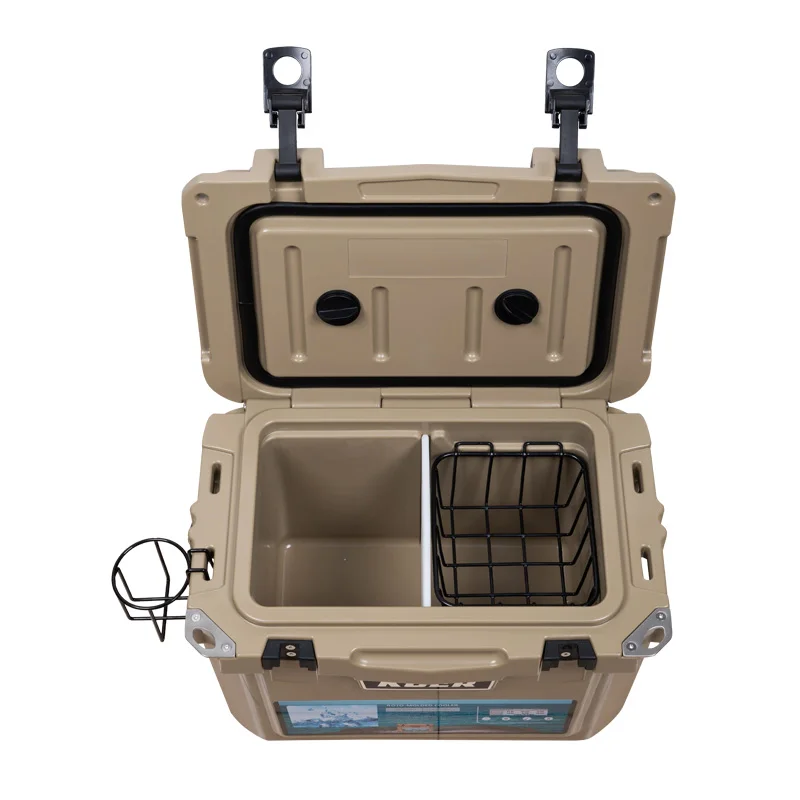
Cooling performance refers to the length of time a cooler can keep ice from melting. This feature is often considered when planning camping trips or outdoor activities. A cooler with good cooling performance ensures that food and drinks stay safe and fresh. Hard-sided coolers, especially rotomolded models, excel in cooling performance. For example, the KUER 110QT rotomolded hard-sided cooler can keep ice frozen for up to a week. This makes it a top choice for extended camping adventures.
Foam coolers also offer good cooling performance. They utilize air pockets within the foam to slow down heat transfer. On average, foam coolers can keep items below 6°C for approximately 54 hours. Injection-molded plastic coolers don’t retain cold as long as foam coolers, typically only maintaining low temperatures for about 39 hours. However, rotomolded hard-sided coolers like the KUER 110QT can keep items cold for over 63 hours. This means they are best suited for those who need to keep items refrigerated for extended periods.
Note: The cooling performance of a cooler depends on the quality of the insulation material and the tightness of the seal. Always ensure the lid is tightly closed for optimal results.
Cooling Warm Items
Sometimes, people need to cool items that are initially warm. This often happens during camping or picnics, as beverages or food may not have been pre-chilled. The type of cooler affects how quickly it cools these items and how long it maintains a low temperature.
- Foam coolers maintain low temperatures longer than injection-molded plastic coolers.
- On average, foam coolers can keep items below 6°C for approximately 54 hours.
- Injection-molded coolers warm up faster, with a cooling time of about 39 hours.
- Rotomolded hard-sided coolers outperform both, keeping items cold for approximately 64 hours.
Hard-sided coolers with thick insulation, like the KUER 110QT, can quickly cool warm items and maintain low temperatures for several days. This makes them ideal for camping, fishing, and long trips. Foam coolers are suitable for short trips or when a lightweight option is needed. However, for extended use, hard-sided coolers are more effective.
Those seeking the best cooling performance should choose a rotomolded hard-sided cooler. It’s suitable for camping, outdoor parties, and any occasion requiring extended cooling. Durability: Foam Coolers vs. Hard-Sided Coolers
Durability: Styrofoam vs Hard-Sided Coolers
Cooler Fragility and Longevity
Foam coolers are easily broken when dropped or bumped. They are lightweight and portable, but this also means they are not very durable. Most foam coolers will only last for a few uses before showing signs of damage. Hard-sided coolers are made with thick plastic and sturdy foam materials. These materials allow them to resist dents and scratches. People who want a cooler that will last for many years usually choose hard-sided coolers.
The table below shows the ice retention time and lifespan of each type of cooler:
| Cooler Type | Ice Retention Duration |
|---|---|
| Styrofoam Cooler | 12-24 hours (water ice) |
| Hard-sided Cooler | Up to 4.5 days |
Hard-sided coolers are much more durable than foam coolers. Their robust construction allows them to withstand rough handling and harsh outdoor environments. For people who frequently camp, fish, or travel, the durability of a cooler is crucial.
Cooler Outdoor Use and Handling
Outdoor adventures are a great test of a cooler’s strength. Foam coolers are easily damaged if dropped or impacted. Their corners can easily chip, and the lid may not remain sealed after a fall. Hard-sided coolers are much more resistant to rough treatment. They remain sturdy and durable even after drops or impacts.
- The Orca Wanderer cooler features a plastic frame and sturdy latches. It remained intact after being dropped from nearly 9 feet high, although the lid opened several times during the fall.
- The Engel HD30 cooler, while not a hard-sided cooler, boasts an ice retention time of up to four days and only showed minor scuffs after rough use.
Hard-sided coolers are ideal for camping, hiking, and fishing. Their robust design protects food and drinks. People rely on them for long trips and harsh environments. Foam coolers are suitable for short trips, but they don’t offer the same durability.
Tip: For outdoor trips that require strong protection and extended cooling, choose a hard-sided cooler.
Cost and Value of Coolers
Cooler Upfront Price
When people buy coolers, price is often the first factor they consider. Styrofoam coolers are usually the cheapest. Many stores sell them for just a few dollars. These coolers are practical for people who need a quick solution for cooling food and drinks for a picnic or a single event. Plastic coolers, especially hard-sided coolers, have a higher initial price. The price depends on the size, brand, and features. A basic plastic cooler might cost between $20 and $50. High-end models, such as the KUER 110QT, are more expensive because they offer superior insulation and additional features, such as wheels and drain plugs.
Tip: People planning to use a cooler multiple times should consider spending more money on a higher-quality product.
The table below compares the average initial price range for each type of cooler:
| Cooler Type | Average Price Range |
|---|---|
| Styrofoam | $5 – $15 |
| Soft-Sided Plastic | $20 – $60 |
| Hard-Sided Plastic | $40 – $400+ |
Cooler Replacement and Long-Term Value
Styrofoam coolers are easily damaged. People often need to buy a new one after only a few uses. This increases the total cost over time. Plastic coolers last longer. Hard-sided coolers can last for many years, even with frequent outdoor use. They are crack-resistant, dent-resistant, and leak-proof. Many families use the same plastic cooler year after year for camping, fishing, and road trips.
A high-quality cooler with excellent insulation can save money in the long run. It keeps food safe and drinks cold for longer. People don’t need to replace it as often. This is a smart investment for anyone who enjoys outdoor activities.
Note: Choosing a durable cooler helps reduce waste and saves money in the long term.
Environmental Impact of Cooler Types
Cooler Materials and Waste
Coolers are made from different materials. Each material impacts the environment in different ways. Styrofoam coolers use expanded polystyrene, or EPS. EPS comes from crude oil. Factories use steam and heat to expand it. EPS is lightweight and inexpensive. However, it does not decompose in nature. If people discard styrofoam coolers, they will pollute land and water for a long time.
Plastic hard-sided coolers use polyethylene or similar plastics. These also come from petroleum. Some companies are now using better materials. For example:
- Igloo produces coolers made from sugarcane bioplastics. These coolers use less petroleum and have a lower carbon footprint.
- Igloo uses a new foam material called Thermecool. This foam is more environmentally friendly than regular polystyrene foam.
- Some brands produce coolers made from paper pulp. These coolers are biodegradable and do not pollute the environment.
People should consider the lifespan of a cooler. Hard-sided coolers can last for many years. Polystyrene foam coolers break down after only a few uses, creating more waste.
Cooler Recyclability
Recycling coolers can be difficult. Polystyrene foam (EPS) is recyclable, but most recycling centers do not accept it. EPS breaks into small pieces and scatters everywhere, making cleanup very difficult. If not recycled, polystyrene foam can persist in the environment for hundreds of years.
Hard plastic coolers are easier to recycle. Polyethylene and similar plastics are accepted in many places. Some companies collect old coolers and turn them into new products. Coolers made from bioplastics and paper pulp are better suited for recycling or composting.
Tip: Always check local recycling regulations before discarding a cooler. Choosing a cooler with a longer lifespan helps reduce waste and protect the environment.
Cooler Convenience and Portability
Cooler Weight and Transport
Weight and transport are important considerations when choosing a cooler. Polystyrene foam coolers are very lightweight. People can lift them with one hand, but they are easily damaged if bumped or dropped. For most users, soft-sided coolers are the lightest option. Most soft-sided coolers weigh between 2 and 4 pounds. Even the largest models rarely weigh more than 7 pounds. Many soft-sided coolers come with padded shoulder straps and sturdy handles. These designs make them easy to carry, even for long walks. High-end soft-sided coolers also add extra padding for increased comfort.
Hard-sided coolers are heavier than other types of coolers. Their thick walls and sturdy construction add to the weight. Some large models, such as the KUER 110QT Rotomolded Hard Cooler B, are equipped with wheels for easier mobility. Wheels help users easily drag the cooler across sand, grass, or sidewalks. The ergonomic handle also makes lifting easier. These features make even heavy coolers a portable option for outdoor trips.
Cooler Cleaning and Storage
Proper cleaning and storage of your cooler will extend its lifespan. Hard-sided coolers should be hand-washed with mild soap and warm water. Users should avoid machine washing. After cleaning, air drying prevents mold and odor growth. Features like the drain plug on the KUER 110QT allow for quick and easy draining of melted ice water.
Soft-sided coolers require gentle cleaning. Some can be machine washed, but hand washing helps maintain the insulation’s performance. Air drying is the best way to prevent mold growth. Styrofoam coolers have no special cleaning requirements. Most people wipe them clean after use or simply discard them.
All coolers should be stored in a cool, dry place. Avoiding direct sunlight helps protect their insulation properties. Regular cleaning and proper storage help extend the lifespan and improve the performance of your cooler.
Best Uses for Styrofoam and Plastic Coolers
Cooler One-Time Events
Foam coolers are ideal for short trips. People commonly use them for picnics, beach trips, or parties. These coolers offer several convenient features:
- They are lightweight and easy to carry.
- They are inexpensive and affordable for everyone.
- They float on water, making them suitable for use near water.
You can take a foam cooler on a picnic or fishing trip. It will keep drinks and snacks cold for several hours. After your trip, you can simply discard or recycle it. No cleaning or storage is required. These coolers are a convenient size for small groups. For one-time use, a foam cooler is a simple choice.
Frequent Outdoor Use
People who frequently engage in outdoor activities need a durable cooler. Both hard-sided and soft-sided coolers can meet this need. Each type of cooler is suitable for different uses. Hard-sided coolers are sturdy and provide longer cooling times. Campers, hunters, and fishermen prefer hard-sided coolers for longer trips. These coolers protect food and drinks from heat and impacts. Many hard-sided coolers come with wheels and sturdy handles for easy transport.
Soft-sided coolers are suitable for everyday use and short trips. Hikers, cyclists, and students prefer soft-sided coolers because they are lightweight and easy to fold. Many soft-sided coolers come with soft shoulder straps and extra pockets. When not in use, you can fold soft-sided coolers. This makes them easy to store at home or in your car. Soft-sided coolers are also easy to clean after each trip.
The table below shows which type of cooler is best for each activity:
| Activity | Best Cooler Type |
|---|---|
| Camping (multi-day) | Hard-sided coolers |
| Beach day | Soft-sided coolers |
| Hiking | Soft-sided coolers |
| Fishing trip | Hard-sided coolers |
| School lunch | Soft-sided coolers |
Tip: Use hard-sided coolers for long trips and harsh environments. Choose soft-sided coolers for everyday use and portability.
Hard-sided coolers are the preferred choice for most people. They can keep food cold for extended periods. These coolers protect the contents from damage. You can sit on them or place items on top. Hard-sided coolers are made of durable materials and are built to last. Foam coolers are suitable for short trips or single events. They are inexpensive but easily damaged. Foam coolers can also be environmentally unfriendly.
| Consideration | Styrofoam Coolers |
|---|---|
| Insulation Thickness | At least 1.5 inches recommended |
| Structural Integrity | Reinforced rims help prevent cracks |
| Intended Use | Short-term or extended events |
People should choose a cooler that suits their plans. If you camp frequently, a hard-sided cooler like the KUER 110QT is the best option. For short trips, a foam cooler is convenient.
FAQ
Which type of cooler keeps ice the longest?
Rotomolded hard-sided coolers (such as the KUER 110QT) keep ice the longest. These coolers feature thick insulation and a well-sealed design. Most coolers can keep ice for several days, even in hot weather.
Are foam coolers safe for food?
Yes, foam coolers are safe for food if used according to instructions. Avoid placing hot items inside. Always check for cracks or damage before use.
How do I clean a hard-sided cooler?
Use mild soap and warm water. Scrub the inside with a soft cloth or sponge. Rinse thoroughly and allow the cooler to air dry. Drain plugs, like the one on the KUER 110QT, make cleaning easier.
Which type of cooler is best for camping?
| Cooler Type | Best For |
|---|---|
| Hard-sided | Multi-day trips |
| Soft-sided | Day hikes |
| Styrofoam | One-time events |
Hard-sided coolers are best for camping. They keep food cold and safe for several days.

 Request a quote
