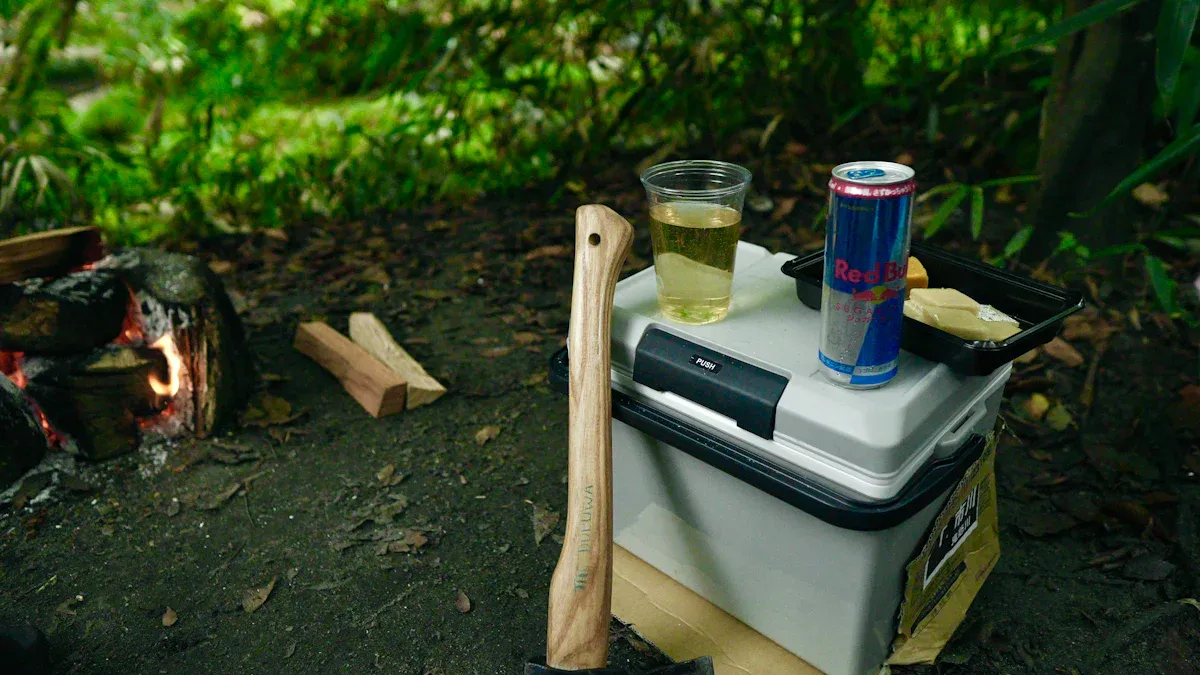

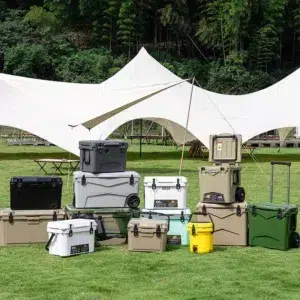
You might be wondering: Is there a difference between a “Cooler Box” and a “Cooler”? Many people use these two terms interchangeably to refer to the same item. However, they do sometimes designate distinct types of products. This difference in terminology can also depend on your geographic location; in some regions, people tend to use the term “Cooler” more frequently, while in others, it is customary to say “Cooler Box.” Furthermore, each term may occasionally refer specifically to a particular style or design aesthetic. Understanding these distinctions will help you select the product that best suits your needs.
Key Takeaways
- A cooler is a sturdy and durable container capable of keeping food and beverages cold for up to seven days, making it ideal for extended outdoor trips.
- Coolers come in a wide variety of types, ranging from soft-sided bags to hard-sided chests. Soft-sided coolers are lightweight and easy to carry, making them well-suited for short excursions.
- When selecting a cooler, consider the duration of your trip. Hard-sided coolers are better suited for long-duration trips, while soft-sided coolers are more appropriate for shorter outings.
- When making your selection, pay close attention to the thickness of the insulation and the quality of the seal, and verify that the cooler is easy to transport. These factors will help you choose the cooler that best meets your needs.
- For large gatherings, opt for a cooler with a high storage capacity; for smaller events, a medium-sized cooler or an insulated bag will suffice.
What Is a Cooler Box?
Key Features
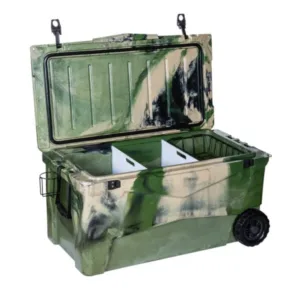
An insulated cooler is a sturdy container capable of maintaining low temperatures for food and beverages over extended periods. More durable than standard coolers, it features thick walls filled with specialized foam that effectively blocks heat from entering. The lid fits snugly to ensure that cold air does not escape. Even when the cooler is heavy, its handles and wheels allow for easy transport.
The table below lists the differences between insulated boxes and other types of cold storage boxes:
| Cooler Type | Construction Method | Insulation Performance | Ideal Use Cases |
|---|---|---|---|
| Rotomolded Coolers | Rotational molding | 5–7 days | Camping, fishing, cold chain transportation |
| Injection-molded Coolers | Injection molding | 3–5 days | Family gatherings, short trips, commercial deliveries |
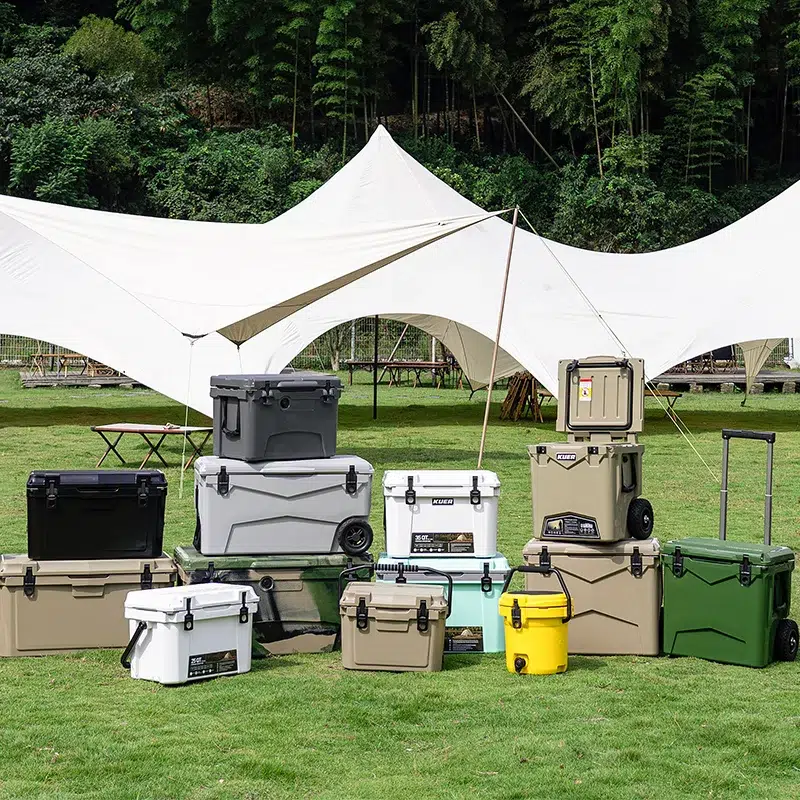
The KUER cooler is an excellent example. It utilizes a rotomolding process, making it robust and durable. Its PU foam insulation layer keeps ice frozen for up to 7 days. The lid features a sealing gasket to prevent air leakage. You can also add cup holders or a cutting board as needed.
Some key features of a cooler box include:
- Thick walls capable of maintaining low temperatures for extended periods
- A sealing gasket and lid
- Easy-to-grip handles and wheels
- A drain plug for conveniently draining melted ice
- Additional accessories for added convenience
Common Uses
You can use a cooler for a wide variety of outdoor activities. It is ideal for camping, fishing, hiking, and various other outdoor pursuits. People also frequently use it for travel or group outings. Its sturdy construction and cooling capabilities ensure that food and beverages remain safe and fresh.
When planning a trip or activity, a cooler keeps food and beverages chilled, ensuring they are ready to be enjoyed at any time. It performs reliably—even in hot weather or challenging environments.
What Is a Cooler and How Does It Differ from a Cooler Box?
Main Characteristics
You may have heard the term “cooler” in many different contexts. In North America, people typically use “cooler” to refer to any container designed to keep food and beverages cold. In other regions, however, you might more frequently hear the term “coolbox.” Depending on where you live, the specific meaning of “cooler” can vary.
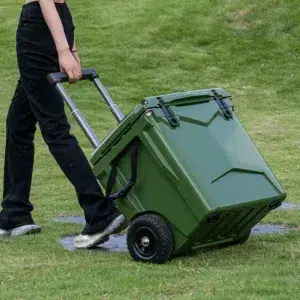
Coolers come in a wide variety of shapes and sizes. You can find both soft-sided cooler bags and hard-sided cooler boxes. Soft-sided bags are made from flexible materials and typically feature shoulder straps or a backpack-style design. Hard-sided coolers, on the other hand, are constructed from rigid plastic and equipped with sturdy carrying handles. Some coolers resemble small bags, while others look more like boxes.
The table below can help you understand their main differences:
| Characteristic | Soft Cooler Bags | Hard Cooler Boxes |
|---|---|---|
| Design Options | Many styles and colors | Simple and classic |
| Portability Features | Strap and Backpack Options | Rigid handles |
| Insulation and Performance | Advanced insulation, sometimes better | Good insulation, but not always best |
Soft-sided insulated bags are lightweight and easy to carry, making them suitable for short trips or daily use. Hard-sided insulated bags, on the other hand, offer better protection for your belongings and are an ideal choice for long-distance travel.
Typical Uses
Coolers have a wide range of uses. In North America, people take coolers to sporting events, beach vacations, camping trips, and outdoor gatherings. In Europe, coolers are also popular for outdoor social activities and parties. Many campers use coolers to keep their food and drinks fresh while traveling.
Here are some common scenarios for using a cooler:
- Sporting events
- Beach vacations
- Camping trips
- Outdoor meals
- Outdoor gatherings
No matter where you are, a cooler allows you to enjoy ice-cold drinks and keep your food fresh. For short outings, you can opt for a soft-sided cooler bag; for longer journeys, a hard-sided cooler box is the ideal choice. Both types of coolers ensure you stay refreshed and ready to have fun at any moment.
Cooler Box vs. Cooler: Main Differences
Design & Build
The manufacturing processes for hard-sided coolers and soft-sided cooler bags differ significantly. Hard-sided coolers are typically constructed using robust materials—such as rotomolded high-density polyethylene (HDPE). This manufacturing technique endows the cooler with a rigid, seamless shell, making it ideally suited for outdoor adventures. Many hard-sided coolers (such as those from KUER) feature thick walls and tightly sealing lids; these structural elements effectively insulate against external heat and withstand physical impacts, thereby ensuring the safety and freshness of the food and beverages stored inside.
Cooling containers come in a wide variety of styles. Some products are manufactured using injection-molded plastics; while lightweight, they tend to be somewhat less durable. Others utilize materials such as expanded polystyrene or polypropylene; these options are less expensive to produce but may be more susceptible to damage. Cooler bags, on the other hand, typically combine soft fabrics with flexible insulation layers, offering the distinct advantages of being lightweight and highly portable. In terms of physical protection for their contents, however, hard-sided coolers generally outperform soft-sided cooler bags.
The table below illustrates how different materials influence product performance:
| Material Type | Properties | Impact on Performance |
|---|---|---|
| Rotomolded HDPE | Rugged, seamless | Exceptional durability—ideal for high-end coolers. |
| Polypropylene | Cost-effective, moderate strength | Excellent value for money, with outstanding thermal insulation performance. |
| PU Foam | Excellent thermal resistance | Capable of keeping contents at a low temperature for an extended period. |
| Expanded Polystyrene | Good insulation | Minimizes heat transfer |
| Extruded Polystyrene | High thermal resistance | Retains cold temperatures well |
If you want a sturdy container that ensures the safety of your items, choose a cooler.
Insulation & Cooling
When selecting a cooler, insulation performance is a critical factor to consider. Typically, coolers feature a thick internal layer of polyurethane (PU) foam insulation; thanks to this design, they are capable of keeping ice and beverages cold for several days. Benefiting from its superior insulation structure, KUER coolers can maintain their cooling capacity for up to 7 days.
In contrast, coolers featuring injection-molded bodies typically possess thinner insulation layers. While these products are sufficient for short excursions, they fall somewhat short in terms of long-term cooling retention. As for soft-sided coolers, their use of flexible insulating materials limits them to providing cooling for only a few hours, making them unsuitable for the cooling demands of extended trips.
The table below compares the cooling duration and insulation performance of various types of coolers:
| Cooler Type | Average Cold Time (hours) | Durability | Insulation Type |
|---|---|---|---|
| Injection Molded | 38.62 | Less durable | Thinner insulation |
| Rotomolded | 63.72 | More durable | Thicker insulation |
| PS Foam | 54.32 | Less durable | Good insulation |
- Compared to injection-molded coolers, rotomolded and PS foam coolers are capable of maintaining items at temperatures below 6°C for a longer duration.
- PS foam coolers possess lower structural strength and are prone to leakage, whereas rotomolded coolers are more robust and offer superior thermal insulation performance.
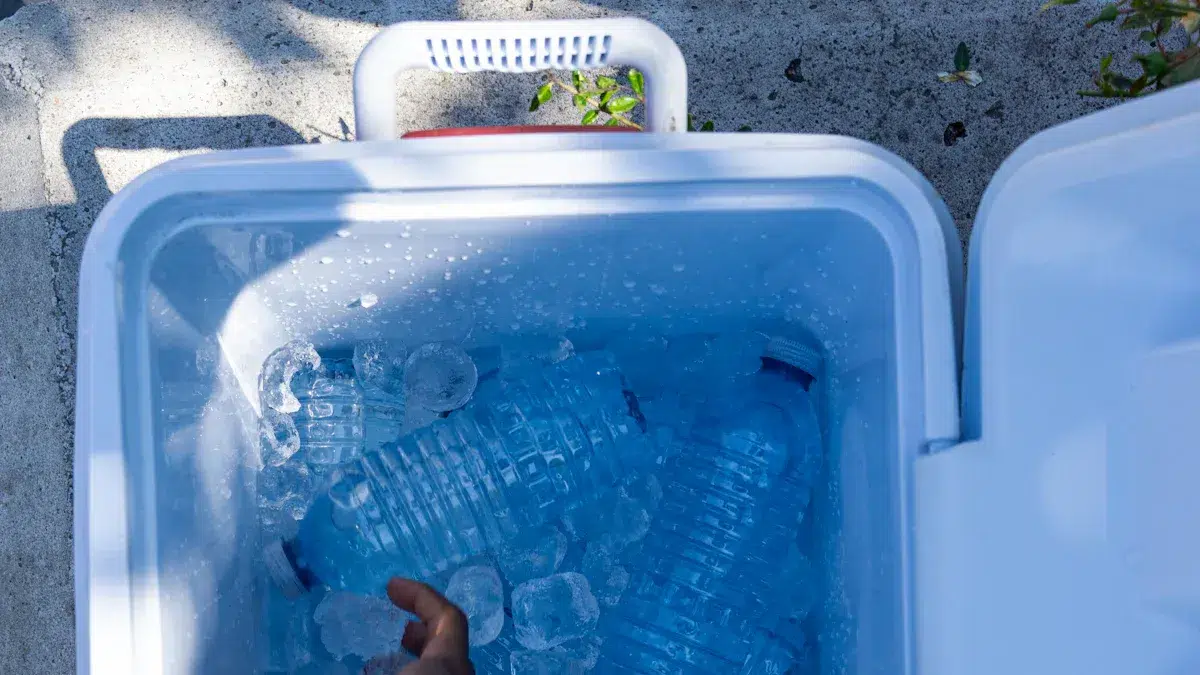
- Frozen water bottles are every bit as effective at maintaining cold temperatures as many professional ice packs.
If you need to keep food and beverages chilled for an extended period, please opt for a cooler featuring a thicker layer of insulation.
Portability & Size
Coolers are available in a wide variety of sizes. You can purchase a compact model for personal use or opt for a high-capacity unit to accommodate a group. KUER coolers offer a size range spanning from 20QT to 75QT, ensuring that you can find the perfect size to meet your specific needs.
While various types of insulated containers come in different dimensions, the selection of standard styles can sometimes be somewhat limited. Among these options, insulated bags stand out as an excellent choice due to their lightweight nature and exceptional portability; they are ideal for daily use, though their ability to retain cold temperatures is typically not as long-lasting as that of hard-sided coolers.
Coolers are designed with portability firmly in mind. Many models feature wheels, sturdy carrying handles, and even additional amenities such as cup holders. These design elements make transportation effortless—even when the cooler is fully loaded. Whether for camping, fishing, or food delivery, coolers are up to the task. In contrast, insulated bags—thanks to their lightweight and easy-to-carry characteristics—are better suited for shorter outings.
Tip: If you need a portable container for a picnic or a short trip, consider using an insulated bag; however, if you are planning a longer expedition, we recommend choosing a hard-sided cooler for superior cold retention and durability.
Price & Value
The prices of cooler boxes vary widely. Hard-sided coolers typically command a higher price point, as they are constructed from robust materials and boast exceptional thermal insulation capabilities. Brands such as KUER, YETI, and Pelican often offer products with distinct advantages—such as extended ice retention periods and a wide array of available accessories. If you are in need of a product that is both ruggedly durable and delivers superior performance, these models represent an ideal choice.
In contrast, standard coolers and soft-sided cooler bags are significantly more affordable. Brands like Coleman and Igloo are perfectly suited for short trips or casual everyday use. Meanwhile, mid-range brands such as RTIC and KUER strike a perfect balance between quality and price, making them a smart choice for many consumers.
Please consider how frequently you use a cooler, as well as the specific features you require. If you are looking for a durable unit capable of maintaining cold temperatures for several days, a cooler box would be a wise choice. However, for short trips or light-duty use, a standard cooler or insulated bag is typically sufficient.
Pros and Cons of Cooler Boxes and Coolers
Cooler Box Advantages
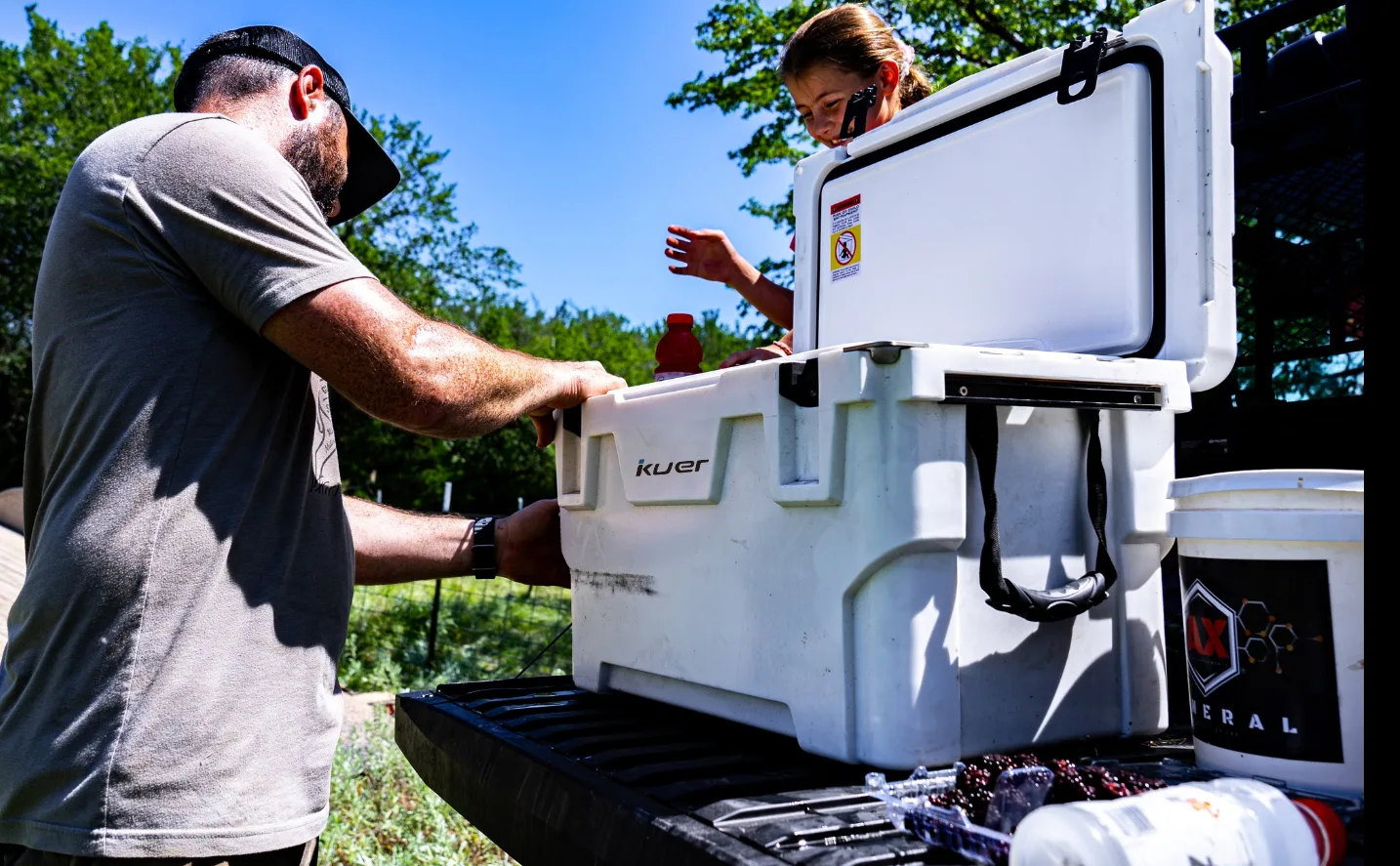
With this cooler, you benefit from robust protection. Its thick walls and sturdy exterior shell ensure that your food and beverages remain safe from bumps, impacts, and extreme heat. Whether embarking on a long-distance journey or a brief outing, you can rely on this cooler to keep contents chilled for days on end. Many models feature airtight gaskets that effectively lock in the cold air. You can choose from a variety of sizes to suit your specific needs, and some models even offer additional features—such as built-in cup holders or cutting boards. Whether you are camping, fishing, or enjoying a group excursion, this cooler makes for the ideal companion. Built to last, it is durable enough to withstand harsh weather conditions and rigorous, heavy-duty use.
Note: Even in scorching weather, you can place your complete trust in this cooler to keep your items consistently cool and fresh.
Cooler Advantages
Outdoor enthusiasts and product reviewers highlight the following key advantages of coolers:
- Soft-sided coolers are lightweight and easy to carry.
- They utilize advanced insulation technology, capable of keeping contents cold for up to 72 hours.
- Soft-sided coolers are quick and easy to clean; many models feature easy-to-wipe linings and antimicrobial surfaces.
Whether for a picnic, a sporting event, or a short trip, a cooler makes for an ideal companion. With a wide variety of styles and sizes available on the market, you can easily select the perfect model to suit your specific travel needs.
Cooler Box Disadvantages
When using a cooler, you may encounter several challenges:
- You may find it bulky and difficult to transport.
- It requires thorough cleaning, which can be time-consuming.
- You must rely on ice to maintain a low temperature.
- Since ice occupies internal space, you may find that the available storage capacity for your items is reduced.
- In some instances, you may discover that its cooling retention does not last as long as you had anticipated.
- You may also note that its manufacturing and disposal processes have a certain environmental impact.
Cooler Disadvantages
You may notice that standard soft-sided coolers typically do not retain cold temperatures for as long as hard-sided coolers. Soft-sided coolers are prone to leaking if tipped over, whereas hard-sided coolers risk cracking if accidentally dropped. Furthermore, for large groups, the internal capacity of these cooling devices may prove insufficient. Some models even lack additional features such as cup holders or wheels.
Tip: For short outings, a standard soft-sided cooler is usually sufficient; however, for longer trips, you may need to opt for a hard-sided cooler.
Choosing Between a Cooler Box and a Cooler
For Outdoor Adventures
You should select the appropriate cooling gear based on the specific nature of your adventure. If you are planning a camping or fishing trip, prioritize thermal retention, durability, and portability. Hard-sided coolers—such as the KUER Cooler Box—can keep contents cold for several days, making them ideal for navigating rugged terrain and undertaking extended journeys. Soft-sided cooler bags, on the other hand, can be folded down for compact storage, taking up minimal space; they are better suited for short excursions and situations where ease of transport is a priority.
The table below will assist you in making your decision:
| Factor | Cooler Box | Cooler Bag |
|---|---|---|
| Insulation performance | Keeps items cold longer | Less effective at insulation |
| Packability | Bulkier, less portable | Folds up, fits in small spaces |
| Size | Choose based on group size | Varies, consider food and drink needs |
| Duration of camping | Better for long trips | Suitable for short trips |
| Transport method | Heavier, better for rough terrain | Lightweight, ideal for easy transport |
Tip: For multi-day trips or situations requiring robust protection, please choose a cooler box; for short hikes or picnics, a cooler bag is recommended.
For Everyday Use
A cooler box is perfect for everyday shopping trips, picnics, or short excursions. It is recommended to pack frozen bottles of water rather than loose ice cubes; this approach not only keeps your items chilled but also provides you with a source of potable water later on. When packing, consider adopting a layered strategy: place ice packs at the bottom and snacks on top. Additionally, it is advisable to pre-chill the cooler before use and fill any remaining empty spaces inside with ice. Taking these steps will help ensure that your food stays fresh and your beverages remain ice-cold.
A cooler box also serves as an ideal companion for day hikes, beach outings, and business trips. Its compact and portable design makes it easy to carry with you, while leak-proof models ensure that the meals you bring remain secure and mess-free. With a cooler box in hand, you can effortlessly enjoy refreshing drinks and delicious snacks anytime, anywhere.
For Large Groups vs. Small Gatherings
When selecting a cooling solution, the scale of the event is paramount. Small gatherings require 3 to 6 medium-sized cooling units; medium-sized events necessitate 7 to 10 large units; while large-scale festivals call for a modular, high-capacity system comprising 9 or more units.
Note: For large groups, please select a high-capacity cooler; for small outings, an insulated bag or a medium-sized cooler will suffice.
You will find that these products differ significantly in how they function. They vary in terms of cooling performance, durability, and portability. The table below will assist you in comparing the various product types:
| Criterion | Cool bag | Cool box | Cooling backpack |
|---|---|---|---|
| Cooling capacity | ★★★☆☆ | ★★★★★ | ★★★★☆ |
| Mobility | ★★★★☆ | ★★☆☆☆ | ★★★★★ |
| Robustness | ★★★☆☆ | ★★★★★ | ★★★★☆ |
| Price-performance | ★★★★★ | ★★★☆☆ | ★★★★☆ |
A cooler box is best suited for long-distance travel, as it not only offers excellent cooling retention but is also highly durable. An insulated bag, on the other hand, is ideal for short trips, as it is lightweight and easy to carry. When making your selection, be sure to consider factors such as thermal performance, size, and durability.
FAQ
What is the main difference between a coolbox and a cooler?
The terms “cooler box” and “insulated box” are often used interchangeably. A cooler box typically refers to a sturdy, durable container, whereas an insulated box can be either rigid or soft-sided. The primary difference between the two lies in their structural strength and thermal insulation properties.
How long can a cooler box keep items cold?
High-quality coolers like the KUER can keep items cold for up to seven days. For optimal cooling performance, it is recommended to pre-chill the cooler and fill it with a sufficient amount of ice.
Can you use a cooler bag instead of a cooler box?
For short trips, you can use an insulated bag. It is lightweight and easy to carry. However, an insulated bag does not keep items cold for as long as a cooler box.
What size cooler should you choose for a family picnic?
For a small family picnic, we recommend selecting a cooler with a capacity of at least 20 quarts (QT); for large group events, please choose a larger-sized cooler. Please refer to the table below for a quick reference:
| Group Size | Recommended Size |
|---|---|
| 2-4 people | 20-35QT |
| 5-8 people | 40-55QT |
| 9+ people | 60QT or more |
How do you clean a cooler box after use?
Please clean your cooler using warm water and mild soap. After rinsing it thoroughly, leave the lid open to let it air dry naturally. This keeps the cooler clean and fresh, ensuring it is always ready for your next adventure.
 Request a quote
