

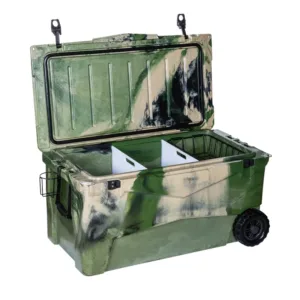
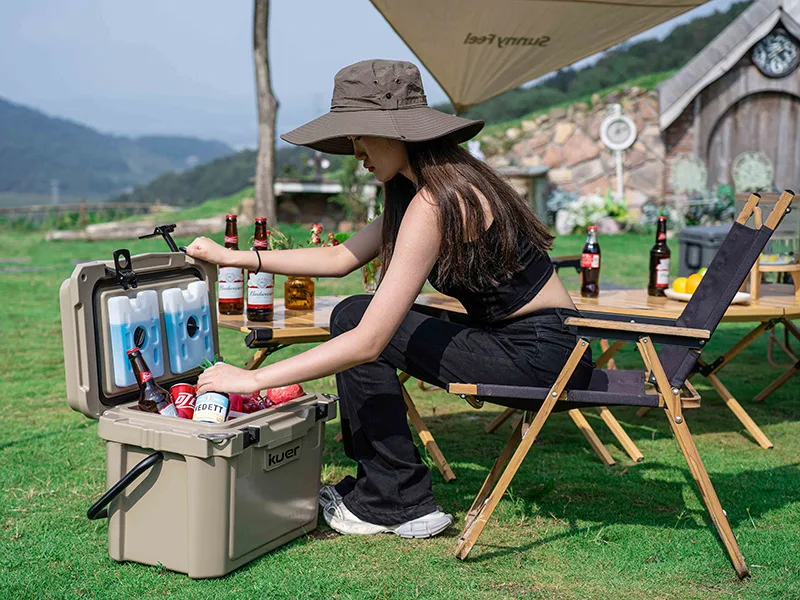
People used ice boxes to keep food cold. They put layers of wood, cork, sawdust, straw, and metal inside for insulation. These layers made it harder for heat to get to the ice. Tests show that good insulators like cotton wool or bubble wrap help ice stay frozen longer than if it is not covered. Today, cooler boxes use advanced foam insulation. Brands like KUER make coolers that keep ice cold even longer.
Key Takeaways
- Traditional ice boxes used materials such as wood, cork, sawdust, straw, and metal to improve insulation.
- Cork and sawdust trapped air, helping reduce heat transfer and keep ice frozen longer.
- Metal linings helped prevent leaks and made ice boxes easier to clean and maintain.
- Modern coolers use advanced foam insulation for greater cooling efficiency and longer ice retention.
- Combining multiple layers of insulating materials can significantly improve overall thermal performance.
- The evolution of insulation materials has made today’s coolers more effective and durable than traditional ice boxes.
Ice Boxes Insulation Materials
Wood
Most iceboxes are made of wood. Wood is chosen because it is strong, easy to cut, and readily available. Thick timber forms the icebox’s sturdy casing, helping to slow the transfer of heat into the interior. Wood also serves as a good insulating material; while it cannot block heat entirely on its own, layering it enhances its insulating performance.
Cork
Cork was once a commonly used insulation material for iceboxes. It possesses a unique cellular structure that traps air and blocks heat, thereby preventing heat from reaching the ice and helping to keep food cold for longer. Additionally, using cork saves energy and reduces ice consumption.
Sawdust
Sawdust is an inexpensive and common insulation material used to fill the walls of iceboxes. It traps air, thereby slowing down heat transfer. Mixing sawdust with straw or seaweed enhances its insulating properties. Furthermore, sawdust is both readily available and easy to use.
Straw
Straw is another natural insulating material. Builders favor straw because it is readily available. The fibers of the straw help keep the inside of the freezer cool by trapping air. Straw insulates best when kept dry and packed closely and is even more effective when mixed with other materials.
| Advantages | Disadvantages |
|---|---|
| Great insulation | Can take a lot of work to build |
| Stores carbon | Gets damaged by water easily |
| Easy to find and renewable | Can be hurt by weather |
| Can be covered with plaster | Bale quality can change if not certified |
| Safer from fire when covered | |
| Fast to build if made in panels |
Metal Linings
Many freezers come with metal linings such as tin or zinc. While the metal itself provides no insulation, it prevents moisture from reaching the wood and makes the freezer easier to clean, while also preventing leaks. In addition, the metal reflects some of the heat, thus providing some additional protection for the ice.
Note: Ice boxes often used many materials together. Wood and metal made the main structure. Cork, sawdust, and straw filled the walls to slow melting. This helped families keep food fresh before refrigerators.
How Ice Box Insulation Worked
Heat Transfer Prevention
The insulation layer of the ice chest prevents heat from reaching the ice. Each material plays a specific role: wood forms a sturdy outer shell that slows the influx of external heat; cork and sawdust utilize tiny voids to trap air, thereby hindering heat from penetrating the walls; straw serves as an additional layer, using its fibrous structure to block heat; and metal linings—such as tin or zinc—reflect heat away from the ice.
Heat is transferred primarily through three mechanisms: conduction, convection, and radiation. Cork and sawdust block conduction (the transfer of heat through direct contact); the air pockets within these materials inhibit convection (the transfer of heat via moving air); and metal linings resist radiant heat by reflecting it. When used in combination, these materials create a highly effective thermal barrier. This synergistic effect allows the interior of the ice chest to remain cold for extended periods.
Tip: The best insulation uses layers of different materials to stop heat from getting in.
Moisture and Air Control
Blocking out moisture and air is also crucial. If warm, humid air enters the interior, the ice melts more rapidly. Sawdust and straw absorb some moisture and impede airflow, while cork helps seal cracks and prevent air leaks. A metal lining prevents water from penetrating the wood, keeping the icebox sturdy and the insulation dry.
Air pockets within the insulation material slow down heat transfer and maintain a stable temperature. Modern materials like polyurethane foam operate on this same principle, trapping air to block heat. By controlling heat and humidity, the icebox keeps food cold and preserves the ice for days.
Comparing Ice Box Insulation
Advantages of Each Material
Every material in ice boxes had its own good points.
- Hardwoods like ash and oak made strong shells. These woods did not smell. They kept food from getting strange odors. The box lasted longer because of these woods.
- Cork was great for insulation. Its cell structure held air inside. This stopped heat and helped ice stay frozen.
- Sawdust and straw filled empty spaces. They did not let heat move easily. They trapped air and made the box work better.
- Metal linings like tin or zinc helped with cleaning. They kept water away from the wood. Metal also bounced some heat away from the ice.
- Charcoal sheathing was used sometimes. It soaked up bad smells. It also gave another layer of insulation.
Note: Builders liked to mix these materials. This made ice boxes work better and last longer.
Disadvantages and Limitations
These materials had some problems too.
| Material | Durability | Cost & Availability | Effectiveness | Maintenance Needs |
|---|---|---|---|---|
| Wood | High (hardwoods) | Readily available | Moderate | Needs protection from water |
| Cork | Moderate | More expensive, less common | High | Can dry out or crack |
| Sawdust | Moderate | Very cheap, easy to find | Good (when dry) | Can absorb moisture |
| Straw | Low to moderate | Very cheap, easy to find | Good (when dry) | Prone to rot if wet |
| Metal | High | Moderate | Low (as insulator) | Can rust, needs cleaning |
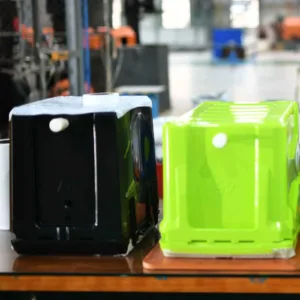
In the past, when selecting materials, manufacturers primarily considered price, ease of sourcing, and durability. Today, products designed using the rotational molding process and modern foam materials are not only more durable but also easier to maintain. Nevertheless, it was those early materials that laid the foundation for the wide variety of coolers available today.
Evolution of Ice Box Insulation
Changes Over Time
The materials used for icebox insulation have undergone significant changes. In the 19th century, people relied on natural materials such as animal hides, furs, and plant fibers. In the quest for better food preservation methods, companies began adopting new materials like rock wool and fiberglass. These new materials helped extend the lifespan of the ice and kept food fresh.
- Before there were refrigerators, people used ice or snow to cool things.
- Ice houses kept big blocks of ice. People put these blocks in ice boxes at home.
- By the late 1800s, ice boxes were made in factories. They used layers of wood, cork, sawdust, and straw to keep things cold.
People wanted ice boxes to work even better. This led to new types of insulation. These new materials kept heat out and lasted longer.
Modern Cooler Insulation
Today, thermal insulation boxes utilize specialized foam materials such as polyurethane, polystyrene, and polyethylene foam. These materials maintain low temperatures for extended periods due to their higher thermal resistance (R-values), which indicates superior heat-blocking performance. The table below illustrates the differences between these foam materials and traditional materials:
| Advantage | Synthetic Foams | Natural Insulation Materials |
|---|---|---|
| R-values | Higher R-values | Lower R-values |
| Flexibility | More flexible | Less flexible |
| Fire Resistance | Fire resistant | Varies |
| Moisture Resistance | Moisture resistant | Varies |
Modern foam materials outperform traditional materials. For example, spray polyurethane foam has an R-value (thermal resistance) of 7.0 per inch, whereas polystyrene board has an R-value of 5.0 per inch. These values are significantly higher than those of traditional materials.
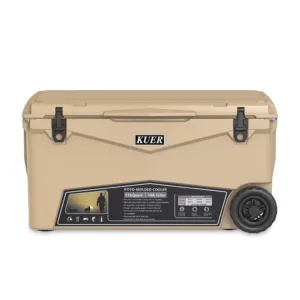
Companies like KUER manufacture coolers using high-density polyethylene and polyurethane (PU) foam. These coolers are available for bulk purchase or can be customized to meet specific customer requirements. They are not only rugged and durable but also offer excellent ice retention, maintaining low temperatures for extended periods. The table below illustrates the differences between modern coolers and traditional ice chests:
| Feature | Cooler Boxes (Modern) | Ice Boxes (Historical) |
|---|---|---|
| Materials | HDPE, PP, rotomolded LLDPE | Metal, wood, basic plastic |
| Insulation | Injected PU foam | Lower-grade materials |
| Design Purpose | Maximize thermal efficiency | Store large ice blocks |
Note: Using synthetic insulation instead of natural materials made coolers work better. Now, coolers are stronger and keep things cold longer. This is great for camping and businesses.
Early ice chests utilized materials such as wood, cork, sawdust, straw, and metal linings to help maintain low internal temperatures. The cedar-wood chest designed by Thomas Moore serves as an early example, demonstrating the effectiveness of these materials in preserving food. Over time, insulation technology has steadily improved. Modern coolers are constructed using high-performance foam and durable plastics; these new materials not only make the units lighter and sturdier but also extend the time ice remains frozen. Today’s coolers are not only easier to clean but also offer superior cooling performance compared to older models, clearly illustrating the significant advancements made in cooler technology.
FAQ
What materials insulated old ice boxes?
The construction of the icebox incorporated wood, cork, sawdust, and straw, along with a metal lining. Manufacturers layered these materials to slow the intrusion of heat; each material served to trap air or block moisture, helping to prolong the lifespan of the ice.
How long could ice last in a traditional ice box?
In a high-performance cooler, ice can remain unmelted for two or three days. How long the ice lasts depends on the cooler’s insulation and the outside temperature. Frequent opening of the cooler accelerates the rate at which the ice melts.
Why did people stop using ice boxes?
With the advent of the refrigerator, people stopped using iceboxes. Electric refrigerators keep food consistently cold, requiring neither ice deliveries nor constant maintenance.
What insulation do modern cooler boxes use?
Modern insulated boxes are made of polyurethane foam, polystyrene or polyethylene foam. These materials have a high thermal resistance (R-value), which means they can keep ice from melting for up to seven days.
How does KUER Cooler Box improve ice retention?
KUER insulated boxes feature high-density polyethylene and strong polyurethane (PU) foam insulation. This design keeps ice from melting for up to five to seven days. The sealing gasket blocks air flow, maintaining cool temperatures and reducing condensation.
 Request a quote
