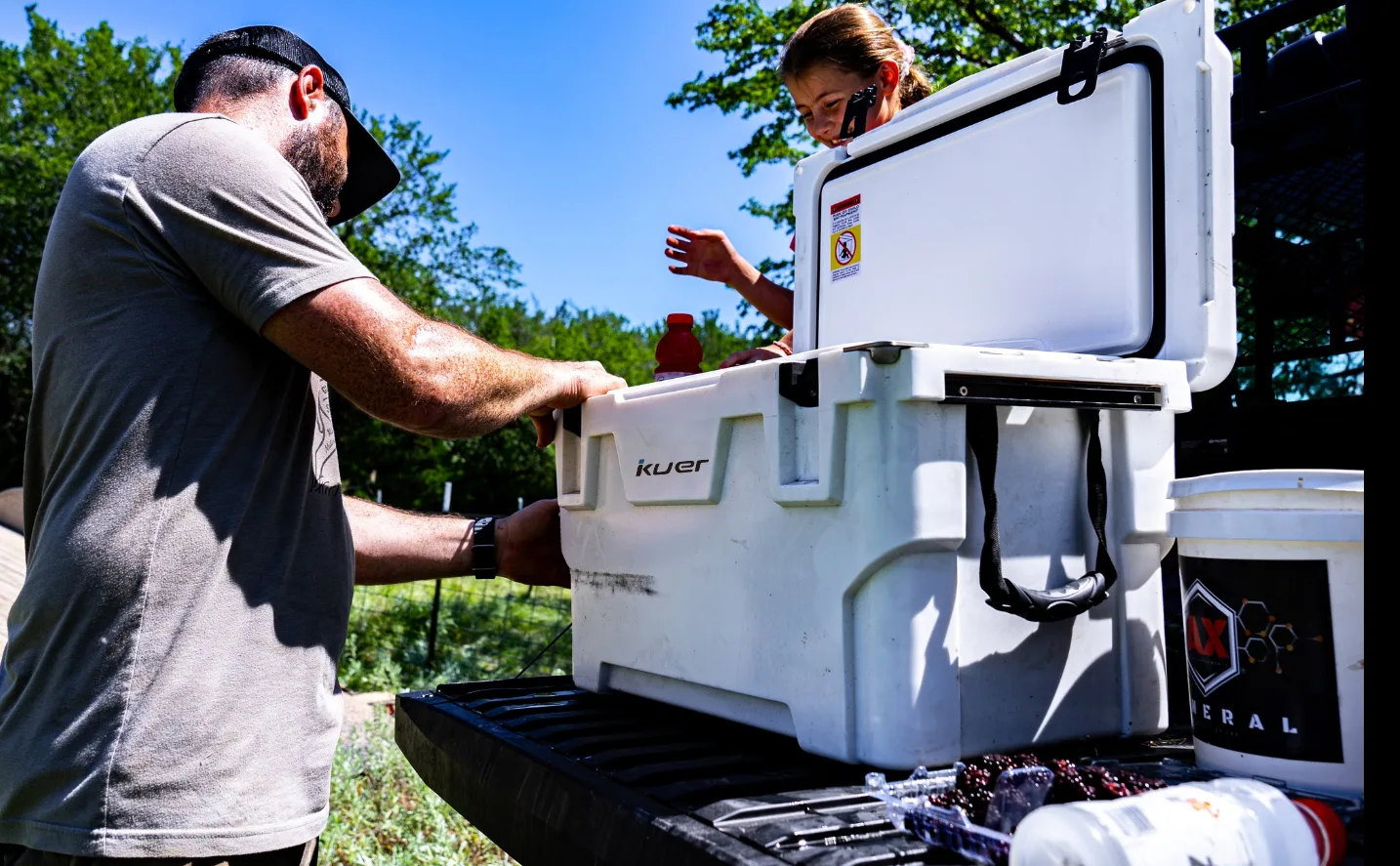

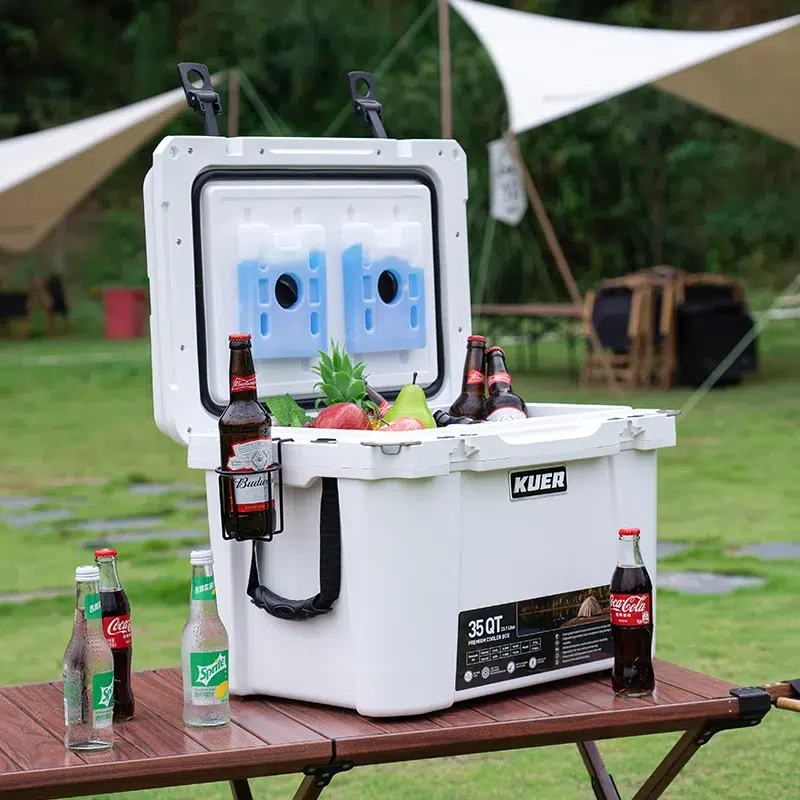
Plastic cooler is made from HDPE, LLDPE, polypropylene, or polystyrene. These materials are very strong and last a long time. They keep things cold and are safe for food. Companies pick each plastic because it can block UV rays. The plastics also do well outside. A hard plastic cooler, like the KUER model, keeps things safe when you travel or go on adventures. A portable plastic cooler keeps your food and drinks cold for many hours.
Key Takeaways
-
Most plastic coolers use HDPE and LLDPE. These materials are strong and last a long time. They do not break easily if dropped or used outside in bad weather.
-
Roto-molded coolers have thick walls. This stops weak spots from forming. The design helps coolers last longer. It also keeps ice for 5 to 7 days.
-
Polyurethane foam is the best insulation for coolers. It keeps cold air inside. It also keeps hot air out. This makes ice last longer.
-
Choose coolers with food-safe plastics like HDPE and polypropylene. These materials do not react with food. They are safe for storing food.
-
Recycling is important. Many cooler plastics can be recycled. This helps cut down on waste and protects the environment.
Plastic Cooler Materials
HDPE and LLDPE
High-density polyethylene and linear low-density polyethylene are used a lot in plastic coolers. These plastics are tough and last a long time. Companies pick them for roto-molded cooler designs. They do not break easily and can handle bad weather. The KUER plastic cooler is made with these materials using rotomolded construction. This helps it survive drops and rough outdoor trips.
Tip: Roto-molded cooler bodies made from HDPE and LLDPE can survive drops from up to 15 meters and resist sun damage for thousands of hours.
The table below explains why high-density polyethylene and linear low-density polyethylene are great for making coolers:
|
Property |
Value |
|---|---|
|
Density |
0.941-0.965 g/cm³ |
|
Melting Point |
120-130°C |
|
Tensile Strength |
26-33 MPa |
|
Chemical Resistance |
Excellent resistance to acids, bases, alcohols, and solvents |
|
Temperature Range |
-50°C to 80°C (short-term to 100°C) |
|
Flexural Modulus |
800-1,400 MPa |
|
Moisture Absorption |
Low |
|
Durability |
High resistance to wear, impact, and environmental stress cracking |
Roto-molded coolers use these plastics because they are strong and bend without breaking. LLDPE is very good at taking hits and bending. This helps the cooler not break when dropped. HDPE is very tough and better for the environment. Both types do not crack and keep their shape for a long time.
|
Material |
Durability |
Flexibility |
Impact Resistance |
|---|---|---|---|
|
HDPE |
Exceptional |
High |
Moderate |
|
LLDPE |
High |
Very High |
High |
|
Other Plastics |
Varies |
Varies |
Varies |
Tests show that high-density polyethylene and linear low-density polyethylene stay strong even after being in the sun for a long time. This is even better when UV stabilizers are added. This UV protection helps a plastic cooler last many years outside.
Polypropylene and Polystyrene
Some coolers use polypropylene or polystyrene for certain parts. These plastics keep things cold and are safe for food. Polypropylene is a good insulator and does not get damaged by heat. It does not react with food or drinks, so it is safe. Polystyrene is light and cheap. It keeps things cold but can break more easily than other plastics.
|
Material |
Insulation Characteristics |
Food Safety Characteristics |
|---|---|---|
|
Polypropylene |
Excellent insulator, higher heat resistance |
Non-toxic, meets food safety standards, resists chemical interaction |
|
Polystyrene |
Good insulator, more brittle |
Affordable, widely used in food service applications |
-
Polypropylene:
-
Stays strong when moved or stored.
-
Does not soak up water, so things stay dry.
-
Used in food packaging because it is safe.
-
-
Polystyrene:
-
Easy to shape and not heavy.
-
Used a lot in single-use food containers.
-
Polypropylene costs less than some other plastics, so it is used a lot for cooler parts. Polystyrene is also cheap and easy to make into shapes.
|
Material |
Cost per lb |
|---|---|
|
PP |
$0.75 |
|
LDPE |
$0.85 |
Why These Plastics
Companies pick each plastic for its special benefits. Polyethylene, especially high-density polyethylene and linear low-density polyethylene, is picked for being tough, bendy, and good outside. Roto-molded cooler bodies made from these plastics can take rough use and keep things cold for days. The KUER plastic cooler has thick polyurethane foam inside. This works with the strong outside shell to keep ice for 5-7 days.
Note: The mix of HDPE or LLDPE with good insulation makes a plastic cooler work well in tough places.
Polypropylene and polystyrene help by keeping things cold and safe for food. Polypropylene does not get damaged by chemicals or heat, so it is safe for food. Polystyrene is light and keeps things cold for cheaper coolers.
The kind of plastic in a cooler changes how strong, cold, and safe it is. Roto-molded cooler designs, like those from KUER, use good materials to last a long time, block UV rays, and keep ice frozen.
Manufacturing Methods
Rotomolding
Rotomolding is a way to make plastic coolers. It spins melted plastic inside a mold. This makes the cooler’s walls thick and even. There are no seams, so there are no weak spots. The cooler is strong and does not break easily. Rotomolded coolers, like the KUER plastic cooler box, last a long time. They keep things cold for many days. The thick walls help keep ice from melting. Rotomolding lets companies make coolers with special shapes. They can add handles and bottle openers. The process uses low pressure, so the plastic does not get stressed. This helps stop cracks and color fading.
Rotomolded coolers are strong and do not wear out fast. They do not rust or get ruined by the sun. People who go outside a lot trust these coolers.
Injection and Blow Molding
Injection molding is another way to make coolers. It pushes melted plastic into a mold with high pressure. This makes coolers that are light and have thin walls. These coolers have seams. This method is good for making many coolers fast. It also keeps the price low. Injection-molded coolers are not as tough as rotomolded ones. They do keep things cold, but not as long. They cost less money. Blow molding is a way to make hollow cooler parts. It blows air into melted plastic inside a mold. This makes coolers that are light and use less plastic. It saves money and makes less waste.
|
Manufacturing Method |
Characteristics |
Durability |
Insulation |
Cost Efficiency |
|---|---|---|---|---|
|
Rotational Molding |
Makes coolers with thick walls and no weak spots. |
Very strong |
Keeps things cold well |
Costs more |
|
Injection Molding |
Makes light coolers with seams and thin walls. |
Not as strong |
Keeps things cold okay |
Costs less |
|
Blow Molding |
Good for making hollow, light parts. |
Somewhat strong |
Keeps things cold okay |
Saves money |
Impact on Plastic Choice
Companies pick plastics based on how they make the cooler. Rotomolding works best with HDPE and LLDPE. These plastics make thick, strong walls. They do not get ruined outside. Injection molding needs plastics that melt and set fast, like polypropylene. The right plastic makes the cooler work well and last longer. Blow molding uses plastics that can stretch and hold their shape, like LDPE. If the wrong plastic is used, the cooler can break and cost more. Molded plastic parts are strong and can be recycled. This is why many coolers are made this way.
KUER uses rotomolding with HDPE and LLDPE. Their coolers last a long time and can handle rough trips.
Insulation in Plastic Coolers
Polyurethane Foam
Polyurethane foam is a top pick for cooler insulation. Companies use it because it blocks heat really well. The foam fills up the cooler walls with no empty spaces. This keeps cold air inside and hot air out. Polyurethane foam has a high R-value, so it stops heat from moving through. Most good coolers use foam with an R-value of 7 or 8 for each inch. Some cooler walls are up to 5 inches thick. This means their R-value can be over 35. With this much insulation, coolers can keep ice for days. KUER coolers use thick polyurethane foam. This helps them keep ice for 5 to 7 days, even when it is hot outside. The foam is dense and does not let water or humidity get through easily.
-
Polyurethane foam gets pushed into the cooler walls under pressure.
-
The foam makes a strong wall that stops heat.
-
Thick foam helps ice last longer and makes the cooler stronger.
Polystyrene Foam
Polystyrene foam is also used for insulation in coolers. It is lighter and costs less than polyurethane foam. This foam has a lower R-value, usually between 2 and 5 for each inch. Polystyrene foam does not soak up water and is strong when pressed. It does not break down easily. Companies use it in coolers that cost less money. Polystyrene foam helps keep things cold, but it does not work as well as polyurethane foam.
|
Insulation Type |
R-value per inch |
Key Features |
|---|---|---|
|
Polyurethane Foam |
6.5 – 8 |
High thermal resistance, cost-effective |
|
Polystyrene Foam |
2 – 5 |
High compressive strength, moisture resistance |
Insulation and Performance
The thickness and type of insulation matter a lot for coolers. Thicker insulation slows down how fast ice melts. It also keeps food fresh for longer. Polyurethane foam has a high R-value and does not let water in. This makes it the best at keeping things cold. Polystyrene foam works okay but does not keep ice as long. KUER coolers use thick, high-density foam. This helps them keep ice for a long time and control the temperature well when you are outside.
Tip: If you pick a cooler with thick polyurethane foam, your ice will last much longer.
Environmental Considerations
Recyclability
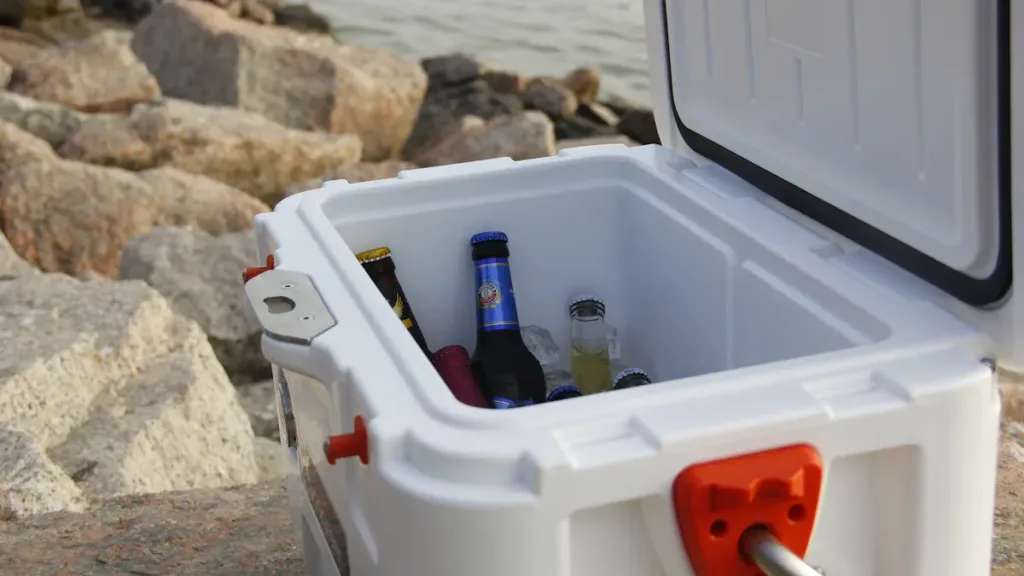
Many coolers are made with plastics that can be recycled. HDPE, LLDPE, polypropylene, and polystyrene all have recycling codes. You can find these codes on the bottom of most coolers. The codes help people sort plastics for recycling. About 29.3% of HDPE gets recycled. Polystyrene is recycled much less, only 3.6% each year. Most polypropylene and LLDPE items also get recycled, but not as much as HDPE.
|
Material |
Recycling Rate (%) |
|---|---|
|
HDPE |
29.3 |
|
Polystyrene (PS) |
3.6 |
|
Code |
Description |
Examples |
|---|---|---|
|
2 HDPE |
High-density polyethylene |
Plastic milk containers, bottle caps |
|
4 LDPE |
Low-density polyethylene |
Plastic bags, buckets |
|
5 PP |
Polypropylene |
Flower pots, beverage containers |
Tip: Always check your local recycling rules before throwing away coolers.
Sustainability
Plastic coolers last a long time, but they can hurt nature if not recycled. When coolers are thrown away, the plastics stay in landfills for many years. These plastics do not break down fast. Burning them can send bad gases into the air. Recycling helps stop pollution, but it is not always easy. Sometimes recycled plastics are not as strong as new ones. Bad chemicals in plastics can leak into the ground and water. Picking coolers made from recyclable plastics helps protect nature.
Health and Safety
Plastics used in coolers must be safe for food. HDPE and polypropylene are safe and do not have BPA. Polystyrene is not always safe for food. Companies often get special certificates to show their coolers are safe. NSF International and UL EPH Mark are two important certificates. These marks show that coolers are safe for food and drinks.
-
NSF International certificate means the cooler meets world safety rules.
-
UL EPH Mark checks if the cooler is clean and works well for food.
-
Local health groups need these certificates for coolers used in stores.
Note: KUER coolers use food-safe plastics and meet strict health rules.
Plastic coolers are made with strong materials. HDPE and LLDPE are used a lot. Thick polyurethane foam is used for insulation. The table below explains how each material works to keep things cold and strong.
|
Material Type |
Properties |
Use Case |
|---|---|---|
|
HDPE |
Impact-resistant, food-safe |
Outdoor use |
|
LLDPE |
Flexible, absorbs impacts |
Rotational molding |
|
Polyurethane Foam |
Effective insulation |
Keeps ice for days |
How a cooler is made and how thick the insulation is can help it keep things cold longer. Using plastics that can be recycled and making sure they are safe for food helps people and nature. It is smart to pick a cooler from brands you trust, like KUER, so you know it will work well.


 Request a quote
