

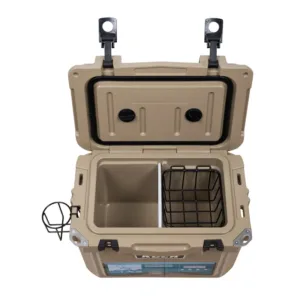
You can keep your evaporative cooler working well by doing some simple maintenance. Clean or change the pads, look at the water tank, check the fans and pumps, and do checks each season. Regular checks stop clogs and dirty pads that make cooling worse. Cleaning the cooler and looking for leaks help save energy and make the air inside better. Cleaner air means there are fewer things that cause allergies. It also makes the space safer and more comfortable.
- Daily: Dry the pads to stop mold and bad smells.
- Weekly: Clean the water tank and look for hard water build-up.
- Monthly: Wipe the outside and test the pump.
Key Takeaways
- Clean or replace the pads weekly to prevent mold and odors.
- Empty and clean the water tank every three days to stop bacteria.
- Inspect fans and pumps regularly to ensure smooth operation.
- Check water lines and filters for clogs to maintain airflow.
- Wipe the exterior monthly to keep dust from entering the cooler.
Evaporative Cooler Maintenance Tasks
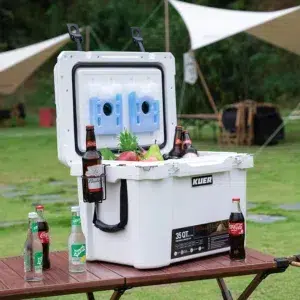
Clean or Replace Pads
To ensure optimal cooling performance and air quality, you need to keep the cooling pads inside the evaporative air cooler clean. Dirty pads can lead to unpleasant odors, mold growth, and reduced airflow, while also lowering the unit’s operating efficiency.
How to Clean or Replace Pads:
- Turn off and unplug the cooler.
- Open the access panel to reach the pads.
- Remove the pads carefully.
- Rinse the pads with clean water. Use a soft brush to remove dust and mineral deposits.
- Let the pads dry before putting them back.
- If the pads look worn, replace them with new ones.
Tip: Clean the pads at least once a week. Replace honeycomb pads once a year. This keeps the air fresh and the cooler working well.
Tools and Materials Needed:
- Soft brush
- Clean water
- Replacement pads (if needed)
- Gloves
What Happens If You Skip This?
- The cooler may not cool the air well.
- You might notice musty odors.
- Air quality can get worse.
Clean Water Tank and Reservoir
Water tanks and reservoirs can accumulate dirt, minerals, and bacteria. Regular cleaning helps prevent odors and maintain healthy air.
How to Clean the Water Tank:
- Turn off and unplug the cooler.
- Empty all water from the tank.
- Wipe the inside with a soft cloth and warm water.
- Wash the tank with mild, soapy water. Rinse well.
- For tough stains, use a mix of half water and half vinegar. Let it sit for a few minutes, then rinse.
- Refill the tank with fresh water.
Note: Clean the water tank every three days in hot weather. Scrub it with mild detergent at least once a month. This stops bacteria and mineral build-up.
Tools and Materials Needed:
- Soft cloth
- Mild soap
- White vinegar
- Bucket or hose
Extra Tip: Swamp cooler tablets can help keep the tank clean and are safe for most coolers.
Inspect Fans and Pumps
The fan and water pump are responsible for circulating air and water within the evaporative cooler. If they do not function properly, the cooler cannot cool your space.
How to Inspect Fans and Pumps:
- Unplug the cooler.
- Look for rust or corrosion on the fan and pump.
- Remove the pump and clean the basket or screen.
- Spray a little WD40 on the pump shaft and impeller.
- Flush the water tubes with a hose.
- Oil the fan bearings with a zoom spout oiler.
- Spin the blower by hand to check for smooth movement.
- Listen for squeaks or grinding sounds.
Tip: If the fan or pump makes noise or does not spin freely, you may need to replace the bearings.
Signs of Trouble:
- The cooler does not blow cool air.
- The system does not turn on.
- You see rust or the equipment looks old.
Tools and Materials Needed:
- WD40 spray
- Zoom spout oiler
- Hose
- Cleaning cable
- Screwdriver
Check Water Lines and Filters
The water supply pipes and filters are responsible for delivering water to the cooling pads. Blockages or leaks can prevent the cooler from functioning properly.
| Common Issue | What to Look For |
|---|---|
| Insufficient Water Supply | Low water level, dry pads, or a faulty pump |
| Clogged Drain Line | Water does not drain, tank overflows |
| Improper Float Valve Setting | Water overfills or leaks from the cooler |
| Mold, Mildew, or Algae Growth | Green or black spots, musty smell |
| Stagnant or Dirty Water | Cloudy water, bad odor, or visible debris |
How to Check Water Lines and Filters:
- Turn off the cooler.
- Inspect water lines for blockages or leaks.
- Remove and rinse filters with clean water.
- Use a cleaning cable to clear any clogs.
- Adjust the float valve if water level is too high or low.
Tip: Clogged lines or filters can make the cooler blow warm air. Check them often to keep the system running well.
Tools and Materials Needed:
- Cleaning cable
- Replacement filters
- Adjustable wrench
Wipe Exterior and Vents
Dust and dirt may accumulate on the casing of the evaporative air cooler. Keeping the casing and vents clean facilitates airflow and helps maintain the unit’s neat and attractive appearance.
How to Clean the Exterior and Vents:
- Wipe the outside with a damp cloth.
- Use a soft brush to clean vents and grilles.
- Check for signs of rust or damage.
Tip: Clean the exterior every month. This stops dust from getting inside and keeps the air fresh.
Tools and Materials Needed:
- Damp cloth
- Soft brush
By following these steps, you help your evaporative cooler last longer and work better. Regular care keeps your air cool, clean, and safe.
Seasonal Maintenance for Evaporative Coolers
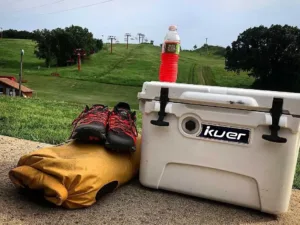
Pre-Season Preparation
Before you start using your evaporative air cooler for the summer, you need to complete some preparatory steps. This helps prevent malfunctions and ensures the unit operates effectively. Please follow the steps below:
- Inspect and clean the unit inside and out.
- Drain and flush the water tank to remove old water and dirt.
- Clean the intake and outlet areas so air flows easily.
- Check the motor and fan for debris and make sure they work smoothly.
- Clean the exterior, including fan blades and water reservoir.
- Look at the fan belt for signs of wear. Replace it if needed.
- Examine the cooling pads for damage or mineral buildup. Clean or replace them.
- Check the water tank and pipes for blockages. Clean them if you find any.
Regular pre-season care helps your cooler run at peak efficiency. You save money and enjoy better cooling.
End-of-Season Shutdown
When the cooling season ends, you need to shut down your evaporative cooler the right way. This prevents damage and keeps your cooler ready for next year. Follow these steps:
- Turn off the power supply.
- Shut off the water supply valve.
- Drain all water from the cooler.
- Close the louvers and coil the wire to protect them.
- Cover the unit to keep dust and moisture out.
- Store the cooler in a dry, clean place.
| Step | Purpose |
|---|---|
| Turn off power | Prevents accidental operation |
| Drain water | Stops corrosion and damage |
| Cover unit | Keeps dust and moisture away |
Seasonal maintenance extends the life of your cooler. Cleaning and storing your unit properly prevents dust, debris, and mineral buildup. You keep your cooling system efficient and avoid costly repairs.
Maintenance Frequency and Expert Tips for Evaporative Coolers
Weekly and Monthly Tasks
You should perform regular inspections to ensure the evaporative air cooler operates properly. Key tasks include draining the water tank, cleaning the cooling pads, and removing accumulated mineral deposits. Additionally, the drive belt and motor should be checked every few months. The table below lists the frequency for each task:
| Maintenance Task | Recommended Frequency |
|---|---|
| Drain water tank | Weekly |
| Clean cooling pads | Monthly |
| Replace pads | Once per season or as needed |
| Inspect belt & motor | Every 2–3 months |
| Remove mineral buildup | Monthly |
| Full system inspection | Start & end of cooling season |
If you skip these jobs, your cooler may not work as well. Your energy bills can go up by 10 to 25 percent. A cooler that is not cared for may last only 8-12 years. If you take care of it, it can last up to 20 years.
Signs Maintenance Is Needed
You can find problems early by watching for warning signs. Look for these things:
- Musty or dirty-sock smell when you turn on the cooler.
- Mold you can see on pads or inside the cabinet.
- Allergy or breathing problems that get better when the cooler is off.
- Wet windows or walls when the cooler is running.
- Chalky pads or mineral buildup.
- Water overflowing or a bleed stream that keeps running.
If you see any of these signs, clean your cooler right away. This stops bigger problems from happening.
When to Call a Professional
Some issues require professional attention. You can handle cleaning, draining, and simple inspections yourself; however, please contact a professional if you encounter electrical faults or leaks, or if deep cleaning is required. The table below lists tasks you can perform yourself and those that require a technician:
| DIY Tasks (User-Performable) | Professional Tasks (Requires Expertise) |
|---|---|
| Interior cleaning | Electrical diagnostics & repair |
| Daily temperature logging | Compressor service & replacement |
| Gasket wiping | Leak detection & repair |
| Clearing drain line obstructions | Motor & fan blade balancing/replacement |
| Listening for odd noises | Advanced troubleshooting |
Yearly maintenance costs can be $50 to $550. Taking care of your cooler can cut emergency repairs by up to 80 percent. It also helps your evaporative cooler last longer.
Recommended Brands for Evaporative Coolers
Why Choose kuer
KUER is a trusted brand of evaporative air coolers, renowned for manufacturing rugged and durable products. KUER’s products are sold worldwide, with options available for both bulk purchasing and custom designs tailored for commercial or outdoor use. Manufactured using advanced materials and rotational molding technology, KUER air coolers offer exceptional sturdiness and impact resistance. They feature a UV resistance rating of 8, ensuring that the units do not fade or suffer performance degradation even after prolonged exposure to sunlight (up to 8,000 hours).
Every KUER air cooler comes with a warranty. Should you encounter any issues or require repairs, you can contact KUER’s service team; the product manual details the warranty terms and instructions for obtaining after-sales support. KUER is committed to resolving product defects and other issues, ensuring the long-term reliability of its air coolers.
Tip: KUER coolers have PU foam insulation. This keeps ice cold for 5–7 days outside. It saves energy and keeps food and drinks cold longer.
Selecting Quality Coolers
You want a cooler that is easy to take care of and lasts a long time. Here are some tips to help you pick a good evaporative cooler:
- Make sure the cooler is easy to clean. Look for pads you can remove and water tanks you can reach.
- Pick a cooler with strong insulation. PU foam insulation keeps ice cold for days.
- Choose a cooler that works well in your climate. Evaporative coolers are best for dry places.
- Look for warranty and customer support. Brands like KUER give quality guarantees and have service teams.
- Think about maintenance. Change pads every 1–2 seasons and clean pumps two times a year.
- Choose rotomolded construction. This makes the cooler tough and helps it last longer.
If you want a cooler that is easy to care for and strong, KUER is a smart pick. You can buy KUER coolers from suppliers or ask for custom options for your needs.
Regular maintenance helps keep the evaporative cooler in good operating condition. Frequent inspections and servicing allow you to detect issues early, thereby saving on repair costs and extending the equipment’s service life.
- You can lower repair costs each year by up to 37%. The cooler can last 30% longer if you do this.
- You get cleaner air and have fewer sudden repairs.
If you have big problems like electrical issues or large leaks, call a professional HVAC technician for help.
FAQ
How often should you clean the pads in your evaporative cooler?
If used frequently, you should clean the filter pad once a week. Replace it every season or when you notice wear on the filter pad. Keeping the filter pad clean helps your air cooler work more efficiently and ensures fresh air.
What signs show your evaporative cooler needs maintenance?
You might notice a musty odor, reduced airflow, or visible mold. Water may overflow, or powdery deposits might appear on the cooling pad. These signs indicate that you need to clean or inspect your air cooler as soon as possible.
Can you use tap water in your evaporative cooler?
You can use tap water, but hard water may cause mineral buildup. If you see white deposits, clean the tank and pads more often. Using filtered water helps reduce buildup.
What tools do you need for basic maintenance?
You need a soft brush, damp cloth, mild soap, and a cleaning cable. Gloves help protect your hands. Replacement pads and filters are useful for quick repairs.
When should you call a professional for evaporative cooler maintenance?
Call a professional if you see electrical issues, large leaks, or if the cooler stops working. Experts handle deep cleaning, repairs, and advanced troubleshooting.


 Request a quote
