
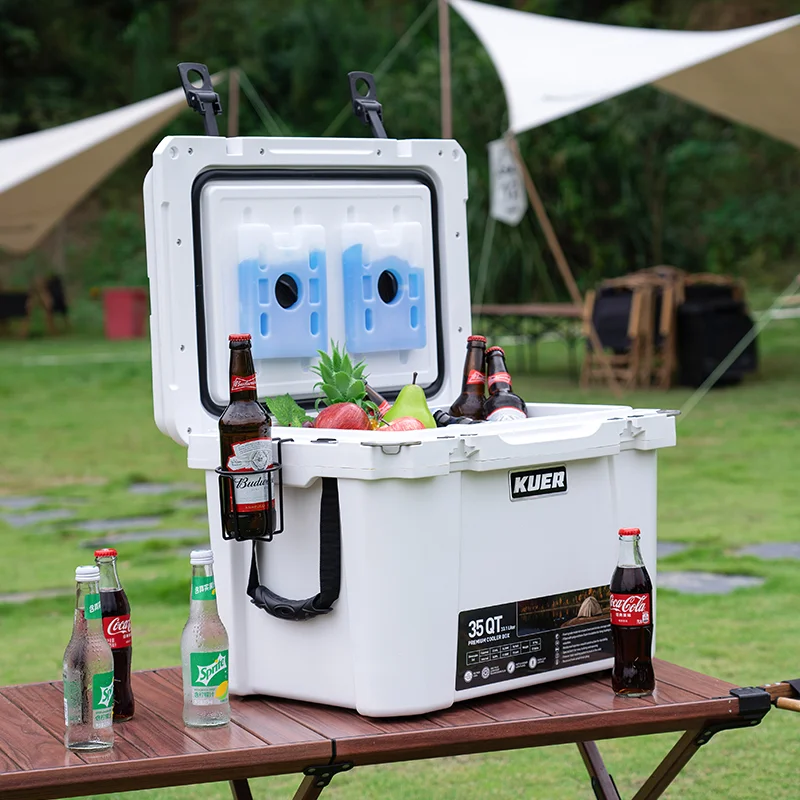
A cooler box keeps food and drinks cold. It uses thick insulation to do this. People use a cooler to protect items that can spoil. The cooler blocks heat from outside. This stops food from going bad. It keeps things fresh when you are outside or traveling. The KUER 110QT Rotomolded Hard Cooler B with Wheels is very strong. It has special features that make it easy to move. Its tough walls and big size help keep drinks and snacks safe. It keeps them cold in any place.
| Purpose of Cooler Box | Description |
|---|---|
| Retaining Cold Temperatures | Keeps things cold with insulation. |
| Preserving Perishable Contents | Stores fresh and processed foods, like fruits and dairy. |
Key Takeaways
- A cooler box keeps food and drinks cold using thick insulation. This helps prevent spoilage during outdoor activities.
- Choosing the right cooler size is important. Larger coolers, like the KUER 110QT, are great for groups and long trips.
- Packing a cooler properly maximizes cooling. Use a 2:1 ice-to-content ratio and pre-chill items for best results.
- Regular cleaning of a cooler box prevents odors and keeps food safe. Clean it after every use with mild soap and water.
- Avoid common mistakes like packing warm items or leaving air gaps. These can reduce cooling efficiency and lead to spoiled food.
What is a Cooler Box?
Basic Definition
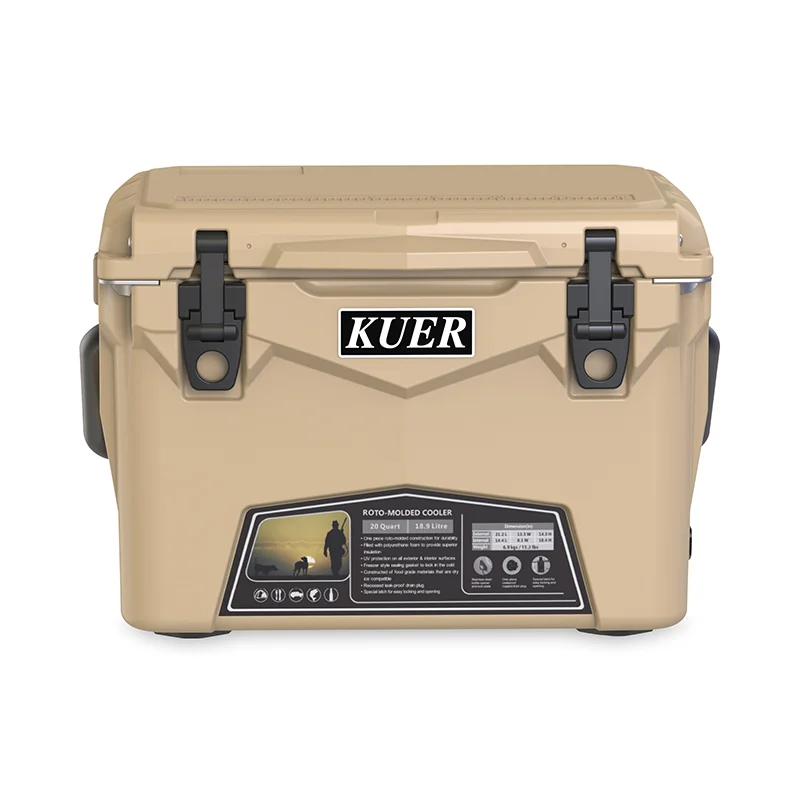
An ice cooler box is a container you can carry. It keeps food and drinks cold for a long time. People use it to store things that can spoil. They take it when they travel, camp, or go outside. The main job of an ice cooler box is to slow down warming. It does this by stopping heat from getting in. Thick insulation inside the walls helps keep it cold. Many families use an ice cooler box for picnics or road trips. The KUER 110QT Rotomolded Hard Cooler B with Wheels is very strong. It is a good choice because it is tough and reliable. This cooler has special insulation and strong materials. It keeps things cold even when it is hot outside.
Cooler boxes come in many shapes and sizes. They all work to keep things cold and safe. Some people call them ice chests or portable fridges. The design makes them easy to carry and use anywhere. Most ice cooler boxes have a lid that closes tightly. This stops warm air from getting inside.
Common Types and Sizes
Ice cooler boxes come in different sizes and styles. Small ones hold a few drinks and snacks. They are good for short trips or lunch. Medium-sized coolers fit enough food for a family picnic. Large ice cooler boxes, like the KUER 110QT, can hold supplies for many days. Some coolers have wheels and handles. This makes them easy to move.
Manufacturers use different materials to make ice cooler boxes. The table below lists common materials and their features:
| Material | Properties |
|---|---|
| Polystyrene Foam | Light, good insulation, closed-cell structure, thermal conductivity ~0.033 W/m·K |
| Polyurethane Foam | Better insulation, heavier, adds weight |
| Reflective Insulation | Reflects heat, works better with foam insulators |
A good cooler, like the KUER 110QT, uses strong materials and thick insulation. This helps the ice cooler box keep food and drinks cold for a long time. People can pick the right size and type for what they need.
How an Ice Cooler Box Works
Insulation and Temperature Control
A cooler uses insulation to keep things cold. The walls have thick foam layers inside. This foam stops heat from getting in. Polyurethane foam is the most common material. It slows down heat because it has low thermal conductivity. The lid usually has a gasket that seals tightly. This keeps cold air from escaping.
The KUER 110QT Rotomolded Hard Cooler box with Wheels is special. It is made with rotomolded construction. This makes a strong shell with no seams. The shell holds thick polyurethane insulation. This cooler can keep ice for 5 to 7 days. Most other coolers do not last as long. The table below shows how the KUER 110QT compares to others:
| Feature | KUER 110QT Rotomolded Hard Cooler B | Competitors | Traditional Ice Boxes |
|---|---|---|---|
| Ice Retention Duration | 5 to 7 days | Typically less | Few hours to a day |
| Insulation Material | Thick polyurethane (PU) | Varies (often less thick) | Lower-grade materials (styrene foam) |
| Construction Method | Seamless rotomolded | Injection/blow molded | Basic materials |
| Thermal Conductivity | Approximately 0.02 W/m·K | Higher | Higher thermal conductivity |
| Sealing Mechanism | Airtight gaskets | Basic sealing | Basic sealing |
A rotomolded cooler like the KUER 110QT keeps things below 5°C for about 63 hours. Some coolers can last even longer. The thick walls and tight seal help trap cold air. They also block heat from coming in.
Tip: Pre-chill your cooler before you pack it. This helps the insulation work better and keeps things colder for longer.
Cooling Agents (Ice Packs, Ice Cubes)
Cooling agents are important for a cooler to work well. People use ice packs or ice cubes most of the time. These cooling agents take in heat from food and drinks. When the ice melts, it keeps the inside cold. Some people use both ice blocks and ice cubes together. Ice blocks last longer, but ice cubes cool things faster.
Other choices are frozen gel packs or dry ice. Gel packs stay cold for a long time and do not leak water. Dry ice keeps things frozen but must be handled carefully. Packing pre-chilled items also helps keep things cold.
- Cooler boxes use ice packs or ice cubes to keep things cold.
- These cooling agents absorb heat and help keep food safe.
- Ice, gel packs, or pre-chilled items all work well.
- Using both ice blocks and ice cubes gives fast and long-lasting cooling.
- Special ice packs or dry ice can make cooling even better.
The cooler’s insulation traps cold air inside. It also stops warm air from getting in. This teamwork between insulation and cooling agents keeps food and drinks safe and fresh on any trip.
Cooler Box Benefits
Food Freshness and Safety
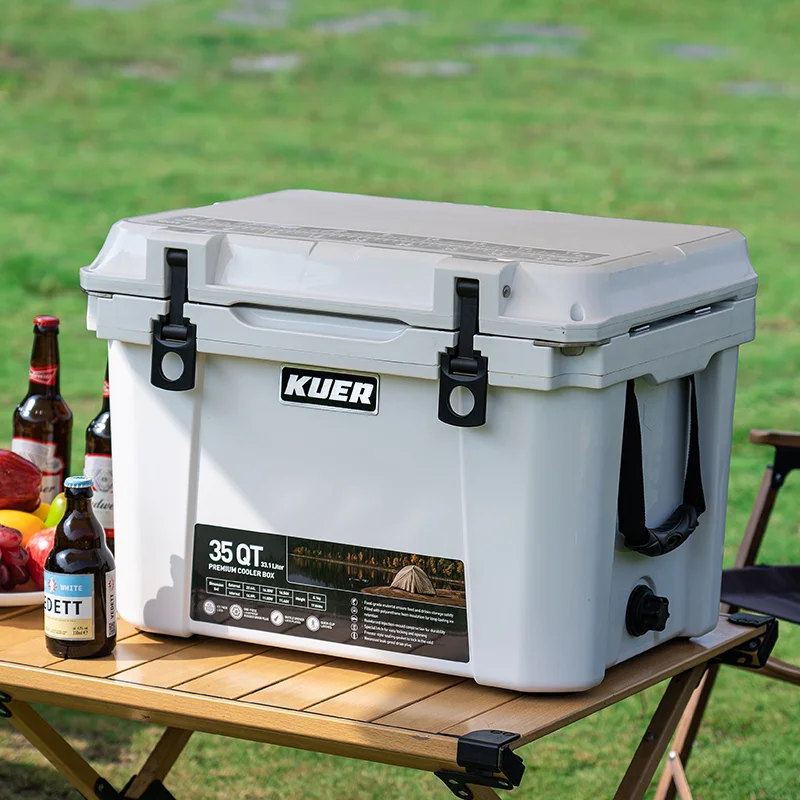
A cooler box keeps food from going bad. It uses thick insulation to keep food cold for hours. This helps stop sickness from spoiled food when you travel or go outside. People can trust a cooler to keep sandwiches, fruits, and dairy cold. The cooler box is easy to clean, so germs do not spread. Many cooler boxes use strong materials to keep temperatures steady. These features help keep food fresh for a long time.
- Insulated walls slow heat from getting in.
- Ice packs or dry ice in cooler boxes keep food safe.
- Light and clean design makes them good for trips.
| Cooler Box Type | Temperature Maintenance Duration |
|---|---|
| EPP Cooler Boxes | 24–72 hours |
| Disposable Cooler Boxes | Stable internal temperatures |
Outdoor Convenience
A cooler makes trips outside easier. People can pack food and drinks for picnics, camping, or road trips. The cooler keeps everything cold, even when it is hot. Many cooler boxes have handles or wheels to help carry them. Families can move their supplies from the car to the picnic spot easily. The surface is easy to clean, so you save time after eating. A cooler box is good for one-time events and saves money by keeping food safe.
Tip: Pre-chill your cooler before you add food. This helps it stay cold longer.
Large Capacity and Mobility
The KUER 110QT is big and easy to move. Most cooler boxes hold between 20QT and 60QT. The KUER 110QT can hold much more, so it is great for groups or long trips.
| Cooler Model | Capacity (QT) | Average Cooler Capacity (QT) |
|---|---|---|
| KUER 110QT | 110QT | 20QT – 60QT |
Locking wheels and strong handles make the KUER 110QT easy to move, even when full. People can bring enough food and drinks for everyone. This cooler lets users enjoy trips without worrying about space.
Cooler Box Tips
Packing for Maximum Cooling
Packing a cooler box the right way helps keep food and drinks cold for longer. People can follow these steps to maximize cooling:
- Use an ice-to-content ratio of 2:1. This means twice as much ice as food and drinks.
- Place block ice at the bottom. Block ice melts slower than cubes.
- Fill air pockets with ice cubes or crushed ice. This reduces warm air inside.
- Cover the top with reusable freezer sheets. These sheets trap cold air.
- Organize food by meal categories. This helps people find items quickly and keeps the lid closed.
Chilling the cooler before packing also helps. Placing the cooling box in a cold spot or filling it with ice before use keeps temperatures low. On short trips, keeping melted water inside adds extra cooling. For longer trips, draining water preserves the ice.
Tip: Pre-chill drinks and snacks before packing. Cold items stay fresh longer.
Cleaning and Maintenance
Keeping a cooler box clean prevents odors and keeps food safe. Regular cleaning is important. People can follow these steps:
- Remove leftover food, ice, and debris.
- Rinse the cooler with warm water to clear loose dirt.
- Scrub surfaces with a soft-bristle brush and mild dish soap.
- For tough stains, soak the cooler in warm soapy water for up to an hour.
- Clean moldy spots with a bleach-water solution or white vinegar.
- Let the cooler air dry with the lid open.
Using a drain plug, like the one found in KUER coolers, makes cleaning easier. The drain lets water out quickly and prevents leaks. This feature helps keep the cooler box fresh and odor-free.
Note: Avoid harsh chemicals. Store the cooler in a cool, shaded place with the lid slightly open.
Common Mistakes to Avoid
Many people make mistakes when using a cooler box. Avoiding these errors helps keep food safe and cold:
- Packing warm items lowers cooling efficiency.
- Leaving air gaps inside the cooler lets warm air in.
- Opening the lid too often causes temperature loss.
- Forgetting to clean the cooler after use leads to odors and mold.
- Not using the drain plug leaves water inside, which can cause leaks.
People who follow these tips enjoy fresh food and cold drinks on every trip.
A cooler box keeps food and drinks cold on trips outside. Some, like KUER, have strong insulation and tough walls. These coolers keep things fresh and safe for a long time. Rotomolded coolers can last many years if you take care of them. When picking a cooler box, think about these things:
- The size you need
- How good the insulation is
- How easy it is to carry
| Feature | Advanced Models (KUER) | Basic Models |
|---|---|---|
| Insulation | Strong insulation | Standard insulation |
| Construction | Robust construction | Basic construction |
| Ice Retention | Long ice retention | Shorter ice retention |
| Suitable for | Heavy-duty use | Light use |
Choosing the right cooler box helps people have fun on every trip.
FAQ
What is the best way to keep a cooler box cold for longer?
People can fill the cooler with pre-chilled items and use plenty of ice. Block ice lasts longer than cubes. Packing the cooler tightly helps keep cold air inside.
How often should someone clean a cooler box?
Cleaning after every use keeps the cooler fresh. Regular cleaning prevents odors and mold. Using mild soap and water works best.
Can a cooler box store hot food?
A cooler box can keep hot food warm for a short time. Insulation slows heat loss. For best results, wrap hot food in foil and pack tightly.
Why do some cooler boxes have wheels?
Wheels help people move heavy coolers easily. Large coolers, like the KUER 110QT, become simple to transport. Handles and wheels make outdoor trips more convenient.


 Request a quote
