
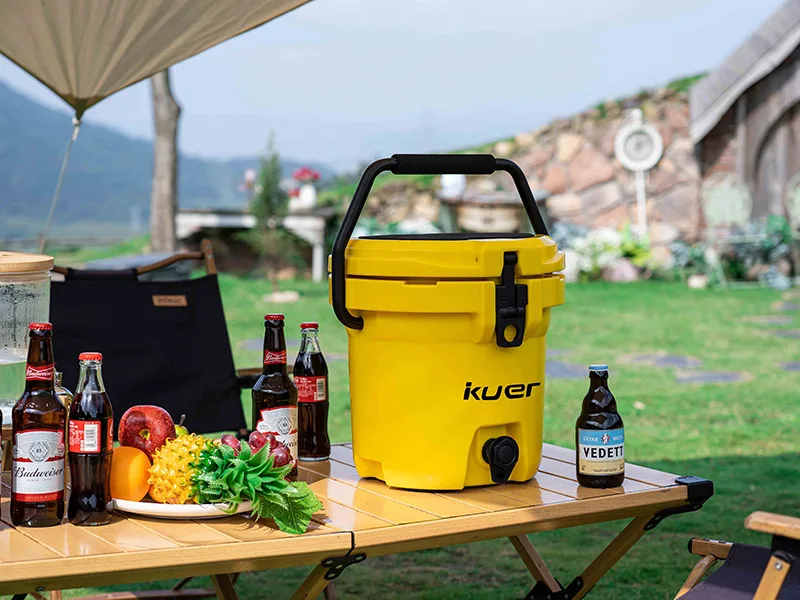
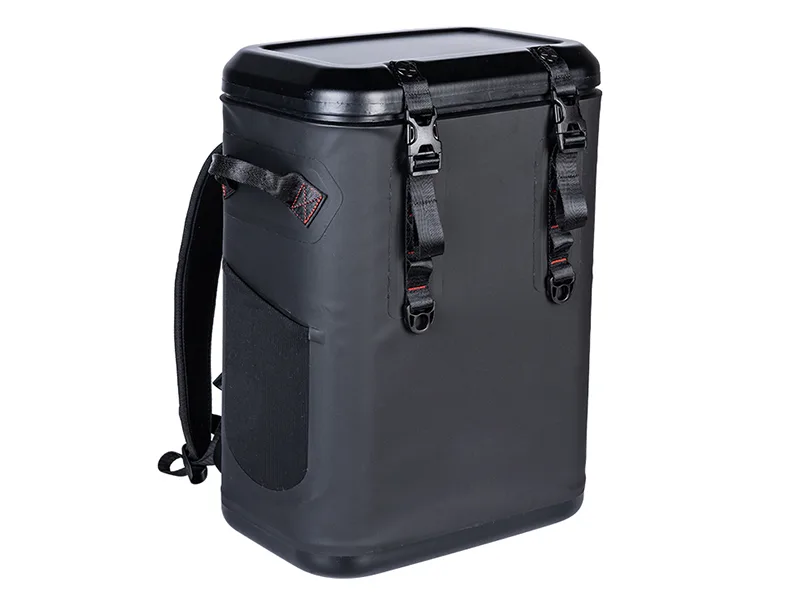
Polyurethane foam is the best insulation material for ice packs. This material effectively prevents ice from melting quickly and helps maintain a low temperature for longer. KUER custom ice buckets use special insulation to keep food and beverages cold for hours. People choose these ice buckets for outdoor trips because they need an ice bucket that is both effective at keeping ice cold and performs exceptionally well.
Key Takeaways
- Polyurethane foam is the best insulation material for ice boxes. It keeps ice solid for longer and effectively blocks heat.
- Thicker insulation helps extend the time ice stays cold. For good cooling performance, the insulation layer should be at least 2 inches (5 cm) thick, with 3 to 4 inches (7.6 to 10 cm) achieving optimal results.
- Good sealing prevents warm air from entering. Check for gaps and use sealant to extend the freezing time of the ice.
Ice Boxes Best Insulation Materials
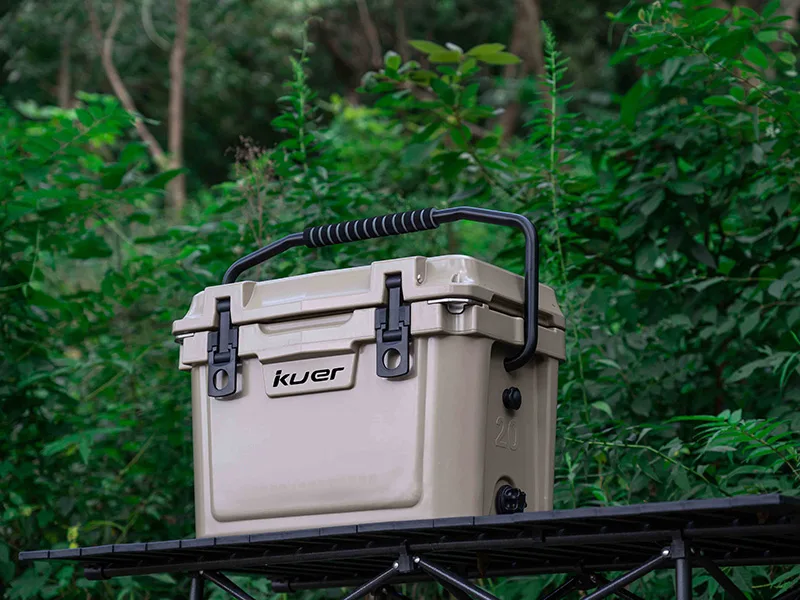
Choosing the right insulation material helps ice stay solid for longer. Different materials are researched to find the best solution. Each insulation material has its own advantages in keeping ice cold and extending its lifespan.
Polyurethane Foam
Polyurethane foam is the material of choice for ice boxes. It is a poor conductor of heat, thus effectively keeping ice at a low temperature. Even when wet, this foam has very low water absorption. Within two years, it absorbs only 0.2% of its own weight in water. This makes it ideal for outdoor use. Polyurethane foam has a high R-value, meaning it effectively blocks heat. For example, walk-in freezers can have an R-value of up to 8.06 per inch. Such a high R-value means that ice boxes using this foam can keep ice frozen for longer.
| Material | Thermal Conductivity (W/m-K) |
|---|---|
| Polyurethane Foam | 0.022 – 0.028 |
| XPS | < 0.040 |
| EPS | < 0.050 |
| Reflective Foil | N/A |
| Application | R-value per inch foam thickness |
|---|---|
| Walk-in Freezer | 8.06 |
| Walk-in Cooler | 7.19 |
| Ambient Environment | 6.71 |
KUER refrigerators use thick polyurethane foam and a special rotational molding process. A KUER 45-quart refrigerator can keep ice in place for 5 to 7 days. This clearly demonstrates why polyurethane foam is the best insulation material for refrigerators.
XPS and EPS Foam
XPS and EPS foams are also options for refrigerator insulation. XPS foam initially provides better insulation than EPS. However, over time, XPS absorbs moisture, causing its insulation performance to decline. EPS foam, on the other hand, maintains good insulation performance and is less prone to water absorption. Both foam materials are strong, helping to keep the icebox sturdy and durable.
| Property | XPS | EPS |
|---|---|---|
| Long-Term Thermal Resistance | Higher at first, drops later | Stays steady and works well |
| Moisture Resistance | Can hold water, works less | Holds little water, works well |
| Compressive Strength | Strong (40–60 psi) | Strong and costs less (up to 60 psi) |
EPS foam is the most economical insulation material for iceboxes. XPS foam costs approximately 28 cents per square foot (1 inch thick). EPS foam is cheaper, making it suitable for those looking to save money.
- EPS foam is the most economical insulation material.
- XPS foam costs approximately 28 cents per square foot (1 inch thick, 4×8 feet).
Reflective Foil Options
Reflective foil insulation reflects heat away from the icebox. It does not have the thermal conductivity of foam. It helps block heat from sunlight or warm air. Reflective foil is used inside ice boxes to enhance the insulation effect of foam. While reflective foil doesn’t replace foam, it provides better protection for ice.
Closed-Cell Spray Foam
Closed-cell sprayed foam is another high-quality insulation material suitable for ice boxes. This foam expands to fill gaps, blocking heat and moisture. Its closed-cell structure effectively prevents moisture penetration, thus extending the time ice stays cold. Sprayed foam is often used to create ice boxes of special shapes or sizes.
Other Alternatives
Several new insulation materials are being tested. Vacuum Insulation Panels (VIPs) offer excellent insulation with a thermal conductivity of approximately 5 mW/m·K. Using this panel, ice box walls can be made thinner while maintaining the ice’s low temperature for longer. Expanded polystyrene is still used, but its insulation performance is not as good as VIPs or polyurethane foam. Cornstarch-Based Insulation (PLA) is biodegradable and also provides effective insulation, but it is bulky and expensive. Environmentally conscious consumers may choose PLA for special transport applications.
| Material Type | Thermal Conductivity (mW/m·K) | Benefits |
|---|---|---|
| Vacuum Insulation Panels (VIPs) | ~5 | Blocks heat very well, lets insulation be thin, keeps things cold longer. |
| Expanded Polystyrene (EPS) | ~36 | Old-style insulation, not as good as VIPs. |
| Polyurethane Foam | ~22 | Used a lot but not as strong as VIPs. |
- Corn Starch (PLA) Decomposes in compost but is not recyclable.
- Good insulation performance.
- Large volume and high cost, therefore best suited for special environmentally friendly transportation.
Tip: KUER insulated boxes use high-strength insulation materials and tight seals to maintain ice temperature for longer periods. Its special structure and thick foam make it one of the best insulated boxes.
Ice Boxes Key Factors for Maximum Ice Retention
Thickness
Thicker cabinet walls help keep ice cold for longer. Studies show that adding just one inch (about 2.5 cm) of insulation can extend the time ice stays cold by up to 12 hours. This is because thicker insulation slows heat transfer. Most experts recommend at least 2 inches (about 5 cm) of insulation for good cooling. For optimal results, the insulation should be 3 to 4 inches (about 7.6 to 10 cm). If you want your ice to last for several days, choose an icebox with thicker walls.
- Minimum thickness for good cooling: 2 inches (about 5 cm)
- Optimal cooling: 3 to 4 inches (about 7.6 to 10 cm)
Tip: Thicker insulation means less heat gets into the cabinet, so the ice melts more slowly.
Sealing
A good seal prevents warm air from entering and keeps cold air inside. If air leaks through gaps or cracks, the ice will melt faster. Several sealing technologies help prevent air leaks:
- Professional sealants for doors, windows, and openings
- Canned spray foam for cracks and seams
- Rigid air barriers for strong seals
- Sealants for gaps
- Sealants for seams
- Aluminum foil tape for seams
- Sealing strips around the lid
People should check ice boxes for leaks and seal them to extend the freezing time of the ice.
Material Density
Material density affects the ice box’s insulation performance. Higher density initially lowers thermal conductivity, making it harder for heat to transfer. As density increases, air gaps shrink, and particles come into closer contact, thus helping to block heat. However, beyond a certain density, higher densities may become less effective. Humidity and temperature also affect the effect of density. Choosing the right density helps the ice box maintain its performance better and keeps the ice solid.
Ice Boxes Insulation Comparison
Performance and Efficiency
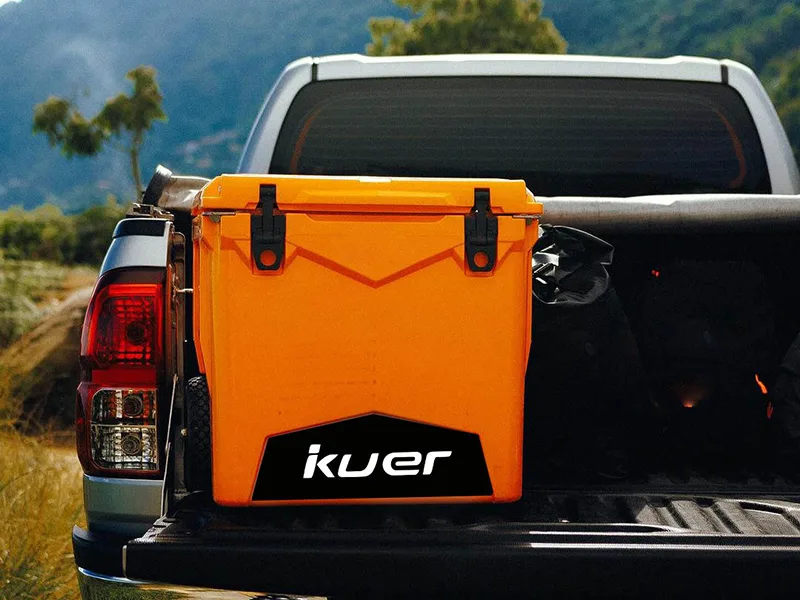
Polyurethane foam can keep ice solid for a long time. It is more effective at blocking heat than most other insulation materials. Its R-value is very high. The table below shows the performance of each material over time:
| Insulation Type | R-Value per inch | Long-term Performance (R-Value) |
|---|---|---|
| Polyurethane Foam | Up to R-8.06 | R-7.93 |
| Extruded Polystyrene (XPS) | R-5 | R-3.95 (after 12 years) |
Polyurethane foam can keep ice cold for up to 96 hours. Polystyrene retains cold better, but for a shorter time. Vacuum insulation panels retain cold for even longer, but most ice boxes do not use this type of material.
Cost and Availability
Polyurethane foam provides excellent insulation, but it is more expensive than other types of insulation. Expanded polystyrene is cheaper and easier to find, so many people choose it for making budget-friendly ice boxes. In the Asia-Pacific region, there is a greater demand for insulation performance, mainly due to increased outdoor activities and growing concerns about food safety. Companies are working to develop better ice boxes and offer more options.
Note: Polyurethane insulation panels make the insulation material smaller and lighter, making it easier for people to move the ice boxes.
Durability and Maintenance
Polyurethane foam is not easily permeable to water and is not flammable, thus having a longer lifespan in ice boxes. It adheres firmly to the outer shell and is resistant to chemical corrosion. In contrast, expanded polystyrene is more absorbent and melts at lower temperatures. Polyurethane foam keeps ice at a low temperature and safe, even outdoors. Users don’t need to spend much effort maintaining it.
Ice Boxes Applying Insulation
Measuring and Cutting
Properly measuring and cutting the insulation helps the ice box keep ice at a low temperature for longer. Manufacturers first make the outer shell and bottom, then place the support frame on the outside of the shell to ensure the thickness of the insulation. A moisture barrier, such as polyester film or aluminum foil, is laid between the outer shell and the insulation. All seams are sealed with tape. The insulation thickness should be at least 2 inches (5 cm). In hot regions or when used in refrigerators, manufacturers use 3 to 4 inches (7.6 to 10 cm) thick insulation. Polyurethane foam insulation performs well and is easy to cut with a sharp knife or saw. Installation workers handle with care to avoid damage. The stepped overlap joints at the corners enhance the cabinet’s strength and effectively prevent heat from entering. Before final assembly, workers will install insulation material on the end faces, sides, and bottom of the cabinet.
Tip: Stepped overlap joints help with insulation, keeping ice frozen for longer.
Installation Steps
Proper installation of insulation material helps the freezer perform at its best. After installing the insulation material, workers will bond the layers together. They use contact adhesive or silicone sealant. They will seal all corner seams to prevent air leakage. The order in which the insulation material is installed is important. Workers will first install the insulation material on the end faces, sides, and bottom, then proceed with bonding and sealing. KUER’s rotomolded freezers use thick foam material and a refined manufacturing process. This allows ice to stay frozen for days and extends the freezer’s lifespan.
| Step | Description |
|---|---|
| Fit insulation | Put in ends, sides, and bottom |
| Glue layers | Use contact cement or silicone caulk |
| Seal corners | Caulk all the joints |
Sealing and Safety
Sealing and safety measures are crucial for keeping ice at a low temperature and ensuring worker safety. Construction workers use sealant, duct tape, and aluminum foil to seal all gaps and seams. Sealing strips around the lid prevent warm air from entering. Workers wear gloves, goggles, and respirators while performing insulation work. They drink water and take breaks to avoid overheating. Wearing hearing protection is helpful when using noisy tools. The team follows safety rules, uses ladders correctly, and conducts emergency drills. Good teamwork and communication are key to everyone’s safety.
Note: Careful sealing and safety measures help the freezer keep ice frozen and protect everyone’s safety during installation.
Cooling Efficiency
Better insulation helps the freezer maintain a low temperature for longer. Thick layers of foam trap air, slowing heat entry, keeping the temperature stable, and significantly reducing the rate at which ice melts. Food and drinks remain safe even in hot weather. Good insulation helps the freezer perform well during long trips or outdoor activities.
Ice Retention
Cooling time refers to how long ice stays cold inside a cooler. Good insulation is crucial. Some coolers, such as the ORCA 58 Quart Cooler, can keep ice cold for over 10 days.
Better insulation means less ice melting and longer cooling time. Those who need long-term cooling should choose a cooler with good insulation.
Energy and Cost Savings
Adding insulation to your cooler can save money and energy.
- People can reduce their refrigeration costs by up to 35%.
- These savings are especially important in hot climates because ice melts quickly.
- The less energy consumed over time, the lower the bill and the more money saved.
Tip: Choosing a cooler with thicker insulation helps extend cooling time and save money.
Ice Boxes Practical Considerations
Space and Weight
The insulation layer affects the internal space and weight of the ice pack. Thicker foam walls retain cold temperatures better but reduce the space available for storing ice and food. Polyurethane foam is lightweight, making the ice pack easier to move. Even when full of food, it won’t be too heavy. If you frequently move the ice pack, it’s recommended to choose a model with wheels or handles. KUER’s rotomolded ice packs have these features, making them easy to move and more comfortable to carry.
Cleaning and Upkeep
Regular cleaning of the ice pack keeps it hygienic. Here are some simple cleaning steps:
- Remove all items and rinse the ice pack with water.
- Wash the inside with mild detergent and warm water.
- Scrub stubborn stains with a baking soda paste or vinegar.
- Clean the inside with a bleach solution or vinegar to kill bacteria.
- Remove odors with baking soda or vinegar.
- Remove mold with vinegar and scrub thoroughly.
| Tool | Purpose |
|---|---|
| Microfiber Cloth | Cleans surfaces without scratching |
| Soft Brush | Scrubs tough stains and corners |
| Baking Soda | Deodorizes and acts as a mild abrasive |
| White Vinegar | Disinfects and neutralizes odors |
| Bleach | Sanitizes the interior |
| Spray Bottle | Applies cleaning solutions |
| Dish Soap | Removes grime and residue |
Cleansing helps improve insulation and extend the freshness of ice cubes.
Budget and Customization
Customization services allow customers to choose freezers according to their needs. KUER offers a variety of sizes, shapes, and colors. These options come at no extra cost, making them suitable for most budgets. You can order a small number of freezers as needed. Customization also allows you to add a logo or special features to help your business stand out. KUER inspects each freezer to ensure its superior quality. This gives users peace of mind and satisfaction.
Tip: Custom ice buckets offer excellent insulation, are easy to clean, and can be designed to your needs. They are perfect for outdoor travel.
Polyurethane foam is the best insulation material for ice packs. It’s the preferred choice when people want ice to stay cold longer. KUER ice buckets offer superior insulation and can be customized to meet various needs. Users can optimize the performance of their ice packs to keep food and beverages chilled during outdoor trips.


 Request a quote
