

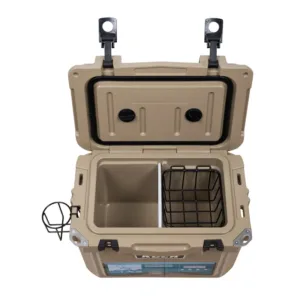
When using a cooler, you may encounter certain issues. Common complaints include:
- It is bulky and inconvenient to carry.
- It does not retain temperature effectively.
- Ice melts quickly inside the cooler.
- Cleaning the cooler is a hassle.
- You need ice to keep food chilled.
- Its capacity is limited and insufficient for the needs of a large group.
- It often performs poorly in hot weather.
- The materials used in the cooler may be environmentally harmful.
You should consider these issues before choosing a cooler.
Key Takeaways
- Cooler boxes are bulky and heavy, making them inconvenient to carry over long distances.
- Cooler boxes do not retain cold temperatures for very long; ice melts quickly, especially in hot weather.
- Cleaning a cooler box is also a hassle; certain corners are difficult to reach, making them prone to developing odors and mold.
- Cooler boxes are not suitable for frozen foods; they can only keep items cool—they cannot freeze them.
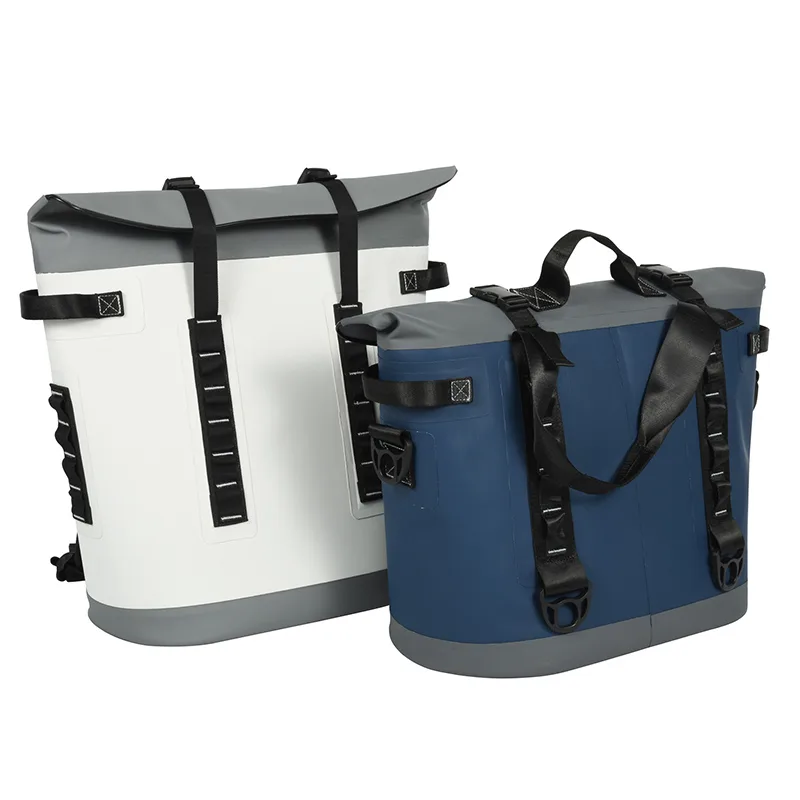
- Consider your specific needs. For short trips, an insulated bag might be a more suitable and portable option.
Bulk and Weight Issues with Cooler Boxes
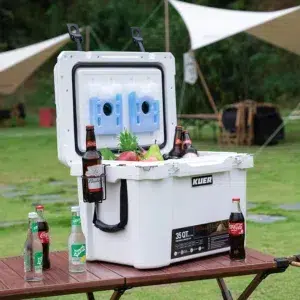
Hard To Carry Long Distances
You may notice that a cooler feels quite heavy, even before any food or drinks have been loaded into it. This difference is particularly striking when compared to a cooler bag. Cooler bags are lightweight and portable—easily carried over the shoulder—whereas a cooler box can feel cumbersome and unwieldy. If you are planning a trip to the beach or a picnic in the park, carrying a cooler box by yourself can be quite a struggle. Once you add ice and other items, the weight increases even further. This can make the long trek from the parking lot to your campsite significantly more arduous.
Tip: If you frequently travel solo or anticipate having to walk long distances, consider the maximum weight you are able to comfortably carry.
Storage Issues At Home Or In Cars
You may also find that storing a cooler when it’s not in use can be tricky. Due to its rigid shape, it takes up a significant amount of space in a garage, closet, or car trunk. If you drive a small car, fitting a large cooler alongside other gear becomes even more difficult. Unlike soft-sided cooler bags, hard coolers cannot be squeezed into tight spaces. You may need to reorganize the storage areas in your car or home just to make room for it.
If you live in an apartment or have limited space, storing a cooler can be an even bigger challenge. You should consider in advance where you will put it once your trip is over. This helps prevent clutter and keeps your home tidy.
Limited Cooling Time: Cooler Boxes Lose Cold Fast

Ice Melts Quickly
You must rely on ice cubes or ice packs to keep the food and beverages inside your cooler at a low temperature. However, this low temperature is not permanent. When you fill your cooler with ice, you may find that it begins to melt after just a few hours—especially in hot weather. External temperatures, the frequency with which the lid is opened, and the quantity of ice used all influence how long your food remains cold. If the cooler is left sitting in direct sunlight, the ice will melt even faster. By the afternoon, you may discover that your sandwiches have become soggy or that your drinks have warmed up.
Note: Even with advanced insulation technology, no cooler can completely prevent ice from melting. If you wish to keep your food cold without the need for constant monitoring, we recommend planning for shorter trips.
Frequent Refills Needed
You need to check your cooler frequently to ensure the ice hasn’t melted. Once the ice melts into water, the internal temperature of the cooler will rise. This means you must add more ice or replace the ice packs to keep your food safely chilled. If you are camping for several days, you may need to bring extra ice with you or find a nearby store to purchase some. This can be quite inconvenient, especially when you are far from town or in an area where supplies are hard to come by.
Some coolers—such as those made by KUER—can retain ice for 5 to 7 days under normal outdoor conditions. However, the actual ice retention time will vary depending on how you use the cooler. Frequently opening the lid or placing the cooler in direct sunlight will significantly reduce how long it stays cold. You should consider how much effort you are willing to put into keeping your food chilled. If you would prefer not to worry about constantly adding ice, a standard cooler might not be the best choice for you.
Tip: Filling your cooler to capacity and keeping it in a shady spot will help extend the ice retention time.
No Freezing: Cooler Boxes Can’t Keep Items Frozen
Only Keeps Items Cool
You might assume that a cooler works on the same principle as a refrigerator, but that is not actually the case. A cooler can keep food and beverages cold, but it cannot freeze them. You must rely on ice cubes or ice packs to lower the internal temperature of the box. These items can only maintain a cold temperature for a limited time. If you need to keep items like ice cream or frozen meat in a frozen state, a cooler will not yield the desired results.
Tip: If you need to keep items below freezing point, you should use a portable refrigerator.
A cooler can hold a wide variety of food and beverages. For example:
- Sandwiches
- Fruit
- Canned sodas
- Bottled water
These items can be kept fresh and cool for several hours. However, they cannot be kept in a frozen state.
Not Suitable For Frozen Goods
You may need to transport frozen foods during your travels. However, an insulated cooler cannot keep these items frozen for an extended period. As the ice melts, the temperature inside the cooler will rise. Frozen meats, seafood, or ice cream will begin to thaw, potentially leading to food safety issues. If you do not consume or cook these items promptly, they run the risk of spoiling.
The table below can help you understand the differences:
| Item Type | Cooler Box Result | Freezer Result |
|---|---|---|
| Soda | Stays cold | Freezes solid |
| Ice Cream | Melts over time | Stays frozen |
| Meat | Thaws slowly | Remains frozen |
This should be taken into account when planning your meals. If you need to keep food frozen, please look for alternative methods. Insulated coolers are best suited for keeping items cold, not frozen.
Note: Be sure to check food temperatures to ensure they are safe for consumption.
Cleaning and Maintenance Problems with Cooler Boxes
Difficult To Clean Thoroughly
You may find that cleaning a cooler isn’t quite as simple as it looks. The interior of a cooler typically features numerous nooks and crannies where food scraps, dust, or sticky stains can easily hide. If you use your cooler for outdoor activities, sand, leaves, or even insects may become lodged in these crevices. You might try wiping it down with a cloth, but some areas remain difficult to reach. Water can pool at the bottom of the box or around the lid, making it challenging to dry the cooler thoroughly. If you fail to clean every component, bacteria can proliferate, thereby compromising the safety of the food stored inside.
Tip: Use a soft-bristled brush and warm soapy water to scrub all surfaces. Before storing the cooler, be sure to rinse and dry it thoroughly.
Risk Of Odors Or Mold
If your cooler becomes damp—or if you forget to clean it after a trip—you may encounter unpleasant odors the next time you open it. Residual moisture creates an ideal environment for mold growth. Even small spills of juice or meat juices, if not cleaned up promptly, can generate strong, foul odors. Mold often manifests as black or green spots on the interior walls. Not only do these spots smell bad, but if you subsequently use the cooler to store food, they could also pose a health risk.
Here are some common reasons why coolers develop odors and mold:
- The cooler was not dried thoroughly after cleaning.
- Food scraps or spilled liquids were left inside the cooler.
- The lid was kept tightly closed during storage.
You can prevent these issues by cleaning your cooler after every use and leaving the lid open to allow for ventilation. Regular maintenance ensures your cooler stays fresh and ready for your next adventure.
Everyday Inconvenience of Cooler Boxes
Not Practical For Quick Trips
You might want to keep your drinks ice-cold during a short trip to the park or a quick outdoor lunch. In such situations, a cooler box often proves to be overly bulky. Even when holding just a few items, you still have to haul it around, find a place to set it down, and carry it with you wherever you go. This can be frustrating—especially when compared to using a cooler bag. Cooler bags are lightweight and portable; you can simply sling one over your shoulder and head out the door. A cooler box, on the other hand, requires significantly more effort to transport and set up.
If you only need to keep snacks or a few bottles of drinks chilled for a couple of hours, a cooler box may not be the best choice. You might end up spending more time packing and carrying it than you actually spend using it. For short outings, what you need is a simple, quick solution—and a cooler bag is far better suited to meet that need.
The table below can help you compare the pros and cons of cooler boxes versus cooler bags for everyday use:
| Feature | Cooler Box | Cooler Bag |
|---|---|---|
| Insulation Performance | Superior, retains cold for longer | Adequate for short-term use |
| Durability | More robust, withstands harsh use | Less durable, suited for casual use |
| Portability | Heavier, less convenient to carry | Lightweight, easy to transport |
| Capacity | Larger, suitable for groups | Smaller, ideal for individuals |
| Ideal Use | Long-term outdoor activities | Short-term needs like picnics |
Awkward For Everyday Mobility
You may find that a cooler box is not well-suited for your daily routine. If you walk, cycle, or take public transportation, carrying a bulky, oversized box can be quite cumbersome. It might bump against your legs or take up too much space. You might also struggle to squeeze it into a crowded car or stow it under your office desk. This makes it less practical for everyday use.
In contrast, an insulated bag is flexible, lightweight, and easy to carry. When not in use, you can simply fold it up and tuck it into a backpack or shopping bag. A cooler box, on the other hand, has a fixed size and shape, which limits where you can take it. If you are looking for a cooling solution suitable for daily use, you should consider how much space and effort you are willing to dedicate to carrying it.
Tip: Choose the appropriate cooling solution based on how frequently you need to transport it and the weight of the items you will be carrying.
Cost Drawbacks of Cooler Boxes
Upfront Price
You may find that the cost of purchasing a cooler can be higher than you anticipated. Pricing depends on size, brand, and features. While some coolers are affordable, high-quality models can be quite expensive. When comparing coolers with other refrigeration equipment, you will notice significant cost differences. For instance, walk-in cold storage units are considerably more expensive. The table below can assist you in making these comparisons:
| Type of Cooling Device | Average Cost Range |
|---|---|
| Cooler Box | Varies by size and brand |
| Walk-in Cooler | $6,000 – $9,000 (small) |
| Over $25,000 (large units) |
Refrigerated chests are less expensive than walk-in cold rooms. However, you still need to consider your budget. If you only use one a few times a year, you might find that it isn’t worth the cost.
Accessory Expenses
You may also need to spend extra money on accessories for your cooler. Many people purchase ice packs, cup holders, or cutting boards to enhance their cooler’s functionality. All of these items will add to the total cost. Over time, you may also need to replace worn-out parts or purchase cleaning supplies. Here are some common long-term costs:
- The initial purchase price.
- The cost of accessories, such as ice packs or storage organizers.
- The cost of cleaning supplies.
- Replacement costs for damaged parts.
You should take these additional expenses into account before making a purchase. The total cost can be quite substantial, especially if you intend to use your cooler for many years.
Tip: Create a checklist of the items you need before you buy. This will help you plan your budget and avoid unexpected expenses.
When choosing a cooler, you may encounter a few issues. Their bulky size makes them difficult to carry. Coolers are also more expensive than insulated bags. Furthermore, they take up extra space in your home or car. They are not well-suited for daily use, either. Please carefully consider your needs before making a purchase. Insulated bags are a better choice for short trips; they are lighter and easier to transport.
Insulated coolers consume less energy than portable refrigerators, which is beneficial for the environment.
FAQ
What is the main disadvantage of using a cooler box?
The size and weight of a cooler can be its biggest drawbacks. Carrying it over long distances can be strenuous, especially when it is fully loaded.
How long does a cooler box keep items cold?
Most coolers can keep items cold for anywhere from a few hours to several days. The exact duration depends on the cooler’s insulation performance, the ambient temperature, and how frequently the lid is opened.
Tip: For better cooling performance, fill the cooler to capacity and keep it out of direct sunlight.
Can you use a cooler box for frozen food?
You cannot store frozen foods in a cooler for extended periods. The ice will eventually melt, and the frozen food will begin to thaw. For frozen items, you will need a portable freezer instead.
Is cleaning a cooler box difficult?
Yes, cleaning a cooler can be somewhat of a hassle. Food scraps and liquids may get trapped in the corners. You should clean and dry the cooler after every use to prevent odors and mold growth.
Are cooler boxes good for everyday use?
Coolers are best suited for outdoor trips or group outings. For daily use, you might prefer a lightweight and compact insulated bag instead.


 Request a quote
