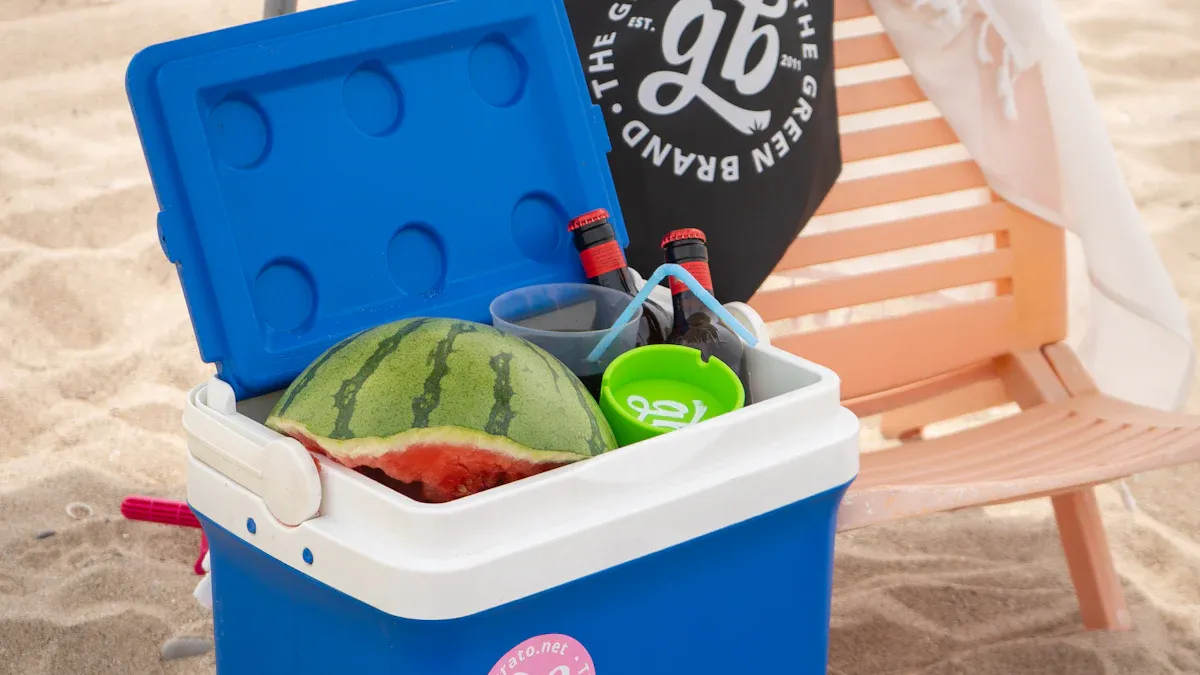

Storing food in a food cooler box keeps it safe and fresh. People must follow some easy rules to ensure safety. Temperature is very important; food stays fresh at 40°F or lower. The table below shows how temperature and time affect food safety:
|
Recommendation |
Temperature |
Notes |
|---|---|---|
|
Refrigeration |
40° F or below |
Lowers chance of getting sick |
|
Time limit for perishables |
2 hours (1 hour above 90° F) |
Stops bad germs from growing |
|
Use of thermometer |
Keep temperature steady |
Helps keep food safe |
|
Thawing food |
In refrigerator or microwave |
Do not thaw at room temperature |
He can use a plastic box or the best insulated bags for frozen food to help keep cold air inside. It’s important that raw food and cooked food do not touch, as this prevents cross-contamination. Adopting these easy habits keeps everyone safe from harmful bacteria.
Key Takeaways
-
Keep food at 40°F or lower. This stops bacteria from growing. Use a thermometer to check the cooler’s temperature.
-
Always keep raw and cooked foods apart. Put raw meats at the bottom. This stops cross-contamination.
-
Pre-chill the cooler and food before packing. This helps keep food cold for longer.
-
Use block ice instead of ice cubes. Block ice stays cold longer. It keeps food colder.
-
Clean the cooler often. Sanitize it before and after each use. This stops harmful bacteria.
Food Safety in a Food Cooler Box
Temperature Control Below 40°F
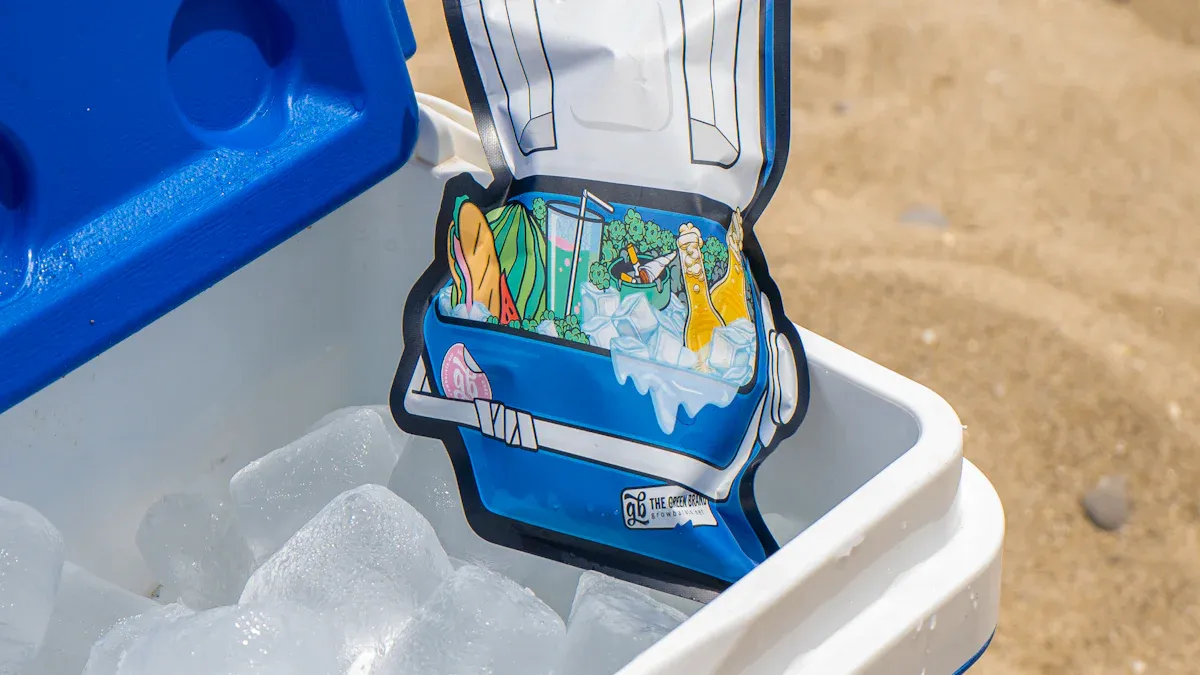
Keeping food cold is very important. Bacteria can grow fast between 40°F and 140°F. This range is called the “Danger Zone.” Many people get sick each year from foodborne illnesses. Most sickness happens when food stays in the danger zone too long. If food stays below 40°F, bacteria do not grow as quickly. This lowers the chance of getting sick. People should use a thermometer to check the temperature inside the food cooler box. This tool helps everyone know if the food is safe.
Tip: Put the thermometer in the middle of the cooler. Do not place it near the ice packs. This gives the most accurate reading.
Cleanliness and Hygiene
Cleanliness helps keep food safe in a food cooler box. Some bacteria and fungi can live in cold places. These include Listeria, Escherichia, and Penicillium. Germs can come from stores, restaurants, or homes. Studies show that most refrigerators have some bacteria or fungi inside. To stop contamination, people should clean well:
-
Wash and sanitize the cooler box before and after each use.
-
Store containers at least 6 inches off the ground. This lets air flow and keeps dirt away.
-
Use lids, plastic wrap, or aluminum foil to cover food.
-
Label containers with the food name and date.
-
Check door seals and hinges often to make sure they close tightly.
-
Replace damaged covers right away.
Note: Start cleaning with cold water. Then use warm water and a bleach solution to sanitize.
Packing Tips for Food Cooler Box
Packing food the right way keeps it cold and safe. Ice packs and insulation help during outdoor trips. Block ice melts slower than ice cubes. It keeps food cold longer. Ice packs can be used again and work best in soft coolers. People should pack food like this:
-
Put block ice or frozen ice packs at the bottom of the cooler.
-
Place meat and dairy at the bottom. Alternate layers of ice and food.
-
Put fruits or salads on top.
-
Pre-chill the cooler before adding food.
-
Use ice packs on the sides for better temperature control. Studies show that side ice packs keep meat colder and slow spoilage.
-
Keep the cooler in the shade. Wrap it with a light blanket for extra insulation.
-
Take items out quickly to keep warm air out.
-
Organize items so you can reach the foods you use most.
|
Packing Method |
Benefit |
|---|---|
|
Block ice at bottom |
Lasts longer, keeps food cold |
|
Ice packs on sides |
Better temperature control |
|
Layering food & ice |
Maximizes cold retention |
|
Pre-chilling cooler |
Lowers starting temperature |
|
Quick access packing |
Reduces warm air entry |
Tip: Use a cooler with shelves to organize food. This helps keep cold air inside.
A food cooler box works best when people follow these steps. Good packing, cleaning, and temperature control keep food safe for everyone.
How to Use a Food Cooler Box Safely
Pre-Chilling and Ice Packs
People can keep food cold longer by pre-chilling both the food cooler box and the items they plan to store. Cold food and drinks help the cooler stay at a safe temperature. If someone puts warm or room-temperature items inside, the cooler may not reach the right chill. Ice packs, block ice, or gel packs fill empty spaces and keep the temperature low. A thermometer helps check that the temperature stays at or below 41°F.
Tip: Fill all gaps with ice packs or frozen water bottles. This method keeps the cold air inside and slows down melting.
Separating Raw and Cooked Foods
Safe packing order protects everyone from harmful bacteria. Raw meat, poultry, and seafood should always stay away from ready-to-eat foods. People can use sealed containers or tightly closed bags for raw items. Placing raw foods at the bottom of the cooler prevents juices from dripping onto cooked foods. Cross-contamination can happen if raw meats touch cooked foods. Dangerous bacteria like salmonella and campylobacter can spread this way. If cooked food gets contaminated and is not reheated, it can cause illness.
Note: Use a separate cooler for raw meats if possible. If not, wrap raw items very well and keep them at the bottom.
Keeping the Lid Closed
Keeping the lid closed helps the food cooler box stay cold. Every time someone opens the lid, warm air enters and makes the ice melt faster. Less opening means less heat gets inside. A strong lid with a good seal keeps cold air from leaking out. Rubber gaskets on the lid make the seal even better. When the lid stays closed, the temperature inside remains steady and safe for food.
|
Action |
Result |
|---|---|
|
Keep lid closed |
Maintains cold temperature |
|
Open lid often |
Warms up cooler, melts ice |
|
Use strong latches |
Prevents air leaks |
People can follow these steps to keep food safe and fresh during trips or picnics.
Foods Safe for a Food Cooler Box
Perishable Foods
Some foods must stay cold to be safe. Health experts say to use a food cooler box for foods that need a fridge. Pack the cooler right before you leave home. Add lots of ice to keep things cold. Keep the lid shut to hold in the cold air. Perishable foods should stay under 40°F. This stops bacteria from growing.
Here are perishable foods that are safe in a cooler:
-
Meat
-
Poultry
-
Fish
-
Eggs
-
Dairy products
-
Cooked leftovers
-
Cut or chopped fruits and vegetables
-
Fresh fruits and vegetables
Tip: Use ice packs or frozen water bottles with these foods. This helps keep them cold for a longer time.
Foods to Avoid
Some foods should not go in a cooler. These foods can spoil fast or do not like temperature changes. Do not keep these foods in a cooler for a long time:
-
Soft cheeses (like brie or feta) if it gets warmer than 40°F
-
Mayonnaise-based salads if you open the cooler a lot
-
Unpasteurized juices or dairy
-
Foods with broken packaging
Dry snacks, whole fruits, and unopened canned foods do not need to be cold. These foods are safe at room temperature.
Special Considerations
Some foods need extra care in a cooler. Raw meat, poultry, and seafood should be in sealed containers or double bags. This stops juices from leaking onto other foods. Put raw foods at the bottom of the cooler. Ready-to-eat foods, like sandwiches or salads, should go on top. If you can, use a different cooler for drinks. This helps keep the lid closed more.
Note: Always look for signs that food is bad, like strange smells or color changes. If you are not sure, throw the food away.
How Long Food Stays Safe in a Coolbox
Time Limits
Different foods have different safe storage times in a food cooler box. People should check the recommended limits to keep food fresh and safe. The table below shows how long common foods can stay in a coolbox before they become unsafe:
|
Food Type |
Maximum Storage Time in Coolbox |
|---|---|
|
Fresh, uncured, cooked |
3 to 4 days |
|
Cured, cook-before-eating, uncooked |
5 to 7 days or ‘use by’ date |
|
Fully-cooked, vacuum-sealed at plant |
2 weeks or ‘use by’ date |
|
Fresh poultry (whole) |
1 to 2 days |
|
Fatty Fish |
1 – 3 Days |
|
Lean Fish |
6 – 8 Months |
|
Fresh Crab Meat |
2 – 4 Days |
|
Raw eggs in shell |
3 to 5 weeks |
|
Cooked meat or poultry leftovers |
3 to 4 days |
Temperature changes inside the coolbox can shorten these times. When the temperature rises and falls, moisture builds up. This extra moisture helps bacteria and mold grow faster. Food may spoil sooner if the temperature does not stay cold.
Signs of Spoilage
People should look for clear signs that food has gone bad. Spoiled food often smells strange or looks different. Some signs include:
-
Foul or sour odor
-
Unnatural colors or spots
-
Mold growth
-
Leaking containers or rising air bubbles
-
Bulging or loose lids on jars
If a jar does not have a sealed lid, he should throw it away. Vacuum-sealed bags with air leaks are not safe.
When to Discard
People should never taste food that looks or smells spoiled. Safety comes first. If food shows any signs of spoilage, they should discard it right away. The best choice is to throw out food if there is any doubt about its safety.
-
Do not taste food with spoilage signs.
-
Discard jars with bulging, loose, or unsealed lids.
-
Throw away food with leaking containers or mold.
-
When unsure, always throw the food out.
A food cooler box helps keep food safe, but people must watch for spoilage and follow time limits.
Mistakes to Avoid with a Food Cooler Box
Unsafe Practices
People sometimes make mistakes with a food cooler box. These mistakes can make food unsafe and cause it to spoil. The table below shows common mistakes and why they are bad:
|
Mistake |
Explanation |
|---|---|
|
Improper cooler selection |
Picking a cooler that is too big or small makes cooling worse. |
|
Insufficient preparation |
Not pre-chilling makes ice melt faster and food spoil sooner. |
|
Incorrect ice usage |
Using cube ice instead of block ice means food gets warm faster. |
|
Poor packing and organization |
Not using enough ice or leaving gaps makes ice melt quickly. |
|
Improper cooler handling |
Opening the cooler a lot or putting it near heat melts ice fast. |
Choose the right cooler size for your food. Always chill the cooler and food before packing. Block ice stays cold longer than cubes. Use enough ice and fill empty spaces with ice packs. Put the cooler in the shade. Only open it when you need something. This keeps food cold.
Preventing Foodborne Illness
Cleaning and checking temperatures helps stop sickness. Clean the cooler every day, week, and month. The table below lists cleaning jobs:
|
Frequency |
Cleaning Tasks |
|---|---|
|
Daily |
Wipe inside, remove trash, check drains, mop floors, clean seals |
|
Weekly |
Take out food and shelves, sanitize, clean door gaskets, check drain pan |
|
Monthly |
Deep clean all surfaces, sanitize coils, check door seals and hinges |
Check the temperature often with a thermometer. Food should be 40°F or colder. Do not let food stay in the danger zone (40°F – 140°F). This stops bacteria from growing. If you do not clean, germs can spread and food can smell bad. Cleaning keeps food safe and fresh.
Tip: Clean the cooler box before and after each use. Check the temperature every few hours when traveling.
People can keep food safe in a food cooler box by doing a few easy things. They should keep food at 40°F or colder. Block ice keeps food cold for a longer time. Pre-chill the cooler and food before packing. Put raw meats in sealed containers at the bottom. This stops germs from spreading to other foods. Watch the temperature often and use shallow containers. These steps help follow safety rules. Studies show cooling and keeping foods apart lowers sickness risk. Cleaning and checking temperatures often helps a lot. By doing these things, everyone can eat fresh food and feel safe.
Remember: Always check the temperature and keep raw and cooked foods apart.
FAQ
How often should someone check the temperature inside a coolbox?
He should check the temperature every few hours, especially during travel or outdoor events. A thermometer helps him keep food safe by showing if the temperature stays below 40°F.
Can someone use regular ice cubes instead of block ice?
Block ice lasts longer than regular ice cubes. He can use ice cubes, but food may warm up faster. Block ice helps keep the coolbox cold for a longer time.
What should he do if food in the coolbox gets warmer than 40°F?
He should throw away perishable food if it gets warmer than 40°F for more than two hours. Bacteria grow quickly at higher temperatures, which can make food unsafe.
Is it safe to store drinks and food together in one coolbox?
He can store drinks and food together, but he should keep raw meats in sealed containers at the bottom. Drinks are safe at higher temperatures, so using a separate cooler for drinks helps keep food colder.
How can someone clean a coolbox after use?
He should wash the coolbox with soap and water. He can use a bleach solution to sanitize it. Let the coolbox dry completely before storing it.

 Request a quote
