


Picture this: a family picnic gets ruined because a cooler starts leaking all over the car. The best way to prevent leaks is to start with a high-quality hard cooler that features a strong seal. Many people find that a rotomolded cooler with wheels protects food and drinks from spills during transport. Careful packing also helps. A reliable cooler box keeps everything cold and secure for hours. Simple checks make a big difference for any outdoor trip.
Key Takeaways
-
Pick a cooler that is made well and has a tight seal. A rotomolded cooler is stronger and stops spills better.
-
Check the seals and drains before you go out. Look for any cracks or worn spots to keep leaks away.
-
Put food and drinks in sealed containers. This keeps liquids inside and stops ice from making things soggy.
-
Chill your food and drinks before you pack them. Cold items help keep the cooler cold and make ice last longer, so there are fewer leaks.
-
Wash and dry the cooler after you use it. This stops mold and keeps the seals working well, so your cooler lasts longer.
Why coolers leak
Coolers play a big role in keeping food and drinks safe during outdoor trips. Sometimes, people notice water pooling under their cooler or find their food soggy. Understanding why coolers leak helps prevent these problems.
Common causes
Many coolers start to leak because of simple issues. Some coolers have poor construction. Rust, dents, or corrosion can let moisture get inside. Over time, the rubber seals or membranes on a cooler may wear out. When these parts break down, water can escape. People who forget to clean or check their cooler after each use may also see water build up inside. This water can find its way out through small cracks or gaps.
Here are some common reasons coolers leak:
-
Poor construction leads to rust, dents, and corrosion.
-
Rubber seals or membranes deteriorate and allow water to escape.
-
Neglected maintenance causes water to build up and leak out.
A cooler with strong materials and a tight seal stands up better to outdoor use. Regular care keeps the cooler working well and stops leakage before it starts.
Warning signs
A cooler often gives clues before a major leak happens. People should look for these warning signs:
-
Fluctuating temperatures inside the cooler. This can mean the seal is not working right.
-
Odd smells coming from the cooler. Strange or stale odors may point to a coolant leak or trapped moisture.
-
Water leaks around the base or lid. Damaged seals or faulty insulation can let water out and even cause mold or mildew.
Tip: Check the cooler for these signs before every trip. Early action can save food and prevent messes.
When people spot these problems early, they can fix them before a small issue becomes a big one. A well-maintained cooler keeps food cold and dry, making every outing more enjoyable.
Choosing a leak-proof cooler box
Cooler box features
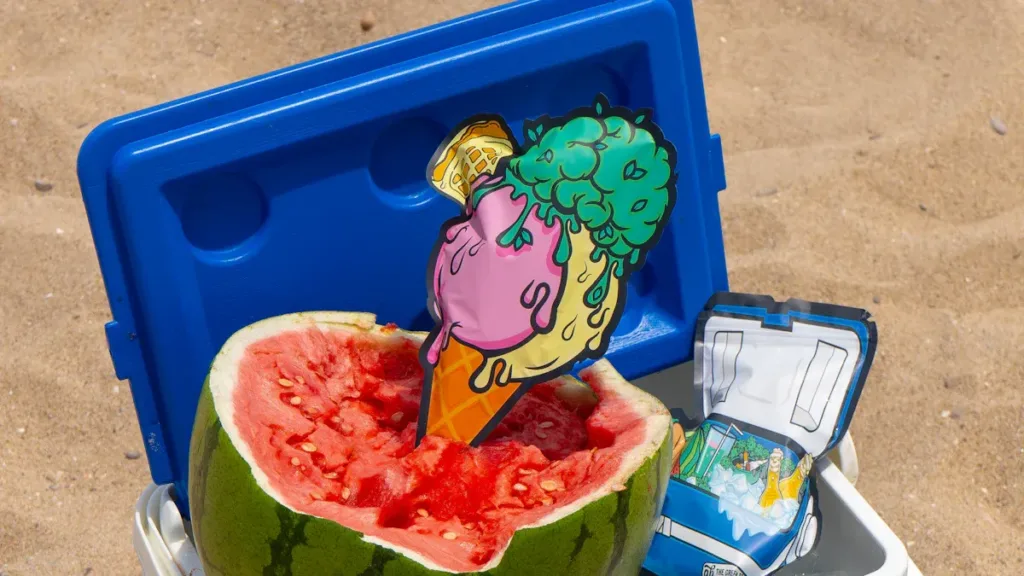
A leak-proof cooler box keeps food and drinks safe outside. Many people pick a high performance cooler box because it is strong and seals well. The KUER Cooler Box is a great choice for this. It has a rotomolded design, so it is made in one solid piece. This makes the cooler box strong against drops and bumps. There are no weak spots, so leaks are less likely.
The gasket seal is very important. A high performance cooler box has a thick gasket that fits tight around the lid. This keeps water in and stops air from getting inside. The KUER Cooler Box uses special gasket seals that last a long time. The insulation in a high performance insulated cooler keeps ice from melting fast. This helps food stay cold and dry.
The table below shows how a leak-proof cooler box is different from a standard cooler box:
|
Feature |
Leak-Proof Cooler Box |
Standard Cooler Box |
|---|---|---|
|
Construction |
Leak-proof design |
Standard design |
|
Insulation |
Enhanced insulation |
Basic insulation |
|
Usability |
Spill prevention |
No spill prevention |
Tip: A high performance cooler box with a rotomolded body and strong gasket seal stops leaks better than most standard coolers.
When to upgrade
People should get a new cooler box if they see leaks or weak seals. A high performance cooler box lasts longer and works better outside. Rotomolded cooler boxes can handle hard hits and bad weather. The KUER Cooler Box uses strong materials that work in tough places.
Gasket seals help stop leaks. Silicone gaskets can last 10–20 years or more. Nitrile and neoprene gaskets last 5–10 years. The table below shows how long each gasket material lasts:
|
Gasket Material |
Typical Lifespan |
Strengths |
|---|---|---|
|
Silicone |
10–20 years |
Heat, weather, food/medical |
|
Nitrile (NBR) |
5–10 years |
Oil/fuel, low temp |
|
Neoprene |
5–10 years |
Moderate weather, cost |
A high performance cooler box with a strong gasket and rotomolded design works better. People who want to stop leaks and keep food safe should think about getting a KUER Cooler Box.
Preparing your cooler
Inspecting seals and drains
A person who wants to prevent leaks should always check the seals and drains before packing the cooler. The rubber gasket around the cooler lid keeps water inside and helps maintain insulation. If the gasket looks cracked or worn, it may let water escape. People should press gently on the seal to test for gaps. If the seal feels loose, it needs attention.
Drains also play a big role in leak prevention. Many cooler boxes have a drain plug at the bottom. People should twist the plug to make sure it fits tightly. If the plug feels loose or shows signs of damage, water can leak out. Checking the drain for debris helps keep it working well. A blocked drain can cause water to build up inside the cooler.
Tip: Inspect the cooler lid and drain plug before every trip. Early checks help stop leaks and keep food safe.
Cleaning and drying
Cleaning the cooler box after each use helps prevent leaks and keeps food fresh. People should follow these steps for the best results:
-
Remove all items from the cooler and rinse the inside with warm water.
-
Wash the interior with mild, unscented dish soap and a soft sponge. Pay close attention to corners and crevices.
-
Rinse thoroughly to remove all soap residue.
-
Wipe the exterior with a soft cloth and detergent solution.
-
Dry the cooler completely with a microfiber towel. Leaving moisture inside can cause rust and mildew.
-
For tough stains, use a baking soda paste and scrub gently.
-
To remove odors, apply a vinegar solution and let it sit before rinsing.
-
Store the cooler in a cool, shaded area with the lid slightly open. This allows air to circulate and prevents mold.
A clean cooler box works better and lasts longer. Regular cleaning keeps the seals strong and the insulation effective. Proper drying stops mold and mildew from forming inside the cooler.
Note: Deep cleaning at the end of each season removes lingering odors and bacteria. Storing the cooler properly protects it from damage.
Packing your cooler box
Proper cooler packing helps prevent leaks and keeps food safe during any trip. People who follow a few simple steps can enjoy cold drinks and fresh meals without worrying about spills.
Use sealed containers
Sealed containers play a big role in stopping leaks inside a cooler. People should choose meal boxes with leak-proof designs, especially for soups or sauces. Airtight lids or glass meal boxes work well because they seal tightly. Silicone seals on lids add another layer of protection. Before placing containers in the cooler, check that each lid closes securely. Overfilling containers can cause leaks, so leave a little space at the top. For extra safety, place containers in large Ziplock bags. This step adds a barrier in case a container opens by accident. People should also keep containers flat inside the cooler to avoid spills.
Here are some steps for using sealed containers:
-
Select leak-proof meal boxes for liquids.
-
Avoid overfilling to reduce pressure on the lid.
-
Use containers with silicone seals for extra leak protection.
-
Double-check that lids are closed tightly.
-
Place containers in Ziplock bags for added security.
-
Keep containers level inside the cooler.
Tip: Using sealed containers and Ziplock bags helps keep the inside of the cooler clean and dry.
Separate ice and food
Separating ice from food helps keep everything fresh and dry. When ice sits directly on food, it can cause sogginess and increase the risk of leaks. People can use a wire-coated shelf or a chopping board to create a barrier between ice and food. This method keeps food items out of melting water and helps manage condensation. Some people place frozen water bottles or gel packs on a shelf, then put food underneath. This setup keeps food cold without letting it get wet.
-
A wire shelf or chopping board separates ice from food.
-
Food stays dry and fresh, even as ice melts.
-
Frozen jugs or gel packs on top help control temperature.
KUER Cooler Box offers accessories like chopping boards and gel packs. These tools make cooler packing easier and help organize food and drinks. Using these accessories keeps everything in place and reduces the chance of leaks.
Note: Keeping food and ice separate is a simple way to improve cooler performance and prevent soggy meals.
Pre-chill contents
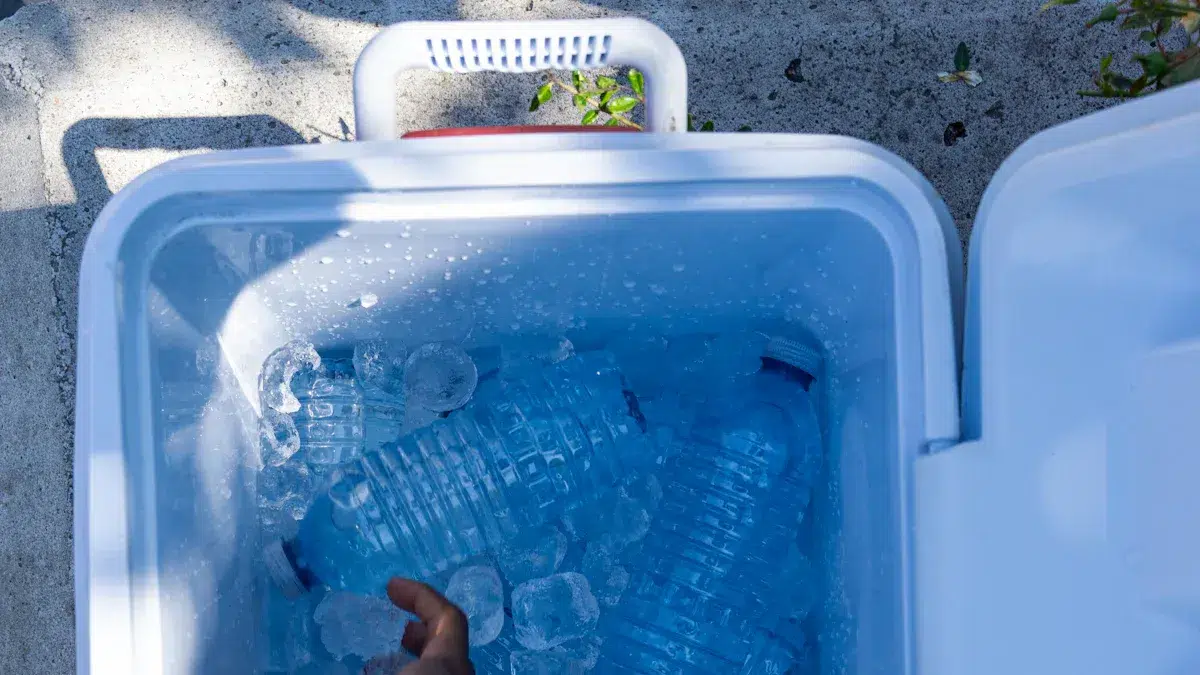
Pre-chilling food and drinks before packing them in the cooler makes a big difference. Cold items help the cooler stay at a low temperature for longer. Warm items cause ice to melt faster, which can lead to leaks as water builds up inside. People should place drinks and snacks in the fridge or freezer the night before a trip. Freezing water bottles overnight also works well. These bottles act as ice packs and provide cold water to drink later.
-
Pre-chilled items keep the cooler cold longer.
-
Cold food and drinks reduce ice melt and condensation.
-
Less melting means less water and fewer leaks.
Tip: Always chill food and drinks before cooler packing. This step helps prevent leaks and keeps everything fresh.
Careful cooler packing, sealed containers, and smart use of accessories help prevent leaks. People who follow these steps can enjoy worry-free outings with their KUER Cooler Box.
Handling ice and liquids
Ice packs vs. loose ice
Picking between ice packs and loose ice matters for leaks. Ice packs are sealed, so water stays inside. This lowers the chance of spills. Loose ice melts and turns into water. If the cooler is not closed tight, water can leak out. People who want to keep things dry often use ice packs. Ice packs help keep the cooler cold and dry.
|
Feature |
Ice Packs |
Ice |
|---|---|---|
|
Leak Risk |
Low risk because they are sealed. |
High risk since ice melts to water. |
Ice packs also last longer than loose ice. They do not add extra water to the cooler. This helps keep food dry and makes ice last longer.
Using dry ice
Dry ice is good for long trips. It keeps things frozen and makes ice last longer. People must be careful when using dry ice. Dry ice lets out carbon dioxide gas as it warms up. The gas needs to get out, or pressure can build up.
-
Wear gloves or use tongs.
-
Never touch dry ice with bare hands.
-
Keep dry ice in a cool, open place.
-
Do not use airtight containers for dry ice.
-
Open windows or let in fresh air when moving it.
Dry ice works best when people use it safely. It keeps food frozen and stops water from building up in the cooler.
Managing excess water
Getting rid of extra water in a cooler helps stop leaks. It also keeps food safe. People should check that all zippers and closures are tight. Using more ice packs and less loose ice helps lower water inside. Cleaning the cooler after each use keeps seals strong. People should not put too much stuff in the cooler. Overloading can hurt the seals and cause spills.
|
Measure |
Description |
|---|---|
|
Proper Sealing |
Make sure closures are tight. |
|
Use Ice Packs |
Use ice packs to lower water. |
|
Regular Cleaning |
Clean after each use to keep seals strong. |
|
Don’t Overload |
Do not stuff the cooler to protect the seals. |
These habits help keep coolers working well and stop leaks.
Extra leak barriers
Liners and bags
Many people use liners and bags in their cooler boxes for extra leak protection. Liners make a wall between the cooler and what is inside. Bags help keep food and drinks dry, even if ice melts. Outdoor fans often pick welded liners made from PEVA or TPU. These liners have seams that are melted together, so water cannot get through. Waterproof zippers keep everything inside the bag dry. Drain ports let you pour out melted ice water, which stops leaks when moving the cooler.
|
Type of Liner/Bag |
Features |
Benefits |
|---|---|---|
|
Welded Liners (PEVA, TPU) |
Heat-welded, no stitching |
Stops water from leaking through seams |
|
Waterproof Zippers |
Seals contents |
Keeps things dry if the bag tips over |
|
Drain Ports |
Lets out melted water safely |
Stops leaks when ice melts |
People who use liners and bags see less mess in their cooler boxes. Liners also make cleaning up after a trip much easier. Waterproof bags keep snacks and drinks safe from wet ice. Drain ports help get rid of extra water, so the cooler stays dry.
Tip: Pick liners with melted seams and waterproof zippers for the best leak protection.
Covering food
Covering food in a cooler box helps stop leaks and keeps food fresh. People use strong, waterproof, and leak-proof food containers. Screw-top containers are good for liquids because they close tight. Wrapping food tightly keeps liquids from mixing, even when ice melts. These steps keep food dry and safe.
-
Strong, waterproof, and leak-proof containers stop leaks.
-
Screw-top containers keep liquids inside.
-
Wrapping food tightly keeps liquids apart.
People who cover food the right way have fewer spills and less soggy food. These habits help keep the cooler box neat and clean. Food stays fresh and drinks stay cold.
Note: Always use leak-proof containers and wrap food well before packing the cooler.
Cooler placement and care
Keep upright
People often overlook the importance of keeping a cooler box upright during transport and use. When a cooler sits upright, the seal around the lid works best. Water stays inside, and food remains dry. If someone tilts or flips the cooler, melted ice can move toward the lid and find weak spots. Liquids may escape through the drain plug or around the gasket. Upright placement also helps the insulation work efficiently. Cold air stays inside, and warm air stays out.
A few simple habits help keep a cooler upright:
-
Place the cooler on a flat surface.
-
Avoid stacking heavy items on top.
-
Secure the cooler in vehicles to prevent tipping.
Tip: Always check the cooler’s position before starting a trip. Upright placement protects food and prevents leaks.
Avoid rough handling
Rough handling increases the risk of leaks in cooler boxes. When people drop or bump a cooler, the impact can damage the body or the seal. The EPP material in many cooler boxes resists shocks and vibrations. This tough material helps protect the cooler from everyday bumps. However, repeated rough handling can weaken the structure. Cracks or dents may form, and the seal may not close tightly. Damaged coolers often leak water and lose their ability to keep food cold.
People should follow these steps to avoid rough handling:
-
Lift the cooler with both hands using the handles.
-
Set the cooler down gently.
-
Avoid dragging the cooler across rough surfaces.
-
Store the cooler in a safe spot away from sharp objects.
|
Action |
Result |
|---|---|
|
Gentle lifting |
Protects handles and seals |
|
Careful placement |
Prevents cracks and dents |
|
No dragging |
Keeps bottom intact |
Note: Treating the cooler with care helps it last longer and keeps leaks away.
Cooler box maintenance
Clean after use
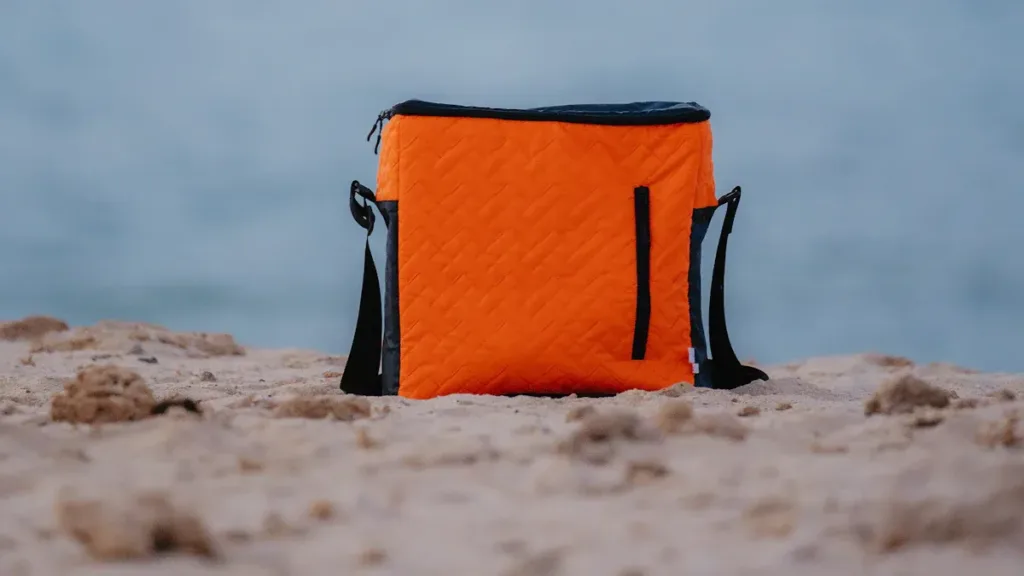
A clean cooler lasts longer and works better. After every trip, people should empty the cooler and wash it with mild soap and water. They should scrub all corners and rinse away any food or drink spills. Cleaning the cooler inside and out helps prevent stains and odors. It also stops mold and bacteria from growing. People should clear the drain lines to keep water flowing out. Drying the cooler completely before storage prevents moisture from causing leaks or damage.
Tip: Let the cooler air-dry with the lid open to avoid trapped moisture.
Check and replace seals
Seals and gaskets keep the cooler leak-proof. People should inspect the hinges, latches, and gaskets every week. They can use the “dollar bill test” to check if the seal is tight. If a dollar bill slides out easily when the lid is closed, the seal may need repair. Cleaning the gasket monthly removes dirt and mold. If the seal looks cracked or worn, people should replace it right away. Closed cell foam tape works well for repairing seals. Its structure blocks air and water, making it a strong choice for cooler maintenance. For small cracks in the cooler body, waterproof epoxy can seal the area and stop leaks.
-
Inspect seals and gaskets weekly.
-
Clean gaskets monthly.
-
Use closed cell foam tape for seal repair.
-
Apply waterproof epoxy to fix cracks.
Store properly
Proper storage keeps the cooler in good shape during the off-season. People should always store the cooler clean and dry. Using a cover protects it from dust and moisture. Storing the cooler on a shelf or raised surface improves airflow and reduces condensation. Placing silica gel packets inside the cooler absorbs leftover moisture. These steps help prevent leaks and keep the cooler ready for the next adventure.
Note: Regular inspection and care help prevent leaks and extend the life of any cooler.
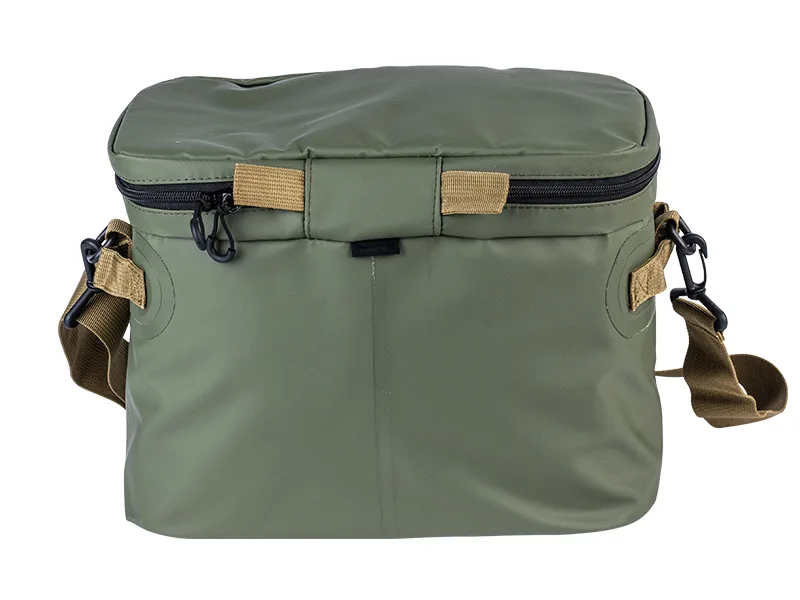
Outdoor experts say there are easy ways to stop cooler leaks. You can put a plastic tub insert in soft-sided coolers. Heavy-duty plastic bags work well for lining the cooler. Change the ice in trash bags often to keep things dry.
A good cooler box like KUER gives strong leak protection. The table below lists important features and what they do:
|
Feature |
Benefit |
|---|---|
|
One-piece seamless structure |
Stops leaks from happening |
|
Food-grade PE materials |
Safe, blocks sun and rust |
|
Stability in hot or cold |
Works well in any weather |
Picking the best cooler and using these tips helps everyone have fun without leaks.

 Request a quote
