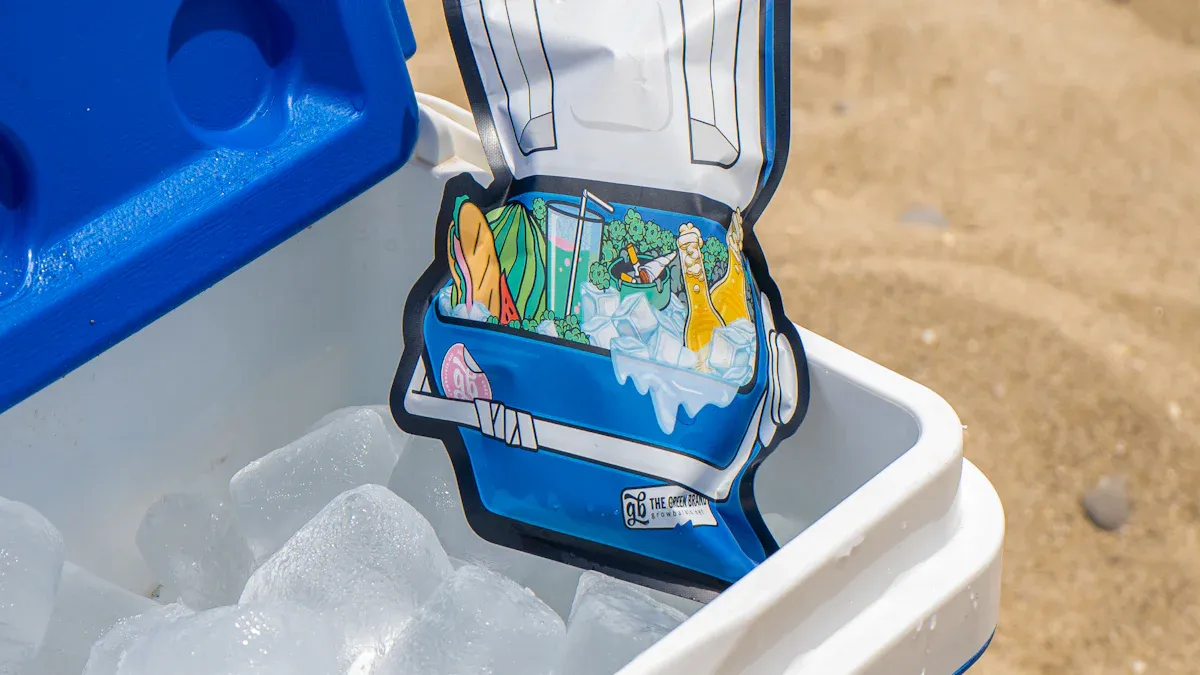

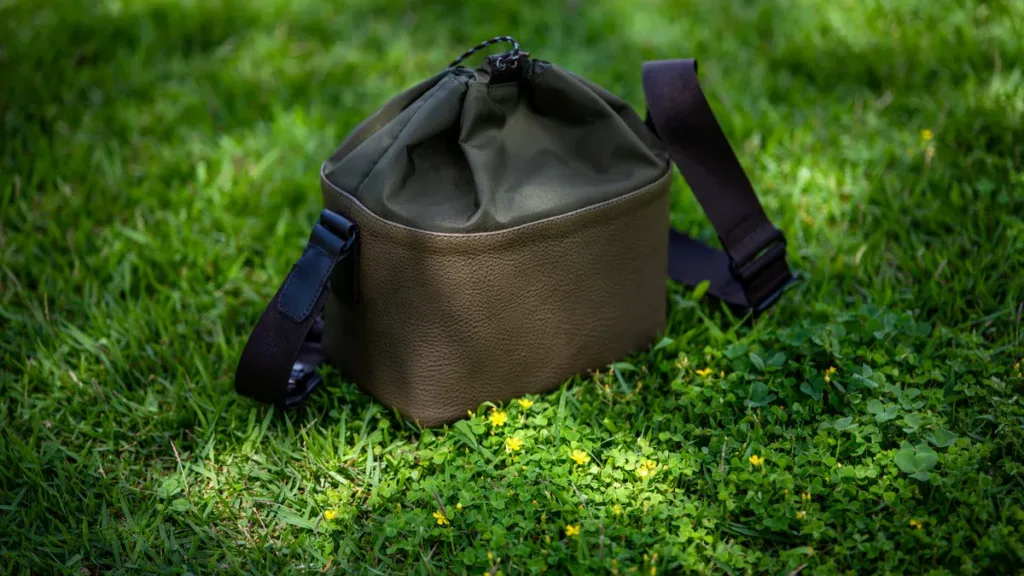
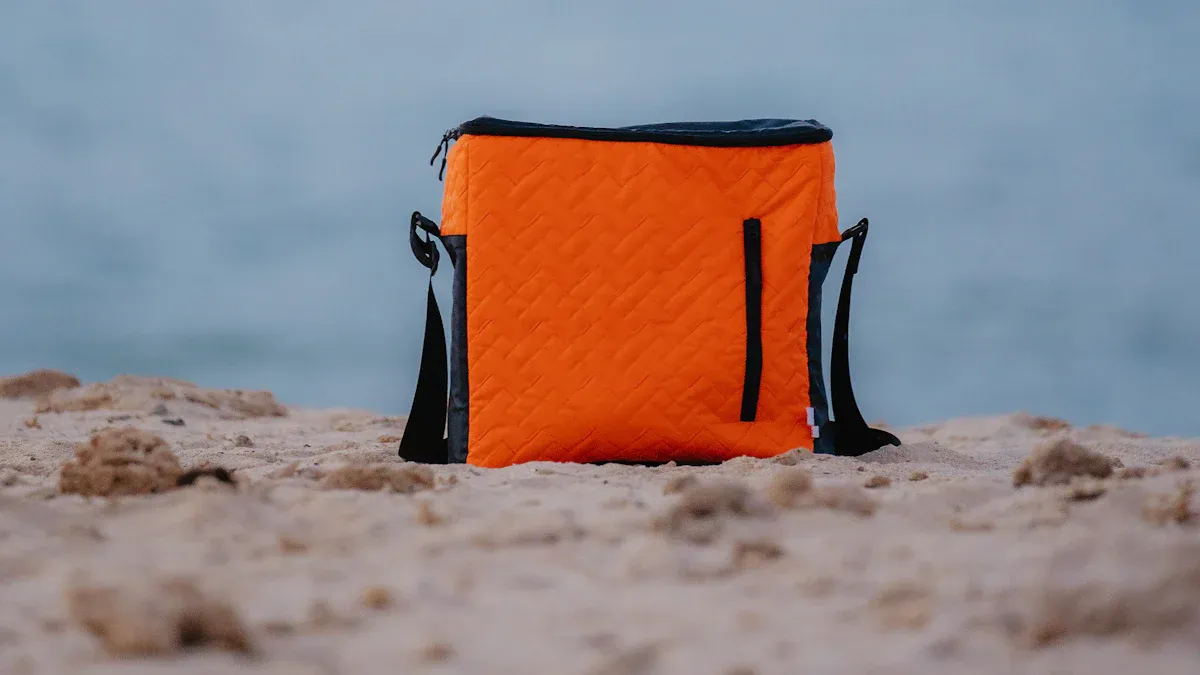
To organize a cooler bag, people should group items by type. Use leakproof containers to stop spills. Add extra insulation to keep things fresh longer. The Cooler Bag is flexible and has lots of space. It works well for trips outside and for daily use. Many people pick best cooler bag, as these bags keep food cold and safe. They protect food that can spoil and help stop waste. Reviews say lightweight bags, including small portable cooler bag, are easy to carry. Leakproof insides and simple pockets help a lot. Even small cooler bags are handy for any trip.
Here’s why people like cooler bags:
Reason
Description
Cost-effectiveness
Saves money over time compared to single-use options
Temperature regulation
Keeps food safe and cold
Lightweight design
Easy to carry without discomfort
Storage convenience
Folds away when not in use
Key Takeaways
-
Sort items by type. This helps you keep your cooler neat. It also makes it easy to find things.
-
Chill your cooler bag before you pack it. Chill the food and drinks too. This helps them stay cold longer.
-
Use containers that do not leak. This stops spills. It also keeps your food fresh while you travel.
-
Put ice at the bottom of the cooler. Place lighter things on top. This keeps heavy items from crushing others.
-
Keep foods that spoil under 40°F. This stops them from going bad. It also keeps your food safe to eat.
Prep Items for Your Cooler Bag
Pre-chill Bag and Contents
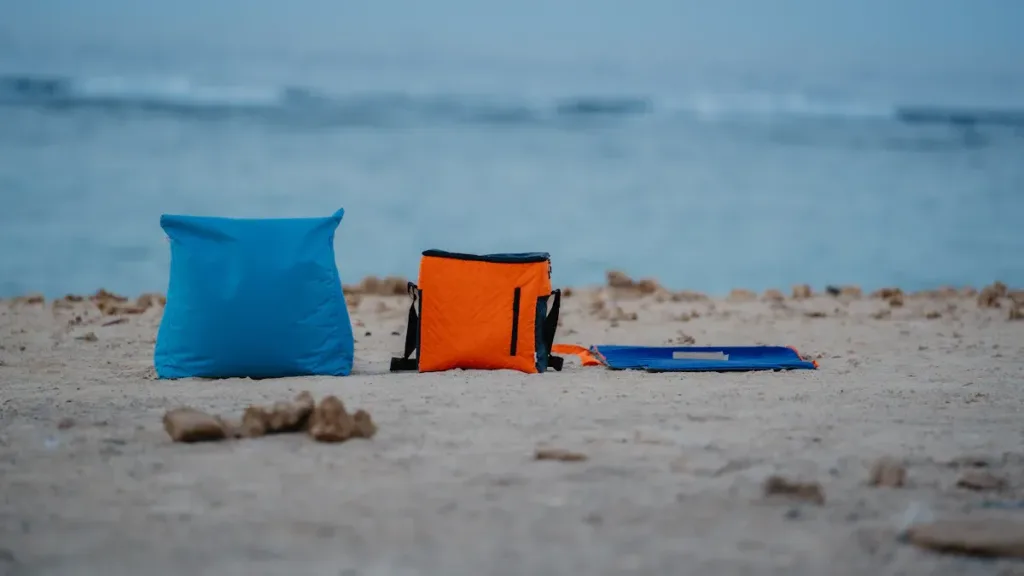
Experts say you should chill your cooler bag first. This helps it stay cold longer. Many people put ice in the bag for hours or overnight. Cold drinks and snacks help keep everything cool. If you start with cold items, the insulation works better.
Tip: Chill both the bag and what goes inside to help keep things cold.
-
Chill the bag before you pack it so it stays cold longer.
-
Make food and drinks cold for a few hours or overnight.
-
Put ice in the bag before you use it to cool the walls.
Use Leak-Proof Containers
Strong, waterproof containers keep food fresh and stop spills. Experts say to take off extra packaging to save space. Leak-proof containers protect the inside of the cooler bag and help you organize. People use air-tight bags or containers for liquids and sauces.
Note: Leak-proof containers make packing your cooler easier and safer.
|
Step |
Description |
|---|---|
|
Remove Packaging |
Take off extra packaging to make more room. |
|
Use Containers |
Pick strong, waterproof containers for all your food. |
|
Freeze Items |
Freeze things that can be frozen to use as extra ice. |
Separate Raw and Ready-to-Eat Foods
Food safety rules say to keep raw and ready-to-eat foods apart. Put raw meat in a different cooler if you can. If you only have one cooler bag, put raw meat at the bottom so it does not leak. Use air-tight bags or containers to stop germs from spreading.
-
Pack raw meat by itself or at the bottom.
-
Use sealable containers for all raw foods.
-
Keep ready-to-eat foods and drinks in their own spot.
People also use different cutting boards for raw and ready-to-eat foods. This helps stop germs from spreading. Organizing by food type keeps things safe and easy to find.
Packing Strategy for Cooler Bags
Layer Food and Drinks
A smart cooler packing method starts with careful layering. Begin by placing a layer of ice or ice packs at the bottom of the cooler bag. This base keeps the temperature low from the start. Next, add heavier items like drinks or containers of potato salad. These items sit well on the ice and help press the cold air downward. Lighter foods, such as sandwiches, chips, or pre-cut fruit, go on top. This order prevents delicate foods from getting squished.
Tip: Place more ice or frozen water bottles on top to keep everything cold from all sides.
A good layering strategy looks like this:
-
Ice or ice packs at the bottom.
-
Heavy food and drink containers in the middle.
-
Lighter snacks and ready-to-eat items on top.
-
Another layer of ice or frozen packs above the food.
Fill empty spaces with soft items, like towels, to block warm air and keep the cold inside. This method helps the cooler bag maintain a steady temperature for hours.
Use Large Ice Blocks
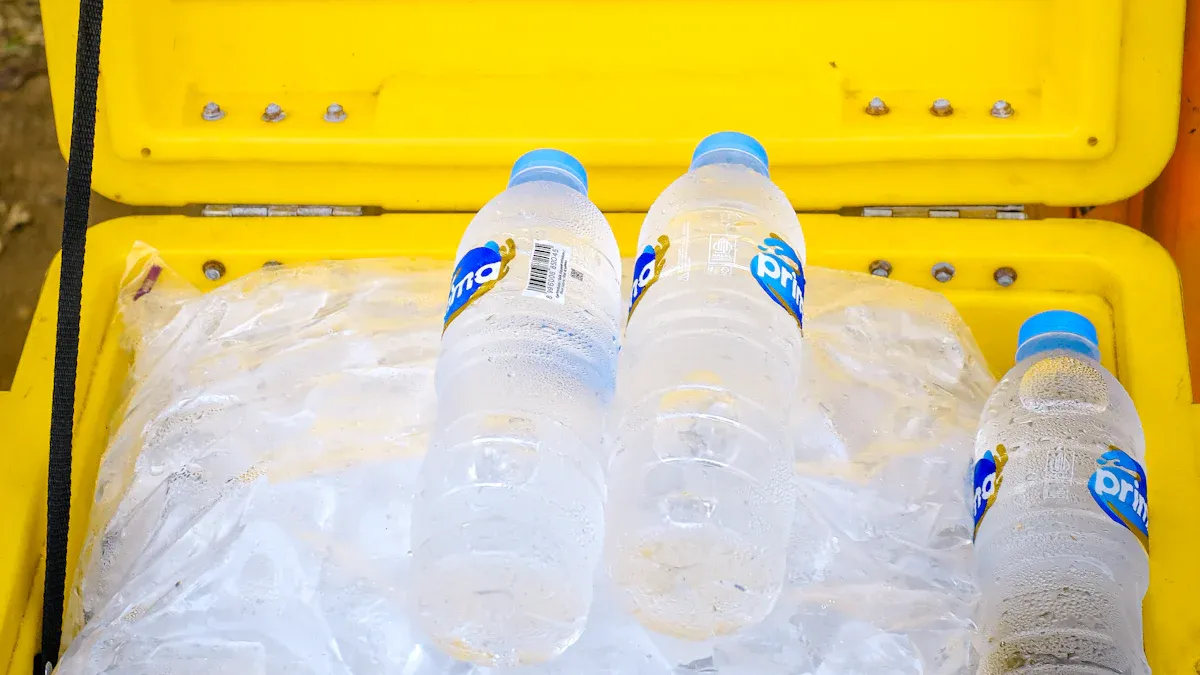
Large ice blocks or frozen water bottles work better than small ice cubes. Block ice melts slower, so it keeps the cooler bag cold for a longer time. Cubed ice chills food quickly but does not last as long. Reusable ice packs also help because they do not make food wet and last longer than regular ice.
-
Place block ice or frozen packs at the bottom for the best cooling.
-
Use frozen water bottles for extra cold and a drink later.
-
Avoid loose ice cubes if you want to keep food dry.
A well-packed cooler bag with large ice blocks can keep food safe for up to 24 hours, especially when packed tightly. Here is a quick look at how long different cooler bags keep food cold:
|
Type of Cooler Bag |
Duration of Temperature Maintenance |
|---|---|
|
Insulated Bags |
4 to 6 hours |
|
Soft-Sided Bags |
Up to 24 hours |
|
Hard-Sided Bags |
Several days |
For best results, experts recommend filling about two-thirds of the cooler bag with ice and one-third with food and drinks.
|
Source |
Recommended Ratio |
|---|---|
|
Soyeah Outdoors |
66% ice, 33% contents |
|
Arctic Zone |
66% ice, 33% consumables |
|
Popular Science |
66% ice, 33% food/drink |
|
Engel Coolers |
66% ice, 33% drinks/food |
Organize by Type and Access
Organizing food and drinks by type makes it easy to find what you need. Use compartments or containers to separate items like fruits, sandwiches, and snacks. This method prevents cross-contamination and keeps everything neat. Place perishable foods, such as salads or meats, near the ice packs. Keep drinks and snacks that people grab often on top or in side pockets for quick access.
-
Separate dry and wet items to avoid soggy food.
-
Use waterproof bags or sealed containers for wet foods.
-
Place a waterproof liner at the bottom to catch leaks.
Common foods for a day trip include chips, pre-cut fruit, veggies, dips, potato salad, granola bars, nuts, jerky, sweets, water, soda, juice boxes, and hydration packets. Packing these items in groups helps everyone find what they want fast.
Note: A well-organized cooler bag saves time and keeps food safe and fresh.
A good cooler packing plan uses layers, large ice blocks, and smart organization. This approach keeps food cold, easy to reach, and ready to enjoy.
Keep Cooler Bag Cold
Avoid Sunlight Exposure
Sunlight makes cooler bags warm up fast. Always put your cooler bag in the shade. You can use trees, umbrellas, or tents for shade. Hot days make cooler bags work harder to keep food cold. Cooler bags stay cold easier on cloudy days. The table below shows how weather changes cooler bag performance:
|
Factor |
Impact on Cooler Bag Performance |
|---|---|
|
Hot and Sunny Days |
Cooler bags work harder to stay cold |
|
Cool and Cloudy Days |
Cooler bags stay cold more easily |
|
Ambient Temperature |
Changes how fast heat gets inside |
You can wrap your cooler bag with shiny material like aluminum foil. This helps block heat and keeps food safe.
Use Towels or Covers
Towels and covers help keep cooler bags cold. Put a towel at the bottom to protect food from heat. Fill empty spaces with towels to keep cold air inside. Some people cover the whole cooler bag with a wet towel. This helps keep it cool longer, especially on hot days.
-
Towels at the bottom help keep food cold.
-
Filling gaps with towels keeps cold air in.
-
Covering the bag with a wet towel helps keep it cool.
Drain Melted Ice
When ice melts, it turns into water. Water makes the rest of the ice melt faster. Pour out melted water to keep the cooler bag cold longer. Check the bag every few hours and drain any water. Keeping the inside dry helps slow down melting and keeps food from getting soggy. Try to keep the lid closed as much as you can to keep the cold air in.
Tip: Drain melted ice often to keep food cold and fresh.
If you follow these steps, your cooler bag will stay cold and your food will be safe on any trip.
Cooler Bag Food Safety
Use a Thermometer
It is important to keep food at the right temperature. People use thermometers to check if their cooler bag is cold enough. Electronic thermometers show the temperature quickly and clearly. Some people like old mercury thermometers because they are simple. Special cooler thermometers warn you if it gets too warm. Many thermometers have extra features like lights, magnets, solar power, or remote sensors. These tools help you watch the temperature inside your cooler bag while you travel.
Tip: Put a thermometer in the middle of the cooler bag for the best reading.
Keep Perishables Below 40°F
Cold food stops bacteria from growing. Experts say to pack cold foods straight from the fridge or freezer. Some people freeze food before a trip to keep it fresh longer and use it as ice packs. Chill your cooler bag with ice packs or ice for a few hours before packing. Put heavy items at the bottom and use airtight containers to trap cold air. Block ice or good ice packs work best. Shade keeps your cooler bag from getting hot. Try not to open the bag too much to keep food cold.
|
Official Food Safety Guidelines |
Description |
|---|---|
|
Refrigerate or freeze perishables within two hours of purchase |
Reduces risk of spoilage |
|
Use a thermometer to ensure temperature stays at or below 40°F |
Prevents foodborne illness |
|
Never defrost food at room temperature |
Keeps food safe |
Note: Do not leave cold foods out for more than two hours.
Handle Liquids Safely
Liquids can spill and make a mess. Use leak-proof containers for drinks and sauces. Pack liquids in strong bags or containers to stop spills. Clean your cooler bag after every trip to stop mold and bad smells. Wipe it with gentle soap or spray to keep it safe for food. Some people clean with vinegar and water. Soap and warm water work well for cleaning. Let the cooler bag dry before you put it away.
-
Clean your cooler bag after each use.
-
Use leak-proof containers for all liquids.
-
Let the bag dry fully before storing.
Reminder: Cleaning your cooler bag often keeps it safe for every trip.
Organizing a cooler bag helps keep food fresh and safe during any outing. People can follow these steps for the best results:
-
Choose a cooler bag with compartments.
-
Pre-chill the bag and all items.
-
Use containers to separate food.
-
Layer items for easy access.
-
Keep dry and wet foods apart.
-
Pack a checklist for each trip.
A well-organized cooler bag maintains temperature, prevents spoilage, and makes snacks easy to find. With these tips, everyone can enjoy fresh food and cold drinks wherever they go.
 Request a quote
