
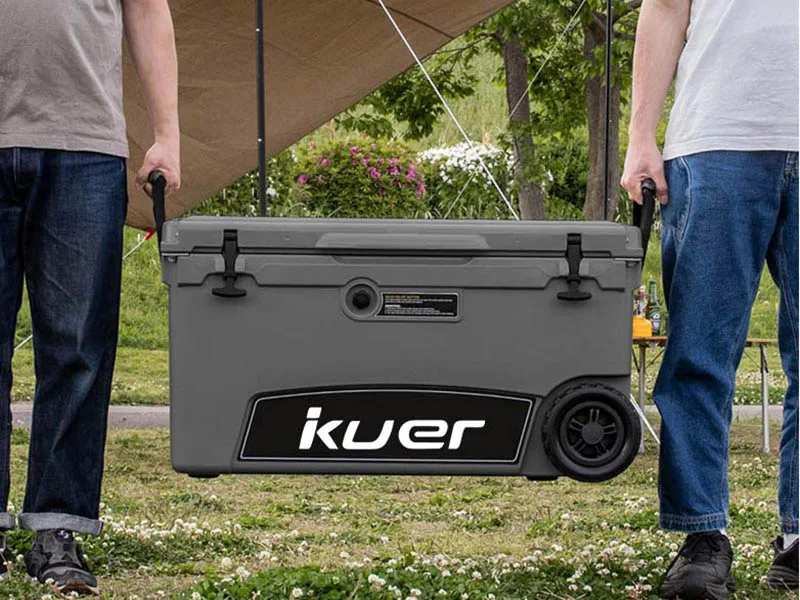
Outdoor fans usually keep a cooler box shut with latches. Some use strong straps outside or pack things smartly. Many people say to seal the lid with duct tape. You can write notes like “DO NOT OPEN until day 5!” on the tape. Experts also say to keep the cooler box in the shade. Only open it when you really need to, especially when it is hot. KUER, a leading cooler box manufacturer, makes a hard cooler that works very well. It has features like injection molded coolers, ensuring durability and performance. This makes the KUER Cooler Box a great pick for any trip.
Key Takeaways
-
Use strong latches and check them before trips. This helps the cooler stay closed. Pack the cooler in a smart way. Put heavy things at the bottom. Leave some space at the top. This stops too much pressure on the lid. Try not to open the cooler too much. This keeps cold air inside. It also helps ice last longer. You can use straps, bungee cords, or duct tape. These give extra safety when you travel. Check and clean the seals and latches often. This helps the cooler work well and last longer.
Built-In Cooler Box Closure Features
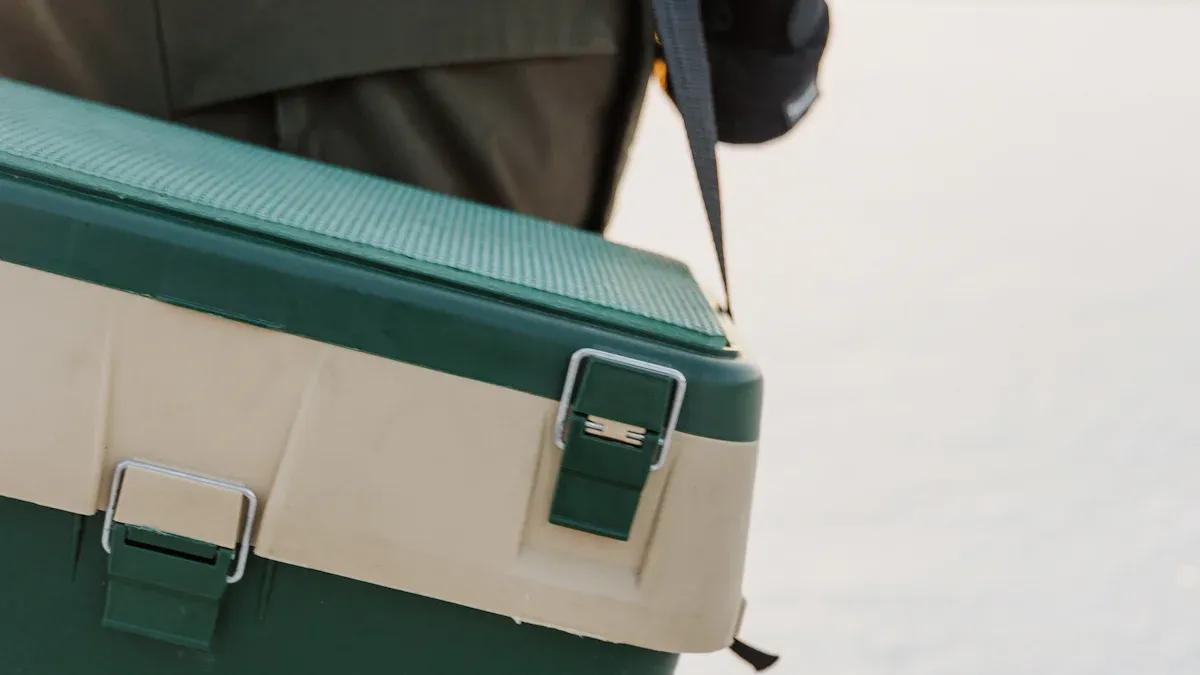
Inspecting cooler box latches
A strong latch helps keep the cooler box closed. You should check the latches before every trip. Many top brands, like KUER, use tough latches that stay locked. These latches work even if the cooler falls or gets hit. The latches fit with the rotomolded design to keep the lid tight. Some coolers, such as KUER models, let you use padlocks. This helps keep food and ice safe from animals or people.
Tip: Always test the latch by closing the lid. Pull up gently to see if it stays shut. If it does, the latch is working.
The table below shows how KUER coolers compare to other top models for closure features:
|
Cooler Model |
Impact Resistance |
Leak-Proof Design |
Food-Grade Materials |
|---|---|---|---|
|
Kuer-A cooler 20QT |
Yes |
Yes |
Yes |
|
Kuer-C cooler 45QT |
Yes |
Yes |
Yes |
|
Kuer-C cooler 60QT |
Yes |
Yes |
Yes |
|
Kuer-C cooler 70QT |
Yes |
Yes |
Yes |
|
Kuer-C cooler 110QT |
Yes |
Yes |
Yes |
Maintaining gasket seals for coolers
Gasket seals are important for keeping the cooler box closed and cold. These seals go around the lid and stop warm air from getting in. KUER uses silicone gaskets that are strong and flexible. Other gasket materials are neoprene, thermoplastic elastomers, and EPDM. Each material has its own good points, but silicone is great for hot weather and outdoor use.
|
Material |
Key Properties |
|---|---|
|
Neoprene |
Soft, resists getting squished |
|
Thermoplastic Elastomers (TPE) |
Tough, works well under pressure |
|
EPDM |
Handles weather, good for outside |
|
Silicone |
Works well in high heat |
A good gasket seal does more than keep the lid closed. It also helps the cooler hold ice longer. When the seal works, cold air stays in and warm air stays out. This keeps drinks and food cold, and ice melts slower.
-
A strong lid and rubber gasket stop warm air from getting in.
-
The airtight seal keeps cold air inside.
-
Good sealing helps the cooler keep ice for days.
Testing cooler box lock strength
Lock strength is important for safety and keeping things cold. KUER coolers have strong locks that are hard to break. These locks work with padlocks for extra safety. Some brands, like Yeti and Orca, also use strong locks. KUER is known for being strong and easy to use.
The table below shows how the rotomolded design helps with lock strength and durability:
|
Feature |
Description |
|---|---|
|
Seamless Construction |
No weak spots, so it is very strong. |
|
Reinforced Locking Features |
Hard to break and works with padlocks. |
|
High-Quality Seals |
Keeps the cooler leak-proof. |
|
Thick, Seamless Walls |
Stands up to bumps and drops. |
|
Silicone Gaskets |
Stops leaks and breaking. |
|
UV-Resistant Materials |
Protects from sun and outdoor use. |
|
Real-World Durability |
Can survive big drops and keeps ice for days. |
-
KUER coolers have strong latches and padlock spots for better safety.
-
Yeti coolers also use tough locks and materials.
-
Coleman coolers are lighter but not as strong.
-
Orca and RTIC coolers are made to keep ice and last long.
A strong lock keeps the cooler box closed, even if it falls or shakes. This helps keep ice from melting and food from going bad. People who camp, fish, or travel far should always check the lock strength before leaving.
Note: A cooler with a strong lock and good gasket seal will keep ice cold for days, even when it is hot.
External Securing Methods for Cooler Boxes

Using straps and bungee cords
Straps and bungee cords help keep a cooler secure during travel. People often use these tools to stop the lid from opening on bumpy roads or rough trails. Different types of straps work best for different needs. The table below shows common options:
|
Strap Type |
Load Capacity |
Best Use Cases |
|---|---|---|
|
Ratchet Straps |
Heavy-duty (1,000 lbs and up) |
Securing large, bulky items for long-haul transport |
|
Cam Buckle Straps |
Light to medium (up to 200 lbs) |
Securing bicycles, small furniture, camping gear |
|
Bungee Cords |
Light (up to 200 lbs) |
Quick securing of lighter items, tarps, or bundles |
|
Lashing Straps |
Light (up to 200 lbs) |
Bundling gear, securing luggage or recreational equipment |
Many campers use ratchet straps for big coolers. Bungee cords work well for quick stops or lighter loads. KUER Cooler Box owners can use these straps with the built-in tie-down points for extra safety.
Applying duct tape for extra closure
Duct tape offers a simple way to add another layer of closure. People often use duct tape to seal the lid before a long trip. This method helps keep the cooler closed if the latch fails or if animals try to get inside. Some write notes on the tape, such as “Do Not Open Until Day 3,” to remind others not to open the cooler too soon. Duct tape works best as a temporary fix or for extra peace of mind.
Tip: Always remove duct tape slowly to avoid leaving sticky residue on the cooler.
Locking coolers for added security
Locks give extra protection for coolers, especially in public places or wild areas. The KUER Cooler Box supports several types of locks. The table below lists common lock options:
|
Lock Type |
Description |
|---|---|
|
Padlock |
A sturdy padlock can secure the lid of the cooler, providing a quick and reliable solution. |
|
Cable Lock |
Adds an extra layer of security by anchoring the cooler to a fixed object, preventing theft. |
|
Lock Brackets |
Metal L-shaped brackets that fit into tie-down holes, allowing for stronger locks or cables. |
Padlocks, such as the 38mm model, are easy to use and resist weather. Cable locks use stainless steel, making them tough to cut. People can use cable locks to attach the cooler to a tree or post. Lock brackets help connect locks or cables for even more strength.
-
Cable locks work well for many uses and are very durable.
-
Padlocks offer high security and are simple to use.
-
Both types help protect the cooler and its contents.
KUER offers accessories like lock brackets and tie-down kits. These tools help keep the cooler box safe during any adventure.
Packing and Cooling Tips for Cooler Boxes
Arranging items to prevent lid pressure
Packing the cooler the right way helps keep the lid closed. It also protects the seal from damage. Put heavy things, like drinks or ice blocks, at the bottom. Lighter foods, such as sandwiches or fruit, should go on top. This way, the lid does not get pushed up. Baskets or dividers, like those from KUER Cooler Box accessories, help keep things in place. When everything is neat, the cooler stays cold and the lid stays shut.
Tip: Leave a little space at the top. This stops things from pressing on the lid. It also keeps warm air out and the seal tight.
Using ice packs and containers
Picking good ice packs and containers helps keep things cold. High-quality cold packs last longer and keep food safe. Use enough ice packs to cover all the items inside. Pre-cool your cooler and chill your food before packing. This makes the cooler work better. Some campers use two boxes or add extra insulation, like space blankets, for more cooling. KUER Cooler Box insulation and gel packs help keep things cold for days.
-
Use big, insulated coolers for long trips.
-
Fill empty spots with ice or cold packs to stop air gaps.
-
Put cold items in first for the best results.
Limiting cooler box lid openings
Opening the cooler box lets cold air out and warm air in. This makes ice melt faster and food get warm. Only open the cooler when you really need to. Close the lid quickly to keep it cold inside. Keeping the cooler in the shade helps protect it from heat. These easy steps help keep food safe and the cooler cold.
Note: Try not to open the cooler lid too much. This helps ice last longer and keeps drinks cold on your trip.
Troubleshooting Cooler Box Closure Issues
Coolers sometimes develop problems that make it hard to keep them closed. People often report issues like improper door closure, blocked air vents, and thermostat problems. These problems can let cold air escape and cause ice to melt faster. Knowing how to fix these issues helps keep food safe and cold.
Fixing worn seals and latches
Worn seals and latches are common reasons a cooler will not stay closed. To fix a latch, follow these steps:
-
Open the cooler lid and make sure it is empty and dry.
-
Find the screws that hold the latch in place.
-
Remove each screw and keep them in a safe spot.
-
Gently pull the latch away, checking for any hidden clips.
-
Clean the area to remove dirt or glue before installing a new latch.
People should also clean latches after each use and add a little silicone lubricant to keep them moving smoothly. Closing the lid gently helps prevent damage. Regular care keeps the cooler working well.
Temporary fixes for cooler box emergencies
Sometimes, a cooler needs a quick fix in the field. The table below shows some fast solutions:
|
Temporary Fixes |
Key Features |
|---|---|
|
Proper Loading Procedures |
Organize items to allow airflow and prevent spoilage. |
|
Vinyl Curtains |
Help keep cold air inside when the lid opens. |
|
Temperature Monitoring |
Check the temperature often to catch problems early. |
People can also use duct tape to seal the lid or add extra straps if a latch breaks. These fixes help keep the cooler cold until a better repair is possible.
When to replace your cooler box
Sometimes, repairs are not enough. Signs that a cooler box needs replacing include:
-
Panel joints have opened up or separated too much.
-
Walls are bowing or the ceiling is caving in.
-
The cooler does not meet current energy standards.
-
Exterior panel joints are sweating.
When these problems appear, it is time to choose a new cooler. The KUER Cooler Box offers a strong, reliable option for outdoor use. It keeps ice cold for days and stands up to tough conditions.
Tip: Replacing an old cooler ensures food stays safe and cold on every trip.
Maintenance and Best Practices for Coolers
Regular inspection routines
People who want their cooler to last longer should check it often. They can look for cracks, leaks, or loose parts. Seals around the lid need special attention. If a seal looks worn or cracked, they should replace it right away. Cleaning the seals and latches after each use helps keep them working well. Small cracks can be fixed with waterproof glue. These steps help the cooler stay cold and keep food safe.
-
Check seals for air leaks.
-
Look for cracks or damage at the corners and seams.
-
Replace damaged seals quickly.
-
Clean latches and seals after every trip.
Tip: Regular checks help prevent big problems later.
Storing cooler boxes properly
Proper storage keeps a cooler in good shape. People should store their cooler in a cool, dry place. Sunlight and moisture can damage the cooler and make it wear out faster. Heavy-duty zippers and waterproof closures last longer when stored away from heat and humidity. Storing the cooler with the lid slightly open helps air flow and stops bad smells.
-
Keep the cooler out of direct sunlight.
-
Store in a dry area to avoid mold.
-
Leave the lid open a little to let air in.
Preventing rust and damage
Rust can harm metal parts on a cooler. People can stop rust by keeping the cooler dry and clean. They should avoid washing with high-pressure water. Soft brushes or cloths work best for cleaning. If the cooler has metal parts, using a desiccant inside helps control moisture. Good ventilation also helps prevent rust. In hot and humid places, rust can form quickly, so extra care is needed.
-
Dry the cooler before storing.
-
Use soft tools for cleaning.
-
Add desiccants in humid areas.
-
Make sure the cooler has good airflow.
Note: Keeping the cooler clean and dry helps it last for many years.
People can keep a cooler box closed by using strong latches, straps, and smart packing. Regular checks and quick fixes help prevent problems. Experts recommend opening the cooler less often, keeping it in the shade, and adding insulation like a blanket. These steps protect food and ice. Choosing a reliable product, such as the KUER Cooler Box, gives outdoor fans peace of mind on every trip.
FAQ
How often should someone check cooler box latches?
People should check latches before and after every trip. Regular checks help spot damage early. This keeps the cooler box working well and prevents sudden failures.
What is the best way to clean a cooler box gasket?
Use mild soap and warm water. Wipe the gasket with a soft cloth. Dry it completely before closing the lid. This keeps the seal strong and prevents mold.
Can someone use a regular padlock on a KUER Cooler Box?
Yes, KUER Cooler Box supports standard padlocks. The lock holes fit most common padlock sizes. This adds extra security for outdoor trips.
What should someone do if the cooler lid will not close tightly?
-
Check for food or ice blocking the seal.
-
Inspect the gasket for dirt or damage.
-
Clean or replace the gasket if needed.
A tight lid keeps food cold and safe.
 Request a quote
