
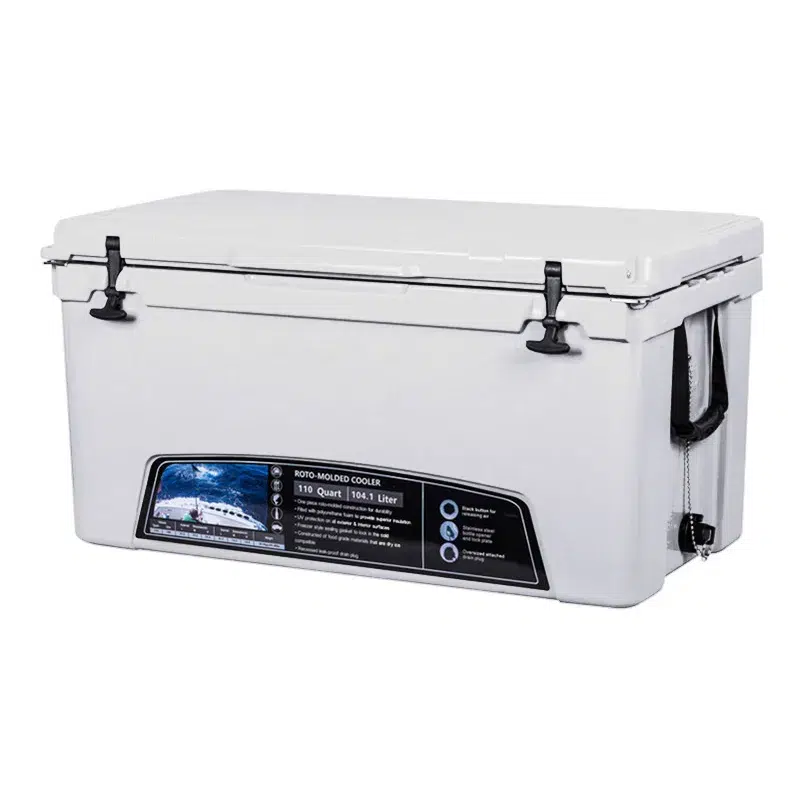
Yes, you can keep a cooler box cold for up to 3 days without ice by packing it smartly and using alternative coolants. To maximize cold retention, make sure to keep the cooler box closed as much as possible. Outdoor enthusiasts often choose KUER cooler boxes for extended trips because of their superior insulation and rugged construction. As one of the leading cooler box manufacturers, KUER ensures every rotomolded cooler box is crafted with precision and undergoes strict quality control. The seamless, leak-proof design and advanced technology make these coolers exceptionally durable and reliable.
If you opt for a rotomolded cooler with wheels, transporting your supplies becomes even easier, especially on longer adventures. For best results, pre-chill your cooler box before packing, and use frozen gel packs or bottles instead of traditional ice. Pack items tightly together and limit how often you open the cooler box to maintain the cold. These strategies help campers, fishers, and travelers keep their food and drinks fresh throughout their journey.
Feature | Description |
|---|---|
Advanced Insulation | Keeps things cold longer than other coolers. |
Robust Construction | Makes the cooler strong and last a long time. |
Patented Technology | Adds new features for better use and trust. |
Quality Control Process | Checks are done at every step to keep quality high. |
Seamless, Leak-proof Body | Stops leaks and cracks, so the cooler stays strong. |
ISO 9001:2015 Certification | Shows the cooler meets top industry rules. |
Production Capacity | Can make 1,500 coolers each day, so you can get one fast. |
Key Takeaways
Pre-chill your cooler and its contents to maximize cold retention. This simple step helps keep food and drinks cold for longer.
Use frozen gel packs or water bottles instead of ice. They last longer and prevent leaks, keeping your cooler dry.
Pack items tightly and limit cooler openings. This reduces warm air entering and helps maintain a low temperature inside.
Layer your cooler correctly. Start with frozen packs at the bottom, heavy items in the middle, and lighter snacks on top to keep cold air trapped.
Add extra insulation around the cooler. Use towels or blankets to slow down heat from the outside and keep your supplies cold.
Pre-chilling Your Cooler Box
Why Pre-chilling Improves Ice Retention
Pre-chilling your cooler gives it a head start in keeping things cold. When people prechill their cooler, they lower the temperature inside before adding food or drinks. This step helps the cooler maintain a cold environment longer. Cold packs in a pre-chilled cooler can keep items cold for over 24 hours. The insulation in the cooler acts as a barrier, slowing down the warming process. If the cooler starts out warm, it uses more energy from the coolants to reach a low temperature, which shortens ice retention. Pre-chilling boosts retention and helps keep food safe.
Tip: Always prechill your cooler before packing for a trip. This simple step can make a big difference in how long your supplies stay cold.
Steps to Pre-chill the Cooler Box
Place the cooler in a cool area or inside a refrigerator if possible.
Fill the cooler with frozen gel packs or ice packs for several hours.
Wait until the inside of the cooler feels cold to the touch.
Remove the temporary packs right before packing your supplies.
Add your pre-chilled food and drinks immediately.
A pre-chilled cooler keeps cold packs working longer and improves ice retention. People who use this method notice better retention during outdoor adventures.
Pre-chilling Food and Drinks
Pre-chilling food and drinks helps them stay cold for a longer time. When someone places cold items in the cooler, the temperature inside remains low. Starting with cold drinks or food means the cooler does not have to work as hard. For example, a soda chilled in the fridge will stay cold much longer than one at room temperature. This method supports ice retention and keeps everything fresh.
Note: Pre-chilling both the cooler and its contents is the best way to maximize cold retention for up to three days.
Alternative Coolants for Cooler Box
Using Frozen Gel Packs
Frozen gel packs are a good way to keep a cooler cold for days. These packs have special gels that freeze colder than water. People like gel packs because they do not leak when they melt. Gel packs fit around food and drinks and fill empty spaces. This helps keep the temperature steady inside the cooler. Many campers use gel packs again and again, so they save money. Put gel packs on top and around your items to keep them cold longer.
Tip: Freeze gel packs all the way before using them in a cooler. This gives you the best cooling.
Dry Ice Safety and Usage
Dry ice cools a cooler very well, but you must be careful. Dry ice is much colder than normal ice and keeps things frozen for up to 36 hours. People use dry ice to keep food frozen or move special items. Dry ice lets out carbon dioxide gas as it warms up, so you need to be safe.
Safety Tips for Using Dry Ice:
Do not put heavy things on a cooler with dry ice. Open the drain plug or leave a small gap so gas can get out.
Do not let dry ice touch water. It will turn to gas fast and can be dangerous.
Keep the cooler in a place with fresh air, like a car with windows cracked. This stops carbon dioxide from building up.
Use dry ice the right way. Put things you want frozen under the dry ice. Put things you do not want frozen above it.
Always wear thick gloves when you touch dry ice. Keep dry ice away from kids and pets.
Dry ice can burn your skin. Always use gloves.
Make sure air can move so gas does not build up.
If you feel dizzy or get a headache, get fresh air right away.
Frozen Water Bottles as Coolants
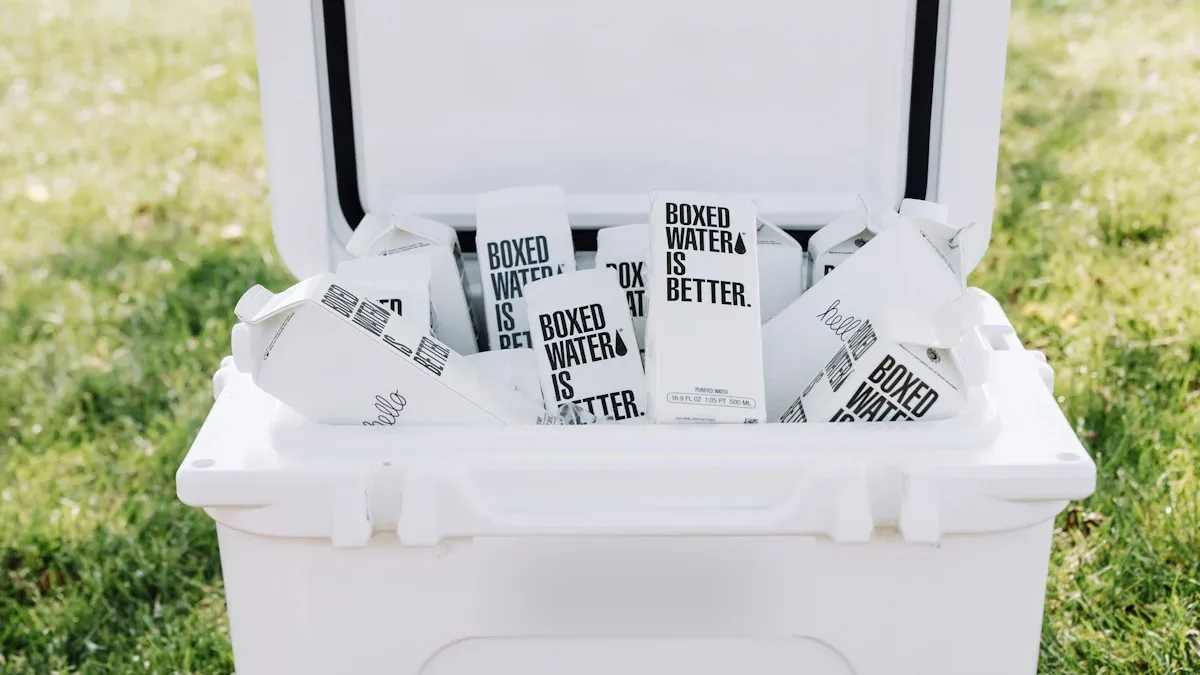
Frozen water bottles work well instead of ice in a cooler. People freeze water bottles at home and use them to keep food and drinks cold. Frozen bottles last longer than ice and keep a cooler cold for three to four days. When the bottles melt, you get cold water to drink. This way, you do not make a mess and the cooler stays dry because bottles do not leak.
Cooling Method | Duration |
|---|---|
Dry Ice | 12 to 36 hours |
Gel Packs | Not specified |
Frozen Water Bottles | 3-4 days |
Note: Frozen water bottles are easy and safe for keeping a cooler cold on long trips.
Other Safe Cooling Options
People can use other coolants to keep a cooler cold. Phase change materials (PCMs) are safe and you can use them again. PCMs freeze and melt at certain temperatures, so they help keep food fresh. Expanded polystyrene (EPS) and polyurethane (PUR) packs also work well. These packs do not have bad chemicals and you can recycle or use them again.
When you throw away coolants, follow local rules. You can put PCMs in regular trash or send them back to the maker. EPS can be recycled or burned safely if rules allow. PUR can be recycled or used again and does not hurt the environment.
Tip: Try to recycle or reuse cooling packs. This helps the earth and keeps trash out of landfills.
Packing for Maximum Ice Retention
Layering Items in the Cooler
Layering helps keep a cooler cold for days. When you stack items right, cold air stays inside longer. Start with frozen gel packs, block ice, or frozen water bottles at the bottom. These make a cold base. Put heavy foods like meat or dairy on top of the base. Drinks and big containers go in this layer too. Lighter things, like sandwiches or snacks, should be packed above the heavy foods. Add more frozen packs or bottles on the very top. This way, cold air does not escape easily and ice lasts longer.
Tip: Chill food and drinks before packing. Cold items help keep everything cool.
Here is a table that shows how to layer items:
Step | What to Pack |
|---|---|
Bottom Layer | Frozen gel packs, block ice, or water bottles |
Middle Layer | Heavy foods, drinks, large containers |
Top Layer | Snacks, sandwiches, extra ice packs |
Minimizing Air Gaps
Air gaps let warm air get in and cold air get out. This makes ice melt faster. Fill every space in the cooler to stop this. Use towels, newspaper, or clothes to fill empty spots. Vacuum-sealed containers and thermoses also help by blocking air around food.
Filling gaps keeps the cooler colder.
Less warm air gets in when you open it.
Ice melts slower if there are fewer gaps.
Packing tightly keeps things cold and stops them from moving around. When the cooler is full, it works better.
Adding Extra Insulation
Extra insulation helps a cooler stay cold longer. People use towels, blankets, or foam panels to line the lid or sides. Aluminum foil can reflect heat away from the cooler. These things slow down heat from getting in.
Tests show some materials work better than others. High-density polyurethane and vacuum insulated panels protect against heat very well. The table below compares insulation materials:
Material | Insulation Type | Efficiency Description |
|---|---|---|
PopupLiner | Two-piece insulated box liner | Superior insulation with two radiant barrier layers and high-performance foam. |
High density polyurethane | Traditional insulating material | Very good thermal efficiency, often used in food industry applications. |
Vacuum Insulated Panels | Super insulating material | Five times more efficient than traditional materials, with thermal conductivity of 0.003 to 0.008 W. m-1.K-1. |
Expanded or extruded polystyrene also helps keep things cold. You can line the cooler or put these between layers. Frozen foods like meat or casseroles act as cold blocks and help ice last longer.
Note: Adding insulation inside and outside the cooler helps keep food cold and safe.
Packing Techniques for Maximum Ice Retention
Outdoor experts suggest these tips for best results:
Freeze food and drinks before packing.
Use frozen water bottles instead of loose ice to stop leaks.
Keep the cooler in the shade and cover it with a wet towel.
Add foam or towels inside the lid for more insulation.
Try saltwater in frozen bottles for longer cold.
Use block ice because it lasts longer than ice cubes.
Bring extra coolers for drinks so you open the main cooler less.
These steps help keep things cold and fresh for days. If you follow these tips, your cooler can keep ice for three days or more.
Maintaining Cooler Box Temperature
Limiting Cooler Openings
Opening the cooler less helps food stay cold longer. Warm air gets in every time you open the lid. Cold air leaves when the lid is open. This makes the inside get warmer fast. If you open the cooler a lot, it does not stay cold as long. Studies say opening the cooler many times can make it warm up one or two hours sooner. If you open it every five minutes, it can get as warm as 44°F. Quick openings are better than leaving the lid open. Packing things close together helps keep the cold inside.
Tip: Write down what you need before you open the cooler. Take out everything you need at once so you do not open it again and again.
Keeping Cooler Box in Shade
Putting the cooler in shade keeps it safe from the sun. Shade blocks UV rays that can hurt the cooler and your food. Sunlight can fade the cooler and make it wear out faster. Shade helps the cooler stay in good shape. People like to be in shade because it feels cooler outside. Shade helps the cooler keep a lower temperature. This keeps food safe and cold for more time.
Shade stops UV rays from hurting the cooler.
Shade keeps the cooler from getting too hot.
Shade helps food and drinks stay fresh.
Using External Insulation
Extra insulation outside the cooler slows heat from getting in. Thick towels, blankets, or foam panels work well for this. High-density polyurethane foam is very good because it traps air and blocks heat. Even one inch of insulation can keep things cold up to twelve hours longer. More insulation means the cooler stays cold for more time.
Some people use old ways to keep coolers cold. Putting the cooler in shallow running water, like a stream, cools it faster than air. Moving water takes heat away from the cooler. This works well if it is safe to do.
Note: Make sure the water is clean and the cooler is safe before you try this method.
Safety and Disposal Tips
Handling Dry Ice in Cooler Box
Dry ice keeps food cold, but you must be careful. Never touch dry ice with your bare hands. Use gloves, tongs, or a towel to stay safe. Dry ice gives off carbon dioxide gas. Keep the cooler in a place with fresh air. Do not seal the cooler tight. Gas needs to get out so pressure does not build up. Wrap dry ice in a towel or cardboard before putting it inside. This protects the cooler and your food. Safety goggles help keep your eyes safe. When you move dry ice, make sure the cooler is secure. Let air flow in your car or truck.
Always use gloves or tongs for dry ice.
Only use dry ice where air can move.
Wrap dry ice before putting it in the cooler.
Do not seal the cooler tight; let gas out.
Keep dry ice away from food and cooler walls.
Disposing of Coolants Properly
Throwing away coolants the right way helps the earth. Used coolants like antifreeze or chemical packs are dangerous waste. Only special companies can get rid of them safely. Storage places must follow rules to stop pollution. Check your local rules before you throw coolants away. Put used coolants in clean, leak-proof containers with labels. Do not mix coolants with other dangerous stuff. Move containers carefully so they do not spill. Find a recycling or disposal center and follow their steps.
Look up local rules for throwing away dangerous waste.
Put used coolants in leak-proof containers with labels.
Never mix coolants with other things.
Move containers safely.
Find a recycling or disposal place.
Throw away coolants at the center as told.
Throwing away antifreeze the wrong way can hurt people. Ethylene glycol is found in antifreeze and is very dangerous.
Food Safety Guidelines
Food safety matters for keeping things cold and healthy. Perishable foods need to stay at 40°F or colder to stop bacteria. Frozen foods last longer at 0°F or colder. Do not leave perishable food out for more than two hours. If it is hotter than 90°F, only leave food out for one hour. The table below shows how long and how cold to keep different foods and drinks.
Food/Drink Type | Ideal Temperature Range | Notes |
|---|---|---|
Perishable Foods | 1-2 days at 40°F | Use soon; keep cold |
Frozen Foods | 0°F or below | Can stay frozen for a long time |
Fresh Beef/Pork | 0°C to 1°C | Vacuum packing makes it last longer |
Poultry (raw) | 0°C to 1°C | Use within the right time |
Processed Meats | 0°C to 4°C | Must be sealed; freeze for longer storage |
Milk | 1°C to 4°C | Use dark bottles to store |
Cheese (hard) | 4°C to 8°C | Wrap to keep it from drying |
Fruit Juices | 1°C to 4°C | Pasteurized juices last longer |
Soft Drinks | 4°C to 10°C | Tastes best when cold |
Tip: Always check the cooler temperature with a thermometer. This helps keep food cold and safe on long trips.
Outdoor experts say there are ways to keep a cooler cold without ice. Thick polyurethane insulation keeps things cold for many days. Packing smart and pre-chilling helps a lot. Using frozen water bottles or gel packs works well too. The KUER Cooler Box is strong and keeps cold for a long time. People who get ready and pack well have fresh food and drinks on trips.
Getting ready and packing smart makes every outdoor trip better.

 Request a quote
