

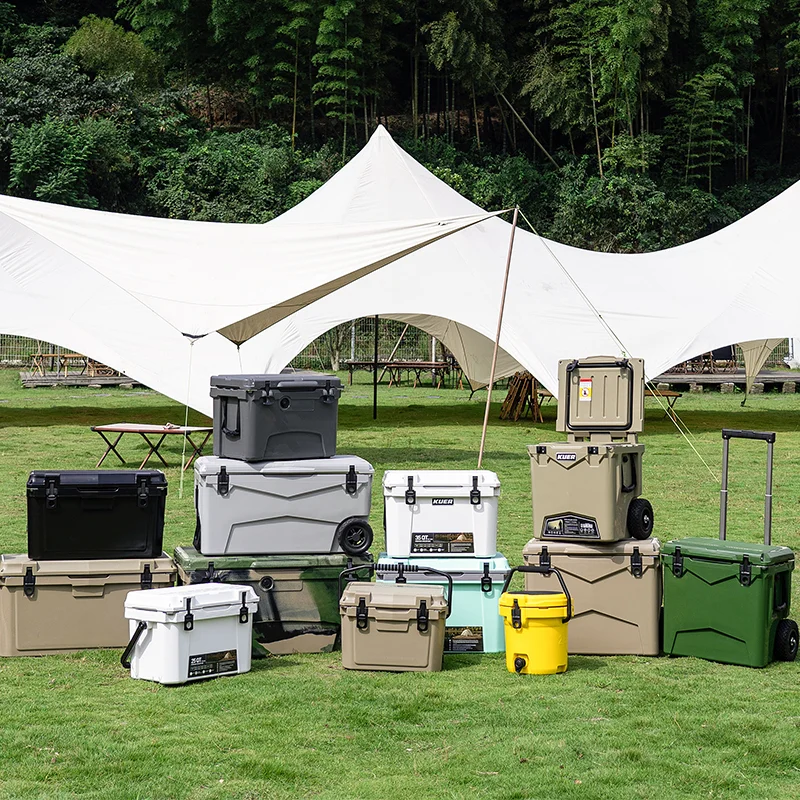
Deep cleaning a plastic cooler transforms it from stained and smelly to fresh and safe. The process uses the right supplies and a step-by-step method. First, rinse to remove crumbs and liquids. Next, soak with warm water and detergent for up to twenty minutes. Scrub tough stains with a sponge and cleaning solution. Air-dry outside to keep the cooler ventilated and odor-free. This method works well for large models like the KUER 110QT with wheels. Anyone can clean their cooler thoroughly to remove bacteria and odors.
Key Takeaways
- First, take everything out of the cooler and rinse it. This helps get rid of crumbs and spills. Now the cooler is ready for a deeper clean.
- Use safe cleaning products like baking soda and vinegar. These help remove stains and bad smells. They are good for the environment and work well.
- Make sure to let the cooler air dry all the way before you put it away. This stops mold and bad smells from forming.
- Clean your cooler after every use to keep it in good shape. This also keeps your food safe.
- Check the cooler for any damage and store it in a cool, dry spot. This helps it last longer.
Supplies for Cleaning a Plastic Cooler
Essential Cleaning Products
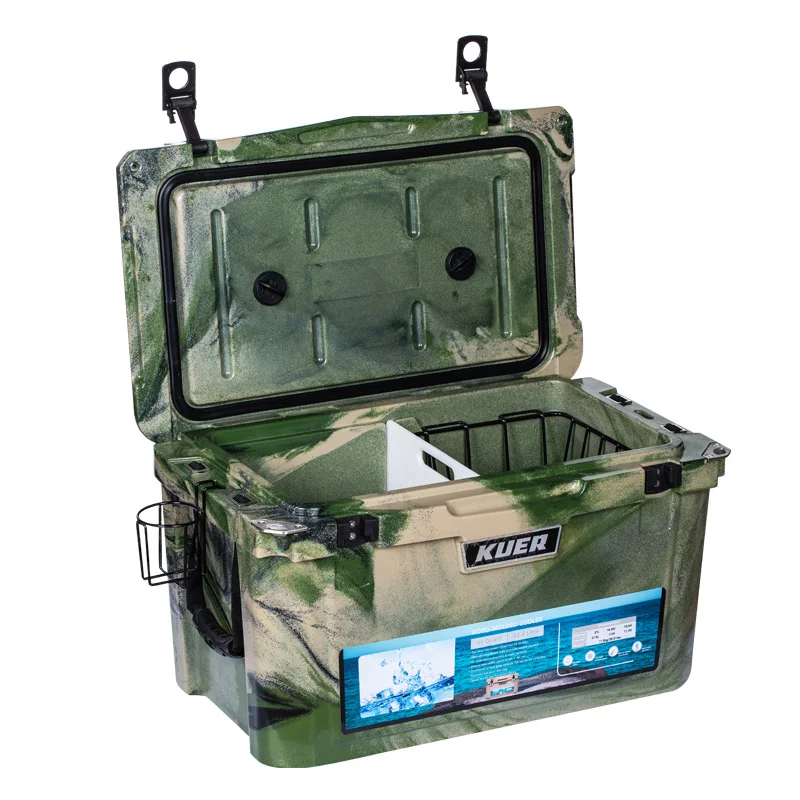
You need the right products to clean a plastic cooler well. Many people like Bar Keepers Friend Spray + Foam for fast cleaning. This spray is good for normal messes. If you see old or hard stains, use Bar Keepers Friend Original Powder Cleanser. People mix the powder with water to make a paste. They spread it on the stain and let it sit. Baking soda and vinegar are also good choices. Baking soda helps scrub and takes away bad smells. Vinegar is a natural cleaner and can remove tough stains. Bleach kills germs, but you must use it with care. rotomolded coolers like the KUER 110QT with wheels can use these products. Their strong plastic does not get damaged easily.
Tip: Do not use cleaners with phosphates. Phosphates can hurt fish and water life.
Tools for Stains and Odors
Cleaning tools help get rid of stains and smells in a cooler. A soft sponge or brush can scrub dirt without scratching the plastic. To remove smells, mix baking soda with water. This mix works well for odors. Vinegar can also help with strong smells. After using these, rinse the cooler with water. Let the cooler air dry outside. This stops new smells and keeps it fresh. These ways work for large coolers like the KUER 110QT. These coolers often get dirty after outdoor trips.
| Tool | Purpose |
|---|---|
| Soft sponge | Scrub surfaces |
| Brush | Remove deep stains |
| Baking soda | Neutralize odors |
| Vinegar | Clean persistent smells |
Safe Disinfectants
Safe disinfectants make the cooler ready for food. Hypochlorites, chlorine dioxide, iodophors, peroxyacetic acid, and quaternary ammonium compounds are safe for plastic. Use hypochlorites and quats at no more than 200 ppm. These disinfectants kill germs and bacteria. They do not hurt the cooler. Baking soda and vinegar are safer for nature. Bleach works well but can harm sea life if not thrown away right. Always rinse the cooler after using disinfectants. This removes any leftover cleaner.
Note: These supplies are good for big rotomolded coolers like the KUER 110QT with wheels. Their strong build lets you clean and disinfect them well.
How to Clean plastic Cooler Properly: Step-by-Step
Empty and Rinse Plastic Cooler
The cleaning process begins with emptying the plastic cooler. All food, drinks, and ice must be removed. Remove all trays or baskets. Next, rinse the interior with warm water. This step washes away crumbs, sticky stains, and loose dust. Inspect the corners and wheels of large coolers like the KUER 110QT. These areas often accumulate debris. Use a soft-bristled brush—an essential cleaning tool—to remove stubborn grime. Finally, pour out the rinse water, preparing for a more thorough cleaning.
Scrub with Cleaning Solution
Prepare a cleaning solution using mild dish soap and warm water. Dip a sponge or soft brush in the solution and carefully scrub every surface of the refrigerator, including the lid, interior walls, and handles. Avoid using harsh chemicals, as they can damage the plastic and seals. Pay special attention to cleaning sticky stains and stubborn spots. Clean the refrigerator thoroughly using circular motions. Repeat cleaning until the refrigerator looks clean. Finally, rinse the refrigerator with clean water to remove any remaining dish soap.
Tip: Always use soft brushes or sponges. Steel wool and abrasive pads can scratch the cooler’s surface.
Remove Stains and Mold
Be aware of stubborn stains or signs of mold and bacteria. For stubborn stains, you must make a paste with baking soda and water. Apply the paste to the stain and let it sit for ten minutes. Then gently scrub with a brush. For mold, you can use vinegar. Spray vinegar on the affected area and let it sit for fifteen minutes. Then wipe away the mold and bacteria with a clean cloth. If the stain persists, repeat the above steps. Thoroughly clean the refrigerator until all visible traces are gone.
Rinse and Sanitize
Thoroughly rinse the refrigerator with clean water, ensuring no cleaning agent or paste residue remains. Then, prepare a disinfectant solution: add one tablespoon of unscented bleach to one gallon of water. Pour the disinfectant solution into the refrigerator and let it sit for five minutes. Shake the refrigerator to coat all surfaces with the disinfectant. Afterward, discard the bleach solution and rinse the refrigerator again with clean water. Check for any residual odor or stains. Completing this step will thoroughly clean the refrigerator, ensuring it is safe for food storage.
Dry the Plastic Cooler
Wipe the refrigerator dry with a clean towel. Open the lid and place the refrigerator in a sunny spot. Air drying prevents mold and odors. Check all parts, including the wheels and handles, to ensure they are dry. Only store the refrigerator after it is completely dry. Avoid improper drying, as moisture can lead to mold and bacteria growth.
Note: Many people make mistakes during deep cleaning. They use harsh chemicals, abrasive tools, or store the cooler while still damp. These mistakes can damage the cooler or cause odors. The table below shows common mistakes and how to avoid them.
| Common Mistakes | Description |
|---|---|
| Using Harsh Chemicals | Harsh chemicals can damage the cooler’s interior and compromise the gasket seal. Use mild, food-safe products. |
| Abrasive Cleaning Tools | Tools like steel wool can scratch surfaces. Use soft brushes and non-abrasive cloths instead. |
| Improper Drying | Storing a damp cooler can lead to mold and odors. Ensure complete drying before storage. |
Follow the steps above to properly clean your refrigerator. Keep your plastic refrigerator clean and ready for the next adventure.
Clean a Smelly plastic Cooler: Odor Removal Tips
Baking Soda Deodorizing
Clean an odor-causing refrigerator with baking soda. Sprinkle plenty of baking soda inside the plastic refrigerator, cover it, and let it sit overnight. The baking soda absorbs the odor, leaving the refrigerator fresh and clean. The next day, brush off the powder with a soft brush and finally rinse it with warm water. Many people use baking soda because it is safe, convenient, won’t damage the refrigerator, and won’t leave any residue.
Tip: For stronger smells, he mixes baking soda with water to make a paste. He spreads the paste on the walls and lets it sit for one hour. This method helps clean a smelly cooler after camping trips.
Vinegar for Persistent Smells
Some odors cannot be removed with baking soda. Vinegar is needed to clean a refrigerator with a stubborn smell. Pour white vinegar into a spray bottle, spray it inside the refrigerator, then close the lid and let it sit for 30 minutes. Vinegar can break down stubborn odors and kill bacteria. After waiting, wipe the refrigerator with a clean cloth and finally rinse it with water to remove any residual vinegar smell. This step helps remove odors left in the refrigerator after food spills.
| Odor Removal Method | Effectiveness | Time Needed |
|---|---|---|
| Baking Soda | High | Overnight |
| Vinegar | Very High | 30 minutes |
Prevent Future Odors
Clean any refrigerators that develop an odor after each use to prevent the odor from recurring. Before storing, thoroughly dry the refrigerator, as moisture can cause odors and mold growth. Leave the lid open when storing the refrigerator to allow air circulation and keep the interior fresh. Avoid storing food or beverages in the refrigerator for extended periods. Regular cleaning and proper storage are key to maintaining a fresh-smelling refrigerator.
Note: These steps help with deep odor removal and keep the plastic cooler ready for the next adventure.
Maintain and Store Your plastic Cooler
Prevent Mold and Stains
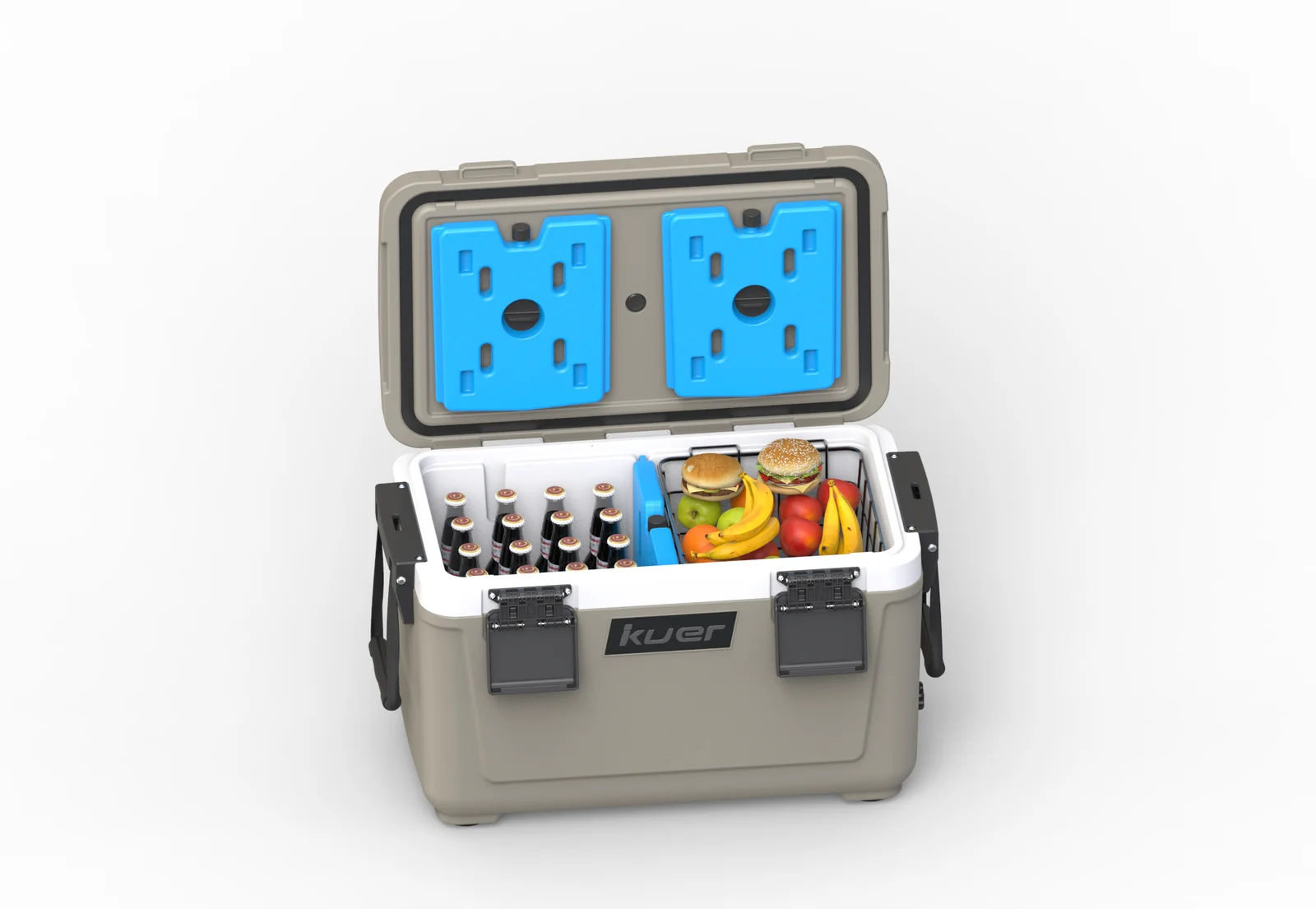
Make sure the cooler is completely dry before storing it. A damp environment accelerates mold growth. Regularly check the inside of the cooler for mold and clean any stains immediately. Store the cooler in a cool, dry place with the lid slightly ajar to allow air circulation. Some people use products like Bluezone to kill mold spores and prevent them from settling in damp areas. Reducing the number of spores in the air helps inhibit mold growth. These measures will keep your cooler fresh and ready for its next trip.
Tip: Make sure the cooler is dry and leave the lid open. This stops mold and stains from showing up.
Storage Best Practices
Use clever methods to store plastic insulated boxes to extend their lifespan.
- Leave the lid open and place it in a well-ventilated area until completely dry.
- Thoroughly clean and dry the refrigerator to prevent mold and bacterial growth.
- Inspect the refrigerator for any minor issues and repair them before storing it.
- Close the lid or place it in a box to allow for air circulation.
- Store the refrigerator in a dark, safe place, such as a garage or a cool room.
- Cover the refrigerator with a sturdy lid to prevent scratches and impacts.
- Stand the refrigerator upright to prevent bending.
| Storage Practice | Benefit |
|---|---|
| Dry completely | Stops mold and stains |
| Lid open | Lets air move inside |
| Inspect for damage | Keeps cooler strong |
| Protective cover | Stops scratches |
| Sheltered location | Keeps sun from hurting it |
| Vertical storage | Stops it from bending |
Clean plastic cooler regularly
The manufacturer recommends thorough cleaning after each use. This removes food residue, prevents rust, and inhibits the growth of bacteria and mold. Clean the refrigerator after each trip. Wash with mild soapy water and rinse thoroughly, then dry the refrigerator completely before storing it.
Note: Clean your cooler every time you use it. This keeps it fresh and ready for your next trip.
Perform a deep clean of your plastic insulated box using these simple steps. Remove stains and odors, then thoroughly dry the box. Regular cleaning offers numerous benefits:
- Prevents moisture, mold, and bacteria buildup for food safety.
- Keeps the cooler looking new and stops stubborn stains and smells.
- Prolongs the cooler’s lifespan.
They clean after every use and deep clean a few times each year.
To keep the cooler fresh, wipe the inside with vinegar and water, then sanitize with mild bleach. Air drying helps keep odors away.
FAQ
How often should someone deep clean a plastic cooler?
A thorough cleaning of the refrigerator is necessary after each trip or after frequent use. Regular cleaning effectively prevents bacterial growth and odor formation.
Is bleach safe for cleaning a KUER 110QT cooler?
It is safe to use bleach when used correctly. Add one tablespoon of unscented bleach to one gallon of water. After disinfection, rinse the cooler thoroughly to remove any bleach residue.
Can someone use vinegar and baking soda together?
Use vinegar and baking soda separately. Baking soda removes odors, while vinegar removes mold and stains. Mixing them will produce foam, but it won’t enhance the cleaning effect.
What tools work best for cleaning stains inside a cooler?
Use a soft sponge or brush. Avoid using steel wool and abrasive pads. These tools can clean stains without scratching the plastic..
Does air drying prevent mold in a plastic cooler?
Air drying helps prevent mold. Open the lid and place the refrigerator in sunlight. Check that all parts are dry before storing.

 Request a quote
