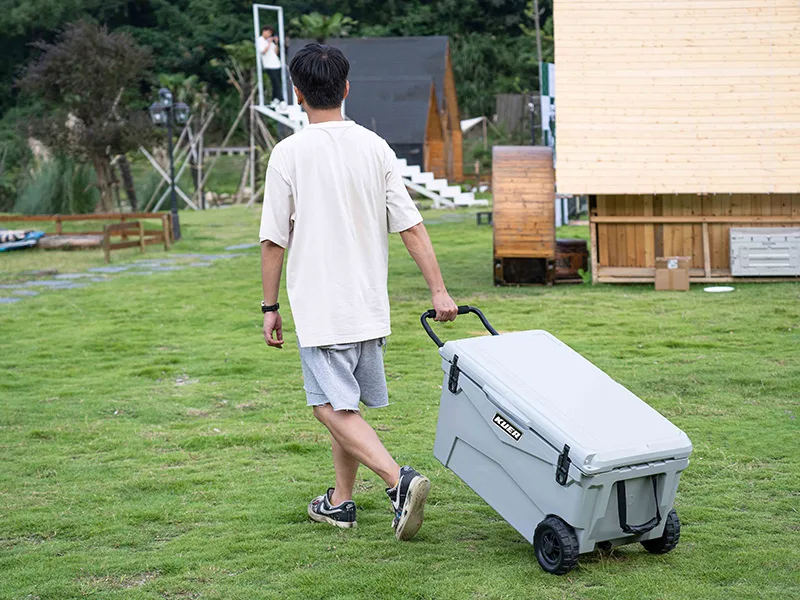


Finding your perfect personal cooler bag means matching its features to your lifestyle. Your ideal cooler depends entirely on how you plan to use it. You might need a cooler for many activities.
- Camping or hiking
- Picnics and beach outings
- Sports events and day trips
To make the right choice, you must evaluate key factors. Consider the cooler’s ice retention, its total capacity, and its durability. This guide helps you confidently select the best option for your next adventure.
EVALUATING ICE RETENTION
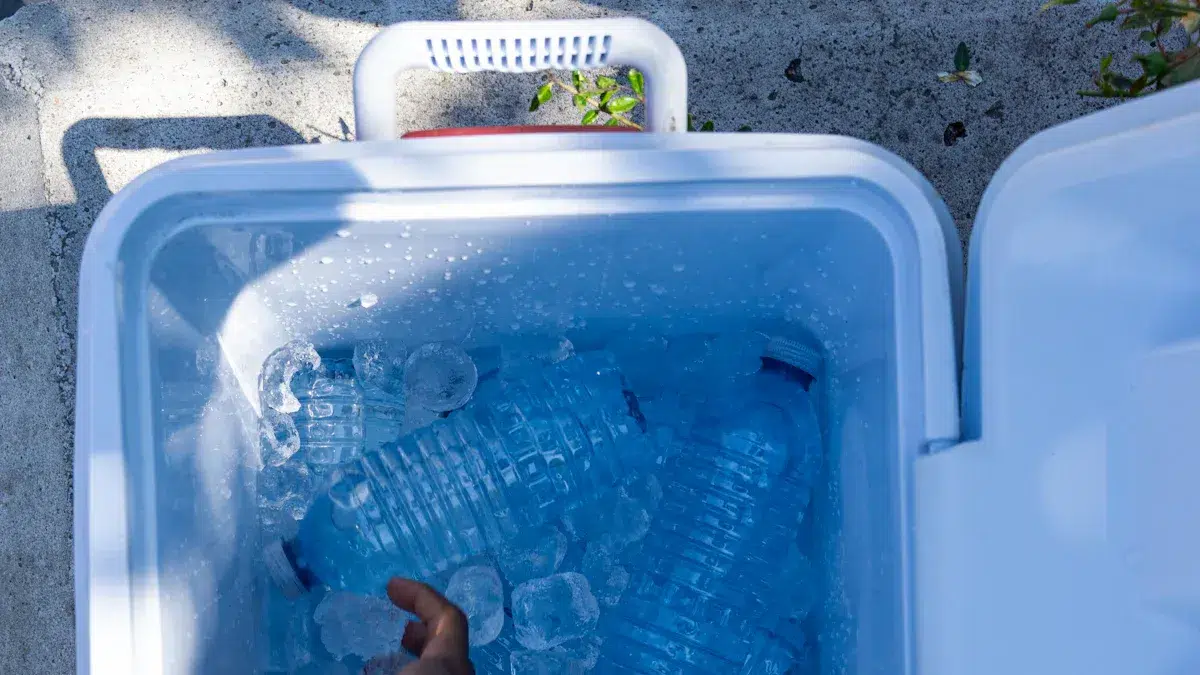
A cooler bag’s most important job is keeping your food and drinks cold. The length of time a cooler keeps stuff cold is called ice retention. You will see many claims from manufacturers, but real-world results often differ. Understanding these factors helps you choose the right bag.
UNDERSTANDING MANUFACTURER CLAIMS
Companies often test their products in controlled lab settings. These tests do not match how you will use your cooler. For example, a lawsuit noted that some claims are based on coolers filled entirely with ice and left unopened in a 90°F room. Your use will involve opening the bag, having less ice, and facing changing weather.
Real-world conditions like sunlight have a big impact. A cooler’s color can even change its performance in the sun.
| Condition | Cooler Color | Ice Retention (Days) | Ambient Temperature |
|---|---|---|---|
| Direct Sunlight | Black | 5 | Mid-90s to over 100°F |
| Direct Sunlight | Blue | 6 | Mid-90s to over 100°F |
| Direct Sunlight | White | 7 | Mid-90s to over 100°F |
| Shade | All Colors | 3 | Low 70s |
Tip: For sunny adventures like boating or beach days, choose a white or light-colored cooler to maximize how long your ice lasts.
DAY TRIPS VS. MULTI-DAY USE
Your trip duration determines your needs. For a day trip, a bag with 24-hour ice retention is usually enough. Many coolers, like the Coleman 36-Hour Marine Cooler, meet this standard reliably.
Weekend camping or multi-day trips require much better performance. You need a high-performance brand designed for long-lasting cold. Coolers from companies like Engel or KUER are built for these extended adventures, with some models holding ice for over four days.
THE ROLE OF INSULATION AND SEALS
Two key components determine a bag’s performance: insulation and seals. The best soft coolers use thick, closed-cell foam. This dense material traps cold air effectively. It provides structure and insulates almost as well as a hard-sided cooler. A quality seal is also critical. Waterproof zippers and magnetic closures create an airtight barrier. This seal stops warm air from getting in and cold air from getting out, significantly boosting performance.
SIZING YOUR PERSONAL COOLER BAG

After you decide on ice retention, the next step is choosing the right size. A cooler bag’s size determines how much you can carry and how easy it is to transport. You should think about capacity, weight, and your planned activities to find the perfect fit.
CHOOSING A CAN CAPACITY
Manufacturers often measure a personal cooler bag’s capacity by the number of 12-ounce cans it can hold. This gives you a simple way to compare different models. However, you must also account for ice. For the best cooling, you need much more ice than food or drinks.
Pro Tip: Always follow the 2-to-1 ratio for ice. This simple rule ensures your items stay cold for the longest possible time.
- Your cooler should be at least two-thirds full of ice.
- Your food and drinks should take up the remaining one-third of the space.
BALANCING SIZE AND PORTABILITY
A larger capacity seems great, but it comes with a trade-off: weight. A bigger cooler is heavier and harder to carry, especially when full. For instance, a 30-can cooler can weigh over 3.5 pounds even before you add anything. For activities like hiking, portability is key. Brands like IceMule design lightweight backpack coolers specifically for this purpose. An IceMule Pro cooler is ultra-portable, making it much easier to carry food and drinks to remote spots.
CARRYING STYLES AND COMFORT
How you carry the cooler affects your comfort, especially over long distances. Backpack styles offer hands-free convenience and distribute weight evenly across both shoulders. Single-strap bags are fine for short trips but can cause strain during a long walk.
| Feature | Backpack Coolers | Single-Strap Shoulder Coolers |
|---|---|---|
| Weight Distribution | Evenly spread across both shoulders | Concentrated on one shoulder |
| Carrying Style | Hands-free, allows for better balance | Requires one hand or shoulder |
| Mobility | Excellent for hikes and uneven terrain | Can be awkward on long walks |
| Comfort | Padded straps increase comfort | Can cause strain over time |
MATCHING SIZE TO YOUR ACTIVITY
Finally, match the cooler size to your specific plans. The right capacity depends on the trip’s length and the number of people.
- Solo Trips or Lunch for Two: A compact 6–10 liter model is perfect.
- Small Group Outings: A 15–20 liter bag holds enough snacks for a few friends.
- Family Picnics: A medium 20–30 liter personal cooler bag offers ample space for sandwiches, sides, and drinks for 3-5 people.
ASSESSING DURABILITY AND MATERIALS
A cooler bag’s durability determines how long it will last and how well it stands up to your adventures. You need a bag made from tough materials that can handle being tossed in a car, dragged across a beach, or set down on rough ground. Examining the fabrics, shell, liner, and seams will help you choose a bag built for the long haul.
EXTERIOR FABRIC TYPES
The outer fabric is your cooler’s first line of defense. Most cooler bags use high-denier polyester or nylon. Denier (D) is a measure of fabric thickness; a higher number usually means a tougher material. Both fabrics are lightweight and resist wear and tear, making them great for outdoor gear.
| Fabric | Denier | Abrasion Rating (Martindale) |
|---|---|---|
| Polyester | 600–1200D | 20,000–30,000 rubs |
| Nylon | 1000–1680D | 30,000–40,000 rubs |
- Polyester: This material is strong, durable, and dries quickly, making it a top choice for many outdoor activities.
- Nylon: This fabric is known for its exceptional toughness and resistance to abrasion, offering dependable performance in rugged conditions.
WATERPROOF AND PUNCTURE-RESISTANT SHELLS
A durable shell does more than just resist scrapes; it also protects the inner insulation. The best cooler bags feature a shell coated with TPU (Thermoplastic Polyurethane), which offers high tear and abrasion resistance and creates a waterproof barrier. While many big name brands have a reputation for being rugged, a company’s manufacturing process is a key indicator of quality. For example, a brand like KUER controls its entire production process, from raw materials to the finished product. This vertical integration, backed by over 50 patents, shows a deep commitment to engineering and quality control.
LINER QUALITY AND CONSTRUCTION
The inside of your cooler is just as important as the outside. The liner must be puncture-resistant, food-safe, and 100% leak-proof. Look for liners with welded seams. Instead of just being stitched, these seams are melted together using high-frequency energy. This process, sometimes called Fusion Welded Seams, creates a permanent, waterproof bond that prevents leaks from melted ice.
REINFORCED SEAMS AND BASES
Finally, inspect the bag’s overall construction. Pay close attention to the seams and the base, as these are high-stress areas. A well-made cooler will have reinforced stitching and a molded, waterproof base that can withstand being placed on wet or rough surfaces without worry.
Pro Tip: 🕵️ Before you buy, flip the bag over. A sturdy, molded base is a clear sign of a durable design that will protect your cooler from the ground up.
COMPARING KEY FEATURES
The best cooler bags do more than just keep things cold. They include smart features that make your life easier. You should look for value-added details that match your needs, from extra storage to innovative designs. These features separate a good cooler from a great one.
EXTERNAL POCKETS FOR DRY STORAGE
Many cooler bags offer external pockets. These pockets provide a safe place for items you need to keep dry. You can store your phone, keys, and wallet away from the ice and condensation inside the main compartment. This feature adds convenience and protects your valuables.
EASY-ACCESS LIDS AND TIE-DOWNS
Quick access is important when you are on the go. Some coolers have magnetic closures or flip-top lids that let you grab a drink without fully unzipping the bag. You should also look for external attachment points. These allow you to carry extra gear hands-free.
- Yeti’s Hopper models use daisy chain webbing to secure accessories.
- Hydro Flask’s Day Escape also features daisy chains for attachments.
- Icemule’s Pro coolers have a bungee system perfect for holding a light jacket.
DEFINING A HIGH PERFORMANCE INSULATED COOLER BAG
A true high performance insulated cooler bag relies on specific materials and construction. Understanding these elements helps you identify top-tier products.
Key Components of a High-Performance Cooler:
- Outer Shell: Durable fabrics like high-denier Polyester or Nylon resist tears and water.
- Insulation: Thick, closed-cell foams such as EPE or PE provide excellent thermal resistance.
- Inner Lining: A waterproof liner made from PEVA or PVC is essential to prevent leaks.
- Reinforcements: Strong handles and reinforced zipper areas ensure the bag can handle heavy loads and frequent use without failing.
INNOVATIONS FROM BRANDS LIKE KUER
While many companies assemble standard parts, some brands drive innovation. A brand like KUER stands out by controlling its entire manufacturing process. With over 50 patents, their research and development team creates unique features that improve performance. This commitment to engineering results in higher quality insulated cooler bags compared to basic models from competitors. When you choose a personal cooler bag, look for this kind of dedication to design and construction.
DETERMINING YOUR BUDGET
Your budget is a major factor in choosing a cooler. Prices can range from under $50 to over $200. You should understand what you get at each price point. This knowledge helps you find the best value for your needs.
BUDGET-FRIENDLY OPTIONS
You can find a reliable cooler for casual use without spending a lot. Budget-friendly options are great for short trips, picnics, or packing your lunch. These bags usually offer basic insulation and a simple design. For example, the Coleman Chiller Soft-Sided Portable Cooler is an affordable choice.
MID-RANGE PERFORMERS
Mid-range coolers offer a great balance of price and performance. They often have better insulation and more durable materials than budget models. You will find features like extra pockets and more comfortable straps. Products like the RTIC Outdoors Everyday Insulated Tote Bag fit well in this category. They provide enhanced features without the premium price tag.
PREMIUM COOLER INVESTMENTS
Premium coolers are an investment in top-tier performance and durability. These models are built for extreme conditions and multi-day adventures. Brands like Yeti and Engel justify their higher cost with advanced features.
What You Get with a Premium Cooler:
- Rotomolded Construction: Offers extreme toughness and durability.
- Cutting-Edge Insulation: Provides exceptional ice retention for days.
- Waterproof Zippers: Create a leak-proof seal to keep cold air in.
- Strong Warranty: Shows the manufacturer’s confidence in the product.
These features ensure your gear lasts for years of demanding use.
BALANCING PRICE AND PERFORMANCE
The right cooler for you is not always the most expensive one. You should match the price to your specific activities. If you only need a bag for occasional day trips, a budget-friendly option is smart. If you are a serious camper or boater, investing in a premium model with a long warranty provides peace of mind and better performance.
You now have the tools to select the right cooler. Remember to evaluate the five key factors for your needs:
- Ice retention
- Capacity and portability
- Material durability
- Helpful features
- Your budget
The best personal cooler bag is not the most expensive one. The perfect cooler is the one that aligns with your specific activities. You can now use this knowledge to choose a cooler you will enjoy for many adventures to come.
FAQ
How do I clean my cooler bag?
You should clean your bag after each use to prevent odors. Mix mild soap with warm water. Use a soft cloth to wipe the interior and exterior. Rinse it thoroughly with clean water. Let the bag air dry completely with the lid open.
Should I pre-chill my cooler bag?
Yes, you should always pre-chill your cooler. The night before your trip, place a bag of ice or frozen packs inside it. This step cools the insulation. It helps your fresh ice last much longer when you pack for your adventure.
What is the 2:1 ice ratio?
The 2:1 ice ratio is a rule for maximum cooling. You should fill your cooler with two parts ice for every one part food and drinks. This ratio ensures everything stays cold for the longest possible time. It is a key to high performance.

 Request a quote
