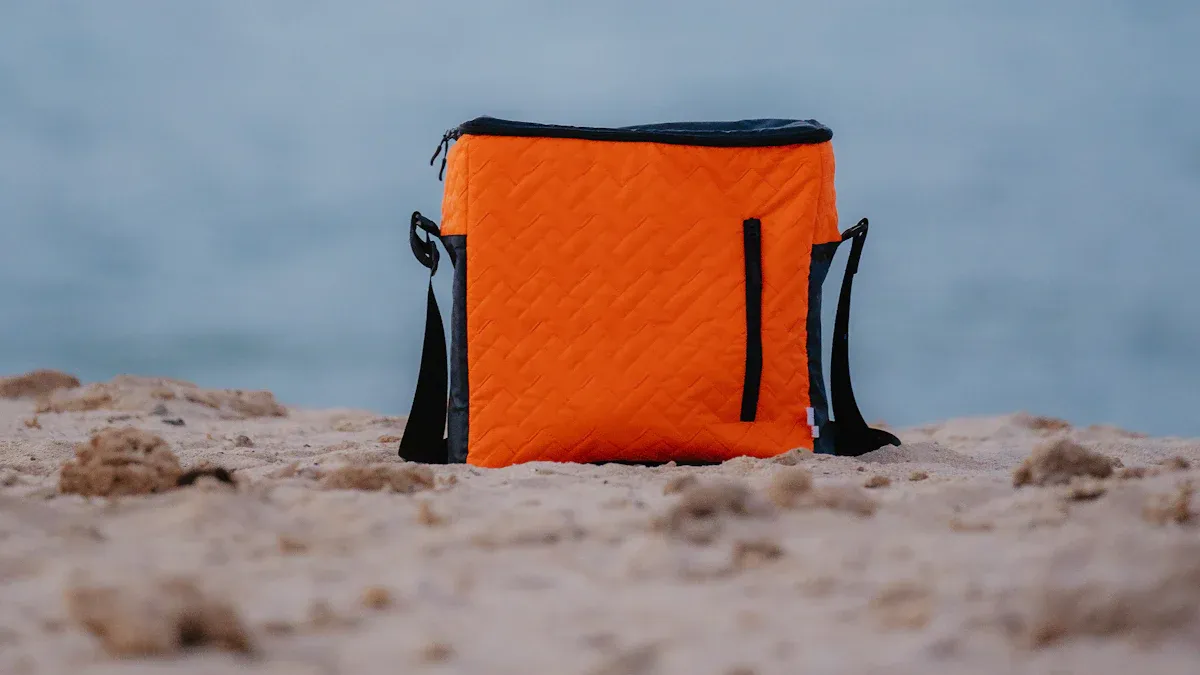

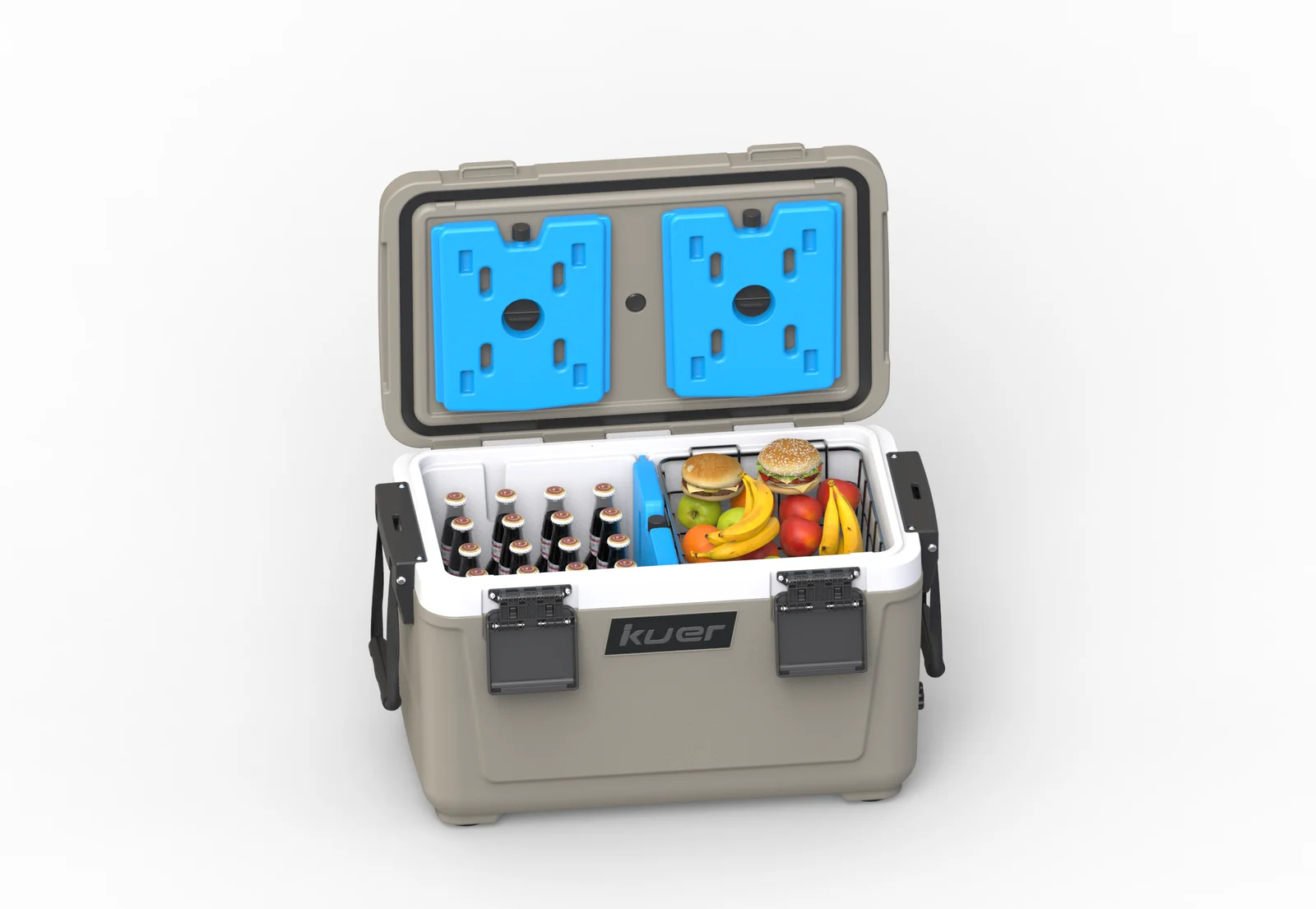
How long does ice stay cold in a hard-shell cooler? Most high-quality coolers can keep ice cold for 2 to 4 days. Some coolers, such as the RTIC 52-quart ultralight cooler, can even keep ice cold for 5 days. The KUER 110-quart rotomolded hard-shell cooler is one of the best choices, offering long-lasting coldness.
The coldness retention time of ice is affected by many factors. Insulation performance, cooler structure, external temperature, and frequency of opening all affect coldness retention. Proper use can extend the coldness retention time.
Key Takeaways
- High-end coolers like the KUER 110-quart cooler can keep ice cold for 5 to 7 days if used properly.
- Pre-cool your cooler and its contents before setting off; this will help extend the coldness retention time of ice.
- For optimal cooling, it’s best to use both block ice and ice cubes simultaneously; block ice melts more slowly.
- Place the cooler in a cool, dark place; this can double the cooling time of the ice.
- Avoid opening the cooler frequently to maintain cold air and prevent the ice from melting quickly.
How long does ice last in a hard cooler
Ice retention times by cooler quality
Many people want to know how long ice cubes can be kept in a hard-shell cooler. The answer depends on the quality of the cooler. A high-quality cooler can keep ice cold for several days, while a cheap cooler may only keep it cold for one or two days. Different brands of coolers use different materials and have different insulation properties, which will affect the cooling time of the ice.
The table below lists the cooling duration of popular cooler brands:
| Cooler Brand | Ice Retention |
|---|---|
| Taiga Coolers | Up to 5+ days |
| YETI | 4-5 days |
| Bison Coolers | 4-5 days |
Some coolers, such as the Yeti Tundra 45, can keep cool for approximately 97 hours. The RTIC 52-quart ultralight cooler can keep cool for approximately 72 hours. Economy coolers, such as the Coleman 316 series, have similar cooling performance to RTIC. Mid-range coolers, such as the L.L. Bean Base Camp cooler and the Pelican Elite cooler, also performed well in tests.
Tip: For longer cooling time, choose a high-quality cooler with thick insulation.
KUER 110QT cooler ice last performance
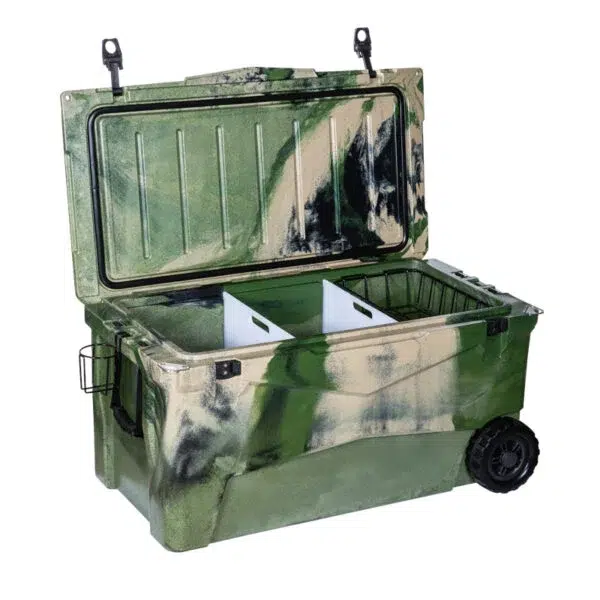
The KUER 110QT rotomolded hard-shell cooler is a top-of-the-line, high-quality cooler. Tests show that this cooler can keep ice cold for approximately 64 hours. Some say that if properly packed and protected from direct sunlight, ice can even stay cold for up to 7 days.
KUER hard-shell coolers use a rotomolding process and a thick layer of foam insulation. These features help extend the time ice stays cold.
- Many outdoor enthusiasts say that KUER coolers are perfect for camping, fishing, and beach trips.
People often ask how long a cooler like the KUER 110QT can keep ice cold. If properly packed and the lid is not opened frequently, ice can stay cold for up to a week. Therefore, a KUER cooler is a wise choice for anyone who wants to enjoy chilled drinks and fresh food on long journeys.
If someone asks about the ice-keeping time of a hard-shell cooler, it depends on the cooler’s construction and insulation. The KUER 110QT rotomolded hard-shell cooler demonstrates how a high-end cooler can keep ice cold for days. This makes outdoor travel much easier and more enjoyable.
Factors affecting ice retention
Cooler insulation and build
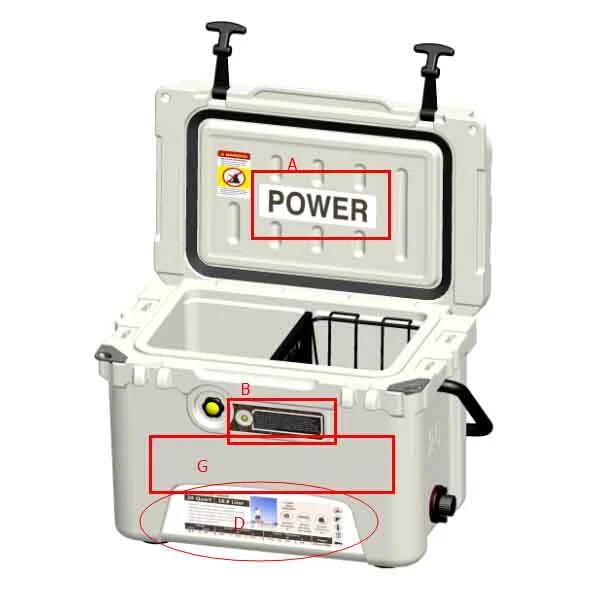
The insulation and design of a cooler play a crucial role in how long the ice lasts. Thicker insulation means less heat enters the cooler. Many high-end coolers use high-density polyurethane foam in their walls. This allows the internal temperature to be maintained for several days. A sturdy lid and rubber seals help to keep the cooler airtight. These designs prevent warm air from seeping in. Some insulated containers even feature pressure relief valves to enhance the seal. The table below shows how different features help extend the cooling time of ice:
| Factor | Explanation |
|---|---|
| Insulation Thickness | Thicker walls keep the inside cold longer. |
| Cooler Design | Tight lids and gaskets block warm air. |
| Exterior Color | Lighter colors reflect sunlight, slowing down melting. |
Ice type and temperature
The type of ice affects its cooling time. Block ice melts slower than ice cubes or crushed ice. People often use a combination of block ice and crushed ice. Block ice maintains a low temperature for a longer time. Ice cubes and crushed ice quickly fill gaps and cool beverages, but they melt faster. Here’s a brief explanation:
- Block ice: Melts slowly, best for long trips.
- Ice cubes: Melt quickly, suitable for filling gaps.
- Crushed ice: Melts fastest, ideal for rapid cooling.
Outside temperature and sunlight
Hot weather and direct sunlight accelerate ice melting. When a cooler is placed in the sun, it absorbs heat, causing the internal temperature to rise. Placing the cooler in the shade helps maintain a low temperature. Light-colored coolers reflect sunlight better. Durable construction also protects the cooler from harsh outdoor environments.
Packing and Opening Frequency
How people pack and use their coolers affects how long the ice lasts. Frequently opening the lid allows warm air in and cold air out. Each time the cooler is opened, the ice melts faster. Filling the cooler helps maintain a stable temperature. The fewer gaps there are, the less warm air enters.
Tip: Try to only open the cooler when necessary. This helps extend the life of the ice during your trip.
How to keep ice from melting
Pre-chill your cooler
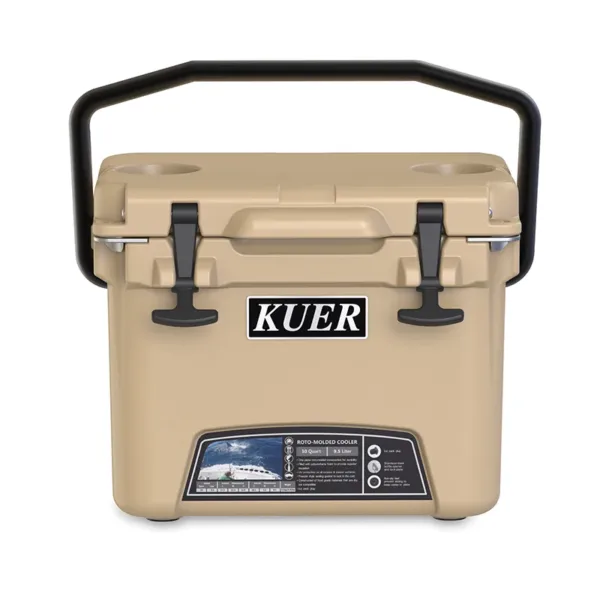
Outdoor experts agree that pre-cooling the cooler is one of the best ways to extend ice life. They recommend filling the cooler with ice or frozen gel packs several hours before packing. This step lowers the internal temperature and helps extend the life of the ice. Once ready, remove the pre-cooling ice and then add fresh ice along with your food and drinks. KUER coolers’ thick insulation works even better when the cooler itself is already cooled. Pre-cool your cooler before every trip for long-lasting freshness.
Tip: Always pre-cool your cooler and its contents for best results.
Ice-to-content ratio
The correct ice-to-contents ratio is crucial for extending ice life. Outdoor guides recommend using twice as much ice as food and drinks. Fill two-thirds of the cooler with ice and one-third with contents. This method helps create a low-temperature environment and slows down melting. Those wondering how to prevent ice from melting should always pay attention to the ice-to-contents ratio. A cooler full of ice means less air and better preservation.
- Divide the cooler into three sections.
- Two-thirds filled with ice.
- One-third for food and drinks.
Packing strategies
Smart packing helps extend the life of the ice. Start with a cooler that has already been cooled. Use ice packs or frozen bottles of water, as they melt slower than ice cubes. Fill the cooler completely to reduce air gaps. Layer items to keep the cold air inside. Combine ice packs with ice cubes for consistent cooling. Avoid draining the melted water, as it helps maintain a low temperature. Some campers use two coolers—one for drinks and one for food—to minimize heat loss.
- Fill any empty spaces with newspaper or towels.
- Minimize the number of times you open the cooler.
- Larger ice cubes work better.
Cooler placement in shade
The placement of your cooler is important. Placing your cooler in the shade can double the amount of time your ice lasts compared to placing it in direct sunlight. The light color of KUER coolers helps reflect heat, but shade is still best. The table below shows the effect of shade on ice retention time:
| Condition | Duration of Ice Retention |
|---|---|
| In Shade | Up to twice as long |
| In Direct Sunlight | Shorter duration |
Those who want their ice to last longer should always place their cooler in the shade. Simply moving your cooler to a shady spot can make a big difference.
Advanced ways to keep ice longer
Using dry ice
Some people use dry ice to extend cooling time. Dry ice is much colder than regular ice, reaching temperatures of -109.3°F. This helps keep food frozen for longer periods. In a good cooler, 5 pounds of dry ice can last 18 to 24 hours. If the cooler is well-insulated, it can even last 3 to 4 days. Dry ice doesn’t melt into water; it sublimates directly into a gas. Caution must be exercised when using dry ice. It can burn the skin and displace oxygen in confined spaces. Never put dry ice in a sealed container, as it can explode.
| Feature | Dry Ice | Regular Ice |
|---|---|---|
| Temperature | -109.3°F | Up to 31°F |
| Retention Time | 18-24 hours per 5-pound block | Up to 10 days in quality coolers |
| Safety Risks | Oxygen displacement, frostbite | Generally safe |
Note: Always wear gloves when handling dry ice. Place the cooler in a well-ventilated area.
Ice packs and supplements
Ice packs help keep items cold in a cooler. They are inexpensive and easy to carry, and they don’t require electricity. Ice packs are ideal for short trips. Some people use ice packs in conjunction with regular ice cubes to enhance cooling. Ice packs don’t last as long as large blocks of ice and require preparation beforehand.
| Advantages | Disadvantages |
|---|---|
| Affordability | Limited cooling duration |
| No need for power | Messy due to melting ice |
| Lightweight portability | Requires preparation |
Combining ice types
Using different types of ice cubes helps extend cooling time. Large blocks of ice last longer than smaller ice cubes. People typically place large blocks of ice at the bottom of the cooler. Loose, smaller ice cubes melt faster but can fill gaps. Smaller ice cubes also cool drinks quickly. Layering large and small ice cubes provides the best results. Pre-cooling the cooler with small ice cubes before adding large blocks of ice is also helpful.
- Large blocks of ice keep the cooler cold for a longer time.
- Small ice cubes fill gaps and cool items quickly.
- Using both types of ice cubes simultaneously provides the best cooling effect.
Note: Mixing dry ice, large blocks of ice, and small ice cubes can extend the cooling time of the ice. This is very effective for long trips.
Common mistakes reducing ice last
Everyone wants the ice in their cooler to last longer. But some small mistakes can ruin their plans. Here are some common mistakes and how to avoid them.
Overloading with warm items
Putting warm food or drinks into a cooler is a mistake. If you put food or drinks directly from the pantry or refrigerator into the cooler, the ice will melt faster. The cooler needs to expend more energy to cool all the items. Always cool food and drinks before packing them. This helps maintain a low internal temperature and saves ice. Experts recommend that you should also pre-cool the cooler before use. If the cooler itself is warm, the ice will melt quickly.
Tip: For best results, cool both the cooler and the items inside simultaneously.
Other mistakes relate to where the cooler is placed. If you place the cooler near a campfire or on hot ground, the outside will heat up. This can cause the ice to melt faster and may even damage the cooler.
Frequent opening
Frequently opening the cooler allows warm air to enter. Each time the lid is opened, cold air escapes, and the ice melts faster. Tests show that reducing the number of times the cooler is opened keeps the ice solid for longer. Plan ahead and take out all the items you need at once.
- Opening the cooler quickly also helps. Frequent opening of the cooler accelerates ice melting.
- Keep the cooler closed as much as possible.
- Open and close the cooler quickly to keep the cold air inside.
Poor packing
Improper packing of the cooler can also lead to faster ice melting. If items are haphazardly placed, cold air will circulate and escape. Neatly arranging items helps maintain a stable temperature. Layer food and drinks with ice to better maintain low temperatures. Always pre-cool and fill the cooler before use. A damp or dirty cooler can also cause problems. Mold and bacteria thrive in damp environments, reducing the cooler’s cooling efficiency.
Note: Keep your cooler clean and dry after each use. This prevents odors and improves its cooling performance.
A well-packed cooler can extend the cooling time of the ice, making your trip more enjoyable. Avoid these mistakes and enjoy ice-cold drinks all day long!
How long does ice last in a hard-sided cooler? This depends on the cooler’s insulation, packing method, and usage. The KUER 110QT Rotomolded Hard Cooler Type B stands out with its seamless rotomolded body, thick walls, and high-density polyurethane foam. These features help keep items cold for days. Outdoor experts recommend the following steps for best results:
- Pre-cool the cooler and all items
- Use ice and freeze water bottles
- Fill the cooler and place it in a cool place
- Limit the number of times you open the lid
A little planning can keep your adventures cool and fun every time!
FAQ
How can I make ice last longer in a hard-sided cooler?
Pre-cool the cooler and all items. Use more ice than food. Fill the cooler completely. Keep it in a cool place. Minimize opening the lid.
What type of ice is best for long trips?
Ice blocks are more durable than crushed ice. People often use a mix of ice blocks and crushed ice. Ice blocks can keep things cold for several days. Crushed ice fills gaps and cools drinks quickly.
Is the KUER 110QT Rotomolded Hard Cooler suitable for camping?
Yes, the KUER 110QT cooler is suitable for camping, fishing, and beach trips. Its thick insulation and rotomolded construction help keep ice frozen for up to a week.
How often should I clean my cooler?
You should clean your cooler after every use. Use mild soap and water. Dry it thoroughly before storing. This keeps the cooler clean and ready for the next use.
Can all hard-sided coolers be used with dry ice?
| Cooler Type | Dry Ice Safe? |
|---|---|
| Rotomolded (like KUER) | Yes |
| Thin-walled coolers | No |
Dry ice is suitable for use in rotational molding cooling chambers. Safety precautions must be followed when using dry ice.

 Request a quote
